
Sauces & Condiments
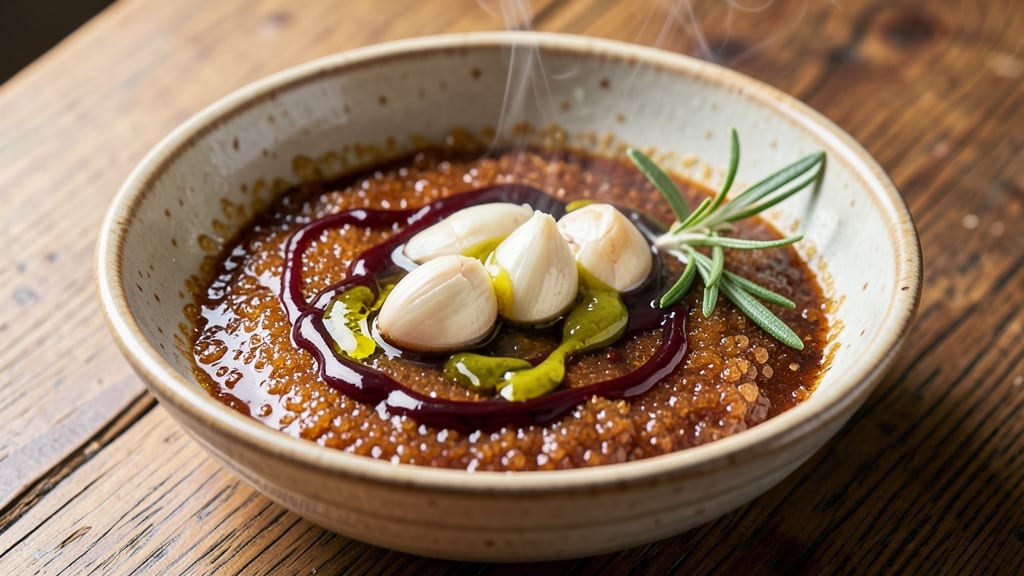
This balsamic vinegar barbecue sauce recipe transforms ordinary grilling into something extraordinary with its perfect sweet-smoky balance. 🔥 As a pitmaster trained in French techniques, I've developed a sauce that delivers restaurant-quality depth without the fuss—just a few pantry staples and 20 minutes of simmering.
The key lies in reducing the balsamic vinegar until it develops rich caramel notes, then blending it with smoky elements for that signature BBQ flavor profile.
The beauty of this sauce is its versatility—it works equally well as a glaze for grilled meats, a drizzle over roasted vegetables, or a tangy condiment for sandwiches. Unlike traditional BBQ sauces that rely on tomato bases, this version builds flavor through slow reduction and careful spice balancing.
I've tested it on everything from ribs to chicken wings, and each time it brings out the natural sweetness of the meat while adding layers of complexity.
What you'll achieve is a glossy, aromatic sauce with a perfect harmony of sweetness, acidity, and smokiness that clings beautifully to food. The reduction process concentrates the flavors, creating a sauce that tastes even better the next day.
This isn't just another BBQ sauce—it's a game-changer for anyone who wants to elevate their outdoor cooking without complicated techniques.
Once you make this sauce, you'll find yourself reaching for it anytime you grill or roast. The ingredients are simple but powerful, and the method is foolproof—ideal for both beginner cooks and seasoned pitmasters. Let's get started on creating this versatile, flavor-packed sauce that will become your new go-to condiment.
Ingredients for balsamic vinegar barbecue sauce
Pantry staples that transform into a smoky-sweet sauce perfect for grilling or drizzling.
| Ingredient | Amount | Notes |
|---|---|---|
| Balsamic Vinegar 🍷 | 1 cup | High-quality aged balsamic preferred |
| Brown Sugar 🍚 | ½ cup | Light or dark brown works |
| Smoked Paprika 🌶️ | 2 tbsp | For authentic smoky depth |
| Dijon Mustard 🥬 | 1 tbsp | Adds tangy complexity |
| Garlic Cloves 🧄 | 3 cloves | Freshly minced for flavor |
| Olive Oil 🫒 | ¼ cup | Extra-virgin for richness |
| Apple Cider Vinegar 🍎 | 1 tbsp | Enhances acidity balance |
| Black Pepper 🌶️ | ½ tsp | Freshly cracked preferred |
| Salt 🧂 | 1 tsp | Kosher or sea salt |
| Water 💧 | ¼ cup | For thinning consistency |
The balsamic vinegar is the star here—aged balsamic from Italy (like San Giacomo) gives the deepest flavor, but any quality balsamic will work. Trader Joe's and Whole Foods carry good options. For the smoked paprika, Penzeys or the bulk bins at natural food stores are your best bets. I always grab extra because it's so versatile. The brown sugar should be light unless you're going for a deeper caramel note—just taste as you go. Fresh garlic makes all the difference, but if you're short on time, jarred minced garlic works in a pinch.
No aged balsamic? White wine vinegar plus 1 tsp molasses mimics the depth. Dijon mustard out of stock? Yellow mustard at half the amount gives similar tang. The olive oil should be fruity and extra-virgin—California-based brands like Corto or Bertolli are reliable. For a quicker version, skip the reduction and simmer everything together for 10 minutes instead. The water is just for thinning if needed—start with less and add more if too thick. This sauce gets even better the next day as flavors meld.
Store leftovers in a clean glass jar with a tight seal. Keeps in the fridge for up to 2 weeks, though I usually use it all within days. Freezes beautifully for 6 months—just thaw in the fridge overnight. I like to make double batches because it disappears fast. The sauce thickens as it cools, so add a splash of water if needed before using. Perfect for brining back ribs or drizzling over grilled veggies.
Why You'll Love This Recipe
- Five-Ingredient Magic: I swear by this combo—just simmer those five things (yes, really) and let the flavors meld. No straining, no fancy techniques, just a pot and a spoon. That’s it.
- Sweet-Smoky Umami Bomb: The balsamic and brown sugar caramelize into this deep, glossy glaze, while the smoked paprika adds that cozy, slightly charred depth. Honestly, I’ve tried store-bought sauces, but this one? It’s actually better.
- Weeknight to BBQ Hero: Slather it on grilled chicken for dinner, toss it with roasted veggies for lunch, or drizzle it over fries when the kids are begging for snacks. Between us, I’ve used it for all three—and it never lets me down.
- Leftovers That Don’t Suck: This sauce actually improves the next day. The flavors get richer, and it’s perfect for batch-making. Keep a jar in the fridge for last-minute meals or freeze half for when you’re too tired to cook. (Yes, even on a Tuesday night.)
Step-by-step instructions for balsamic vinegar barbecue sauce
Here's how to balance sweet, smoky, and tangy flavors into a versatile sauce perfect for grilling or drizzling.
🍳 Step 1: Warm the Balsamic and Olive Oil
In a medium saucepan, combine the 1 cup balsamic vinegar and ¼ cup olive oil over medium-low heat. Let it warm for 3-4 minutes until the oil is infused with the vinegar's aroma—you'll smell that rich, slightly sweet balsamic essence rising. Here's the thing: warming the vinegar first prevents it from shocking the other ingredients when you add them later.
Keep the heat gentle to avoid boiling. You're looking for the mixture to reach about 160°F—just warm enough to open up the balsamic's complex flavors without cooking it down yet. If you see tiny bubbles forming, reduce the heat slightly to maintain a gentle simmer rather than a vigorous boil.
👨🍳 Step 2: Add Sugar and Mustard
Stir in the ½ cup brown sugar and 1 tablespoon Dijon mustard while keeping the heat at medium-low. Cook for 5-6 minutes until the sugar dissolves completely and the mixture thickens slightly. You'll see the sauce start to coat the back of a spoon—this is your signal that the sugar has integrated fully.
I like to press the spoon against the pan's side to check for thickness. If it leaves a clean streak, you're golden. If it still looks runny, let it cook another minute. The sugar will caramelize just enough to add depth without burning. Don't walk away—this is where the sauce's sweet foundation forms.
🔥 Step 3: Build Depth with Garlic and Spices
Add the 3 minced garlic cloves, 2 tablespoons smoked paprika, ½ teaspoon black pepper, and 1 teaspoon salt. Stir continuously for 2-3 minutes until the garlic is fragrant but not browned—you want that fresh garlic aroma, not bitter char. The smoked paprika will darken the sauce, giving it that beautiful, appetizing color.
Real talk: the garlic should smell amazing but not taste overpowering. If you notice it browning too quickly, immediately reduce the heat to low and stir more gently. The paprika is your secret weapon here—it adds that smoky backbone that makes this sauce stand out from traditional barbecue sauces.
⏰ Step 4: Balance with Vinegars and Thin as Needed
Pour in the 1 tablespoon apple cider vinegar and bring the mixture to a gentle simmer. Let it cook uncovered for 8-10 minutes until it reduces by about 25%—the sauce should thicken noticeably. You're looking for a consistency that coats the back of a spoon but isn't syrupy. If it gets too thick, add the ¼ cup water 1 tablespoon at a time until you reach your desired consistency.
Here's where it gets fun—the apple cider vinegar cuts through the sweetness while adding another layer of complexity. Taste as you go: you want a perfect balance of sweet, smoky, and tangy. If it needs more salt, add it now. If it needs more sweetness, stir in another teaspoon of sugar. This is your chance to fine-tune the flavor.
🥘 Step 5: Simmer to Perfection and Cool
Continue simmering for another 5 minutes until the sauce reaches your ideal consistency—it should coat the back of a spoon but still be pourable enough for brushing. Remove from heat and let it cool completely before transferring to a clean jar. The sauce will thicken further as it cools, so don't be tempted to make it thicker now.
I always let it cool for at least 30 minutes before storing. This resting period allows all the flavors to meld together beautifully. Once cooled, it should have a glossy sheen and that perfect balance of sweet, smoky, and tangy flavors. Store in an airtight container in the refrigerator for up to 2 weeks—it'll only get better with time as the flavors develop.
Pro Tips For Making Balsamic Vinegar Barbecue Sauce
- Simmer Slow and Steady: I learned this the hard way—rushing the sauce on high heat turns it bitter and cloying. Keep it at a gentle boil (just tiny bubbles breaking the surface) for at least 15 minutes to let the balsamic vinegar mellow and the flavors meld without burning.
- Toast the Garlic First: Raw garlic can make the sauce taste sharp and medicinal. Lightly fry the minced cloves in a dry pan until golden (about 2 minutes) before adding them to the sauce—this deepens their flavor and prevents that harsh bite.
- Skip the Cheap Balsamic: That "balsamic vinegar" labeled in a plastic jug? Not here. Use aged balsamic reduction (the thick, syrupy kind) for richness, or at least a good-quality balsamic vinegar—it makes a real difference in the sauce’s depth.
- Balance the Sweetness Early: Brown sugar can dominate if you add it all at once. Stir in half first, taste, then adjust with a splash of vinegar or a pinch of smoked paprika to cut through any cloying sweetness before committing to the full amount.
Serving suggestions for leftovers
Grilled Meat Glazes
This sauce transforms into an incredible glaze when reduced further and brushed on meats during the last 5-10 minutes of grilling. For ribs, apply it after they've hit 190°F internal temperature—the high heat caramelizes the sugars beautifully.
I like to use a pastry brush to create those glossy ribbons of sauce that cling perfectly. 🔥
For chicken wings or thighs, marinate them in half the sauce for 30 minutes before grilling, then finish with a quick brush of the remaining sauce. The balsamic's acidity tenderizes while the smoky notes enhance the meat's natural flavors. For extra drama, sprinkle with crushed red pepper flakes before serving.
Vegetable Drizzles
Roasted vegetables become restaurant-worthy when drizzled with this sauce. Toss asparagus, Brussels sprouts, or eggplant with 1 tablespoon olive oil, ½ teaspoon salt, and ¼ teaspoon black pepper, then roast at 425°F for 20-25 minutes.
Finish with a generous drizzle of the sauce and fresh basil leaves for a bright contrast.
Grilled zucchini and bell peppers also shine with this sauce. After grilling, arrange them on a platter and drizzle with the sauce, then top with crumbled feta cheese and toasted pine nuts for a Mediterranean-inspired side dish. The smoky-sweet balance cuts through the vegetables' natural bitterness.
Sandwich Elevations
Take your burgers and sandwiches to the next level by spreading a thin layer of this sauce on the bottom bun before assembling. The acidity balances rich meats like pulled pork or beef patties.
For a pulled pork sandwich, I like to mix 2 tablespoons of the sauce into the pulled pork before serving, then drizzle extra on top.
For a deconstructed sandwich experience, serve the sauce on the side with toasted ciabatta bread, shaved Parmesan, and arugula. The sauce's complexity makes it a perfect dip or condiment.
I've even used it as a marinade for grilled halloumi cheese—it caramelizes beautifully and adds a sweet-savory kick.
Dipping Sauces
This sauce doubles as an incredible dipping sauce for fried chicken, mozzarella sticks, or even fresh mozzarella balls. Serve it warm or at room temperature—either way, it's a crowd-pleaser.
I like to add a pinch of cayenne pepper for those who enjoy a little heat, or a sprinkle of fresh thyme for an herbal note.
For a fun twist, blend ¼ cup Greek yogurt with 2 tablespoons of the sauce and serve as a cool, creamy dip. The yogurt softens the sauce's acidity while adding a tangy creaminess. Perfect for summer gatherings or as a side for grilled shrimp skewers.
Breakfast Applications
Yes, really! This sauce is fantastic on grilled pancakes or French toast. Brush it on warm pancakes and top with whipped cream and fresh berries for a sweet-savory breakfast. The balsamic's depth pairs surprisingly well with the sweetness of maple syrup.
For a savory breakfast, drizzle it over grilled polenta or sautéed mushrooms. The smoky notes complement the earthiness of mushrooms perfectly. I've even used it as a marinade for grilled breakfast sausages—the result is a perfectly caramelized exterior with a juicy interior.
Nutrition facts
Frequently asked questions
Can I substitute balsamic vinegar with another type of vinegar?
Yes, but the flavor will change. For a similar depth, use aged red wine vinegar (like Chianti) plus 1 teaspoon molasses per cup. White wine vinegar works in a pinch, but it lacks the rich caramel notes. If you're avoiding vinegar entirely, try 1 cup apple cider vinegar plus 2 tablespoons balsamic glaze for a sweeter profile.
How do I adjust the sweetness level for different tastes?
Start with the recipe as written, then taste as you go. For less sweetness, reduce the brown sugar to ¼ cup and add 1 extra tablespoon apple cider vinegar to balance. For extra sweetness, increase the sugar to ⅔ cup or add 1 tablespoon honey at the end. Remember, the sauce mellows as it cools, so it may taste sweeter when fresh.
Why does my sauce turn out too thick or too thin?
Thickness depends on reduction time and water added. If too thick, thin with 1 tablespoon water at a time. If too thin, simmer uncovered for 5-10 extra minutes> or reduce the water in future batches. The ideal consistency coats the back of a spoon but remains pourable. Pro tip: Always taste and adjust while warm—it thickens significantly as it cools.
Can I make this sauce without smoked paprika?
For smokiness, substitute with 1 teaspoon liquid smoke> plus 1 teaspoon regular paprika. Or use ½ teaspoon chipotle powder> for heat and depth. Without any substitute, the sauce will be more vinegar-forward but still delicious—just less complex. The smoked paprika is what gives it that signature BBQ character.
How long does it take to make this sauce?
Total active time is about 20-25 minutes, but the process is hands-off after the initial warming. The key is patience during reduction—rushing leads to uneven flavors. Plan for 30 minutes total including cooling time. Once made, it keeps well in the fridge for 2 weeks, so you can prep ahead for cookouts.