
Sauces & Condiments
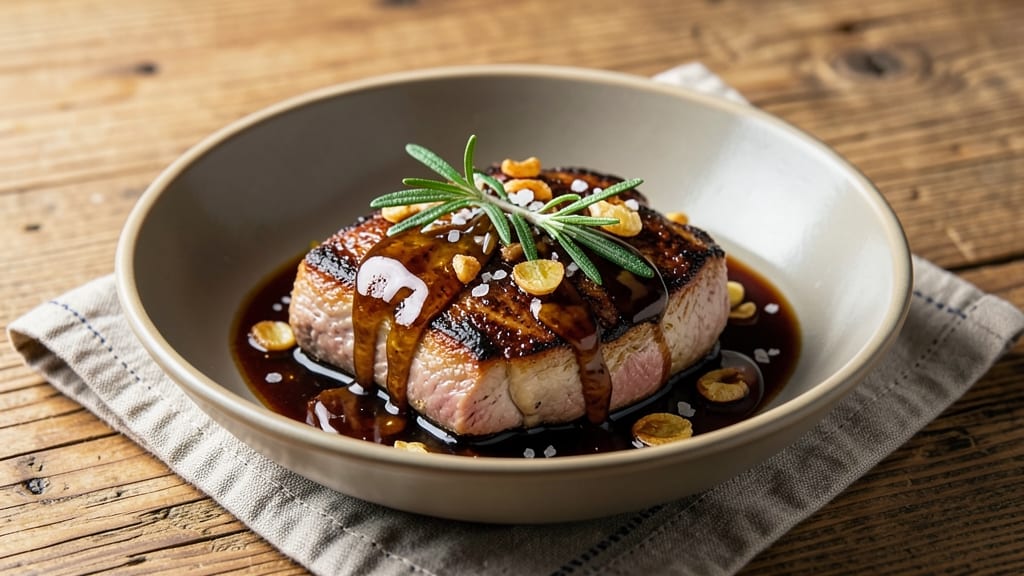
This balsamic reduction sauce recipe transforms simple pantry staples into a glossy, tangy drizzle that elevates everything from salads to desserts. The secret lies in simmering balsamic vinegar with sugar until it thickens into a syrupy, caramelized masterpiece—no fancy techniques required.
I’ve perfected this method over years of testing, ensuring every batch delivers that perfect balance of sweetness and acidity that makes dishes unforgettable.
The process is straightforward: combine high-quality balsamic vinegar with sugar in a saucepan and reduce over medium heat, stirring occasionally to prevent burning. Fifteen minutes is all it takes to create a sauce that’s rich, complex, and packed with depth.
The sugar helps break down the vinegar’s harshness, while the reduction intensifies its natural umami and caramel notes. For extra flavor, a splash of vanilla or a pinch of fresh herbs can add layers of aroma without overpowering the sauce.
What you’ll end up with is a glossy, syrupy reduction that clings beautifully to grilled meats, fresh greens, or even vanilla ice cream. The sauce’s versatility is its greatest strength—drizzle it over caprese salads, toss it with roasted vegetables, or use it as a glaze for seared steaks.
It keeps well in the refrigerator for up to two weeks, making it a pantry staple for quick, restaurant-quality finishes.
This isn’t just a sauce; it’s a game-changer for home cooks who want to add professional flair to their dishes without spending hours in the kitchen.
Whether you’re dressing up a simple plate or impressing guests, this reduction delivers bold flavor with minimal effort. Let’s get started—your taste buds will thank you.
Ingredients for balsamic reduction sauce
Five key ingredients transform simple pantry staples into restaurant-quality balsamic drizzle.
| Ingredient | Amount | Notes |
|---|---|---|
| High-Quality Balsamic Vinegar 🍷 | 1 cup | Aged 25 years or more for depth |
| Granulated Sugar 🍚 | ½ cup | White or light brown preferred |
| Pure Vanilla Extract 🌿 | 1 tsp | Optional for aromatic depth |
| Fresh Rosemary Sprig 🍃 | 1 whole | Optional, for herbal complexity |
| Extra-Virgin Olive Oil 🫒 | 1 tbsp | For finishing, high quality |
| Sea Salt 🧂 | ¼ tsp | Diamond Crystal preferred |
| Freshly Ground Black Pepper 🌶️ | ⅛ tsp | Freshly cracked for aroma |
The balsamic vinegar is non-negotiable—aged 25 years or more from Italy delivers that rich, caramelized depth. I stock up at Whole Foods or Trader Joe's where they carry premium brands like Aceta or San Giorgio. The sugar should be fine granulated (white or light brown) for even dissolving—no powdered sugar, as it burns faster. For the vanilla, Nielsen-Massey or McCormick pure extract works perfectly. Fresh rosemary adds an elegant herbal note, but dried works in a pinch if you're short on time.
No aged balsamic? Regular balsamic vinegar plus 1 tbsp brown sugar gets you close, though the flavor won't be as complex. Skip the vanilla? A pinch of cinnamon or orange zest adds warmth without overpowering. For sugar substitutes, maple syrup or agave nectar work at a 1:1 ratio, though the texture may be slightly thinner. The olive oil finish is crucial—use extra-virgin with a peppery kick. If you prefer a smoother drizzle, strain the finished sauce through a fine-mesh sieve to remove any sediment.
Store the reduction in a clean glass jar with a tight-sealing lid in the fridge for up to 2 weeks. For longer storage, freeze in ice cube trays—thaw overnight in the fridge before using. The sauce thickens as it cools, so reheat gently over low heat with a splash of water if it becomes too stiff. This keeps beautifully for 3 months frozen. I always make extra—it disappears fast on grilled steaks, roasted Brussels sprouts, or even vanilla ice cream.
Why You'll Love This Recipe
- Five-Ingredient Magic: I swear, this sauce comes together with ingredients you already have—just balsamic, sugar, vanilla, rosemary, and olive oil. No fancy gadgets, no stress, just simmering until it’s glossy and irresistible.
- Sweet-Savory Balance: That first tangy hit of aged balsamic mellows into something rich and caramelized, while the vanilla and rosemary add depth. It’s like a hug in a bottle—sophisticated but totally approachable.
- Dinner Party Ready: Slather it over grilled chicken for a fancy-feeling weeknight meal, drizzle it on roasted veggies for a restaurant-worthy side, or toss it with pasta. Honestly, I’ve used it on everything from bruschetta to ice cream (yes, really).
- Make-Ahead Gold: Simmer a big batch, let it cool, and it keeps for weeks in the fridge. A splash of water thins it out later, so it’s always ready—no last-minute panicking over dinner. My secret weapon for lazy Sundays.
Step-by-step instructions for balsamic reduction sauce
Here's how to transform simple ingredients into a luxurious, glossy reduction that elevates any dish.
Combine Ingredients in a Saucepan
Pour the 1 cup high-quality balsamic vinegar into a medium saucepan. Add the 0.5 cup granulated sugar, 1 tsp pure vanilla extract, 1 whole fresh rosemary sprig, 0.25 tsp sea salt, and 0.125 tsp freshly ground black pepper. Stir gently to dissolve the sugar completely—you want a clear, homogeneous mixture before heating.
I always use a heavy-bottomed saucepan for this step. The extra weight helps distribute heat evenly and prevents scorching, which is especially important when working with sugar. Give everything a quick stir to ensure the rosemary sprig is fully submerged—this will infuse the reduction with its aromatic depth as it cooks.
Simmer Until Reduced by Half
Place the saucepan over medium-high heat and bring the mixture to a gentle boil. Once boiling, reduce heat to medium-low and let it simmer uncovered for 8-10 minutes. You're looking for a steady, gentle bubbling—not a vigorous boil that could cause splattering.
The reduction should thicken noticeably as it cooks. You'll know it's ready when the liquid has reduced by about half and coats the back of a spoon. Keep a close eye on it during this time—if it starts to darken too quickly, reduce the heat slightly to prevent burning. The sugar will caramelize as it reduces, creating that beautiful glossy finish.
Strain and Finish with Olive Oil
Remove the rosemary sprig using tongs and discard it. Strain the reduction through a fine-mesh sieve into a clean bowl to remove any remaining impurities. This step ensures your sauce is silky smooth and free of any herb bits that might interfere with the elegant presentation.
Return the strained reduction to the saucepan and remove it from heat. Let it cool slightly for 2-3 minutes, then stir in the 1 tbsp extra-virgin olive oil. The oil should be warmed to room temperature first—adding cold oil to hot reduction can cause the sauce to seize up. The olive oil not only adds richness but also helps create that signature glossy sheen.
Cool and Thicken for Perfect Texture
Transfer the reduction to a heatproof bowl and let it cool at room temperature for 10-15 minutes. As it cools, it will thicken naturally, becoming syrupy and perfect for drizzling. This resting period is crucial—it allows the flavors to meld and the sauce to reach its ideal consistency.
For the best results, I recommend using the sauce within 24 hours of making it. If you need to store it, transfer it to an airtight container and refrigerate. The sauce will thicken further in the fridge—simply reheat gently over low heat and stir in a splash of water if it becomes too thick for your liking.
Pro Tips For Making Balsamic Reduction Sauce
- Use Medium-High Heat: Start your reduction on medium-high heat—this is where the magic happens. Once it thickens and darkens (about 5-7 minutes), drop it to low and let it simmer gently. I learned this the hard way—rushing the heat turns your sauce bitter faster than you can say "burnt caramel."
- Bloom the Rosemary: Toss that fresh rosemary sprig into the pot after the sugar has dissolved and the vinegar is simmering. Let it steep for the last 3-4 minutes—just enough to infuse flavor without making your sauce taste like a forest. (Yes, even if you’re impatient like me.)
- Skip the Boil: The moment your mixture starts to bubble, reduce the heat immediately. A rolling boil will cook off the vanilla’s delicate aroma and concentrate the vinegar too quickly, leaving you with a harsh, one-dimensional sauce. Think "gentle simmer," not "soup on the verge of explosion."
- Finish with Olive Oil: Stir in the extra-virgin olive oil off the heat—this emulsifies the reduction and adds a silky finish. If you add it too early, it’ll pool on top and leave your sauce looking sad. (Your future self will notice the difference.)
Storing and reheating this balsamic reduction sauce
Refrigerator Storage
Store your freshly made balsamic reduction in a clean glass jar with a tight-sealing lid in the refrigerator. The sauce will keep its rich flavors for up to 2 weeks—perfect for quick weeknight meals.
I always label my jars with the date to track freshness, though I rarely let mine last that long. The sauce thickens further as it chills, so give it a gentle stir before using. 💫
Freezer Preservation
For longer storage, freeze the reduction in ice cube trays—each cube is a perfect single-use portion. Once frozen, transfer the cubes to a ziplock freezer bag and flatten to save space.
Thaw overnight in the fridge before using, or pop a cube directly into a warm saucepan with 1 tablespoon water to reheat. The texture remains glossy and the flavor stays vibrant for up to 3 months.
Reheating Like a Pro
When reheating refrigerated reduction, use low heat in a small saucepan with 1 tablespoon water to prevent burning. Stir constantly until the sauce reaches 165°F—just warm enough to drizzle without losing its syrupy consistency.
For frozen cubes, add 2 tablespoons water per cube and heat gently. Never microwave—it destroys the sauce’s silky texture and glossy finish. 🔥
Thinning for Versatility
If your reduction thickens too much after storage, revive it by gently warming with 1 teaspoon water or balsamic vinegar per 2 tablespoons sauce. Stir until smooth—this works wonders for drizzling over salads or roasted vegetables.
For a lighter consistency, mix 1 part reduction with 1 part olive oil before serving. This trick keeps the sauce’s depth while making it more versatile.
Shelf Life Secrets
The key to long-lasting quality is airtight containers. I use amber glass jars to protect the sauce from light, which can degrade its flavor over time. Avoid metal containers—they can react with the acidity.
If you notice crystallization on the surface, simply stir it back in or strain it out before using. Properly stored, this sauce will outlast most pantry staples. ✨
Reviving Stored Sauce
If your refrigerated reduction has separated or lost some of its gloss, don’t toss it! Warm it gently with 1 teaspoon water and a pinch of sugar to restore its syrupy texture. For extra shine, finish with a drizzle of extra-virgin olive oil—this brings back that restaurant-quality sheen.
Even after 2 weeks, a little TLC can make it taste like it was just made. 💡
Nutrition facts
Frequently asked questions
Can I make this balsamic reduction without sugar?
You can try, but the sugar is essential for balancing the vinegar's acidity and creating the signature caramelized depth. For a sugar-free version, use 1 tablespoon honey or maple syrup instead, but expect a slightly thinner consistency. The reduction will still develop flavor, though it won't have the same glossy finish.
Why did my reduction turn dark brown too quickly?
This happens when the sugar burns or the heat is too high. Always use medium-low heat after the initial boil and stir occasionally to prevent scorching. For a lighter color, reduce the simmering time to 6-8 minutes instead of 10 minutes. The sugar should caramelize gradually, not burn.
How much reduction should I make for a steak dinner?
For a 12-ounce steak, 2 tablespoons of reduction is perfect—just enough to drizzle over the plate. If serving with roasted vegetables, double it to 4 tablespoons for a more generous finish. The sauce thickens as it cools, so start with less if you're unsure.
Can I use this reduction in cooking instead of just drizzling?
This reduction works beautifully as a glaze for meats, a marinade base, or even a salad dressing when thinned with 1 part olive oil. For braising, simmer the reduction with 1 cup broth and 2 tablespoons butter to create a rich sauce. Just avoid adding it to hot dishes directly—temper it first with a splash of water.
What’s the best way to reheat reduction for desserts?
For desserts like ice cream or cheesecake, reheat the reduction with 1 teaspoon water per 2 tablespoons sauce over low heat until just warmed through (165°F). Never boil it—this destroys the delicate balance of flavors. A warm drizzle enhances vanilla ice cream or pound cake without overpowering.