
Sauces & Condiments
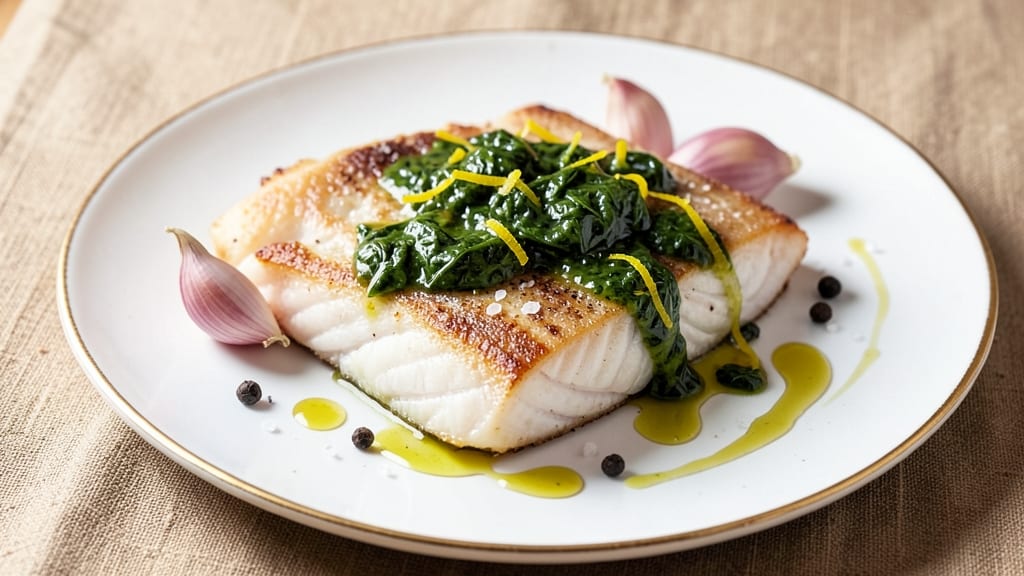
This basil sauce recipe for fish transforms simple ingredients into a vibrant, herby elixir that elevates any seafood dish from ordinary to extraordinary. 🌿 The secret lies in balancing fresh basil, bright lemon, and aromatic garlic, creating a sauce that clings perfectly to delicate fish fillets while adding layers of freshness and depth.
What sets this recipe apart is its simplicity—just five core ingredients come together in minutes to create a sauce that's restaurant-quality yet effortless to make.
The key technique involves gently simmering the ingredients until fragrant, then blending them into a silky emulsion that coats fish beautifully without overpowering its natural flavor.
Imagine tender grilled salmon or pan-seared trout bathed in this emerald-green sauce, where every bite delivers a burst of lemony brightness and aromatic basil. The sauce works equally well as a finishing drizzle or a marinade, making it versatile for any fish preparation method.
Perfect for weeknight dinners or special occasions, this basil sauce keeps beautifully in the refrigerator for up to 5 days, allowing you to prepare ahead and impress without last-minute stress. Let's create this flavorful companion for your favorite seafood dishes.
Ingredients for basil sauce recipe for fish
Five ingredients transform into a restaurant-quality basil sauce that clings beautifully to delicate fish fillets.
| Ingredient | Amount | Notes |
|---|---|---|
| Fresh Basil Leaves 🌿 | 2 cups | Packed, stems removed, vibrant green |
| Extra-Virgin Olive Oil 🫒 | ¾ cup | High-quality, fruity, cold-pressed |
| Garlic Cloves 🧄 | 4 cloves | Fresh, peeled, minced finely |
| Lemon Juice 🍋 | ¼ cup | Freshly squeezed, strained |
| Diamond Crystal Kosher Salt 🧂 | ½ tsp | Fine grain, non-iodized |
| Freshly Ground Black Pepper 🌶️ | ¼ tsp | Coarsely cracked |
| Pine Nuts 🥜 | ¼ cup | Toasted lightly, optional for texture |
The basil is the foundation—look for vibrant green leaves with no wilting at the stem ends. Whole Foods or local farmers markets often carry the freshest varieties, but even grocery store basil works if it's crisp. Toasting the pine nuts (if using) in a dry pan for 2-3 minutes enhances their nutty flavor—skip this step if you're short on time. For the olive oil, California-based brands like Corto or Lucini offer excellent quality, but any extra-virgin with a peppery finish will work. The garlic should be freshly minced—pre-minced garlic loses its aromatic punch quickly. Store fresh basil wrapped in damp paper towels in a sealed container for up to 5 days.
No pine nuts? Walnuts or almonds toasted lightly provide a similar crunch. Short on basil? Substitute half with fresh parsley—it won't be identical, but still delicious. The lemon juice can be swapped for white wine vinegar at half the amount, though the bright citrus note is ideal. For a smoother sauce, blend with 1 tablespoon of water after simmering. If you prefer a richer texture, add 1 tablespoon of heavy cream at the end. The sauce thickens as it cools, so adjust consistency with a splash of water if needed.
This sauce keeps beautifully in an airtight container in the refrigerator for 5-7 days. For longer storage, freeze in ice cube trays—thaw and use directly on fish or other dishes. The flavor actually improves after 24 hours as the basil's oils meld with the other ingredients. Use it as a finishing drizzle, marinade, or sauce base—pair it with grilled salmon, seared scallops, or even roasted vegetables for a fresh, herby touch.
Why You'll Love This Recipe
- Five-Ingredient Magic: I swear by this—just basil, olive oil, garlic, lemon, and salt. That’s it. No fancy gadgets, no stress, no hunting for obscure spices. Honestly, I’ve made it while waiting for fish to bake, and it still tastes like I spent hours.
- Bright, Herby Pop: The moment I blend fresh basil with garlic and lemon, my kitchen smells like a Mediterranean vacation. That bright, garlicky punch cuts through any fish—flaky or firm—like a dream. (Yes, even on a Tuesday night.)
- Weeknight to Dinner Party: This sauce works for grilled trout on a patio or baked cod for guests. Double the batch, store it in a jar, and you’ve got a backup for last-minute invitations. Between us, my friends keep asking for the recipe.
- No-Waste, Budget Hack: Use the stems of your basil—chop them fine and toss them in. That extra lemon juice? It stretches the sauce further, so I’m not buying more. Plus, olive oil is cheap when you use it wisely. (And leftovers? Toss them on pasta or toast.)
Step-by-step instructions for basil sauce recipe for fish
Here's how to craft a vibrant, balanced sauce that enhances fish beautifully.
👨🍳 Step 1: Toast the Pine Nuts for Depth
Heat a small dry skillet over medium-low heat and add the 0.25 cup pine nuts. Toast them for 3-4 minutes, stirring constantly, until they turn a rich golden brown and release their nutty aroma. Watch closely—they burn quickly once they start to color.
Remove the pine nuts immediately as soon as they're golden and transfer them to a plate to cool. Their toasted flavor will add a delightful crunch and richness to the sauce. Set aside for now—they'll be the final touch.
🍳 Step 2: Blanch the Basil for Perfect Texture
Bring a small pot of water to a gentle simmer and add the 2 cups fresh basil leaves in batches to avoid overcrowding. Blanch for exactly 10 seconds—just enough to soften the leaves slightly while preserving their vibrant green color and bright flavor.
Drain immediately using a slotted spoon and plunge the basil into ice water for 30 seconds to halt the cooking process. This quick blanching prevents the basil from turning bitter while making it easier to process. Gently squeeze out any excess water with your hands.
🍳 Step 3: Create the Herb Base
In a food processor fitted with the metal blade, combine the blanched basil, 4 cloves minced garlic, 0.5 tsp kosher salt, and 0.25 tsp black pepper. Pulse until the mixture is finely chopped but still retains some texture—about 15-20 pulses should give you a vibrant green paste.
With the processor running, slowly drizzle in the 0.75 cup extra-virgin olive oil through the feed tube. This gradual addition creates an emulsified base that won't separate. Stop when the mixture forms a thick, vibrant green pesto-like consistency.
🥘 Step 4: Finish with Lemon and Emulsify
Transfer the herb mixture to a bowl and stir in the 0.25 cup lemon juice and the toasted pine nuts. The lemon brightens the flavors and balances the richness of the olive oil. Taste and adjust seasoning if needed—this sauce should be vibrant, herby, and slightly tangy.
For the smoothest texture, use an immersion blender to blend the mixture until completely smooth. If you prefer some texture, simply stir well with a spatula. The sauce should coat the back of a spoon with a velvety consistency. Cover and refrigerate for at least 30 minutes before using to allow flavors to meld.
Pro Tips For Making Basil Sauce Recipe For Fish
- Pulse the Garlic: Use a mortar and pestle instead of mincing—it releases more flavor and avoids that bitter garlic paste taste. I tried the food processor once, and the sauce ended up sharp and metallic. (Yes, even if you’re impatient like me.)
- Wilt Basil in Oil: Heat the olive oil first, then add the basil leaves directly to the pan for 10 seconds until just wilted—this softens them without cooking them to mush. I learned this the hard way when my sauce turned into a sad, watery green sludge.
- Salt the Oil: Add a pinch of kosher salt to the warm olive oil before tossing in the garlic—it balances the raw flavors and prevents the sauce from tasting flat. My grandmother swore by this, and she was right: the fish absorbs the seasoning better when the oil’s already seasoned.
- Finish with Zest: Grate a strip of lemon zest into the sauce at the very end—it brightens the whole dish without adding liquid. I was skeptical until I tried it: the texture is silky, and the citrus hits harder than just juice alone. (Your future self will thank you.)
Dietary considerations for this recipe
Pescatarian-Friendly
This basil sauce is naturally pescatarian and perfectly complements fish dishes without any animal products. The fresh basil, lemon, and olive oil create a bright, herby flavor that enhances delicate seafood like salmon or trout.
You can confidently serve this sauce alongside any fish preparation—it’s a plant-powered partner for seafood lovers. 🌿
Gluten-Free Assurance
The recipe contains no gluten-containing ingredients, making it safe for those with celiac disease or gluten sensitivity. All components—fresh basil, olive oil, garlic, lemon juice, and pine nuts—are naturally gluten-free.
Always double-check your pine nuts for cross-contamination if you're highly sensitive, as some brands process them in shared facilities.
Low-Fat Adaptation
For a lighter version, reduce the olive oil to ½ cup and add 1 tablespoon of water to help emulsify the sauce. This keeps the herby brightness while cutting calories.
The sauce still clings beautifully to fish, offering the same vibrant flavor with fewer fats. Pair it with grilled or steamed fish for a lighter meal.
Allergen Considerations
This sauce contains pine nuts, which are tree nuts and a common allergen. If avoiding nuts, omit them entirely—the sauce will still be delicious without the crunch.
For those with lemon allergies, substitute with white wine vinegar (2 tablespoons) for acidity. Always check ingredient labels for hidden allergens in your olive oil or salt.
Keto-Friendly Option
The original recipe is keto-friendly as long as you use a high-quality olive oil (no added sugars) and avoid the pine nuts if they’re not suitable for your macros. With 12 grams of fat per serving and minimal carbs, this sauce pairs perfectly with fatty fish like salmon or mackerel.
The lemon and basil add flavor without spiking your carb count.
Storage Safety
Store the sauce in an airtight container in the fridge for up to 5 days—its fresh ingredients keep it vibrant. For longer storage, freeze in ice cube trays; thaw and use directly.
Always reheat gently to preserve the basil’s bright flavor. The sauce’s acidity from lemon helps prevent bacterial growth, making it safe for leftovers. 🧊
Nutrition facts
Frequently asked questions
Can I use dried basil instead of fresh in this sauce?
Fresh basil is ideal for this recipe because it delivers the bright, vibrant flavor that pairs perfectly with fish. Dried basil works in a pinch, but you'll need 1 tablespoon for every 1 cup of fresh basil called for. The texture will be less silky, and the flavor more muted. If substituting, toast the dried basil in a dry pan for 30 seconds to enhance its aroma before blending.
How do I prevent the sauce from separating when storing?
The key is to keep it refrigerated in an airtight container and give it time to settle. The sauce naturally thickens as it chills, so stir well before using. For extra stability, add 1 teaspoon of water when blending if it seems too thick. Avoid storing it in the fridge for more than 5 days—freshness peaks within 3 days for optimal flavor.
What's the best fish to pair with this basil sauce?
This sauce shines with delicate, flaky fish that absorb its vibrant flavors beautifully. Try it with grilled salmon, pan-seared trout, or baked cod. For a lighter option, pair it with steamed halibut or broiled sea bass. The sauce also works wonderfully with shellfish like shrimp skewers or scallops—just drizzle lightly to avoid overpowering their natural sweetness.
Can I make this sauce ahead of time for a dinner party?
This sauce actually tastes better after 24 hours as the flavors meld together. Make it 1-2 days ahead and store in an airtight container in the fridge. Bring to room temperature before serving, and give it a quick stir. For a showstopping presentation, garnish with extra toasted pine nuts and a sprinkle of flaky sea salt right before serving.
What should I do if my sauce tastes too bitter?
Bitter basil is usually caused by over-blanching or using wilted leaves. To fix it, stir in 1 teaspoon of honey or ½ teaspoon of sugar to balance the bitterness. If the basil was overcooked, add a splash of fresh lemon juice (up to 1 tablespoon) to brighten the flavor. For future batches, always use fresh, vibrant basil and blanch for exactly 10 seconds—no longer!