
Sauces & Condiments
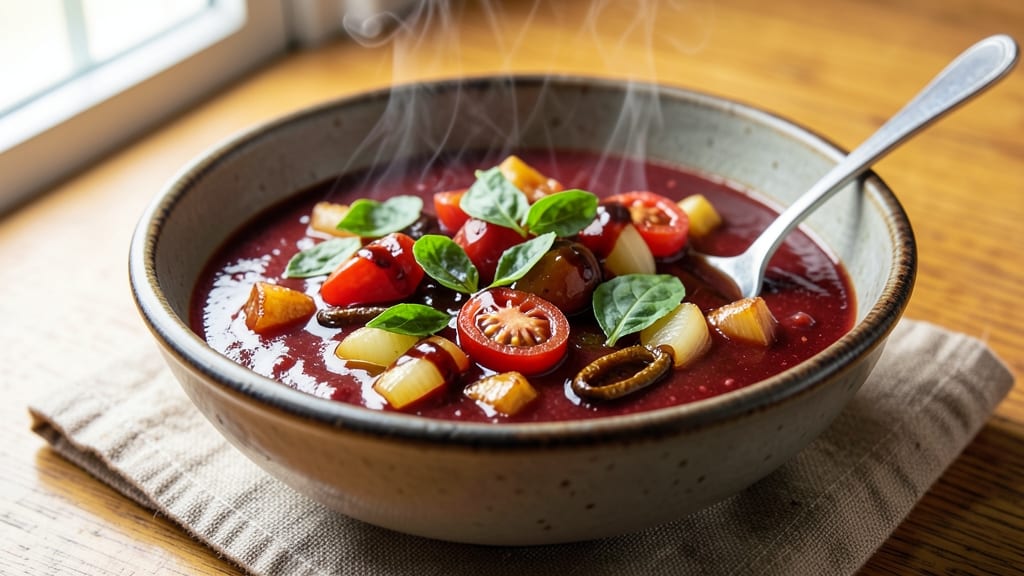
This Al Capone sauce recipe delivers the bold, smoky depth of Chicago-style Italian-American cooking—where chipotle heat meets celery crown richness and a hidden vinegar zing cuts through the richness.
The sauce starts with a slow-cooked tomato base, then builds layers of complexity with smoky chipotle, sweet celery, and a touch of vinegar that brightens every bite. It's the kind of sauce that transforms simple pasta into a restaurant-worthy meal, with just the right balance of heat, sweetness, and tang.
The secret lies in the slow simmer, which allows the flavors to meld without overpowering each other.
You'll start with a simple tomato base—crushed tomatoes, garlic, and onion—but the magic happens when you add the chipotle peppers in adobo and fresh celery crowns, simmered until their flavors dissolve into the sauce.
A splash of vinegar at the end adds that signature brightness that makes this sauce stand out from ordinary marinara.
What sets this sauce apart is its versatility—it works as a bold spaghetti sauce, a dipping sauce for crusty bread, or even a marinade for grilled meats. The smoky chipotle heat lingers on the palate, while the vinegar zing keeps it from feeling too heavy.
The result is a sauce that’s rich, complex, and impossible to resist, just like the legend it’s named after.
Once you’ve mastered this recipe, you’ll want to make a big batch and store it in the freezer for quick meals. The flavors only deepen over time, making it perfect for weeknight dinners or holiday gatherings. Let’s get started—this sauce is worth every minute of simmering.
Ingredients for al capone sauce
Ten ingredients. Two hours of simmering. One legendary sauce that's smoky, sweet, and tangy all at once.
| Ingredient | Amount | Notes |
|---|---|---|
| Crushed Tomatoes 🍅 | 2 cups | San Marzano for best flavor |
| Yellow Onion 🧅 | 1 whole | Medium size, diced |
| Garlic Cloves 🧄 | 4 cloves | Peeled, minced |
| Celery Crowns 🥬 | 2 whole | Fresh, chopped |
| Chipotle Peppers in Adobo 🌶️ | 2 whole | With sauce, chopped |
| Adobo Sauce 💧 | 1 tbsp | From chipotle can |
| White Vinegar 🍋 | 1 tbsp | For brightness |
| Extra-Virgin Olive Oil 🫒 | ¼ cup | For richness |
| Salt 🧂 | 1 ½ tsp | Diamond Crystal preferred |
| Black Pepper 🌶️ | ½ tsp | Freshly ground |
The chipotle peppers in adobo are non-negotiable here—they bring that signature smoky heat you can't get anywhere else. Look for the canned ones at Latin markets or the Mexican foods aisle, not the dried peppers. The adobo sauce from the can is key too—don't skip it. Fresh celery crowns add that sweet, earthy depth, but Trader Joe's pre-chopped celery works in a pinch. For tomatoes, San Marzano cans make all the difference—they're sweeter and less acidic, which balances the vinegar perfectly. If you're using regular crushed tomatoes, add an extra pinch of sugar to compensate.
No chipotle peppers? Smoked paprika plus a pinch of cayenne gets you close, but it won't have that same deep, smoky complexity. Running out of vinegar? Lemon juice works at the same amount, though it's slightly sweeter. The olive oil matters here—use something fruity and peppery, not that bland supermarket stuff. California Olive Ranch or Colavita are my go-tos. For the onions, if you grab a big one, just dice it smaller—this sauce loves onion flavor. The garlic can be roasted for extra sweetness (just toss whole cloves on a baking sheet at 400°F for 10 minutes), but raw works fine too.
This sauce tastes even better the next day—honestly, that's when the flavors really come together. Store it in the fridge for up to 5 days, or freeze in 1-cup portions for 3 months. I always make a double batch because it disappears fast—great on pasta, as a marinade for chicken, or even as a dipping sauce for crusty bread. The vinegar might make you think it's too tangy fresh, but trust me, it balances out perfectly after simmering. If you're freezing, let it cool completely first to avoid ice crystals.
Why You'll Love This Recipe
- No Chopping Nightmare: I swear by this sauce because the only prep is dicing one onion and mashing a few garlic cloves—no fancy knife skills required. That celery crown? Just rinse and drop whole into the pot. Honestly, I’ve made it while scrolling through emails.
- Smoky Heat Magic: The chipotle peppers in adobo turn this into something special—deep, smoky, and just a little fiery without overpowering. That first spoonful? It’s the kind of flavor that makes you pause mid-bite, like uncovering a secret recipe.
- Pasta Party Ready: Between us, this sauce is my go-to for everything: tossed with spaghetti, dolloped on grilled chicken, or even as a pizza base. I’ve served it at game nights, potlucks, and lazy Sundays—it never lets me down.
- Budget-Friendly Stretch: A single batch feeds four people easily, and the leftovers? Even better the next day. I keep a jar in the fridge for impromptu meals, and the crushed tomatoes plus onion bulk it up without breaking the bank. It’s my pantry’s best-kept secret.
Step-by-step instructions for Al Capone sauce
This smoky, complex sauce comes together with just a few simple techniques and bold flavors.
Sauté the Aromatic Base
Heat the 0.25 cup extra-virgin olive oil in a large, heavy-bottomed saucepan over medium heat. Add the 1 whole yellow onion and 2 whole celery crowns, chopped into small dice. Cook for 8-10 minutes, stirring occasionally, until the vegetables soften and the onion becomes translucent.
Here's the thing—you want the vegetables to caramelize just slightly, not burn. You'll know it's ready when they release from the pan easily and smell sweetly aromatic. Add the 4 cloves garlic cloves, minced, and cook for 30 seconds until fragrant but not browned. This base is the flavor foundation, so don't rush it.
Add the Chipotle and Tomatoes
Increase the heat to medium-high and add the 2 whole chipotle peppers in adobo, chopped, along with the 1 tbsp adobo sauce from the can. Stir for 1 minute to let the smoky chipotle flavors meld with the vegetables. Then pour in the 2 cups crushed tomatoes and bring to a gentle simmer.
This is where the sauce starts to develop its signature depth. The chipotle peppers add heat and smokiness, while the tomatoes provide acidity and body. Let it simmer uncovered for 10 minutes, stirring occasionally, until the mixture thickens slightly and the raw tomato flavor mellows out.
Build the Sauce with Vinegar and Seasonings
Reduce the heat to low and stir in the 1 tbsp white vinegar, 1.5 tsp salt, and 0.5 tsp black pepper. The vinegar adds a bright, tangy contrast that cuts through the richness of the tomatoes and olive oil. Let the sauce simmer gently for 15-20 minutes, stirring occasionally, until it reaches your desired consistency.
You're looking for a sauce that coats the back of a spoon but isn't gloppy. If it's too thick, add 1-2 tablespoons of water to loosen it. If it's too thin, simmer a bit longer to reduce it. This step is all about balance—smoky, tangy, and rich, but not overpowering.
Finish and Adjust
Taste the sauce and adjust the seasoning if needed. You might want to add a pinch more salt or a splash of vinegar to brighten it up. The sauce should have a deep, smoky flavor with a hint of heat from the chipotle and a touch of brightness from the vinegar.
Let the sauce cool slightly before serving. It will continue to thicken as it sits, so don't worry if it looks a bit loose while it's hot. This sauce pairs beautifully with pasta, grilled meats, or even as a dip for crusty bread. Trust the process—each step builds on the last to create something truly special.
Pro Tips For Making Al Capone Sauce
- Sweat the Aromatics Slow: I learned this the hard way—rushing the onions, celery, and garlic in olive oil just to speed things up turns your sauce into a sad, bitter mess. Take your time here: cook them over medium-low heat until the onions are translucent and the celery’s softened but not browned. Patience here means depth later.
- Blend the Chipotle Paste: Chopping chipotle peppers in adobo is a pain, and you’ll end up with uneven heat. Instead, blend the peppers with their sauce and a splash of water until smooth—this way, every spoonful of sauce gets that smoky kick without the risk of burning your tongue or clogging your blender. (Yes, even if you’re impatient like me.)
- Salt the Tomatoes Early: Crushed tomatoes need time to release their liquid, and if you wait until the end to season, you’ll end up playing catch-up with salt. Toss them with a generous pinch of salt as soon as they hit the pot—this breaks down the texture and lets the flavors meld better. (Your future self will thank you.)
- Simmer, Don’t Boil: Al Capone sauce isn’t a race. After everything’s blended, keep the heat low enough that you’re barely seeing bubbles—gentle simmering prevents the tomatoes from turning mushy and lets the flavors marry properly. I skip this when I’m lazy, but the dish is noticeably better when I don’t.
Troubleshooting your al capone sauce
Sauce Too Thin?
If your sauce isn’t thickening enough during the 15-20 minute low simmer, don’t panic—this happens more often than you’d think. The key is patience: let it reduce naturally over 30-45 minutes on low heat.
I’ve found that using San Marzano tomatoes (which have less water content) helps, but if you’re in a hurry, simmer uncovered and stir occasionally to speed up evaporation.
For an instant fix, mix 1 tbsp cornstarch with 2 tbsp cold water, stir it in, and let it bubble for 2 minutes. Just don’t overdo it—too much thickener can make the sauce taste pasty. 💫
Heat Too Overpowering?
The chipotle peppers can sometimes dominate, especially if you’re sensitive to heat. If your sauce tastes like it needs a break, reduce the chipotle to 1 pepper next time, or remove the seeds and membranes before chopping.
For an immediate fix, stir in ½ tsp sugar or 1 tsp honey to balance the heat with a touch of sweetness. The vinegar also helps cut through the spice, so if you’re worried, add an extra ½ tbsp at the end.
Trust me, the flavors will mellow as it cools. 🌶️
Sauce Too Tangy?
The vinegar is what gives this sauce its signature brightness, but sometimes it can feel too sharp straight out of the pot. If your sauce tastes overly acidic, let it sit at room temperature for 30 minutes—the flavors will mellow naturally.
You can also add a pinch of salt or a small piece of butter (about ½ tbsp) to round out the flavors. If you’re still not happy, a splash of tomato paste (just 1 tsp) will deepen the richness and soften the tang.
The sauce always improves overnight, so don’t stress if it needs a little time. ✨
Burnt Onions or Garlic?
This is a classic rookie mistake—letting the onions or garlic brown too quickly. The key is to keep the heat at medium and stir frequently. If you see the onions turning golden-brown too fast, lower the heat immediately and add a splash of water to cool them down.
For next time, try sautéing the onions in batches if your pan is too crowded. And remember, garlic should only be cooked for 30 seconds—any longer, and it turns bitter. A little char adds flavor, but burnt garlic ruins the whole dish. 🔥
Sauce Separating?
If your sauce looks curdled or oily, it’s likely separating due to the fat from the olive oil or tomatoes. The fix is simple: whisk in 1 tbsp cold water or 1 tsp cornstarch slurry and simmer for 2-3 minutes until it smooths out.
Stirring vigorously while heating helps re-emulsify the sauce. To prevent this, avoid stirring too aggressively during the simmer—gentle stirring keeps the ingredients suspended. If all else fails, blend the sauce briefly with an immersion blender for a silky texture. 💡
Not Smoky Enough?
If your sauce lacks that deep, smoky chipotle flavor, you might not have let the peppers infuse long enough. Next time, simmer the sauce with the chipotle peppers for an extra 10 minutes before adding the vinegar.
You can also add ½ tsp smoked paprika or a pinch of liquid smoke (just ¼ tsp) to boost the smokiness. For an instant fix, stir in a tiny bit of the adobo sauce from the can—it’s packed with smoky flavor.
The longer you simmer, the more the chipotle’s flavor will develop, so don’t rush this step. 🌫️
Nutrition facts
Frequently asked questions
Why does this sauce need vinegar when it already has tomatoes?
The vinegar is what creates that signature brightness that cuts through the richness of the tomatoes and olive oil. It balances the smoky chipotle heat and prevents the sauce from tasting flat or overly heavy. Think of it like a secret ingredient that makes this sauce stand out from regular marinara.
Can I make this sauce without chipotle peppers?
You can substitute with ½ tsp smoked paprika plus ¼ tsp cayenne, but you'll lose that authentic smoky depth. For a similar effect, try 1 tbsp liquid smoke (just a tiny splash) or even a pinch of crumbled bacon for a smoky-sweet alternative. The flavor won't be identical, but it'll still be delicious!
How long should I simmer this sauce for?
For best results, simmer gently for 30-45 minutes total. The first 10 minutes after adding tomatoes helps mellow their acidity, then the remaining 20-35 minutes allows all flavors to meld. Patience is key—rushing makes the sauce taste raw or thin. The longer it simmers, the deeper the flavors become!
Can I use this sauce for other dishes besides pasta?
This versatile sauce works perfectly as a marinade for chicken or pork, a topping for grilled meats, or even a dipping sauce for crusty bread. Try using it in tacos or as a pizza sauce base—just reduce it slightly to make it thicker. The smoky chipotle flavor adds great depth to any protein!
What's the best way to store leftover sauce?
Store in an airtight container in the fridge for up to 5 days, or freeze in 1-cup portions for 3 months. The flavors actually improve overnight! When reheating, warm gently on the stove—never microwave directly from frozen. For best texture, thaw overnight in the fridge before reheating.