
Sauces & Condiments
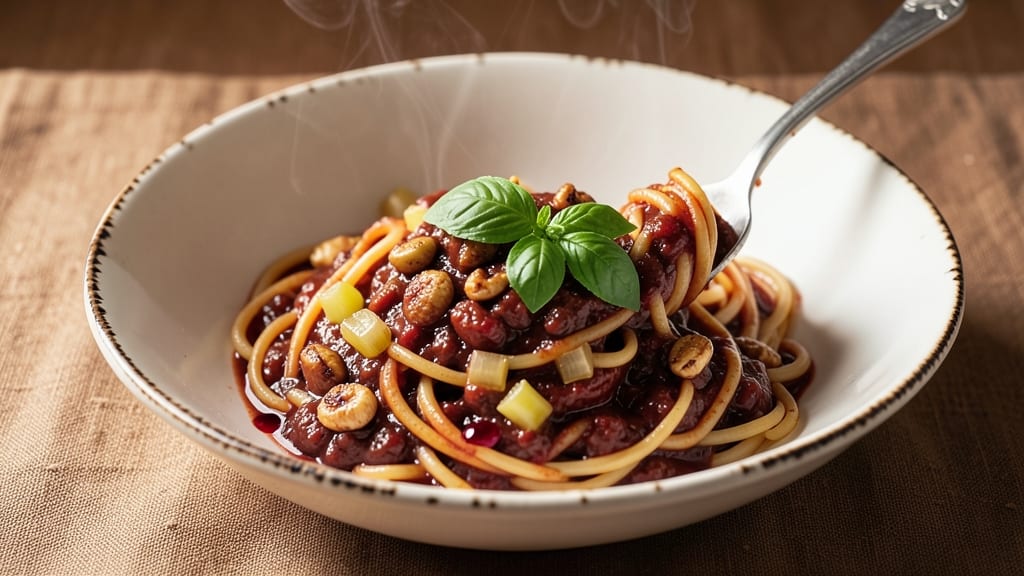
Alex Guarnaschelli’s spaghetti sauce recipe delivers the deep umami richness and layered complexity that make her cooking legendary. 🌟 This isn’t just a sauce—it’s a symphony of slow-simmered tomatoes, aromatic vegetables, and a celery crown that transforms ordinary pasta into a restaurant-worthy meal.
The secret lies in patience: letting flavors meld over hours rather than minutes, creating a sauce so vibrant it tastes like it’s been simmering all day.
What sets this recipe apart is the technique—starting with a rich base of onions, carrots, and celery (the holy trinity) that builds flavor through careful sautéing before introducing tomatoes.
Deglazing the pan with wine captures every caramelized bit, while a long simmer reduces the sauce to a concentrated, velvety consistency. Fresh herbs and a touch of sweetness from sugar balance the acidity, ensuring each spoonful is perfectly harmonized.
The result is a sauce so versatile and robust it elevates any pasta dish, from classic spaghetti to hearty lasagna. Whether you’re serving it over al dente noodles or using it as a marinade for meats, the depth of flavor will leave everyone asking for seconds.
The best part? It tastes even better the next day, making it ideal for meal prep.
Ready to master this foolproof method? We’ll walk through every step—from building the base to achieving that signature celery crown sparkle—so you can recreate Alex’s signature sauce at home. Let’s get started.
Ingredients for alex guarnaschelli spaghetti sauce
Sixteen ingredients transform into Alex Guarnaschelli's legendary slow-simmered spaghetti sauce with celery crown sparkle.
| Ingredient | Amount | Notes |
|---|---|---|
| Extra-Virgin Olive Oil 🫒 | ½ cup | High-quality, fruity variety preferred |
| Yellow Onion 🧅 | 2 whole | Medium-sized, finely diced |
| Carrots 🥕 | 2 whole | Medium, peeled and finely diced |
| Celery Stalks 🧄 | 4 whole | Fresh, trimmed and finely chopped |
| Garlic Cloves 🧄 | 6 cloves | Fresh, minced for aromatic depth |
| Dry Red Wine 🍷 | ½ cup | Bold Cabernet Sauvignon preferred |
| Canned San Marzano Tomatoes 🍅 | 28 oz | Whole, peeled tomatoes preferred |
| Tomato Paste 🍅 | 2 tbsp | High-quality, unsweetened |
| Granulated Sugar 🍚 | 1 tbsp | Balances acidity naturally |
| Dried Oregano 🍃 | 1 tsp | Italian variety preferred |
| Dried Basil 🌿 | 1 tsp | Or 0.25 cup fresh basil leaves |
| Ground Black Pepper 🌶️ | ½ tsp | Freshly ground for optimal flavor |
| Kosher Salt 🧂 | 1 ½ tsp | Diamond Crystal preferred |
| Fresh Parsley 🌿 | ¼ cup | Chopped, for garnish and brightness |
The foundation lies in the holy trinity: onions, carrots, and celery. Fresh, vibrant produce is non-negotiable—Trader Joe's or Whole Foods bulk sections offer the best quality. For the celery crown, select stalks with crisp, pale green leaves and firm stems; these will create that signature sparkle. Garlic should be freshly minced just before cooking to preserve its aromatic compounds. The San Marzano tomatoes are worth the investment—their natural sweetness and low acidity create a balanced sauce. If using canned tomatoes, opt for San Marzano variety to replicate the restaurant-quality depth.
No red wine? Dry vermouth or additional tomato juice works in a pinch, though the wine's acidity balances the richness beautifully. Substitute dried basil with one-third the amount of fresh, but fresh is ideal for that bright, herbaceous finish. For a deeper umami profile, add 1 tsp fish sauce or soy sauce—though traditionalists may prefer to skip it entirely. The tomato paste can be replaced with additional crushed tomatoes, though it adds body and concentration. If you're making this ahead, freeze the sauce without the fresh parsley—it wilts under long cooking times.
This sauce develops complexity over time, so reheat gently on low heat or in a microwave with a splash of water to maintain its velvety texture. Properly stored in an airtight container, it keeps for 5-7 days in the fridge or 3 months in the freezer. For meal prep, portion into glass jars—they preserve flavor better than plastic. The celery crown sparkle? Achieved by adding a splash of water and simmering uncovered for the final 10 minutes. This technique concentrates the flavors and creates the signature glisten.
Why You'll Love This Recipe
- Sofa-Ready Simplicity: I swear by this sauce because it’s the kind of recipe that doesn’t demand your full attention—just a chop, a stir, and a slow simmer while you sip wine or scroll through memes. That golden onion base (sautéed low and slow in olive oil) builds flavor without babysitting the pan.
- Umami Bomb: The carrots and celery—sofrito done right—melt into the sauce until they’re practically invisible, but they pack a punch. Between us, that’s where the magic happens: the slow caramelization turns this into something richer than jarred sauce ever could.
- Weeknight to Party: Honestly, I make this for everything: Tuesday takeout nights, Sunday family dinners, and even as a marinade for grilled chicken. It’s the one sauce that feels fancy enough for guests but still gets the kids to eat their veggies (okay, maybe not, but it’s worth a shot).
- Fridge-Friendly Goldmine: This sauce tastes better the next day—like, dangerously so. I make a double batch every Sunday, freeze half, and thank myself later when I’m microwaving a jar of flavor for a lazy Wednesday. And because it’s built on pantry staples, it’s the kind of budget move that makes me feel like a cooking genius.
Step-by-step instructions for Alex Guarnaschelli's spaghetti sauce
Master this slow-simmered sauce where celery crowns and wine elevate umami depth.
🍳 Step 1: Sauté the Vegetable Base Until Translucent
Heat the 0.5 cup extra-virgin olive oil in a heavy Dutch oven over medium heat. Add the 2 whole finely diced yellow onion, 2 whole finely diced carrots, and 4 whole finely chopped celery stalks. Cook for 10-12 minutes, stirring occasionally, until the vegetables soften and become translucent.
The key here is patience—don't rush this step. You want the vegetables to break down completely so they dissolve into the sauce later, creating that velvety texture. Stir frequently to prevent browning, which can make the sauce bitter. When the vegetables are tender and the onions are golden at the edges, it's time to move forward.
🍳 Step 2: Add Aromatics and Wine for Depth
Push the vegetables to one side of the pot and add the 6 cloves minced garlic cloves to the empty space. Sauté for 30 seconds until fragrant—garlic burns quickly, so watch closely. Stir to combine with the vegetables, then pour in the 0.5 cup dry red wine.
Let the wine simmer for 2-3 minutes until it reduces by half and the alcohol cooks off. This step is crucial for developing the sauce's complexity. The wine's acidity will brighten the tomatoes, while its tannins add structure. If you smell the wine's aroma lingering, it's not ready—keep simmering until it's nearly evaporated.
🍳 Step 3: Build the Sauce with Tomatoes and Seasonings
Add the 2 tbsp tomato paste and stir for 1 minute to cook it into the vegetables. Pour in the 28 oz canned San Marzano tomatoes, crushing them with your hands as you add them. Stir in the 1 tbsp granulated sugar, 1 tsp dried oregano, 1 tsp dried basil, 0.5 tsp ground black pepper, and 1.5 tsp kosher salt.
Bring the sauce to a gentle simmer, then reduce heat to low. Partially cover the pot and let it cook for 45-60 minutes, stirring occasionally. This slow simmer allows the flavors to meld and the sauce to develop its rich, umami depth. The sauce should thicken slightly, coating the back of a spoon when you stir it.
⏰ Step 4: Simmer Until Perfectly Balanced
Continue simmering for another 30-45 minutes, stirring occasionally, until the sauce reaches your desired consistency. It should be thick enough to coat the back of a spoon but still be saucy enough to cling to pasta. Taste and adjust seasoning—you may need to add more salt or sugar depending on the acidity of your tomatoes.
Here's the thing—this sauce tastes even better the next day as the flavors continue to develop. If you're serving it immediately, finish with the 0.25 cup chopped fresh parsley just before serving. The parsley adds a bright, fresh note that cuts through the richness of the sauce. For maximum flavor, let the sauce sit at room temperature for 10 minutes before serving.
Pro Tips For Making Alex Guarnaschelli Spaghetti Sauce
- Sweat, Don’t Burn: The carrots and celery need 8–10 minutes of low-and-slow cooking in the olive oil—any faster, and they’ll turn bitter before they soften. I learned this the hard way after one batch tasted like a sad, overcooked carrot salad. Keep the heat at a simmer, stir occasionally, and resist the urge to crank it up.
- Slice Celery Thin: Thinly sliced celery (about 1/8-inch) cooks faster and blends more smoothly than thick chunks. Use a sharp knife and cut it lengthwise first, then slice into matchsticks—this keeps the texture tender without turning to mush. (Yes, it’s tedious, but the sauce will thank you.)
- Salt the Onions Early: Add a pinch of salt to the onions as soon as they hit the oil—it draws out moisture and ensures they caramelize properly. I skipped this once, and the onions stayed pale and watery, ruining the base flavor. A little salt upfront makes all the difference.
- Skip the Crowding: When adding garlic at the end, let it sizzle for 30 seconds without stirring—this prevents burning and deepens the flavor. I used to toss it in immediately, and it’d either stick or burn. Patience here guarantees that nutty, aromatic punch.
Wine and beer pairings for alex guarnaschelli spaghetti sauce
Italian Red Wine
Alex’s sauce shines with a bold Cabernet Sauvignon—its dark fruit and tannins mirror the sauce’s depth. I recommend Decanter’s 2018 California Cab ($12) for its balance of richness and acidity. The wine’s acidity brightens the tomatoes while its structure stands up to the long simmer. 🍷
Crisp White Wine
For a lighter pairing, try Vermentino from Sardinia—its citrus notes cut through the sauce’s richness. La Giustiniana 2022 ($18) offers a refreshing contrast without overpowering the umami. The slight minerality complements the celery crown’s brightness.
Craft Beer Options
A Belgian witbier like Hoegaarden ($4) adds effervescence that cleanses the palate between bites. The coriander and orange peel notes echo the sauce’s herbal complexity. For a bolder option, Allagash White ($14) brings a crisp, slightly spicy finish.
Non-Alcoholic Pairings
For a mocktail, mix sparkling apple cider with a splash of ginger beer—the effervescence and spice mirror the sauce’s depth. I also love San Pellegrino Aranciata ($5) for its bitter orange notes that complement the tomatoes.
Serving Temperature
Serve the wine or beer slightly chilled (around 55°F) to enhance its acidity and refresh the palate. The sauce’s warmth contrasts beautifully with the cool drink, creating a perfect balance. Let your glass breathe for 10 minutes before pouring.
Pro Tip for Pairing
Add a splash of the same red wine used in the sauce to your glass—just 1 tbsp—to deepen the flavor connection. This technique, called "sauce pairing," creates a cohesive dining experience that feels intentional and luxurious. 💫
Nutrition facts
Frequently asked questions
Can I make this sauce in a slow cooker? Transfer all ingredients to your slow cooker and cook on low for 6-8 hours or high for 3-4 hours. The long cooking time actually enhances the flavors, creating a deeper umami profile. Just
What's the secret to achieving that celery crown sparkle?
The sparkle comes from simmering the sauce uncovered for the final 10-15 minutes, which concentrates the flavors and creates a glossy surface. For extra shine, add 1 teaspoon of olive oil during the last 5 minutes of cooking. This technique also intensifies the aroma, making your kitchen smell like an Italian trattoria!
Can I use fresh tomatoes instead of canned?
Yes, but you'll need about 4-5 large ripe tomatoes (peeled, seeded, and chopped) to replace the canned version. For best results, roast them first at 400°F for 20 minutes to deepen their flavor. Fresh tomatoes will make the sauce lighter in color but still delicious. Just be prepared for more liquid to evaporate during the long simmer.
How do I know when the sauce is done?
The sauce is ready when it coats the back of a spoon smoothly and all the vegetables have broken down completely. Taste it frequently during the last 30 minutes of cooking to check for seasoning balance. It should be rich but not overwhelmingly salty or sweet—adjust with more salt, sugar, or even a splash of wine if needed.
What's the best pasta to serve with this sauce?
Alex Guarnaschelli's sauce pairs beautifully with bronze-cut spaghetti or bucatini—the ridges help hold the sauce. For a heartier option, try rigatoni or pappardelle. The key is to cook the pasta al dente (1 minute less than package instructions) so it doesn't turn mushy when tossed with the sauce.