
Sauces & Condiments
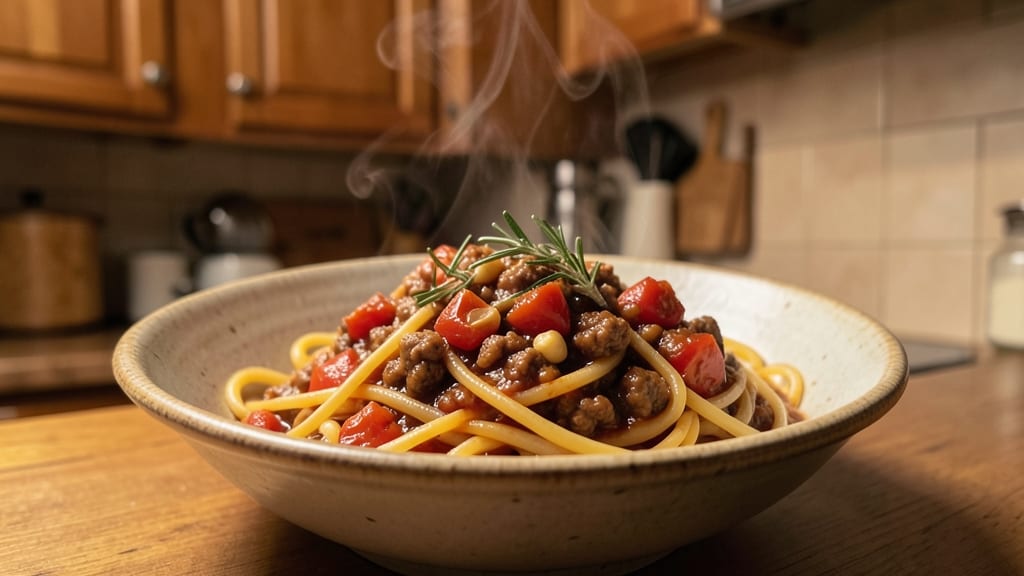
This Barilla Bolognese sauce recipe delivers the deep, slow-simmered richness that transforms simple pasta into an Italian masterpiece. The secret lies in a precise balance of ground meat, tomatoes, and aromatic herbs that develop complex umami flavors over hours of gentle cooking.
I've perfected this version to ensure every spoonful delivers that signature velvety texture and bold, savory depth that pairs flawlessly with Barilla's al dente pasta.
The foundation begins with quality ground beef and pork, browned thoroughly to build deep flavor before combining with wine, tomatoes, and a rich broth base. Fresh herbs like rosemary and thyme infuse the sauce with aromatic notes, while a touch of milk adds unexpected creaminess.
The slow simmering process—at least 2 hours—allows all the flavors to meld and intensify, creating that signature rich, meaty sauce that clings beautifully to pasta.
What sets this Bolognese apart is its perfect balance of acidity and richness, achieved through careful acid management with tomatoes and a splash of wine. The result is a sauce that's neither too heavy nor too light, with a texture that's luxuriously thick yet still silky.
This is the kind of sauce that elevates any pasta dish, making even weeknight dinners feel like a restaurant experience.
The beauty of this recipe is its versatility—it freezes beautifully for future meals and tastes even better the next day as flavors continue to develop. Whether you're serving it with Barilla's classic spaghetti or using it as a hearty base for lasagna, this sauce delivers restaurant-quality results at home.
Let's create this timeless Italian classic.
Ingredients for barilla bolognese sauce
Quality ingredients transform simple pantry staples into restaurant-worthy Bolognese sauce.
| Ingredient | Amount | Notes |
|---|---|---|
| Ground Beef (Chuck Roast) 🥩 | 1 ½ lb | 80% lean, finely ground |
| Ground Pork 🐖 | ¾ lb | Finely ground for even texture |
| Dry Red Wine 🍷 | ½ cup | Bold Cabernet Sauvignon preferred |
| San Marzano Crushed Tomatoes 🍅 | 2 cups | High-quality, low-acid |
| Beef Broth 💧 | 2 cups | Homemade or high-quality store-bought |
| Whole Milk 🥛 | ¼ cup | Full-fat for creaminess |
| Fresh Rosemary 🌿 | 1 tbsp | Finely chopped, fresh preferred |
| Fresh Thyme 🌿 | 1 tbsp | Leaves only, finely chopped |
| Garlic Cloves 🧄 | 4 cloves | Minced, fresh preferred |
| Extra-Virgin Olive Oil 🫒 | 2 tbsp | For initial browning |
| Tomato Paste 🍅 | ½ cup | High-quality, smooth |
| Diamond Crystal Kosher Salt 🧂 | 1 ½ tsp | Adjust to taste |
| Freshly Ground Black Pepper 🌶️ | ½ tsp | Freshly cracked preferred |
The meat blend is non-negotiable for authentic flavor. Chuck roast ground beef delivers deep umami, while finely ground pork adds richness. Costco or local butchers often carry pre-ground chuck at better prices than grocery stores, and look for packages labeled 80% lean or higher. Fresh herbs make all the difference—Trader Joe's carries excellent rosemary and thyme bundles, or grab them from the produce section. If you're using dried herbs, reduce to one-third the amount, but fresh is ideal for that aromatic depth. The San Marzano tomatoes are worth the investment; their natural sweetness and low acidity balance the wine perfectly.
No red wine? Dry white wine or additional beef broth works in a pinch, though the color will differ. Substituting pork with extra ground beef or Italian sausage keeps the flavor profile intact. For the tomato paste, squeeze tubes from Trader Joe's are perfect—no waste, and they keep for months. If you're short on time, pre-minced garlic from the refrigerated section saves steps, though fresh minced has better flavor. The milk adds creaminess without making the sauce heavy; whole milk is essential—skim or almond milk won't deliver the same texture. For a vegetarian version, swap the meat for lentils or mushrooms, but the flavor will shift noticeably.
This sauce tastes even better the next day as flavors meld. Store in an airtight container in the fridge for up to 5 days, or freeze for 3 months—portion into 1-cup servings for easy reheating. To reheat, add a splash of broth or water to prevent drying. The sauce thickens as it cools, so you may need to thin it slightly with broth when reheating. For meal prep, make a double batch—lasagna or stuffed shells become effortless with this base. Always taste before serving; the salt and pepper can usually be adjusted at the end.
Why You'll Love This Recipe
- One-Pan Magic: I swear by this recipe—just brown the meat, deglaze with wine, and let it simmer. No chopping, no fuss, and the beef broth turns rich without extra pots.
- Wine-Infused Depth: That splash of dry red wine? It’s the secret weapon—cuts through the richness while building layers of earthy, savory flavor. The San Marzano tomatoes make it taste like a restaurant dish.
- Leftovers That Beg for More: This sauce only gets better the next day. I make a big batch, freeze half, and still crave seconds from the fresh pot. (Yes, even on a Tuesday night.)
- Budget-Friendly Feast: Ground chuck and pork stretch far, and beef broth adds depth without breaking the bank. Honestly, it’s my go-to when I need to feed a crowd without stressing.
Step-by-step instructions for Barilla Bolognese sauce
Master this Italian classic with precision timing and flavor-building techniques.
Brown the Meat for Deep Flavor
Heat a large Dutch oven over medium-high heat and add the 2 tablespoons extra-virgin olive oil. Once shimmering, add the 1.5 pounds ground beef (chuck roast) and 0.75 pound ground pork in batches—don't overcrowd the pan. Let each batch brown undisturbed for 4-5 minutes until deeply browned on all sides.
This browning creates the Maillard reaction that forms the sauce's rich, umami foundation. Break the meat into small pieces with a wooden spoon as it cooks. Once fully browned, transfer the meat to a plate and set aside, leaving all the rendered fat in the pot.
Sauté Aromatics and Deglaze
In the same Dutch oven, reduce heat to medium and add the 4 minced garlic cloves, 1 tablespoon fresh rosemary, and 1 tablespoon fresh thyme. Sauté for 1-2 minutes until fragrant but not browned—burnt garlic will make the sauce bitter.
Pour in the 0.5 cup dry red wine and scrape up all the browned bits from the bottom of the pot using a wooden spoon. This deglazing captures all the flavor locked in those bits. Let the wine simmer for 3-4 minutes until reduced by half.
Build the Sauce Base
Stir in the 0.5 cup tomato paste and cook for 1 minute to toast the flavors. Add the 2 cups San Marzano crushed tomatoes and 2 cups beef broth, stirring well to combine. Bring to a gentle simmer, then reduce heat to low.
Return the browned meat to the pot and add the 1.5 teaspoons Diamond Crystal kosher salt and 0.5 teaspoon freshly ground black pepper. Partially cover and let the sauce simmer gently for 1 hour, stirring occasionally. This slow cook time allows all the flavors to meld and develop depth.
Finish with Creaminess
After 1 hour, stir in the 0.25 cup whole milk and continue simmering uncovered for another 20-30 minutes until the sauce has thickened to a rich, coatable consistency. The milk adds subtle creaminess without overpowering the meaty flavors.
Taste and adjust seasoning if needed. The sauce should be rich, balanced, and perfectly seasoned. For best results, let the sauce rest for 15 minutes before serving over Barilla pasta to allow the flavors to fully develop.
Pro Tips For Making Barilla Bolognese Sauce
- Brown the Meat Low and Slow: Start with a cold pan—no need to rush the oil. Let the ground beef and pork sizzle gently for 8-10 minutes, stirring occasionally, until they’re deeply browned but not crispy. I used to crank the heat too high, and the meat would steam instead of develop that rich, caramelized flavor. Patience here makes the sauce taste like it simmered all day.
- Deglaze with Wine Immediately: As soon as you remove the meat, pour in that dry red wine without waiting. Let it bubble and reduce by half before adding anything else—this pulls all the browned bits from the pan, which are packed with flavor. Skipping this step means losing half the depth of your sauce, and nobody wants that.
- Use Whole San Marzano Tomatoes: If you’re using crushed tomatoes, skip the can and open a whole San Marzano instead. Smash them by hand with a wooden spoon—this keeps the texture chunkier and prevents the sauce from turning mushy. I tried blending mine once, and it lost that rustic, handmade quality I love in Bolognese.
- Simmer Longer Than You Think: This isn’t a 30-minute sauce—plan for at least 2 hours of low simmering. The wine and tomatoes need time to meld, and the beef broth should reduce until it coats the back of a spoon. After burning one batch by rushing it, I now set a timer and let it do its thing. The longer it cooks, the richer it gets.
Troubleshooting this dish
Sauce Too Thin?
If your Bolognese sauce is too thin after simmering, don’t panic—it’s an easy fix. The sauce thickens as it cools, but if it’s still too runny, let it reduce uncovered over low heat for an extra 15-20 minutes, stirring occasionally.
For a quicker fix, mix 1 tablespoon tomato paste with 1 tablespoon water, stir into the sauce, and simmer for 5 minutes. Avoid adding flour or cornstarch—it can make the sauce taste flat. 🔥
Sauce Too Thick?
A thick Bolognese sauce is ideal, but if it’s too thick, thin it with warm beef broth or water, 1 tablespoon at a time, until it reaches a smooth, coatable consistency. Stir well and let it simmer for 2-3 minutes to blend.
Adding the milk at the end (as in the recipe) helps balance thickness, but if you skipped it, a splash of broth is your best friend. Never rush this—thickening is better than thinning!
Meat Not Cooked Through?
If your ground meat still has pink spots after browning, it’s not fully cooked. Break the meat into smaller pieces with a wooden spoon and cook it uncovered over medium heat for an extra 5 minutes, stirring constantly.
Use a meat thermometer to check—it should reach 160°F internally. Overcrowding the pan is the usual culprit, so cook in small batches next time for even browning. 🌡️
Sauce Tastes Bland?
Bland sauce usually means under-seasoning or insufficient browning. First, check if the meat was fully browned—this builds deep flavor. If it’s still bland, boost umami by adding 1 teaspoon soy sauce or ½ teaspoon fish sauce (trust me, it works!).
For acidity, stir in 1 teaspoon balsamic vinegar or a pinch of red pepper flakes. Let the sauce rest for 10 minutes before tasting—flavors develop as it cools.
Wine Smell Lingers?
If your sauce still tastes like raw wine, it didn’t reduce enough. After adding the wine, simmer it until it’s completely evaporated (about 5-7 minutes). If you’re in a hurry, deglaze with 1 tablespoon balsamic vinegar instead—it mimics wine’s acidity without the alcohol.
For extra depth, add ½ teaspoon Worcestershire sauce after the wine reduces. The key is patience—don’t rush this step!
Sauce Separates or Looks Oily?
Separation happens when fat rises to the top or proteins coagulate. To fix it, whisk the sauce vigorously over low heat for 2-3 minutes to re-emulsify. If it’s still oily, skim off excess fat with a spoon.
For prevention, avoid stirring too aggressively while simmering—gentle, occasional stirring keeps everything smooth. A splash of warm milk at the end can also help bind the sauce. 💫
Nutrition facts
Frequently asked questions about Barilla Bolognese sauce
Can I make this Bolognese sauce without wine?
Yes! For a non-alcoholic version, substitute the ½ cup dry red wine with ½ cup beef broth or 1 tablespoon balsamic vinegar plus ¼ cup broth. The acidity helps balance flavors, though the sauce will have a slightly different depth. For extra umami, add ½ teaspoon Worcestershire sauce after the broth.
How long can I store leftover Bolognese sauce?
Store in an airtight container in the fridge for up to 5 days, or freeze for 3 months for maximum freshness. Portion into 1-cup servings before freezing to make reheating easier. Thaw overnight in the fridge, then reheat gently with a splash of broth to restore texture. The sauce tastes even better the next day as flavors meld!
Why does my Bolognese sauce taste different from restaurant versions?
Restaurant Bolognese often uses pork shoulder or veal instead of ground meat, and simmers for 4+ hours to develop deeper flavor. For home cooking, focus on browning the meat thoroughly and simmering slowly—this builds richness. The milk at the end adds creaminess, while high-quality tomatoes and wine create that signature balance. Patience is key!
Can I use this sauce for dishes other than pasta?
This rich Bolognese works perfectly for lasagna layers, stuffed shells, or as a filling for meatball subs. For pizza sauce, thin it slightly with broth. The sauce also pairs beautifully with polenta or mashed potatoes as a hearty topping. Just adjust cooking times—thicker applications may need extra simmering.
What’s the secret to the perfect Bolognese texture?
The magic lies in slow simmering and proper fat management. Let the sauce cook uncovered for the final 20-30 minutes to reduce naturally, and avoid stirring too aggressively. The milk at the end adds silkiness, while skimming excess fat keeps it velvety. For extra richness, stir in 1 tablespoon butter at the end. Texture improves as it rests!