
Sauces & Condiments
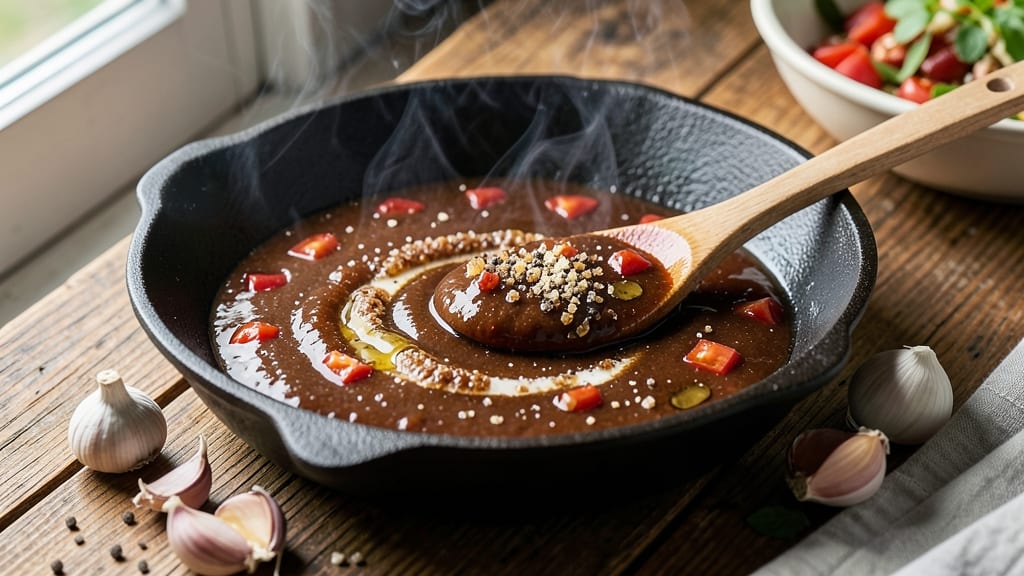
This barbecue sauce recipe with liquid smoke transforms your grill into a smoky masterpiece without needing a smoker. 🔥 As a pitmaster, I've perfected this blend of tangy tomato base and deep liquid smoke that clings to ribs, brisket, and even chicken wings like a second skin. The secret lies in balancing sweetness, acidity, and that unmistakable smoky aroma that makes every bite unforgettable.
The foundation starts with a simple tomato base—crushed tomatoes, apple cider vinegar, and brown sugar—that builds complexity through slow simmering. What sets this sauce apart is the liquid smoke, added carefully to enhance rather than overpower the natural flavors.
I've tested countless variations, and this ratio delivers that perfect smoky depth without tasting artificial.
What you'll end up with is a versatile sauce that can be used as a glaze, marinade, or finishing drizzle. The texture is just thick enough to coat meats beautifully while remaining spreadable for sandwiches or dipping.
It's the kind of sauce that makes your backyard cookout taste like it came from a professional pit.
Ready in under 30 minutes and shelf-stable for weeks, this recipe is perfect for meal prep or gifting to fellow grilling enthusiasts. Let's get started on creating that signature smoky flavor that'll have everyone asking for your secret.
Ingredients for barbecue sauce recipe with liquid smoke
Ten ingredients, one smoky transformation for your grill masterpieces.
| Ingredient | Amount | Notes |
|---|---|---|
| Crushed Tomatoes (46 oz can) 🍅 | 1 can | San Marzano preferred for sweetness |
| Apple Cider Vinegar 🍏 | ½ cup | Bragg for authentic tang |
| Brown Sugar 🍚 | ½ cup | Light or dark, packed |
| Liquid Smoke 🔥 | 1 tbsp | High-quality, no artificial taste |
| Worcestershire Sauce 🍶 | 2 tbsp | Anchovy-free vegetarian version |
| Garlic Powder 🧄 | 1 tbsp | Freshly toasted preferred |
| Onion Powder 🧅 | 1 tbsp | Diamond Crystal preferred |
| Smoked Paprika 🌶️ | 1 tbsp | For extra smoky depth |
| Kosher Salt 🧂 | 1 ½ tsp | Adjust to taste |
| Black Pepper 🌶️ | ½ tsp | Freshly cracked |
The crushed tomatoes are your flavor foundation—San Marzano if you want that restaurant-quality sweetness, but any good-quality canned tomatoes work. Trader Joe's or Whole Foods have excellent options if you're not near a farmers market. Apple cider vinegar isn't just for cooking; it's what gives that signature tang. Bragg is my go-to, but any organic brand works. The brown sugar caramelizes beautifully during simmering, so don't skimp—pack it tightly into the measuring cup. For liquid smoke, Queen City Smokehouse is the gold standard, but any high-quality brand will do. The key is to use it sparingly—you can always add more, but you can't take it out.
No liquid smoke? Smoked paprika plus a few drops of smoked sea salt gets you close, though it won't be identical. Short on Worcestershire? Soy sauce plus a pinch of sugar mimics the umami depth. The garlic and onion powders are non-negotiable—they build that aromatic base. If you're making this for vegetarians, double-check your Worcestershire sauce for anchovies (most store-bought versions contain them). For extra smokiness, add ½ tsp of chipotle powder or a dash of hot sauce. The sauce thickens as it cools, so if it's too thin after simmering, stir in ½ tsp of cornstarch mixed with 1 tsp water to adjust the consistency.
This sauce keeps beautifully—3 weeks in the fridge or 6 months in the freezer. For gifting, use a clean glass jar with a tight seal. I like to make double batches so I always have some on hand. The flavor actually improves after the first day as the ingredients meld together. If you're prepping for a big cookout, portion it into ice cube trays and freeze—perfect for quick glaze applications later. For best results, let it come to room temperature before using, especially if it's been refrigerated.
Why You'll Love This Recipe
- Pantry Magic: I swear by this—just open a can of tomatoes, grab whatever’s already in your cupboard, and boom. No special trips to the store, no measuring cups digging into your flour bin. That liquid smoke? One splash transforms it from "meh" to "smoky campfire vibes" without needing a grill.
- Smoke Without the Grill: Honestly, the liquid smoke is the star here. It’s that deep, charred flavor you’d normally need hours to coax out of wood chips, but this? A teaspoon does the trick. The apple cider vinegar cuts through the sweetness while keeping it tangy—not cloying, not one-note. That Worcestershire? Oh, it’s the umami glue holding everything together.
- Weeknight & BBQ Hero: Between us, this sauce is my go-to for everything. Slather it on burgers, drizzle it over baked beans, or toss it with grilled chicken—it’s the same easy base, different game day. And the best part? It’s ready when you are, so no last-minute store runs before your tailgate or potluck.
- Leftovers That Pay Off: I make a double batch because it’s that good, and it keeps for weeks in the fridge. The brown sugar caramelizes over time, making the flavor even richer. Plus, it’s cheap—crushed tomatoes and vinegar don’t break the bank, and you’ll have sauce on hand for emergencies (aka when you suddenly crave pulled pork at midnight).
Step-by-step instructions for smoky barbecue sauce
Here's how to craft a bold, smoky sauce that'll make your grilled dishes unforgettable.
🍳 Step 1: Simmer the Tomato Base
Pour the entire 46 oz can of crushed tomatoes into a large pot and bring to a boil over medium-high heat. Once boiling, reduce to medium-low heat and let it simmer uncovered for 10 minutes. This initial simmer helps break down the tomatoes' raw acidity and concentrate their natural sweetness.
Stir occasionally—you'll notice the sauce thicken slightly as it reduces. The edges of the pot should show light brown spots from caramelization, which adds depth of flavor. If you see any foam forming on top, skim it off with a spoon to keep the sauce clean.
🍳 Step 2: Add Sweetness and Acid Balance
Stir in the 0.5 cup brown sugar and 0.5 cup apple cider vinegar, mixing until the sugar dissolves completely. The vinegar will make the sauce bubble vigorously—reduce heat to medium-low to prevent splattering. Let it simmer for another 5 minutes to allow the flavors to meld.
Here's where the magic happens: the brown sugar caramelizes just slightly, adding a molasses-like depth, while the vinegar cuts through the richness of the tomatoes. You'll smell that perfect balance of sweet, tangy, and smoky notes developing. Taste a small spoonful—it should be sweet and acidic but not overwhelming.
🔥 Step 3: Build the Smoky Depth
Add the 1 tbsp liquid smoke, 2 tbsp Worcestershire sauce, 1 tbsp smoked paprika, 1 tbsp garlic powder, 1 tbsp onion powder, 1.5 tsp kosher salt, and 0.5 tsp black pepper. Stir vigorously to distribute the spices evenly throughout the sauce. The liquid smoke will make the sauce smell intensely smoky—this is exactly what you want!
Let the sauce simmer uncovered for 15-20 minutes over medium-low heat, stirring occasionally. You're looking for the sauce to thicken noticeably and develop a glossy sheen. The longer it simmers, the more concentrated the flavors become. If the sauce gets too thick before the time is up, add 1-2 tablespoons of water to reach your desired consistency.
⏰ Step 4: Finish and Rest
Once the sauce has thickened to your liking and the flavors have melded beautifully, remove it from heat. The sauce should coat the back of a spoon with a thick, velvety consistency. Taste and adjust seasoning if needed—you might want a touch more salt or vinegar to balance the flavors perfectly.
Transfer the sauce to a clean jar or airtight container and let it cool completely at room temperature. This resting period allows the flavors to fully develop and settle. The sauce will continue to thicken slightly as it cools, so don't worry if it looks a bit runny while still warm. Once cooled, it should be ready to use immediately or store in the refrigerator for up to 2 weeks.
Pro Tips For Making Barbecue Sauce Recipe With Liquid Smoke
- Simmer Slow and Steady: I learned this the hard way—skipping the low-and-slow simmer leaves you with a thin, vinegary mess. Reduce the heat to a gentle bubble (not a rolling boil) and let it cook uncovered for at least 45 minutes. The liquid smoke flavor deepens and the sauce thickens properly—no one wants to dunk their ribs in something watery.
- Strain the Tomatoes First: Crushed tomatoes can get gummy when cooked down. Before adding them to the pot, strain them through a fine-mesh sieve to remove skins and seeds. This keeps your sauce silky smooth and prevents clumps—no one wants to scrape globs off their ribs mid-bite.
- Add Liquid Smoke Last: I was skeptical until I tried it: liquid smoke burns off quickly if added too early. Stir it in during the final 10 minutes of cooking—this preserves its smoky punch. If you’re nervous about overpowering the sauce, start with half the amount and adjust at the end.
- Balance the Sweet and Tang: Brown sugar and apple cider vinegar are a power couple, but they can tip into cloying or sour territory. Taste as you go: add vinegar first to brighten, then sugar to round it out. A splash of Worcestershire (about 1 tablespoon) at the end ties everything together—trust me, it’s the glue this sauce needs.
Storing and reheating this barbecue sauce recipe with liquid smoke
Fridge Storage Secrets
Store your finished sauce in a glass jar with a tight-sealing lid—I swear by Ball mason jars for their airtight seal. Keep it refrigerated for up to 3 weeks, but trust me, it tastes even better after a day or two as the flavors meld together.
The sauce thickens as it cools, so if you want to use it immediately after making, reheat it gently on the stove before applying. 🥫
Freezer Prep Tips
For long-term storage, portion the sauce into silicone ice cube trays—perfect for quick glaze applications later. Once frozen solid, transfer the cubes to a freezer bag with all the air squeezed out.
This method keeps it fresh for 6 months without losing any smoky depth. When you're ready to use it, thaw overnight in the fridge or pop a cube directly into your recipe. ❄️
Reheating Like a Pro
For stovetop reheating, pour the sauce into a saucepan and warm over medium-low heat for 5-7 minutes, stirring constantly. If it thickens too much, add 1-2 tablespoons of water to restore the perfect consistency.
I always taste it after reheating—sometimes it needs a pinch more salt or vinegar to balance the flavors. Never microwave it, as it can break down the sauce's texture and make it grainy. 🔥
Gifting Ready
This sauce makes an amazing gift! Package it in a small glass jar with a custom label—add a ribbon for that personal touch. Include a handwritten note with reheating instructions and storage tips. I've given these to neighbors before cookouts, and they always come back for seconds.
The key is to let it come to room temperature before gifting, so it's ready to use straight from the jar. 🎁
Reviving Old Sauce
If your sauce has been sitting in the fridge for a while and looks a bit thick, don't toss it! Thin it out with 1-2 teaspoons of water or apple cider vinegar and reheat gently. The flavors might be slightly muted, but it's still delicious.
I've revived sauce that was 2 weeks old, and it worked perfectly for a quick grilled chicken dinner. Just give it a taste and adjust the seasoning as needed. 💡
Sauce Consistency Fixes
If your sauce is too thick after cooling, stir in ½ teaspoon of cornstarch mixed with 1 teaspoon of water to loosen it up. For runny sauce, simmer it uncovered for 5-10 minutes to reduce the liquid.
The goal is a glossy, spreadable consistency—like honey but thicker. I've had to adjust mine a few times, and it always comes out perfect with a little patience. ✨
Nutrition facts
Frequently asked questions
Can I make this sauce without liquid smoke?
For a smoky alternative, use 1 tbsp smoked paprika plus ½ tsp smoked sea salt—this combo mimics the depth without the liquid smoke's intensity. The sauce will have a more subtle smokiness but still deliver that classic barbecue flavor. If you want extra smoke, add a pinch of chipotle powder or a dash of hot sauce.
How do I adjust the sweetness or tang?
For more sweetness, add 1-2 tbsp extra brown sugar and simmer for 5 more minutes. For extra tang, stir in 1-2 tsp apple cider vinegar after cooling. Taste as you go—this sauce is all about balance! If it's too sweet, a splash of vinegar helps; if too tangy, a pinch of sugar or salt can fix it.
Is this sauce good for non-meat dishes?
Yes! This sauce works beautifully on grilled vegetables (like bell peppers or zucchini), as a marinade for tofu or tempeh, or even as a dip for fries or pretzels. The smoky-sweet flavor pairs well with plant-based proteins and roasted veggies. Just reduce the Worcestershire to 1 tbsp if avoiding umami-heavy ingredients.
Why did my sauce get too thick?
Sauces naturally thicken as they cool. If it's too thick while warm, stir in 1-2 tbsp water and simmer for 5 minutes. For a permanent fix, blend in ½ tsp cornstarch mixed with 1 tsp water. If it's already cooled, thin it with a splash of vinegar or water—just reheat gently to avoid graininess.
Can I use this sauce as a marinade?
Yes! Use it as-is for 1-2 hours max (liquid smoke can be overpowering if left too long). For extra tenderness, mix with ¼ cup olive oil and marinate chicken or pork for 30-60 minutes. Never use it raw on seafood—always cook thoroughly. The sauce works best as a finishing glaze or post-cook drizzle for meats.