
Sauces & Condiments
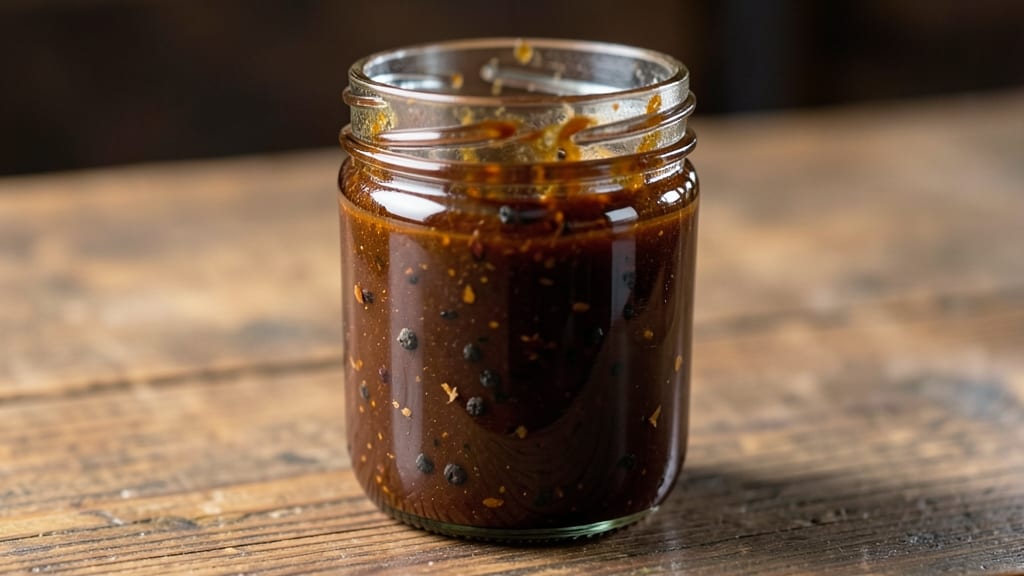
This authentic Worcestershire sauce recipe delivers the bold, fermented depth that makes it a kitchen essential. 🌟 The original 1835 recipe relied on tamarind, molasses, vinegar, and fermented anchovies to create its signature umami complexity—something no store-bought version can match.
What sets this apart is the careful balance of acidity, sweetness, and savory depth that develops over time, transforming simple ingredients into a condiment that elevates everything from steak sauce to Bloody Marys.
The process combines traditional techniques with modern convenience: you'll ferment anchovies and garlic in vinegar for 24 hours to extract their flavor, then simmer the mixture with tamarind paste, molasses, and spices until it thickens into a glossy, aromatic sauce.
This isn't an instant product—it requires patience, but the reward is a sauce with layers of flavor that build with each use. The tamarind provides the signature tang, while the anchovies contribute that unmistakable umami punch that defines Worcestershire.
What you'll end up with is a rich, dark sauce with a perfect balance of sweet, sour, and salty notes—intense enough to stand alone but versatile enough to enhance any dish.
The fermentation process creates depth that commercial versions can't replicate, making this the ultimate pantry staple for home cooks who demand authenticity. Whether you're using it to glaze a steak, mix into marinades, or stir into cocktails, this sauce will transform your cooking.
Store it in a cool, dark place for up to 6 months, and watch its flavor evolve and deepen over time. This is the kind of condiment that becomes irreplaceable once you've experienced its full potential. Let's get started on making your own.
Ingredients for authentic worcestershire sauce
Fermented depth meets bold umami in this sauce's transformative ingredient lineup.
| Ingredient | Amount | Notes |
|---|---|---|
| Anchovy Fillets 🐟 | 8 oz | Canned, high-quality preferred |
| Garlic Cloves 🧄 | 6 whole | Fresh, peeled, smashed |
| White Vinegar 💧 | 1 cup | Distilled or apple cider |
| Tamarind Paste 🍈 | ½ cup | Unadulterated, block preferred |
| Molasses 🍯 | ¼ cup | Unsulphured, dark variety |
| Cloves 🌿 | 4 whole | Whole, lightly crushed |
| Black Peppercorns 🌶️ | 1 tsp | Freshly cracked, coarse |
| Ground Ginger 🌿 | 1 tsp | Freshly ground preferred |
| Salt 🧂 | 1 ½ tsp | Diamond Crystal preferred |
| Sugar 🍚 | 1 tbsp | White granulated |
| Shallots 🧅 | 2 whole | Small, peeled, minced |
Anchovies and garlic are the sauce's soul. High-quality canned anchovies from Italian markets or Trader Joe's make all the difference—they should be packed in oil, not saltwater. The tamarind? Block form from Asian grocery stores is essential for authentic tang; paste versions often contain fillers. For molasses, unsulphured dark delivers the richest depth—Goya brand is reliable. The vinegar needs to be distilled or apple cider—white vinegar with additives will ruin the balance. Shallots add nuance that onions can't match, so don't skip them.
No anchovies? Miso paste at half the amount mimics umami, though it won't replicate the fermented complexity. Short on tamarind? Lime juice plus a pinch of citric acid can approximate the tang, but it won't develop the same depth. For garlic, garlic powder at one-third the amount works in a pinch, though fresh is non-negotiable for authenticity. The cloves and peppercorns should be lightly crushed—not powdered—to distribute flavor evenly. If you can't find whole cloves, ground clove at half the amount is better than skipping them entirely. The sugar balances acidity, but honey or maple syrup can substitute if you prefer.
Ferment the anchovy mixture in an airtight jar for 24 hours at room temperature before simmering—this step builds the sauce's signature depth. Once blended, store in a sterilized glass bottle in a cool, dark place for up to 6 months. The flavor actually improves with age, so make extra. If you see mold after fermentation, toss it—no compromise on safety. For best results, use within 3 months of making the sauce, as the fermentation process continues to evolve its complexity over time.
Why You'll Love This Recipe
- No Chopping Needed: I swear, this sauce comes together with just a quick soak and a simmer. The anchovies dissolve right into the vinegar, and the garlic? Just mash it—no mincing required.
- Umami Bomb: That first taste of the tamarind and molasses hitting your tongue? Pure magic. It’s tangy, sweet, and salty all at once—like a secret weapon for any dish.
- Pantry Staple Power: Between us, this stuff lasts forever in the fridge. I’ve had a bottle of it for months, and it still transforms grilled meats, marinades, and even Bloody Marys.
- Budget Magic: A few anchovies and a spoonful of molasses stretch into a whole bottle. Honestly, it’s one of the most cost-effective flavor upgrades I’ve ever made—no fancy ingredients, just big results.
Step-by-step instructions for authentic Worcestershire sauce
Here's how to craft this fermented umami powerhouse—just like the original.
🍳 Step 1: Build the Fermented Base
In a clean, sterilized 1-quart jar, combine the 8 oz anchovy fillets, 6 smashed garlic cloves, 2 minced shallots, and 4 lightly crushed cloves. The anchovies should be packed tightly—they're the flavor backbone. Add the 1 cup white vinegar and 0.5 cup tamarind paste, stirring until fully incorporated.
This combination creates the perfect balance of salty, tangy, and fermented complexity. The tamarind paste adds that signature sour depth, while the anchovies provide their signature umami punch. Pack everything down firmly to eliminate air pockets—oxygen is the enemy of proper fermentation.
🔥 Step 2: Simmer the Molasses Mixture
In a small saucepan, combine the 0.25 cup molasses, 1 tbsp sugar, 1.5 tsp salt, 1 tsp ground ginger, and 1 tsp cracked black peppercorns with ½ cup water. Bring to a gentle boil over medium heat, then reduce to a simmer for 5 minutes until slightly thickened and aromatic.
This spiced molasses mixture will become the sauce's sweet-savory foundation. You'll notice the spices dissolve completely, creating a fragrant syrup that will blend seamlessly with the fermented base. Let this cool completely before combining with the jar contents—hot liquids can shock the fermentation process.
🥘 Step 3: Combine and Ferment
Pour the cooled molasses mixture into the jar with the anchovy-vinegar blend, stirring gently to combine. The sauce should have a thick, syrupy consistency with visible anchovy bits. Seal the jar tightly and let it ferment at room temperature for 2-3 days, stirring daily to help distribute flavors.
You'll notice bubbles forming and a slight effervescence—this is the fermentation working its magic. The sauce should develop a complex aroma with notes of vinegar, molasses, and a deep umami richness. After 3 days, transfer the jar to the refrigerator where it will continue fermenting slowly, developing even more depth over 2-4 weeks.
⏰ Step 4: Strain and Age to Perfection
After 2 weeks of refrigerated aging, strain the sauce through a fine-mesh sieve into a clean jar, pressing gently on the solids to extract maximum flavor. The strained sauce should be deep amber with a rich, complex aroma. Let it age in the refrigerator for another 2-4 weeks—this is where the true depth of flavor develops.
Here's the thing—patience pays off. The longer it ages, the more complex the flavor profile becomes. Taste after 3 weeks and again after 4 weeks—you'll notice the balance between sweet, salty, tangy, and umami evolve beautifully. Once it reaches your desired flavor intensity, it's ready to use or bottle for storage.
Pro Tips For Making Authentic Worcestershire Sauce
- Soak Anchovies First: Toss those anchovy fillets in warm white vinegar for 10 minutes before crushing—it softens the bones and keeps them from turning to grit in your sauce. I learned this the hard way after straining out a sieve full of anchovy dust.
- Mince Garlic Like Mad: Skip the press—finely mince your garlic with a knife instead. The tiny pieces dissolve better into the vinegar base, giving you that deep, even flavor instead of clumps that ruin the texture. (Yes, it takes 2 minutes longer, but it’s worth it.)
- Simmer Slow and Low: Reduce the heat to a bare simmer after adding the tamarind paste—anything hotter and you’ll burn the molasses before the flavors meld. I used to rush this, and the sauce always tasted bitter.
- Strain Twice, Strain Right: Use a fine-mesh sieve lined with damp cheesecloth for the first strain, then press the pulp with a spoon. Run it through a second sieve for a silky finish—no anchovy bits, no excuses. (Your future Bloody Marys will thank you.)
Flavor customization for this authentic worcestershire sauce
Sweet-Savory Balance
Adjust the molasses-to-tamarind ratio to control sweetness and tang. For a sweeter profile, increase molasses by 1 tbsp—this works beautifully in glazes for ribs or barbecue. Need more tang? Add 1 extra tbsp tamarind paste or ½ tsp citric acid for a sharper kick.
I've found that 1:1 ratio of molasses to tamarind gives the classic balance, but don't be afraid to experiment! 🍯
Umami Boosters
Want to intensify the umami? Swap 2 oz of anchovies for 1 tbsp fish sauce or 1 tbsp soy sauce—this adds depth without altering the texture.
For a vegetarian version, replace anchovies with 2 tbsp miso paste (white or red) and 1 tbsp nutritional yeast, though the flavor won't be identical. The key is fermenting the umami source with vinegar to develop complexity.
Spice Variations
Customize the heat and warmth by adjusting spices. For a smoky twist, add ½ tsp smoked paprika or ¼ tsp chipotle powder to the molasses mixture. Craving warmth? Increase ginger to 1.5 tsp or add ½ tsp cinnamon.
I love a pinch of cayenne (¼ tsp) for subtle heat—it disappears into the sauce beautifully. Always taste before bottling!
Fermentation Time
Short on time? Ferment the anchovy mixture for only 12 hours at room temperature before refrigerating—it'll still develop flavor, though less depth. For maximum complexity, extend fermentation to 5 days at room temperature before refrigerating.
The longer it ferments, the richer the sauce becomes. I've made batches that fermented 7 days—they had an almost wine-like depth! 🍷
Texture Adjustments
Prefer a smoother sauce? Strain it twice through a fine-mesh sieve and press the solids gently with a spoon. For a chunkier version (great for dipping sauces), leave some anchovy bits in.
Need it thicker? Simmer the strained sauce for 5 extra minutes to reduce. Too thin? Add 1 tsp cornstarch mixed with 1 tbsp water and simmer until thickened.
Flavor Layering
Add fresh herbs or citrus zest after fermentation for brightness. A pinch of fresh thyme or lemon zest brightens the sauce perfectly. For a tropical twist, stir in ½ tsp grated lime zest before bottling.
I love finishing with 1 tsp fresh basil just before using it on pasta—it adds a surprising freshness that balances the fermented depth. ✨
Nutrition facts
Frequently asked questions
Why does authentic Worcestershire sauce need fermentation?
Fermentation develops the sauce's signature depth by breaking down proteins and creating complex umami compounds. The 24-hour room-temperature fermentation with anchovies and vinegar extracts maximum flavor, while the 2-4 week refrigerated aging allows flavors to meld into a harmonious balance. Skipping this step results in a flat, one-dimensional sauce that lacks the rich complexity of the original.
Can I make this sauce without anchovies?
Yes, but the flavor will differ significantly. For umami depth, substitute with 2 tbsp miso paste or 1 tbsp fish sauce (though it won't replicate the fermented complexity). A vegetarian alternative uses 2 tbsp miso + 1 tbsp nutritional yeast, but expect a milder, less savory result. The anchovies are essential for authentic Worcestershire's unmistakable punch.
How do I know when the fermentation is complete?
Look for visual and aromatic cues: bubbles forming, a slight effervescence, and a complex aroma blending vinegar, molasses, and umami. After 3 days of room-temperature fermentation, transfer to the fridge where it continues developing. Taste after 2 weeks—it should balance sweet, salty, tangy, and savory notes. The longer it ages, the more complex it becomes.
What's the best way to store homemade Worcestershire sauce?
Use a sterilized glass bottle with an airtight seal and store in a cool, dark place (like a pantry). It keeps for up to 6 months, though flavor peaks at 2-3 months. Refrigeration extends shelf life to 1 year but may slow flavor development. Always check for mold before using—if you see any, discard immediately.
Can I use this sauce immediately after making it?
While you can use it after 2 weeks of aging, the flavor will be less developed. For best results, wait 3-4 weeks to let the fermentation fully mature. The sauce continues evolving in the bottle, so patience yields the most complex, balanced flavor. Think of it like wine—it improves with time!