
Sauces & Condiments
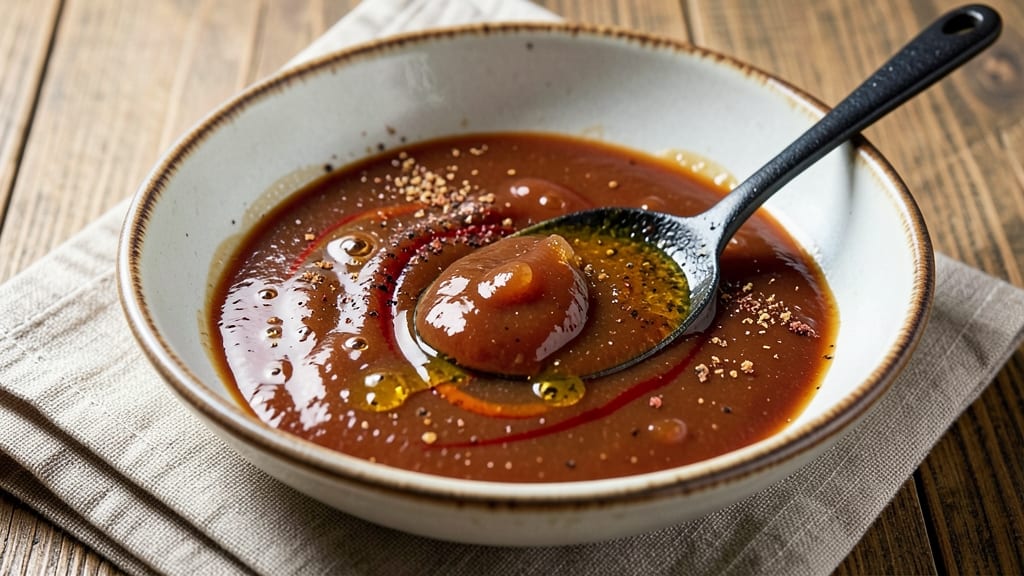
This barbecue sauce recipe transforms simple pantry staples into a bold, balanced glaze that rivals anything store-bought. 🔥 The magic lies in the perfect harmony of ketchup's tang, vinegar's brightness, and brown sugar's caramel depth—simmered just until thick and glossy.
I've been perfecting this formula for years, and it's become my go-to for grilling everything from ribs to chicken wings.
The foundation is straightforward: ketchup, apple cider vinegar, and brown sugar form the core, while spices like smoked paprika and mustard powder add complexity. The slow simmer reduces the sauce to a sticky, velvety consistency that clings perfectly to meat or vegetables.
What makes this recipe special is its versatility—adjust the sweetness by adding molasses or the heat with cayenne, depending on your preference.
What you'll end up with is a rich, aromatic sauce that's tangy yet sweet, with just the right amount of smokiness to enhance any grilled dish. The best part?
It keeps beautifully in the refrigerator for up to two weeks, so you can make a big batch and have it ready for your next cookout. This isn't just barbecue sauce—it's the backbone of every great smoked or grilled meal.
Whether you're slow-cooking ribs, basting chicken, or drizzling over baked beans, this sauce delivers restaurant-quality flavor with minimal effort. The key is patience—letting it simmer until it thickens just right ensures every bite is packed with that signature smoky-sweet taste. Let's get cooking!
Ingredients for barbecue sauce ketchup vinegar brown sugar
Pantry staples that transform into a bold, restaurant-quality glaze for grilling magic.
| Ingredient | Amount | Notes |
|---|---|---|
| Ketchup 🍅 | 1 cup | High-quality, no artificial flavors |
| Apple Cider Vinegar 🍏 | ½ cup | Unfiltered for depth of flavor |
| Light Brown Sugar 🍚 | ¾ cup | Packed firmly for accurate measure |
| Smoked Paprika 🌶️ | 2 tbsp | High-quality for smoky flavor |
| Mustard Powder 🌶️ | 1 tbsp | Yellow or Dijon for balanced heat |
| Garlic Powder 🧄 | 1 tsp | Freshly ground preferred |
| Ground Black Pepper 🌶️ | ½ tsp | Freshly cracked for best flavor |
| Salt 🧂 | 1 tsp | Diamond Crystal preferred |
| Molasses 🍯 | ¼ cup | Optional, for deeper sweetness |
| Cayenne Pepper 🔥 | ¼ tsp | Adjust for heat preference |
The ketchup is the foundation here—Heinz or Hunt's work perfectly, but avoid anything with artificial flavors. Apple cider vinegar adds that bright tang, and I always grab Bragg Organic if I'm at a natural foods store, though regular grocery store brands are fine. Brown sugar should be packed firmly—Domino or C&H are reliable. For smoked paprika, Penzeys or the bulk bins at Whole Foods give you the best flavor punch. The molasses is optional but adds that deeper caramel note that makes this sauce truly stand out—Grandma's or Goose Neck are my go-tos.
No molasses? Extra brown sugar works in a pinch, though it won't have that same depth. Short on vinegar? White vinegar or lemon juice can substitute, but the flavor will be slightly different. Mustard powder can be swapped for Dijon mustard (1 tbsp)—just thin with water if needed. The cayenne is where you can play—skip it for mild heat, or double it if you're feeling spicy. For a smokier profile, liquid smoke (1/4 tsp) adds intensity without altering the sauce's consistency. Always taste as you go—this sauce is meant to be adjusted to your taste.
This sauce keeps beautifully—2 weeks in the fridge in an airtight container. For longer storage, freeze in ice cube trays—6 months with no flavor loss. I make a big batch every summer and portion it into small jars so it's always ready for impromptu grilling. The flavors actually improve after a day or two as everything melds together. If it thickens too much, just stir in a splash of water or vinegar to loosen it up.
Why You'll Love This Recipe
- Five-Ingredient Magic: I swear by this combo—just ketchup, vinegar, brown sugar, and those two spices. No fancy gadgets, no last-minute grocery runs. Honestly, I’ve made it while my coffee brewed, and it still came out rich and smoky.
- Smoky-Sweet Obsession: That smoked paprika and mustard powder? They turn this into something way deeper than store-bought. The vinegar cuts through the sweetness, and the brown sugar caramelizes just enough to make it irresistible. (Yes, even on a Tuesday night.)
- Glaze, Dip, Sauce: Slather it on ribs, toss it in baked beans, or serve it with fries. I’ve even drizzled it over grilled chicken for a quick weeknight dinner. It’s the kind of sauce that doesn’t need a reason to exist—it just works.
- Leftovers That Last: A little goes a long way, and what doesn’t get used? It keeps for weeks in the fridge. I’ll be real: I’ve had a jar sitting in my pantry for months, and it’s still the first thing I reach for when I need flavor fast. Budget-friendly? Absolutely.
Step-by-step instructions for homemade barbecue sauce
This sauce brings together sweet, tangy, and smoky flavors—perfect for grilling or basting.
🍳 Step 1: Combine Wet Ingredients in a Saucepan
In a medium saucepan, pour in the 1 cup ketchup and 0.5 cup apple cider vinegar. Add the 0.75 cup light brown sugar (packed firmly) and 0.25 cup molasses, stirring until the sugar dissolves completely. The mixture should look thick and glossy—this ensures even flavor distribution later.
Here's the thing—don't rush the sugar. Stir over low heat for 2-3 minutes until fully incorporated. You'll see the sugar crystals disappear, leaving a smooth, syrupy base. This step prevents graininess in your final sauce and creates that perfect balance of sweetness and tang.
🔥 Step 2: Add Spices and Simmer for Depth
Reduce heat to medium-low and sprinkle in the 2 tbsp smoked paprika, 1 tbsp mustard powder, 1 tsp garlic powder, 0.5 tsp ground black pepper, 1 tsp salt, and 0.25 tsp cayenne pepper. Stir constantly for 5 minutes—this lets the spices bloom and infuse the sauce with their flavors.
Watch for bubbles forming along the edges of the pan. That's your signal the spices are activating. If the sauce starts to bubble too vigorously, reduce heat slightly. You want gentle simmering, not boiling—this prevents the sauce from becoming too thin or losing its complexity.
⏰ Step 3: Simmer Until Thickened
Continue simmering uncovered for 15-20 minutes, stirring occasionally. You're looking for the sauce to thicken noticeably—it should coat the back of a spoon and leave a slight trail when you run a finger through it. This takes patience, but it's worth it for that perfect consistency.
I know it seems like too long, but trust me. The longer it simmers, the more balanced the flavors become. If the sauce reduces too quickly, add 1-2 tablespoons of water to maintain the right texture. The goal is a sauce that's thick enough to cling to meats but still glossy enough to glaze.
🥘 Step 4: Cool and Adjust Seasoning
Remove the pan from heat and let the sauce cool for 10 minutes. This resting period allows the flavors to meld and the sauce to thicken further. Taste and adjust seasoning—add more salt if needed, or a pinch of cayenne pepper for extra heat.
Here's where it gets fun—taste as you go. The sauce should be sweet, tangy, and slightly smoky with a hint of heat. If it's too sweet, add a splash more apple cider vinegar. If it's too thin, simmer uncovered for another 5 minutes to reduce. The perfect sauce should be thick enough to coat the back of a spoon but still flow smoothly.
🔪 Step 5: Strain and Store for Maximum Flavor
For ultra-smooth sauce, strain it through a fine-mesh sieve into a clean jar. This removes any undissolved spices or sugar crystals. Let it cool completely before sealing. The sauce will continue thickening as it cools—this is normal and actually improves the texture.
Store in the refrigerator for up to 3 months or freeze for up to 6 months. The flavors deepen over time, making this sauce even better after a few days. When ready to use, reheat gently on the stovetop or in the microwave, stirring occasionally until warmed through. This homemade barbecue sauce is the perfect companion for grilled meats, baked beans, or even as a glaze for vegetables.
Pro Tips For Making Barbecue Sauce Ketchup Vinegar Brown Sugar
- Simmer Slow and Steady: I learned this the hard way—boiling this sauce too fast turns it thin and watery. Keep it at a gentle simmer (small bubbles, barely moving) for 15-20 minutes. You’re not making soup here; you’re building depth.
- Use Packed Brown Sugar: Light brown sugar compacts when scooped—tap your measuring cup to settle it before adding. Too much volume = clumpy, uneven sweetness. I used to eyeball it and wonder why my sauce tasted inconsistent.
- Balance Vinegar Gradually: Add apple cider vinegar in two batches: half at the start, half at the end. This prevents a harsh tang from overwhelming the ketchup’s richness. Taste as you go—you can always add more, but you can’t take it out.
- Toast the Spices First: Heat smoked paprika and mustard powder in a dry pan for 30 seconds until fragrant. This deepens their flavor way more than just stirring them in raw. (Yes, even if you’re impatient like me.)
Best sauces and condiments for this barbecue sauce ketchup vinegar brown sugar
Classic BBQ Sauce
This sauce is the perfect foundation for grilling—its balance of sweet, tangy, and smoky flavors makes it ideal for ribs, chicken, or pulled pork. The ketchup and vinegar create a bright acidity, while the brown sugar and molasses add depth.
I use this version for my signature smoked ribs, and it always gets rave reviews. The smoked paprika gives it that signature smoky kick without needing liquid smoke. 🔥
Spicy Kick
For heat lovers, double the cayenne pepper to 0.5 tsp and add 1 tsp chipotle powder for a smoky-spicy punch. This works amazingly on chicken wings or spicy pulled pork.
I first tried this after a wild herb foraging trip—adding a pinch of freshly dried habanero (if you're brave!) takes it to another level. Always taste as you go—adjust to your spice tolerance.
Sweet & Smoky
Swap the apple cider vinegar for 0.25 cup balsamic vinegar and add 1 tbsp coffee granules for a deeper, richer flavor. This version is perfect for slow-cooked brisket or beef ribs. The coffee adds a subtle earthiness that pairs beautifully with the caramelized sugars.
I discovered this combo while experimenting with coastal rides—local markets often have great small-batch vinegars that elevate the sauce even more.
Tangy & Zesty
For a brighter, more citrusy profile, reduce the brown sugar to 0.5 cup and add 2 tbsp lemon juice. This works wonderfully on grilled fish or shrimp. The extra acidity cuts through the richness of seafood beautifully.
I first made this version after a morning foraging—adding a pinch of fresh thyme from my garden gives it a fresh, herbal note that's perfect for summer grilling.
Dry Rub Pairing
My go-to dry rub for ribs includes 2 tbsp brown sugar, 1 tbsp smoked paprika, 1 tbsp garlic powder, 1 tsp onion powder, 1 tsp salt, and 0.5 tsp cayenne. This complements the sauce perfectly—the rub adds texture while the sauce provides moisture.
For chicken, I use a simpler rub with just 1 tbsp paprika, 1 tsp garlic powder, and 0.5 tsp salt. The sauce's sweetness balances the rub's heat beautifully.
Storage & Reheating
Store in an airtight container in the fridge for up to 3 months or freeze for 6 months. To reheat, warm gently on the stovetop over low heat for 2-3 minutes, stirring constantly to prevent scorching.
If it thickens too much, add 1-2 tablespoons of water or vinegar to restore the right consistency. I always make a big batch—it's perfect for meal prep and keeps my grill sessions stress-free. ✨
Nutrition facts
Frequently asked questions
Can I substitute white vinegar for apple cider vinegar?
Yes, you can use white vinegar in a pinch, but the flavor will be slightly different. Apple cider vinegar adds depth and a subtle fruity note that white vinegar lacks. If using white vinegar, increase the amount to 0.6 cup to compensate for its milder taste. For best results, stick with apple cider vinegar for that classic tang.
How do I adjust the sweetness or heat level?
For less sweetness, reduce the brown sugar to 0.5 cup and add 1 tbsp extra vinegar. For more heat, increase the cayenne to 0.5 tsp or add 1 tsp chipotle powder. Always taste as you go—this sauce is meant to be customized! Adjust gradually to avoid overpowering the flavors.
Why did my sauce turn out too thin?
If your sauce is too thin, simmer it uncovered for another 5-10 minutes to reduce further. If it still doesn’t thicken enough, mix 1 tbsp cornstarch with 2 tbsp cold water, stir into the sauce, and simmer for 2-3 minutes until it reaches the right consistency. Patience is key—rushing the simmering time often leads to a thinner sauce.
Can I make this sauce without molasses?
Skip the molasses and increase the brown sugar to 1 cup for a similar sweetness level. Molasses adds depth, but it’s not essential. If you love caramel notes, try adding 1 tbsp maple syrup instead. The sauce will still turn out delicious—just slightly less complex.
What’s the best way to reheat leftover sauce?
Reheat gently on the stovetop over low heat for 2-3 minutes, stirring constantly to prevent scorching. If it thickens too much, thin it with 1-2 tbsp water or vinegar. Avoid microwaving—it can make the sauce unevenly hot and alter the texture. For best results, reheat small portions at a time.