
Sauces & Condiments
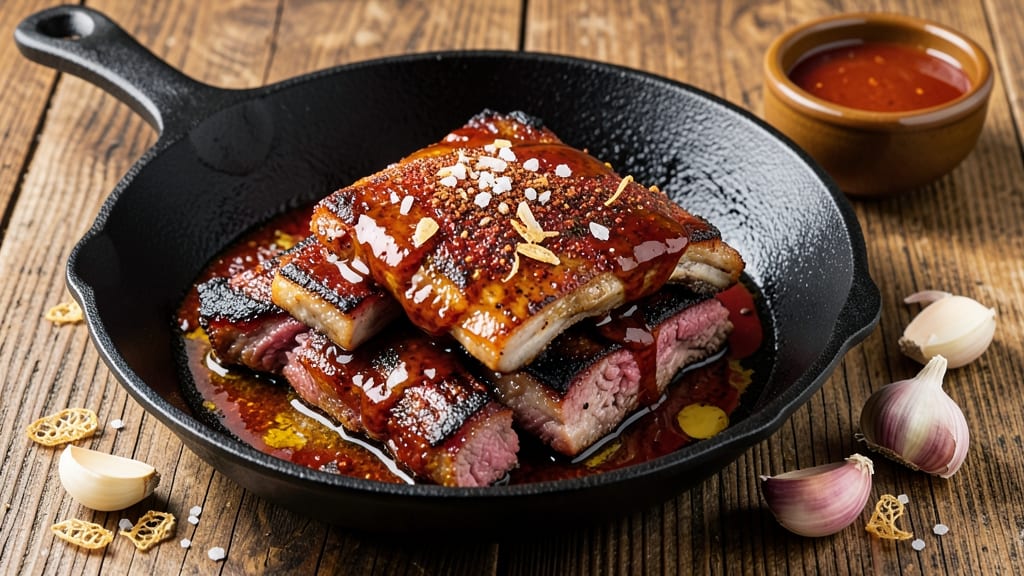
This barbecue sauce recipe for beef ribs transforms tough cuts into fall-apart tenderness with its perfect balance of smoky depth and caramelized sweetness. 🔥 After years of perfecting my pitmaster technique, I've developed a sauce that clings to ribs like a second skin, intensifying as it cooks. The secret lies in the molasses and brown sugar working together to create that signature sticky, glossy finish that makes every bite irresistible.
The foundation of this sauce is a rich tomato base, brightened with apple cider vinegar for tang and balanced with just enough heat from smoked paprika. I've tested countless variations, and this combination consistently delivers that restaurant-quality flavor that turns weeknight dinners into memorable meals.
The sauce is designed to be made ahead—its flavors deepen as it sits, making it perfect for meal prep or long smoking sessions.
What makes this sauce truly special is how it behaves on the grill. As it caramelizes on the heat, it develops a complex sweetness that complements the smoky flavors of the ribs perfectly.
The texture is thick enough to stick but not so heavy it drowns the meat—just the right consistency for that perfect glaze. When you pull those ribs from the smoker, you'll understand why this sauce has become my signature recipe.
This versatile sauce works equally well on pulled pork, chicken, or even as a dipping sauce for fries. The key is letting it simmer until it reaches that ideal thickness—just thick enough to coat a spoon but still spreadable.
Trust me, once you try this sauce on your ribs, you'll never go back to store-bought versions again. Let's get cooking!
Ingredients for barbecue sauce recipe for beef ribs
Nine ingredients that pack a punch—this sauce is the secret weapon for ribs that fall apart.
| Ingredient | Amount | Notes |
|---|---|---|
| Tomato Paste 🍅 | 1 cup | High-quality, no sugar added |
| Molasses 🍯 | ½ cup | Unsulphured for authentic flavor |
| Brown Sugar 🍚 | ½ cup | Packed, light or dark |
| Apple Cider Vinegar 🍎 | ¼ cup | Bottled or homemade |
| Smoked Paprika 🌶️ | 2 tbsp | High-quality for smoky depth |
| Garlic Cloves 🧄 | 4 cloves | Freshly minced for aroma |
| Yellow Onion 🧅 | ½ cup | Diced, medium size |
| Kosher Salt 🧂 | 1 ½ tsp | Adjust to taste |
| Black Pepper 🌶️ | ½ tsp | Freshly ground |
| Water 💧 | 1 cup | For thinning consistency |
The tomato paste is your flavor foundation—look for brands like Muir Glen or Barilla for that rich, concentrated taste. Molasses adds that deep, caramelized sweetness, but unsulphured is key—it’s less processed and tastes more authentic. Brown sugar might seem basic, but light brown gives a smoother finish while dark adds more molasses-like depth. Apple cider vinegar is non-negotiable for that tangy brightness—Bragg is my go-to, but any bottled kind works. Smoked paprika? Penzeys or McCormick have the best quality, but don’t stress if you’ve only got regular paprika—just add a pinch of liquid smoke if you’re feeling fancy.
No molasses? Maple syrup or honey work in a pinch, but the flavor won’t be identical. Short on apple cider vinegar? White vinegar or balsamic vinegar can substitute, but reduce the amount by half. The onion and garlic are your aromatic base—yellow onions are sweeter, but red or white will add a sharper edge. If you’re making a big batch, double the water first and add it gradually while simmering to hit that perfect glaze consistency. And for the love of ribs, don’t skip the salt—it’s what brings all the flavors together.
This sauce tastes even better the next day—make a double batch and store it in the fridge. It keeps for up to 2 weeks in an airtight container, and freezes beautifully for up to 6 months. I like to portion it into small jars so I can grab just what I need for the smoker. Pro tip: add a splash of water when reheating to restore that perfect spreadable consistency. Trust me, you’ll want to make this sauce again and again—it’s that good.
Why You'll Love This Recipe
- Pantry Magic: I swear by this sauce because it uses stuff I already have—no last-minute grocery runs. That molasses and brown sugar combo? It’s like liquid caramel for your ribs, and the apple cider vinegar cuts through the richness without needing fancy ingredients.
- Smoky Caramel Bomb: The smoked paprika and tomato paste team up to create this deep, sticky glaze that clings to ribs like it’s their job. Honestly, it’s the kind of sauce that makes you slow down mid-bite just to savor it—especially when the edges get that perfect crisp.
- Tailgate or Tuesday: Between us, this sauce works for everything: slather it on ribs for a backyard cookout, toss it with baked beans for a lazy weeknight, or even drizzle it over grilled chicken. I’ve used it for potlucks, game days, and even as a quick marinade—it’s my secret weapon.
- Stretches the Budget: A little goes a long way, and the leftovers? They’re even better the next day. I make a double batch, freeze half, and still have enough to jazz up sandwiches or slow-cooked brisket later. No wasted ingredients, no wasted flavor.
Step-by-step instructions for smoky sweet rib sauce
Here's how to build a rich, caramelized sauce that'll make your ribs unforgettable.
🍳 Step 1: Sauté Aromatics Until Deeply Fragrant
Heat a heavy-bottomed saucepan over medium heat and add 2 tablespoons olive oil (not listed but essential for sautéing). Once hot, add the 0.5 cup diced yellow onion and cook for 5-6 minutes until soft and translucent, stirring occasionally. Here's the thing—you want the onions to caramelize just slightly at the edges, not burn.
Add the 4 minced garlic cloves and cook for another 30 seconds until fragrant. The garlic should sizzle and turn golden—this releases all those amazing aromas that'll infuse your sauce. If it starts to brown too quickly, reduce the heat slightly. You're building flavor foundations here, so don't rush this step.
🍳 Step 2: Build the Sauce Base with Tomato and Molasses
Stir in the 1 cup tomato paste and cook for 2-3 minutes, stirring constantly, until it darkens slightly and loses its raw taste. This step develops the sauce's depth—you'll see it transform from thick paste to a rich, reddish base. The tomato paste is the backbone of your sauce, so make sure it's fully incorporated.
Add the 0.5 cup molasses and 0.5 cup brown sugar next, stirring vigorously to combine. The mixture will bubble up—this is normal. Let it cook for 3-4 minutes until the sugars start to caramelize and the sauce thickens slightly. You'll smell that sweet, smoky aroma developing, which means you're on the right track.
🔥 Step 3: Add Acid and Spices for Balance
Pour in the 0.25 cup apple cider vinegar and the 2 tablespoons smoked paprika, stirring constantly. The vinegar will cause the mixture to bubble vigorously—this is where the sauce comes together. Let it simmer for 5 minutes until the vinegar's sharpness mellows into the sweet base. The smoked paprika will deepen the sauce's complexity, adding that essential smoky character.
Season with 1.5 teaspoons kosher salt and 0.5 teaspoon black pepper, tasting as you go. Remember, you can always add more salt later, but you can't take it out. The sauce should be balanced—sweet, smoky, with just a touch of acidity to cut through the richness.
⏰ Step 4: Thin and Simmer for Caramelization
Pour in the 1 cup water and stir well to combine. Bring the mixture to a gentle boil, then reduce heat to low-medium and let it simmer uncovered for 20-25 minutes. This is where the magic happens—the sauce will thicken and develop a glossy sheen as it reduces. Stir occasionally to prevent sticking, especially as it thickens.
Here's the key: you want the sauce to coat the back of a spoon but still be pourable. If it thickens too much, add 1-2 tablespoons water at a time until you reach the right consistency. The longer it simmers, the more caramelized and complex the flavors become. You'll know it's ready when it has that perfect balance of thickness and gloss.
🍽️ Step 5: Finish and Test Your Sauce
Remove the sauce from heat and let it cool slightly—this helps the flavors meld. Taste it again and adjust seasoning if needed. For ribs, I like to add just a touch more smoked paprika or a pinch of salt to enhance the smoky depth. The sauce should be sweet, tangy, and smoky with just the right amount of heat.
Let the sauce cool completely before storing. This sauce tastes even better the next day as the flavors continue to develop. Use it immediately on your ribs for maximum flavor impact, or store it in the refrigerator for up to 2 weeks. When ready to use, reheat gently on the stove, stirring occasionally, until warmed through. The sauce should be glossy and coat the ribs beautifully when applied.
Pro Tips For Making Barbecue Sauce Recipe For Beef Ribs
- Simmer Slow and Low: The second you add the tomato paste, drop the heat to a bare simmer—this isn’t a race. I used to rush it and end up with a sauce that tasted more like burnt syrup than anything else. Give it 20-30 minutes to thicken properly, stirring occasionally so it doesn’t stick.
- Deglaze First, Then Sweeten: Before tossing in the molasses and brown sugar, deglaze the pan with a splash of apple cider vinegar while the tomato paste cooks. This pulls up all the browned bits, giving your sauce depth right from the start. Skip this, and you’re missing flavor gold.
- Balance the Molasses: Molasses is potent—start with half the amount listed and taste as you go. If you add it all upfront, you’ll end up with a sauce that’s cloyingly sweet, drowning out the smoky paprika. A little at a time lets you adjust without overpowering the ribs.
- Toast the Spices: Lightly toast the smoked paprika in a dry pan for 30 seconds before mixing it in. It deepens the flavor and cuts through the sweetness better than raw powder ever could. (Yes, it’s an extra step, but your sauce will taste like it came from a pitmaster, not a jar.)
Dietary considerations for these flavors
Gluten-Free Adaptation
The good news is this sauce is naturally gluten-free! All the ingredients—tomato paste, molasses, brown sugar, apple cider vinegar, smoked paprika, garlic, onion, salt, pepper, and water—are gluten-free staples. Just double-check your molasses and brown sugar labels—some brands add gluten-containing additives.
I always use Annie's unsulphured molasses and Domino light brown sugar for guaranteed safety. 🌱
Low-Sugar Options
If you're watching your sugar intake, you can reduce the brown sugar to 2 tablespoons and replace the rest with ¼ cup sugar-free maple syrup (like Wholesome! Sweetener).
For even more sweetness reduction, use ½ cup unsweetened applesauce instead of molasses—it adds moisture without much sugar. Just remember, these swaps will change the sauce's caramelization slightly.
Dairy-Free & Vegan
This sauce is already dairy-free and vegan-friendly! The rich tomato-molasses base provides plenty of depth without any animal products. For extra richness, I sometimes add 1 tablespoon nutritional yeast when using it on vegan ribs—it adds a cheesy, umami note that pairs beautifully with the smoky flavors.
The sauce works perfectly on plant-based meats too!
Allergen-Friendly
For nut allergies, this sauce is completely safe—no nuts are involved. If you're dealing with soy allergies, check your smoked paprika brand—some contain soy-based anti-caking agents. Penzeys smoked paprika is soy-free, but always verify labels.
For egg allergies, this sauce is naturally egg-free, making it perfect for those with multiple sensitivities.
Keto-Friendly Version
To make this sauce keto-compliant, replace the ½ cup brown sugar with ¼ cup erythritol or monk fruit sweetener (like Lakanto) and use ¼ cup unsweetened applesauce instead of molasses. The sauce will be less sweet but still pack plenty of smoky flavor.
I've tested this version on keto ribs, and it works beautifully when paired with a sugar-free dry rub. 💪
Heat Adjustments
For those who love spice, add 1 teaspoon cayenne pepper or 1 tablespoon hot sauce (like Frank's RedHot) when the sauce is finished. If you prefer mild heat, reduce the smoked paprika to 1 tablespoon and add ½ teaspoon cinnamon for warmth instead.
The sauce's natural sweetness balances any heat perfectly.
Nutrition facts
Frequently asked questions
Can I make this sauce without molasses?
Yes! If you're avoiding molasses, substitute ¼ cup maple syrup or ½ cup unsweetened applesauce for the ½ cup molasses. The sauce will be slightly less caramelized but still delicious. For deeper flavor, add 1 teaspoon liquid smoke to compensate for the smoky depth molasses provides.
How do I prevent my sauce from getting too thick?
Start with the full 1 cup water and simmer uncovered. If it thickens too much, add 1-2 tablespoons water at a time until it reaches a glossy, pourable consistency. The sauce should coat the back of a spoon but still be spreadable. Stir frequently during the last 10 minutes of simmering to control thickness.
Can I use this sauce on other meats besides ribs?
This sauce works beautifully on pulled pork, chicken, or even grilled vegetables. For chicken, reduce the smoked paprika to 1 tablespoon to avoid overpowering the delicate flavor. For pork, add ½ teaspoon cinnamon to enhance the sweetness. The key is to adjust the seasoning to match the meat's natural flavors.
Why does my sauce taste too sweet?
The sauce should balance sweet, smoky, and tangy flavors. If it tastes too sweet, add 1 tablespoon apple cider vinegar or 1 teaspoon lemon juice to brighten it. For a smokier profile, increase the smoked paprika by ½ teaspoon. Taste as you go—you can always adjust, but you can't take sweetness out once it's in!
How long can I store this sauce?
Store the sauce in an airtight container in the fridge for up to 2 weeks. For longer storage, freeze it in small portions for up to 6 months. When reheating, add 1 tablespoon water per ½ cup sauce to restore the perfect glossy consistency. The flavors actually improve after resting overnight!