
Sauces & Condiments
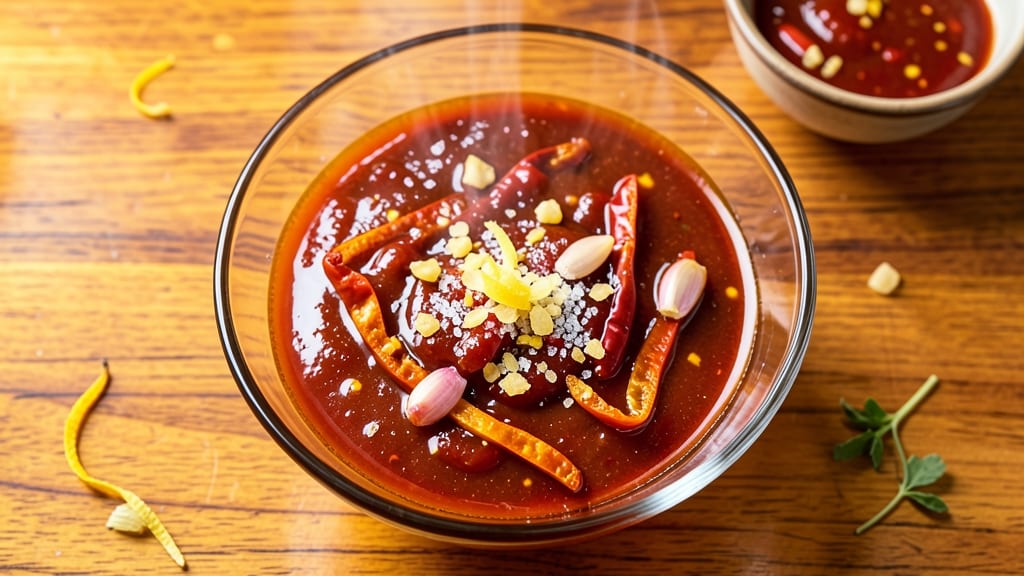
This Barbados hot pepper sauce delivers the fiery, vinegar-balanced heat that defines Caribbean cuisine, with a depth of flavor that transforms ordinary dishes into something extraordinary.
The key lies in balancing fresh Scotch bonnet peppers—known for their intense, fruity heat—with tangy vinegar and aromatic garlic, creating a sauce that's both bold and versatile. Unlike commercial hot sauces, this recipe uses a slow simmering process to develop complex flavors without overpowering the natural heat of the peppers.
The process is straightforward but requires attention to detail: blend the peppers with garlic, onions, and a splash of vinegar, then simmer until the flavors meld into a smooth, vibrant sauce.
The result is a condiment that's perfect for adding heat to marinades, drizzling over grilled meats, or mixing into soups and stews. What sets this sauce apart is its ability to enhance dishes without dominating them, thanks to the careful balance of acidity and spice.
What you'll end up with is a deep red, glossy sauce that carries the signature heat of Barbados while offering layers of garlic, onion, and vinegar that make it irresistibly complex.
The heat level is adjustable—simply reduce the number of peppers if you prefer a milder kick—but the flavor profile remains rich and aromatic. This sauce keeps well in the refrigerator for up to a month, making it a perfect pantry staple for anyone who loves bold, spicy flavors.
Whether you're a seasoned cook or a home chef looking to elevate your dishes, this Barbados hot pepper sauce is a game-changer. It's the kind of condiment that turns a simple meal into a flavor adventure, all while staying true to the fiery, tangy spirit of Caribbean cuisine.
Ready to bring that heat to your kitchen? Let's get started.
Ingredients for barbados hot pepper sauce
Eight ingredients, Caribbean heat. This sauce is all about balancing fiery peppers with tangy vinegar.
| Ingredient | Amount | Notes |
|---|---|---|
| Fresh Scotch Bonnet Peppers 🌶️ | 4 whole | Seeds removed for milder heat |
| Yellow Onion 🧅 | 1 medium | Chopped fine (about 1 cup) |
| Garlic Cloves 🧄 | 4 cloves | Peeled and smashed |
| White Vinegar 💧 | 1 cup | White or apple cider vinegar |
| Granulated Sugar 🍚 | 2 tbsp | Balances acidity |
| Salt 🧂 | 1 tsp | Kosher or sea salt |
| Extra-Virgin Olive Oil 🫒 | 2 tbsp | For finishing |
| Fresh Thyme Leaves 🌿 | 1 tsp | Optional, for depth |
Scotch bonnet peppers are the heart of this sauce—find them at Latin markets or well-stocked grocery stores. If you can't get fresh ones, habanero peppers work in a pinch, but the flavor won't be quite the same. The vinegar matters too: white vinegar is classic, but apple cider adds a subtle sweetness. For the onion, I always chop it fine—about 1 cup chopped equals 1 medium onion. If you're worried about heat, remove the pepper seeds and membranes before blending.
No Scotch bonnets? Habanero or Thai bird's eye peppers work, but reduce to 2 peppers for similar heat. Swap vinegar for white wine vinegar or lime juice if you prefer. The sugar can be adjusted—reduce to 1 tbsp if you like it sharper. Fresh thyme is ideal, but dried thyme at half the amount works too. For storage, glass jars are best—sterilize them first to prevent spoilage. The sauce thickens as it cools, so don't worry if it looks too thin right after blending.
This sauce keeps for up to 1 month in the fridge, with flavor deepening over time. For longer storage, freeze in ice cube trays—perfect for single-use portions. Always store it in the fridge after opening. The heat level is adjustable: use 2 peppers for mild, 4 for classic heat, or 6 for fire. Label your jars—this sauce is addictive and you'll want to make it again.
Why You'll Love This Recipe
- Here’s what sold me: the sugar and vinegar tame the pepper’s fire into something addictive—like a spicy caramel kick. It’s the kind of sauce where every bite makes you want to reach for the next, but not in a "regret-it" way.
- No-Fuss Blend: I swear by this recipe because it’s basically foolproof—just chop, blend, and simmer. That Scotch bonnet heat? It mellows into something balanced when you let it sit, and the onion and garlic deepen without overpowering.
- Sweet Heat Magic: Here’s what sold me: the sugar and vinegar tame the pepper’s fire into something addictive—like a spicy caramel kick. It’s the kind of sauce where every bite makes you want to reach for the next, but not in a "regret-it" way.
- Pantry Staple Power: Between us, this sauce turns into my secret weapon for everything from grilled chicken to deviled eggs. I keep a jar in the fridge because it’s the one thing that makes even the simplest meal feel like a celebration—no fancy prep needed.
Step-by-step instructions for Barbados hot pepper sauce
This fiery sauce balances heat with tangy sweetness—let's make it together in just minutes.
Prepare the Peppers and Aromatics
Start by removing the seeds and membranes from the 4 whole fresh Scotch Bonnet peppers. This reduces the heat while keeping the flavor—don't skip this if you prefer milder heat. Chop the peppers into thin strips, about ¼-inch wide. In a separate bowl, finely chop the 1 medium yellow onion (about 1 cup) and smash the 4 cloves garlic with the flat side of your knife for maximum flavor release.
Here's the thing—Scotch Bonnets are delicate when raw. If you're worried about handling them, wear gloves, but don't chop them too small. You want visible pieces in the final sauce for texture and visual appeal. Keep all prepped ingredients within arm's reach so you can add them quickly to the vinegar before it starts cooking.
Combine Ingredients in a Saucepan
Place a heavy-bottomed saucepan over medium heat and add the chopped Scotch Bonnet peppers, yellow onion, and smashed garlic cloves. Cook for 3-4 minutes, stirring occasionally, until the onion softens and becomes translucent. You'll smell the peppers intensifying—that's when you know they're releasing their oils.
Add the 1 cup white vinegar, 2 tablespoons granulated sugar, and 1 teaspoon salt. Stir well to combine. The sugar will start dissolving immediately, and the vinegar will help break down the peppers' cell walls, extracting more flavor. Let the mixture simmer gently for 5 minutes—don't let it boil vigorously or the peppers might turn bitter.
Simmer Until Thickened
Reduce the heat to low and let the sauce simmer uncovered for 15-20 minutes. You're looking for a reduction where the sauce thickens slightly and coats the back of a spoon. Stir occasionally to prevent sticking, and taste as you go. If it needs more balance, add a pinch more sugar or salt.
This is where the magic happens—the acidity of the vinegar mellows the peppers' heat while concentrating their flavor. The sauce should smell like a tropical storm: sharp, sweet, and unmistakably Caribbean. If you're using the 1 teaspoon fresh thyme leaves, add them now and let them steep for the last 5 minutes of simmering.
Finish with Olive Oil
Remove the sauce from heat and let it cool slightly. Once it's warm to the touch (not hot), stir in the 2 tablespoons extra-virgin olive oil. This adds richness and helps emulsify the sauce so it doesn't separate. The oil should coat the peppers and create a silky texture.
Let the sauce sit at room temperature for 10 minutes before transferring to a clean jar. This resting period allows flavors to meld fully. The sauce will thicken further as it cools, so don't worry if it looks too thin right away. Store in the refrigerator for up to 2 weeks—it only gets better with time as the flavors develop.
Adjust and Serve
Before using, taste and adjust the balance. Need more heat? Add a pinch of cayenne. Too sharp? A splash of water or a pinch more sugar will help. This sauce is incredibly versatile—drizzle it over grilled meats, mix into marinades, or serve as a condiment with fried plantains.
Remember, the heat will mellow slightly as the sauce sits, but it'll still pack a punch. Start with small amounts and build from there. And if you're feeling adventurous, blend half the batch for a smoother version while leaving the other half chunky for texture contrast.
Pro Tips For Making Barbados Hot Pepper Sauce
- CHAR THE PEPPERS LOW: Scotch Bonnets burn faster than you think—simmer them in the vinegar-sugar mix on medium-low heat for 15-20 minutes. I learned this the hard way after turning my first batch into a smoky, bitter mess by cranking the heat too high. Let the flavors meld slowly, and resist the urge to rush.
- REMOVE PEPPER SEEDS FIRST: Cut open those peppers and scrape out the white pith and seeds before chopping—this cuts the heat by half without losing flavor. I used to toss them whole into the pot, and the sauce ended up so fiery it ruined my next three meals. A quick rinse after seeding helps too.
- SWEAT THE ONION GARLIC: Cook the onion and garlic in a dry pan for 3-4 minutes until soft and just starting to color, then add the vinegar. This builds a deeper base flavor instead of letting the acid overwhelm them right away. Skipping this step makes the sauce taste flat and one-dimensional.
- USE LESS SUGAR AT FIRST: Start with half the sugar called for and taste as you go—you can always add more, but you can’t take it out. The vinegar and peppers balance differently each time, so adjust to your heat tolerance. I used to dump it all in and end up with a jammy, cloying sauce instead of the bright, tangy kick you want.
Wine and beer pairings for this recipe
Crisp White Wine
For a refreshing contrast to the fiery heat, I recommend a dry Riesling or Sauvignon Blanc from South Africa or New Zealand. The crisp acidity and citrus notes cut through the pepper's intensity while complementing the vinegar tang.
A chilled glass of Chenin Blanc from the Loire Valley also works beautifully—its slight sweetness balances the heat without overpowering it. 🍷
Light-Bodied Beers
When it comes to beer, opt for something light and effervescent like a Belgian Witbier (think Hoegaarden) or a Mexican Lager (like Modelo Especial). The effervescence helps cleanse your palate between bites, while the subtle malt sweetness softens the pepper's bite.
For a local twist, try a Caribbean-style lager if you can find one—they're often brewed with tropical fruit notes that pair surprisingly well.
Spicy Rum Cocktails
Since this sauce is Caribbean-inspired, why not pair it with rum? A dark 'n' stormy (dark rum, ginger beer, lime) adds a refreshing kick that mirrors the sauce's heat.
For something smoother, mix white rum with lime juice and soda water for a rum punch—the citrus enhances the pepper's fruity notes. I like to add a dash of the sauce itself to the cocktail for an extra layer of flavor. 🍹
Aged Rum Pairings
If you prefer sipping over mixing, an aged rum like Appleton Estate 12-Year or Diplomático Reserva Exclusiva works wonderfully. The caramel and vanilla notes in the rum complement the sauce's sweetness, while the alcohol's warmth contrasts the pepper's heat.
Serve both chilled—the rum's smoothness will help tame the sauce's fiery edge.
Non-Alcoholic Options
For those avoiding alcohol, a ginger beer with lime is a fantastic choice—the ginger's spice echoes the peppers while the effervescence cleanses the palate. Alternatively, try a sparkling hibiscus tea (like Jamaican sorrel) chilled—its tartness balances the sauce's heat beautifully.
Both options keep the tropical, refreshing vibe of the dish. 💧
Nutrition facts
Frequently asked questions
Can I substitute Scotch bonnet peppers with something milder?
Yes! For a milder heat, use 2 habanero peppers (remove seeds) or 1-2 Thai bird's eye peppers. If you prefer no heat at all, swap them for 1 red bell pepper—it adds sweetness and body but no spice. The sauce will still taste tangy and aromatic, just without the kick.
How do I adjust the heat level in this sauce?
Start with 2 peppers for mild, 4 peppers for classic heat, or 6 peppers for extreme fire. For extra heat, add ½ teaspoon cayenne powder or a pinch of red pepper flakes after simmering. Remember: the sauce mellows slightly as it sits, so taste before adjusting.
Can I make this sauce without simmering?
You can try a quick blend method, but simmering develops deeper flavor. Blend 2 chopped peppers, ½ cup vinegar, 1 tbsp sugar, and 1 tbsp oil, then let it sit for 24 hours in the fridge. The result will be thinner and less complex, but still usable for immediate needs. For best results, always simmer.
What are the best ways to use this sauce?
Drizzle it over grilled jerk chicken or fish, mix into marinades for steaks or tofu, or use as a dip for fried plantains or chips. It also elevates soups, stews, and even pasta sauces. Start with small amounts—this sauce packs serious flavor!
Why did my sauce turn bitter?
Over-simmering or boiling too vigorously can make peppers bitter. Keep heat at low-medium and never let it boil hard. If it's already bitter, balance it with 1 extra tbsp sugar or a splash of fresh lime juice. For future batches, reduce simmer time to 10-12 minutes instead of 20.