
Sauces & Condiments
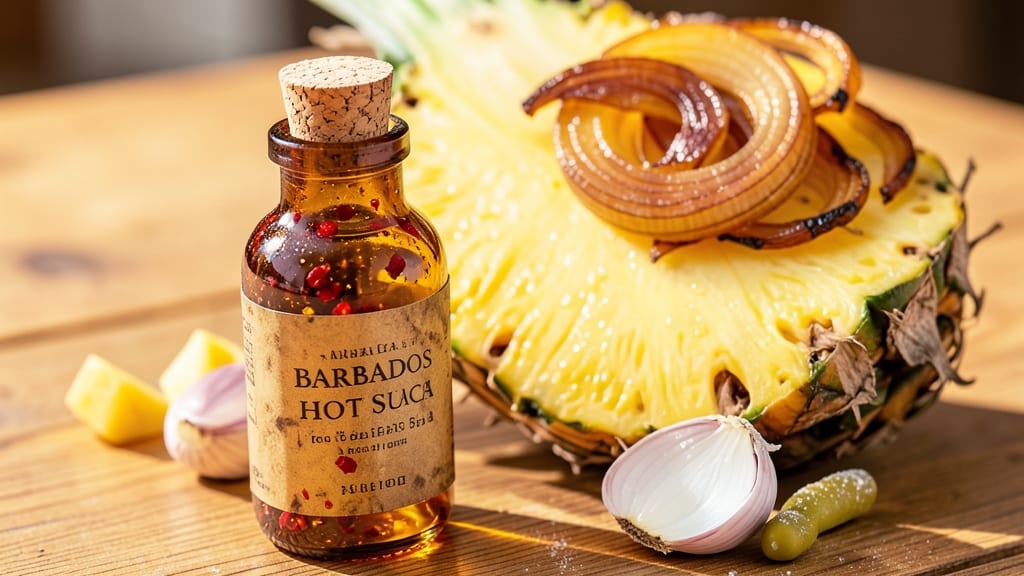
This Barbados hot sauce recipe delivers the fiery, fruity punch that defines Caribbean cuisine, where Scotch bonnet peppers and pineapple create a perfect balance of heat and sweetness.
The traditional method involves fermenting fresh ingredients in vinegar, which develops depth and complexity over time—though you can speed it up with a quick cook if needed.
What sets this sauce apart is the careful blend of garlic, onions, and mustard that rounds out the natural spiciness, making it versatile enough for jerk chicken, seafood, or even cocktails.
The recipe begins with fresh Scotch bonnet peppers (or bird peppers), which are the heart of the heat—always wear gloves when handling them, as their oils can irritate skin. Pineapple adds tropical brightness, while garlic and onions build aromatic layers that mellow the sauce’s intensity.
The vinegar base preserves the flavors and ensures food safety, whether you ferment for a few days or simmer immediately. Storage is simple: keep it refrigerated in a sterilized jar for up to six months, with flavors intensifying over time.
What you’ll end up with is a vibrant, medium-hot sauce (adjustable by pepper quantity) that’s tangy, slightly sweet, and packed with Caribbean character. It’s the kind of condiment that elevates simple dishes into something extraordinary—think grilled fish, fried plantains, or even deviled eggs.
The fermentation process (or quick cook) ensures a smooth, well-balanced sauce without the harshness of raw pepper heat.
For those new to hot sauce making, this recipe is a great starting point—it’s forgiving yet rewarding, with clear steps for fermentation or cooking.
Whether you’re a seasoned chef or a home cook looking to add authentic flavor to your meals, this Barbados hot sauce will become a staple in your kitchen. Let’s get started on creating something truly unforgettable.
Ingredients for barbados hot sauce
Fresh peppers, tangy vinegar, and tropical pineapple—this Caribbean fusion is pure heat and sweetness.
| Ingredient | Amount | Notes |
|---|---|---|
| Scotch Bonnet Peppers 🌶️ | 4 whole | Wear gloves when handling |
| Fresh Pineapple 🍍 | 1 cup | Chopped, fresh or canned |
| White Vinegar 💧 | 1 ½ cups | Distilled for best results |
| Yellow Onions 🧅 | 1 whole | Medium, finely chopped |
| Garlic Cloves 🧄 | 6 cloves | Fresh, minced |
| Yellow Mustard 🟡 | 2 tbsp | Dijon preferred |
| Granulated Sugar 🍚 | 2 tbsp | Adjust for sweetness |
| Salt 🧂 | 1 tsp | Kosher or sea salt |
| Black Peppercorns 🌶️ | ½ tsp | Freshly cracked |
| Allspice Berries 🌿 | 4 whole | Crushed, optional |
Scotch bonnet peppers are the star here—look for vibrant red or yellow ones at Latin markets or specialty stores. Walmart or Whole Foods often carry them, but if you can't find them, bird peppers are a solid substitute. The pineapple should be ripe but firm—canned works in a pinch, but fresh gives the best flavor. For the vinegar, distilled white vinegar is ideal, but apple cider vinegar adds a nice depth. The onions and garlic? Freshly chopped makes all the difference—no shortcuts here.
No Scotch bonnet? Habanero peppers are the closest substitute, but cut the amount in half since they're hotter. Running low on pineapple? Mango or papaya adds a different tropical twist. The mustard can be swapped for hot sauce or Tabasco if you're in a bind, but Dijon gives that authentic Caribbean tang. If you're sensitive to spice, reduce the pepper count by 1-2 for a milder sauce. The allspice is optional but adds a warm, earthy note—skip it if you can't find it, but don't stress.
This sauce gets better with time—ferment for 3-5 days for maximum depth, or simmer immediately for a quick version. Store in a sterilized glass jar in the fridge for up to 6 months. The flavors intensify over time, so make a big batch if you can. Always wear gloves when handling the peppers, and label your jar clearly—this stuff is potent!
Why You'll Love This Recipe
- Five-Ingredient Magic: I swear by this combo—pineapple’s sweetness cuts through the Scotch bonnet’s heat while the vinegar keeps it bright. No fancy techniques, just chop, blend, and simmer.
- Sweet Heat Balance: That first bite? The pineapple’s tang and the bonnet’s fire play off each other like a perfect rhythm. Honestly, I’ve tried other hot sauces, but this one actually makes me want more.
- Party-Ready Secret: Slap this on grilled shrimp at a BBQ or drizzle it over jerk chicken for a crowd. It’s the one sauce that turns "meh" dishes into conversation starters—no extra effort, just instant flavor.
- Lasts All Week: A batch keeps in my fridge for days, and I’m still reaching for it. The vinegar preserves the freshness, so it’s my go-to for quick marinades or last-minute flavor boosts without breaking the bank.
Step-by-step instructions for Barbados hot sauce
Here's how to make this fiery Caribbean favorite with perfect balance.
Prepare the Peppers and Aromatics
First, put on gloves—those Scotch bonnet peppers pack a serious punch! Cut the peppers in half lengthwise and remove the seeds and membranes, but leave the white ribs intact. This keeps the heat but removes some of the bitterness. In a food processor, pulse the pepper halves until finely chopped but not pureed.
Next, peel and finely chop the yellow onion, then mince the garlic cloves. Add them to the food processor with the chopped peppers. Pulse just until combined—you want texture, not a smooth sauce. Transfer everything to a medium saucepan and set aside. This prep step is crucial; the texture of the peppers gives the sauce its signature bite.
Cook the Base Ingredients
Add the chopped pineapple, 2 tablespoons of granulated sugar, and 1 teaspoon of salt to the saucepan with the peppers and aromatics. Stir well to combine. Place the pan over medium heat and bring to a gentle simmer. Let it cook for 10 minutes, stirring occasionally, until the pineapple softens slightly and the mixture starts to break down.
Here's where the magic happens: the pineapple's natural sweetness starts caramelizing, balancing the heat. You'll see the mixture darken slightly and smell that perfect blend of sweet, spicy, and tangy. If it looks like it's sticking, add a splash of water—but don't overdo it. We want a thick, concentrated sauce.
Build the Sauce Foundation
Reduce the heat to low and carefully stir in the 1.5 cups of white vinegar. The vinegar will bubble vigorously at first—this is normal. Let it simmer gently for 15 minutes, stirring occasionally, until the mixture thickens slightly. You're looking for a syrupy consistency that coats the back of a spoon.
Now add the 2 tablespoons of Dijon mustard and the crushed allspice berries. Stir well to distribute the spices evenly. If you're using black peppercorns, add them now too. The mustard adds depth while the allspice gives that warm, slightly floral note that's classic in Caribbean hot sauces. Taste the mixture—you should feel the heat building but also detect the sweetness and tang.
Simmer and Strain
Continue simmering on low heat for another 10-15 minutes, until the sauce reduces by about a third and becomes thick and glossy. The color should deepen to a rich amber. If it's still too thin, simmer uncovered for another 5 minutes to evaporate more liquid. The sauce should coat a spoon but still be pourable.
Once you're happy with the consistency, remove the pan from heat and let it cool slightly. Then, strain the sauce through a fine-mesh sieve into a clean jar. Press on the solids with a spoon to extract every last drop of flavor. The strained sauce will be smooth and vibrant—ready to bottle and age.
Bottle and Age
Transfer the strained sauce to sterilized jars or bottles. Seal tightly and let it sit at room temperature for at least 24 hours before using. This resting period allows the flavors to meld and intensify. After a day, the heat will be more pronounced, the sweetness more balanced, and the overall flavor more complex.
Your Barbados hot sauce is now ready to use! It'll keep in the refrigerator for up to 6 months, with the flavor deepening over time. Start with small amounts—this sauce is serious heat with serious flavor. Perfect for drizzling on jerk chicken, seafood, or even mixing into cocktails for a Caribbean kick!
Pro Tips For Making Barbados Hot Sauce
- CHAR THE PEPPERS RIGHT: Don’t just toss Scotch bonnets into vinegar—char them first over an open flame or high heat until blackened in spots. This deepens the smoky, caramelized flavor that separates homemade sauce from store-bought. (Yes, even if you burn the edges a little—it’s part of the charm.)
- PEEL THE ONIONS AFTER COOKING: Slice the yellow onion raw, then cook it until soft and translucent before blending. The heat mellows the sharpness, and the skins slip right off afterward—no peeling mess before you start. Skip this, and you’ll be peeling raw onion in a blender. (Trust me.)
- STRAIN THE SEEDS—OR DON’T: If you want milder heat, strain out Scotch bonnet seeds before blending. But if you’re going for classic Barbados fire, leave them in—just know the sauce will pack a punch. (I learned this after making two batches and realizing the first one was "spicy" and the second was "why are my eyes watering.")
- FERMENT THE VINEGAR MIX: Let the blended sauce sit uncovered for 24 hours before bottling—this lets flavors meld and the acidity mellow slightly. No time? At least wait 4 hours, but you’ll taste the difference if you rush it. (Patience here makes the sauce sing.)
Troubleshooting your barbados hot sauce
Fermentation Gone Wrong
If your sauce develops mold or an off smell during fermentation, it’s time to toss it—never risk food safety. This happens when ingredients aren’t properly sterilized or the jar isn’t sealed tightly.
Always use sterilized glass jars and work in a clean environment. For a quick fix, simmer the sauce immediately instead of fermenting—just skip the aging step and refrigerate right away. 💡
Sauce Too Thin
If your hot sauce is too watery after cooking, don’t panic—simmer uncovered for 5-10 extra minutes to reduce the liquid. Alternatively, add 1 tablespoon of cornstarch mixed with 1 tablespoon water, stir, and simmer until thickened.
For future batches, reduce vinegar by ¼ cup to prevent thinness from the start.
Heat Too Harsh
If the heat is overwhelming, balance it by adding extra pineapple juice (about 2 tablespoons) or a pinch of sugar to mellow the flavor. For milder heat next time, use 1-2 fewer Scotch bonnet peppers or swap them for habaneros (use half the amount).
Taste as you go—adjust gradually to avoid overcorrecting. 🌶️
Sauce Separates
If the sauce splits into layers, it’s likely due to oil from the peppers or pineapple. Fix it by whisking vigorously or blending briefly with an immersion blender. To prevent this, strain the sauce twice—once after cooking and again before bottling. Store in the fridge to keep ingredients suspended.
Mold on Surface
If you see mold after opening the jar, discard the sauce immediately—mold can form even with proper fermentation. To prevent this, always submerge the sauce in vinegar (about ½ inch deep) when storing. Use a sterilized funnel when pouring to avoid contamination, and store in a cool, dark place.
Flavor Too Bland
If your sauce lacks depth, it might need more time to develop. Let it age for 3-5 days before tasting, or boost flavor by adding 1 teaspoon of smoked paprika or ½ teaspoon of ground allspice during cooking.
For extra brightness, stir in 1 tablespoon of lime juice before bottling. 💛
Nutrition facts
Frequently asked questions
Can I substitute Scotch bonnet peppers with something milder?
Yes, but adjust carefully! For milder heat, use habanero peppers (half the amount) or jalapeños (¼ the amount). If you can't find any, red pepper flakes (1-2 teaspoons) will add color and some heat, though the flavor won't be as complex. Always taste as you go—start with less and add more if needed.
How long does this hot sauce last, and how should I store it?
Properly stored, this sauce keeps for up to 6 months in the refrigerator. For best quality, use sterilized glass jars with airtight lids. Store in a cool, dark place (like your pantry) if you prefer room-temperature storage, but refrigeration preserves flavor longer. Always label with the date—this stuff is potent and worth keeping track of!
Why does my sauce look cloudy or have oil separation?
Oil separation is normal due to the peppers and pineapple, but cloudiness can mean fermentation isn't complete. To fix it, whisk vigorously or blend briefly with an immersion blender. For future batches, strain the sauce twice (after cooking and before bottling) to remove excess oils. Store in the fridge to slow separation—shake well before using.
What’s the best way to use this hot sauce?
This versatile sauce elevates everything! Drizzle it over grilled jerk chicken, fried plantains, or seafood tacos. Mix into marinades, stir into cocktails (try it in a piña colada!), or use as a dip for fresh veggies. Start with ½ teaspoon—this sauce is bold, and you can always add more!
Can I make this sauce without fermentation?
For a quick version, skip the aging step and refrigerate the sauce immediately after cooking. Simmer it for 20-25 minutes total to develop flavors, then strain and store. The taste will be fresher but less complex—fermentation adds depth, but this method works in a pinch. Just ensure all ingredients are sterilized for safety.