
Sauces & Condiments
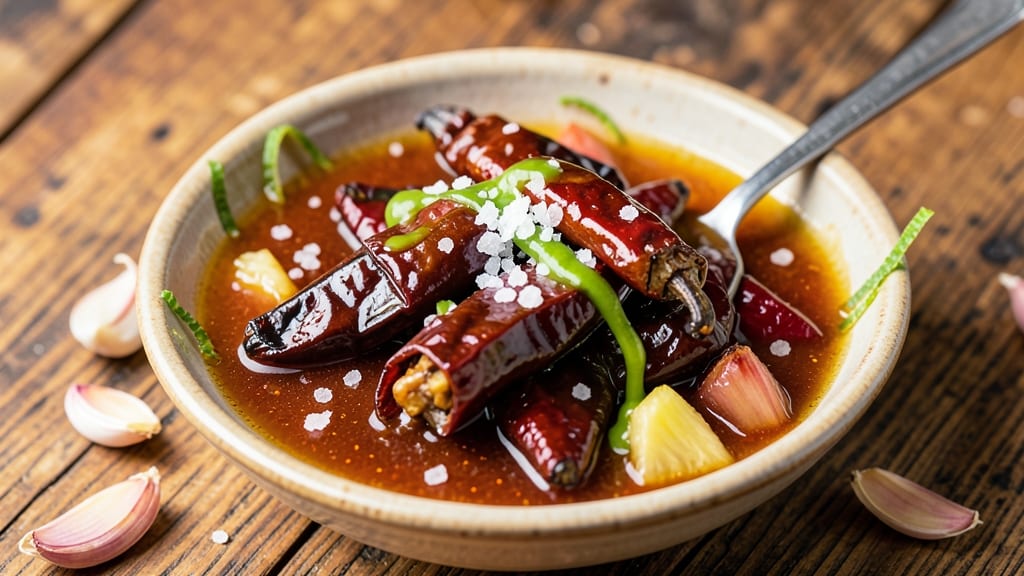
This Aruba hot sauce recipe delivers the island's signature fiery kick with a sweet, tangy twist that elevates every dish. The secret lies in balancing Scotch bonnet peppers—Aruba's signature heat source—with fresh pineapple juice and white vinegar for a bright, complex flavor.
I developed this version after tasting authentic Aruba hot sauce during a trip, where it transformed grilled lobster and rum cocktails into unforgettable experiences.
The process is straightforward but precise: blend the peppers with garlic, lime, and salt, then strain for a smooth, vibrant sauce. The pineapple adds natural sweetness that cuts through the pepper's intensity, while the vinegar ensures tangy depth.
What you'll end up with is a versatile condiment that's perfect for seafood, grilled meats, or even drizzled over tacos—each bite delivers a perfect balance of heat and tropical fruit.
This sauce keeps well in the refrigerator for up to 3 months, allowing you to make a big batch and enjoy it all season. The Scotch bonnet peppers provide serious heat, so start with 1-2 and adjust to taste.
For a milder version, reduce the pepper quantity or add more pineapple juice. The result is a condiment that transports your dishes straight to Aruba's shores.
Pair it with grilled shrimp, spicy rum drinks, or even as a dip for plantains. The possibilities are endless, but the foundation is always the same: that perfect fusion of fire and fruit. Let's make it.
Ingredients for aruba hot sauce
Nine ingredients transform into Aruba's iconic fiery, fruity hot sauce—bright, tangy, and unforgettable.
| Ingredient | Amount | Notes |
|---|---|---|
| Scotch Bonnet Peppers 🌶️ | 2 whole | Seeds removed for milder heat |
| Fresh Pineapple Juice 🍍 | ½ cup | Freshly squeezed from ripe pineapple |
| White Vinegar 💧 | ¼ cup | Distilled or apple cider vinegar |
| Garlic Cloves 🧄 | 3 cloves | Fresh, minced for depth |
| Fresh Lime Juice 🍋 | ¼ cup | Freshly squeezed for tang |
| Sea Salt 🧂 | 1 tsp | Kosher or fine grain preferred |
| Extra-Virgin Olive Oil 🫒 | ¼ cup | For smooth texture and richness |
| Brown Sugar 🍚 | 1 tbsp | Balances heat with subtle sweetness |
| Water 💧 | ¼ cup | Adjusts consistency if needed |
Scotch bonnet peppers are the heart of this sauce—find them at Caribbean markets or specialty stores like Whole Foods or Trader Joe's. If you can't find them, habanero peppers are a good substitute, but reduce to 1 pepper for milder heat. The pineapple juice should be fresh—canned juice lacks the vibrant sweetness. For the best flavor, use ripe pineapple and squeeze it yourself. The garlic and lime are non-negotiable—they add layers of complexity that make this sauce stand out. If you're making a big batch, freeze extra pineapple chunks for future use.
No Scotch bonnet peppers? Habanero or ghost pepper work in a pinch, but start with less and taste as you go. White vinegar can be swapped for apple cider vinegar for a slightly sweeter tang. Fresh lime juice is ideal, but bottled lime juice works if you're in a hurry. The brown sugar balances the heat—reduce to 1 tsp if you prefer less sweetness. For a smoother sauce, strain through a fine-mesh sieve. The olive oil adds richness, but avocado oil works too. If your sauce is too thick, add water a tablespoon at a time until it reaches your desired consistency.
This sauce keeps beautifully in the fridge for up to 3 months—perfect for making a big batch. Store it in a clean, airtight glass jar in the refrigerator. The flavors actually improve over time as they meld together. If you're gifting it, sterilize the jar first and label it with the date. For a milder version, reduce the pepper quantity or add more pineapple juice. The heat builds over time, so taste as you go and adjust to your preference. This sauce is a game-changer for seafood, grilled meats, and even cocktails—trust me, you'll want to make a big batch.
Why You'll Love This Recipe
- No Blender Needed: I swear by this method—just chop, steep, and strain. The Scotch bonnets and garlic infuse the vinegar and pineapple juice in under 10 minutes, no fancy equipment required.
- Sweet Heat Balance: That first bite of pineapple’s bright tang cutting through the Scotch bonnet’s fire? Chef’s kiss. The lime juice ties it all together—zesty, sharp, and just spicy enough to linger.
- Party in a Bottle: I keep a jar in the fridge for everything: grilled shrimp, tacos, even scrambled eggs. It’s the one sauce that turns simple meals into something special without extra effort.
- Pantry Magic: White vinegar and garlic cloves stretch this sauce far—enough for weeks if you dilute it. Honestly, I make big batches because it’s cheaper than buying store-bought and way more flavorful.
Step-by-step instructions for Aruba hot sauce
This vibrant sauce balances tropical sweetness with bold heat—let's make it together.
Roast the Scotch Bonnet Peppers
Preheat your oven to 425°F and place the 2 whole Scotch Bonnet Peppers directly on a baking sheet. Roast for 10-12 minutes until the skins blacken and blister in spots—this deepens their smoky flavor while keeping the heat balanced (since we removed the seeds).
Flip them halfway through for even charring. Watch closely—they're done when the skin looks like it's about to burst. Transfer immediately to a bowl, cover with plastic wrap, and let steam for 10 minutes to loosen the skins. This makes peeling effortless.
Blister the Garlic and Prepare the Base
While the peppers steam, heat a small skillet over medium heat and add the 3 cloves Garlic Cloves cut in half. Cook, cut-side down, for 2-3 minutes until golden brown and fragrant—don't let them burn, or they'll turn bitter. Remove and set aside.
In a clean saucepan, combine the 0.5 cup Fresh Pineapple Juice, 0.25 cup White Vinegar, 0.25 cup Fresh Lime Juice, and 1 tbsp Brown Sugar. Bring to a gentle simmer over medium-low heat for 5 minutes to meld the flavors. The mixture should smell bright and tangy with just a hint of caramelization from the sugar.
Blend Until Silky Smooth
Peel the roasted peppers by rubbing them under cool water or gently scraping off the charred skin with a knife. Add them to the saucepan along with the blistered garlic, 0.25 cup Extra-Virgin Olive Oil, and 1 tsp Sea Salt. Let the mixture steep for 10 minutes off the heat—this infuses the oil with peppery depth.
Transfer everything to a blender and purée until completely smooth. Taste and adjust—if it needs more heat, add a pinch of cayenne; if it's too sharp, balance with another ½ teaspoon of brown sugar. The sauce should coat the back of a spoon with a glossy, vibrant red hue.
Strain and Bottle for Maximum Flavor
Strain the sauce through a fine-mesh sieve into a clean jar to remove any remaining skin or garlic bits. Stir in the 0.25 cup Water if the sauce feels too thick—it should be pourable but still cling to food. Let it cool completely before sealing, as the heat will continue developing over the next 24 hours.
Store in the refrigerator for up to 2 weeks, or process in a water bath for shelf-stable jars. This sauce shines drizzled over grilled fish, tossed with jerk chicken, or mixed into cocktails—its sweet, smoky, and fiery profile makes it unforgettable.
Pro Tips For Making Aruba Hot Sauce
- REMOVE PEPPER SEEDS FIRST: I learned this the hard way—leaving seeds in Scotch Bonnets turns your sauce into a mouth-on-fire disaster. Scoop out the white pith and seeds before blending, then rinse the peppers under cold water to mellow the raw heat just a touch.
- BLEND GARLIC WITH PEPPERS: Toss those garlic cloves into the blender with the peppers and pineapple juice—no chopping needed. The high-speed pulse breaks down the garlic into a silky paste, saving you from peeling and mincing while adding depth the sauce craves.
- SIMMER LOW AND LONG: Don’t rush the reduction. Simmer your sauce on low for 15–20 minutes, stirring occasionally, until it thickens to coat the back of a spoon. Skipping this step leaves it watery and dull—like skipping the seasoning in a dish.
- STRAIN OR DON’T: If you hate fibrous bits, strain the sauce through a fine-mesh sieve after blending. If you’re okay with texture, skip it—those pepper skins and garlic flecks add character. (I usually strain, but my lazy days prove the unstrained version still slaps.)
Creative variations of aruba hot sauce
Tropical Fruit Twists
Swap the pineapple for guava juice (½ cup) to add floral notes that complement the Scotch bonnet’s heat. Or try mango purée (½ cup) for a sweeter, creamier sauce that pairs perfectly with spicy seafood like grilled mahi-mahi.
Both fruits work best when fresh—avoid canned versions, which lack the vibrant acidity. 🍍
Smoky Chipotle Fusion
Infuse the sauce with smoke by adding 1 chipotle pepper in adobo (minced) to the blend. Simmer the vinegar mixture with the chipotle for 5 extra minutes before blending.
This version works beautifully on pulled pork tacos or as a marinade for grilled chicken. For extra depth, add ½ teaspoon ground cumin to the blend.
Sweet Heat Variations
Balance the heat with honey (1 tablespoon) instead of brown sugar for a caramelized finish. Or add 1 teaspoon of ginger paste to the blend for a zesty kick that pairs well with Asian-inspired dishes like stir-fried noodles.
For a dessert twist, drizzle this sauce over grilled pineapple slices—the heat cuts through the fruit’s natural sweetness beautifully.
Herb-Infused Versions
Brighten the sauce with fresh cilantro (¼ cup) or thyme (1 tablespoon) during the blending step. Cilantro adds a citrusy freshness that’s perfect for seafood ceviche, while thyme lends an earthy note that works well with grilled lamb chops.
For a stronger herbal profile, steep 2 sprigs of fresh thyme in the vinegar mixture before blending.
Spicy Rum Cocktail Sauce
Reduce the vinegar to ¼ cup and add ½ cup dark rum (like Bacardi 8-year) to the blend. Simmer the rum with the pineapple juice and sugar for 3 extra minutes to infuse the flavors.
Strain and blend as usual—this version is perfect for rum cocktails like a spicy Mai Tai or as a dipping sauce for shrimp skewers. Garnish with a lime wedge for extra zing. 🍹
Nutrition facts
Frequently asked questions
Why does this Aruba hot sauce recipe use roasted peppers instead of raw?
Roasting the Scotch bonnet peppers deepens their flavor by adding a subtle smoky note while keeping the heat balanced. The charring also makes peeling easier, and the process helps mellow some of the pepper's raw intensity. This technique is key to achieving that authentic Aruba taste.
Can I adjust the heat level in this recipe?
Start with 1 Scotch bonnet pepper for mild heat, 2 peppers for medium, or 3 peppers for fiery intensity. For extra control, remove some seeds before roasting. If you want to reduce heat after blending, add more pineapple juice or a pinch of sugar to balance it.
How long should I let the sauce sit before using it?
Allow the sauce to rest for at least 24 hours in the refrigerator before using it. This gives the flavors time to meld beautifully and the heat to develop properly. The longer it sits (up to 1 week), the more complex and balanced the taste becomes.
What's the best way to store leftover hot sauce?
Transfer your sauce to a clean, airtight glass jar and store it in the refrigerator for up to 3 months. For longer storage, you can process it in a water bath for shelf-stable jars. Always use sterilized containers to maintain quality and prevent contamination.
Can I make this sauce without a blender?
Yes! If you don't have a blender, you can mash the roasted peppers and garlic with a fork, then strain the mixture through a fine-mesh sieve. The texture will be slightly chunkier, but it will still deliver that delicious Aruba flavor. For a smoother result, consider using a food mill or mortar and pestle.