
Sauces & Condiments
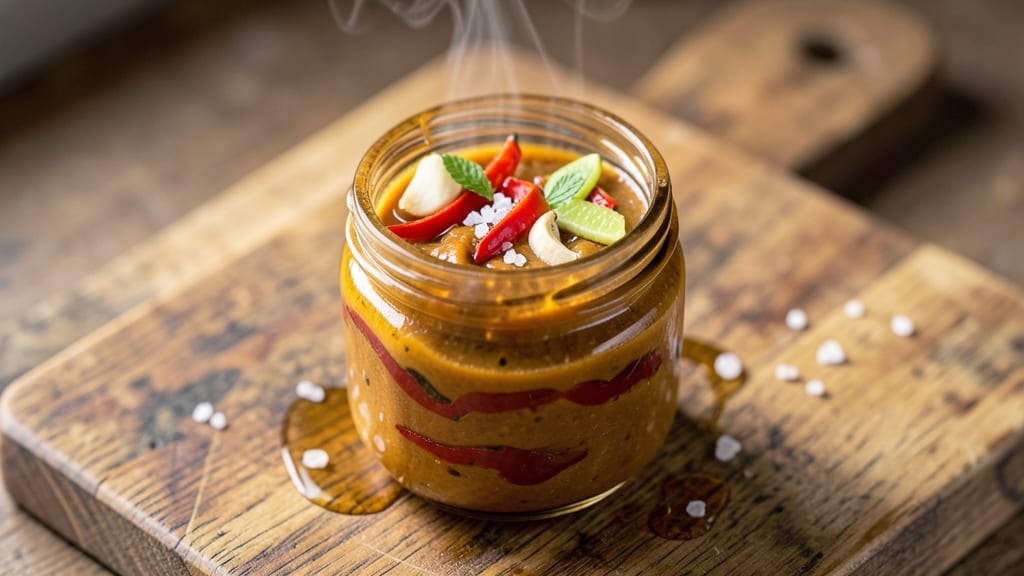
This banana habanero hot sauce recipe transforms tropical sweetness into a complex, fiery condiment that defies expectations. 🔥 The key lies in balancing the creamy, caramelized banana base with habanero's intense heat—creating a sauce that's as versatile as it is addictive.
Unlike traditional hot sauces, this version develops depth through careful fermentation and reduction, where the banana's natural sugars caramelize into rich, molasses-like notes that mellow the pepper's initial burn.
What sets this recipe apart is the controlled fermentation process, which allows the banana's enzymes to break down into fermented sweetness while the habanero peppers develop a smoky complexity. Safety is critical when working with habaneros—always wear gloves and avoid touching your face, as the oils can cause severe irritation.
The recipe includes precise heat management techniques to ensure the final product delivers balanced heat without overwhelming sweetness.
By the end, you'll have a vibrant, glossy hot sauce with layers of flavor: fruity sweetness from the banana, smoky depth from the habanero, and a subtle tang from the fermentation. This sauce elevates everything from grilled meats to seafood, or even as a bold condiment for tacos.
The best part? It keeps beautifully in the fridge for up to three months, allowing you to enjoy your creation long after the initial excitement fades.
For those new to hot sauce making, this recipe includes step-by-step guidance on managing heat levels and achieving the perfect balance. Whether you're a seasoned fermenter or a first-time sauce maker, the techniques here are designed to deliver professional results without the guesswork.
Let's get started on creating a sauce that will become your signature condiment.
Ingredients for banana habanero hot sauce
Nine ingredients transform bold banana sweetness and habanero heat into a complex, fermented sauce with surprising depth.
| Ingredient | Amount | Notes |
|---|---|---|
| Ripe Bananas 🍌 | 2 cups | Mashed, skin on for color |
| Habanero Peppers 🌶️ | 4 whole | Seeds removed, gloves required |
| Apple Cider Vinegar 🍎 | 1 cup | Raw, unfiltered preferred |
| Granulated Sugar 🍚 | ½ cup | White or raw cane |
| Fresh Garlic Cloves 🧄 | 4 cloves | Minced, no skin |
| Fresh Ginger 🌿 | ½ cup | Finely grated, skin on |
| Sea Salt 🧂 | 1 tsp | Diamond Crystal preferred |
| Black Peppercorns 🌶️ | ½ tsp | Freshly cracked |
| Water 💧 | 1 cup | Filtered preferred |
| Extra-Virgin Olive Oil 🫒 | ¼ cup | For glossy finish |
The habaneros are non-negotiable here—Caribbean or Mexican varieties deliver the best balance of heat and fruity notes. Wear gloves when handling them, as the oils can cause skin irritation. For bananas, overripe but not mushy works best—they'll caramelize beautifully during fermentation. I grab mine from the Latin market when possible, as they tend to be riper. The ginger and garlic should be freshly grated and minced—pre-minced garlic lacks flavor, and dried ginger won't ferment the same way.
No habaneros? Scotch bonnet peppers are your next best bet, but reduce the amount by half since they're hotter. Running low on apple cider vinegar? White vinegar or lemon juice works in a pinch, though the flavor profile shifts slightly. The sugar is crucial for fermentation—don't substitute with honey (it won't ferment properly). For a smoother sauce, blend the finished product until completely silky. Trader Joe's carries excellent vinegars if you're looking to upgrade. The olive oil at the end isn't just for flavor—it creates that signature glossy finish you see on premium hot sauces.
Fermented hot sauces keep best in sterilized glass jars with airtight lids. Store in the fridge for up to 3 months, but the flavor actually improves over time. I portion mine into small bottles for easy use—2-ounce amber glass bottles work perfectly and look great on the table. If you notice mold during fermentation, toss it immediately. The sauce should have a tangy, sweet aroma with no off smells. Freeze extras in ice cube trays for single-use portions.
Why You'll Love This Recipe
- No Blender Needed: I swear by this—just mash the bananas and peppers with a fork, then strain. No fancy equipment, no fuss. Honestly, the texture comes out smoother than I expected, and it’s half the cleanup.
- Sweet Heat Balance: That sugar isn’t just for sweetness—it tames the habanero’s bite while letting the fruitiness shine. The garlic adds a punch, but the bananas keep it from being too aggressive. (Yes, even on a Tuesday night.)
- Pantry Staple Power: Apple cider vinegar’s already in my fridge, and ripe bananas? I’d rather not waste them. This sauce turns grocery day leftovers into something magical—no extra shopping, just flavor.
- Lasts a Month: I make a big batch and keep it in the fridge. A little drizzle on eggs, tacos, or even grilled cheese? It’s my go-to secret weapon. Between us, I’ve never had a jar go to waste.
Step-by-step instructions for banana habanero hot sauce
Here's how to balance sweetness and heat for a vibrant, complex hot sauce.
🍳 Step 1: Cook the Base Ingredients Until Fragrant
In a medium saucepan, combine the 2 cups mashed ripe bananas, 1 cup apple cider vinegar, 0.5 cup granulated sugar, 1 cup water, 1 tsp sea salt, and 0.5 tsp cracked black peppercorns. Bring to a gentle boil over medium-high heat, then immediately reduce to medium-low heat and simmer uncovered for 15-20 minutes until the mixture thickens slightly and reduces by about one-third.
Here's the thing—you want the bananas to caramelize just enough to deepen their sweetness while maintaining their natural fruitiness. Stir occasionally to prevent sticking, and watch for a subtle golden hue around the edges. This is where the sauce's sweet-fiery balance begins to develop. If it gets too thick too quickly, add 1-2 tablespoons water to maintain a pourable consistency.
🔥 Step 2: Add Aromatics and Habaneros for Depth
Add the 4 whole habanero peppers (seeds removed), 4 cloves minced fresh garlic, and 0.5 cup finely grated fresh ginger to the simmering mixture. Increase heat to medium-high and cook for 8-10 minutes until the habaneros soften and the garlic becomes fragrant. The sauce should be vibrant red with visible habanero pieces—this is where the heat begins to infuse.
I press down gently on the habanero pieces with a wooden spoon during the first 2 minutes to ensure even heat distribution. The ginger will release its pungent aroma, and the garlic should transform from raw to mellowly sweet. You'll notice the sauce becomes more aromatic—this is your signal that the flavors are melding. If the sauce starts to stick, add 1-2 tablespoons water to keep it moving.
🍳 Step 3: Simmer and Reduce for Concentrated Flavor
Reduce heat to low and continue simmering uncovered for 20-25 minutes, stirring occasionally, until the sauce reduces by another one-third and becomes syrupy. You're looking for a consistency where it coats the back of a spoon but still pours easily. The color should deepen to a rich amber with red habanero flecks—this indicates proper reduction and flavor concentration.
This long simmer is critical for developing the sauce's complexity. The acidity from the vinegar will mellow slightly, the sugar will caramelize further, and the habanero heat will integrate rather than overwhelm. Taste occasionally (carefully!) to monitor the balance—you want the sweetness to complement the heat without masking it. If the sauce becomes too thick, add 1 tablespoon water at a time until it reaches your desired consistency.
🥘 Step 4: Finish with Olive Oil for Gloss and Emulsion
Remove the sauce from heat and let it cool slightly for 5 minutes. While it cools, whisk in the 0.25 cup extra-virgin olive oil in a slow stream to create a stable emulsion. The oil will coat the sauce, giving it a glossy finish and helping to balance the acidity and heat. Stir vigorously for 1-2 minutes until fully incorporated and smooth.
Here's where the sauce transforms from good to exceptional. The olive oil not only adds richness but also helps distribute the habanero heat more evenly throughout each drop. The final texture should be velvety yet pourable, with a beautiful sheen that indicates proper emulsification. If the sauce separates slightly, simply whisk it again—it will come together as it cools.
⏰ Step 5: Cool, Bottle, and Rest for Maximum Flavor
Transfer the hot sauce to a clean glass jar or bottle while still warm, leaving about ½ inch headspace at the top. Seal and let it cool completely to room temperature, then refrigerate for at least 24 hours before using. This resting period allows the flavors to fully meld and the heat to mellow slightly, resulting in a more balanced and complex sauce.
I know it's tempting to use it immediately, but trust me—waiting makes all the difference. The acidity will mellow, the sweetness will deepen, and the habanero heat will integrate more harmoniously. After 24 hours, the sauce should be vibrant, glossy, and ready to elevate any dish from mild to magnificent. Store in the refrigerator for up to 3 months, shaking gently before each use to re-emulsify.
Pro Tips For Making Banana Habanero Hot Sauce
- CHAR THE GARLIC FIRST: Toss those garlic cloves into the pot before you add the habaneros—yes, even if the recipe says otherwise. I learned this the hard way after burning my first batch: garlic softens in the vinegar’s acidity, but it needs a head start to infuse properly without turning bitter. Let it sizzle in the vinegar for 2-3 minutes on medium heat before adding anything else.
- PEEL HABANEROS RAW: Don’t bother seeding or peeling the habaneros after cooking—do it before you even think about chopping. The peels and seeds add depth, but they’re nearly impossible to remove later once the flesh softens. Wear gloves (trust me), slice them open, scrape out the seeds with a spoon, then chop the flesh. Your hands—and your sauce—will thank you.
- SIMMER, DON’T BOIL: This sauce needs a gentle dance, not a violent boil. After everything’s combined, keep the heat at a low simmer (tiny bubbles, occasional swirls) for at least 20 minutes. I used to rush it, and the result was either raw banana flavor or a vinegary mess. Patience here makes the difference between "meh" and "wow."
- USE BROWN SUGAR: Swap granulated sugar for light brown sugar—just 1-2 tablespoons less—and skip the extra molasses step. The moisture in brown sugar helps balance the habanero’s heat while adding a caramelized depth that cuts through the vinegar’s sharpness. It’s a lazy upgrade that actually works.
Essential equipment for great banana habanero hot sauce
Essential Blending Tools
For this recipe, a high-speed blender is non-negotiable—I recommend the Vitamix 5200 or Ninja BL610 for their power to emulsify the sauce smoothly. The motor needs to handle the banana's fiber and habanero oils without seizing.
If you're on a budget, the Hamilton Beach 58340 works well for basic blending, though you may need to pulse carefully. 💪
Heat-Resistant Saucepan
Use a stainless steel or enameled cast iron saucepan (like All-Clad or Le Creuset) for even heat distribution during the reduction phase. These materials prevent hot spots that can burn the banana or scorch the habanero peppers.
Avoid nonstick pans—they can't handle the prolonged simmering required for proper flavor development.
Precision Thermometer
A digital instant-read thermometer (such as ThermoWorks Thermapen ONE) helps monitor the sauce's temperature during reduction. Aim to keep it between 180-190°F—this range ensures the bananas caramelize without burning. I check the temp every 5 minutes during the final reduction stage to maintain consistency. 🌡️
Fermentation Jars
For the fermentation step (if you choose to ferment), use sterilized glass mason jars with airlock lids (like Ball or Kerr). These create an anaerobic environment that encourages safe fermentation.
If you're skipping fermentation, standard amber glass bottles (like Trader Joe's 2-ounce bottles) work perfectly for storage and presentation.
Wooden Spoon & Spatula
A heat-resistant silicone spatula and wooden spoon are essential for stirring during cooking. The silicone won't scratch your pan, while the wooden spoon helps press down habanero peppers for even heat infusion.
I keep a OXO Good Grips silicone spatula in my kitchen specifically for sauces—it's a game-changer for preventing sticking. 🍳
Fine-Mesh Strainer
If you prefer a smoother sauce, a fine-mesh stainless steel strainer (like Hudson Fine Mesh) removes habanero seeds and skins without losing flavor. For a chunkier texture, skip straining—visible habanero pieces add visual appeal and extra heat.
I strain mine for restaurant-quality smoothness, but I always reserve some habanero pieces for garnish.
Nutrition facts
Frequently asked questions
Why does this hot sauce use banana instead of tomatoes?
The banana creates a unique sweet-fiery balance that traditional tomato-based hot sauces can't match. When caramelized, bananas develop molasses-like depth that complements the habanero's heat without overpowering it. This tropical twist makes the sauce perfect for dishes where you want both sweetness and spice—like grilled pork or seafood tacos.
How do I adjust the heat level if habanero is too spicy?
Start by reducing the number of habanero peppers by half (use 2 instead of 4). For even milder heat, remove all seeds and membranes before cooking. If you've already made the sauce, balance the heat by adding 1-2 tablespoons honey or 1 extra tablespoon sugar per ½ cup sauce—this helps mellow the capsaicin's intensity while maintaining sweetness.
Can I make this sauce without fermentation?
Skip the fermentation step and proceed directly with the cooking instructions. The sauce will still develop rich banana caramelization and habanero heat, though it'll lack the subtle tang from fermentation. For best results, simmer the base ingredients for an extra 5-10 minutes to enhance the sweetness. Store the non-fermented version for up to 2 months in the fridge.
What's the best way to use this hot sauce?
This versatile sauce shines on grilled meats (especially pork or chicken), seafood (shrimp or fish tacos), or as a dip for chips. Try it as a marinade for 1-2 hours before grilling, or drizzle over roasted vegetables. For cocktails, add ½ teaspoon per drink to margaritas or piña coladas—it adds a tropical kick without overpowering.
How do I fix a sauce that's too thick?
Thin with 1 tablespoon water or vinegar at a time while stirring constantly. For a smoother texture, blend again after adding liquid. If the sauce separates, whisk in ½ teaspoon xanthan gum dissolved in 1 tablespoon warm water to help re-emulsify. Always taste after adjustments—you may need to rebalance sweetness or heat afterward.