
Sauces & Condiments
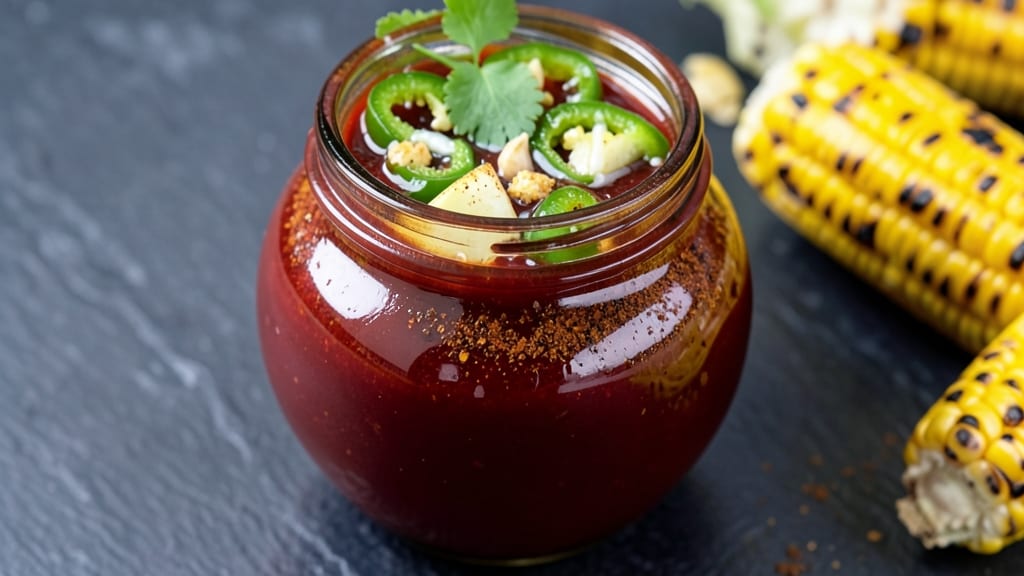
This apple habanero hot sauce recipe transforms bold heat into a complex, tangy-sweet sauce with deep smoky notes—perfect for adding depth to everything from tacos to grilled meats.
The fermentation process unlocks layers of flavor while balancing habanero’s fiery kick with apple’s natural sweetness, creating a sauce that’s as versatile as it is addictive. I developed this recipe after years of experimenting with fermented hot sauces, and the apple base was the game-changer that made it stand out.
The process starts with fermenting habanero peppers and apple pieces in saltwater for 5-7 days, which softens the peppers and builds tangy depth. After fermentation, you’ll blend the mixture with vinegar, garlic, and spices to create a smooth, balanced sauce that’s neither too sweet nor overwhelmingly hot.
The key lies in adjusting the apple-to-habanero ratio—more apple for a milder, fruit-forward sauce or extra habanero for a fiery kick.
What you’ll end up with is a smoky, fermented hot sauce that’s rich in flavor and complexity, with a perfect balance of sweetness, heat, and tang. It’s ideal for drizzling over tacos, grilled meats, or even eggs, or using as a marinade for extra depth.
The fermentation process also means the sauce improves over time, developing even more flavor as it ages in the fridge.
Ready in about 2 weeks (including fermentation time), this sauce is worth the wait—especially if you love bold, layered flavors.
Store it in the refrigerator for up to 6 months, and don’t be afraid to experiment with additions like smoked paprika or a touch of honey to tailor it to your taste. Let’s get started!
Ingredients for apple habanero hot sauce
Nine ingredients to create a complex, fermented hot sauce with smoky depth and tangy sweetness.
| Ingredient | Amount | Notes |
|---|---|---|
| Habanero Peppers 🌶️ | 4 whole | Organic, preferably fresh |
| Granny Smith Apples 🍎 | 2 whole | Organic, cored and chopped |
| Non-Chlorinated White Vinegar 💧 | 1 cup | For acidity and preservation |
| Sea Salt 🧂 | 2 tbsp | Non-iodized, for fermentation |
| Garlic Cloves 🧄 | 6 cloves | Fresh, peeled and minced |
| Smoked Paprika 🌶️ | 1 tbsp | For smoky depth (optional) |
| Cayenne Pepper 🔥 | 1 tsp | Adjust for desired heat level |
| Black Peppercorns 🌶️ | 10 whole | Freshly cracked for texture |
| Filtered Water 💧 | 2 cups | For brine solution |
| Honey or Agave Nectar 🍯 | 1 tbsp | Balances heat (optional) |
The habaneros are the heart of this sauce—organic is best to avoid waxy coatings that can dull flavor. Grab them at Whole Foods or a local farmers market if possible, where they’re often fresher than the grocery store. Granny Smith apples add the perfect tartness to balance the heat, so pick firm ones with no bruises. For vinegar, Maelstrom brand is my go-to—it’s non-chlorinated and adds a clean acidity. If you can’t find organic habaneros, regular ones work, but rinse them thoroughly to remove any residue. The smoked paprika is optional but adds that signature smoky note that makes this sauce stand out—Penzeys has a great selection if you want to splurge.
No habaneros? Scotch bonnet peppers are the closest substitute, though they’ll be slightly hotter. Swap the Granny Smith for Green apples if that’s what you have, but expect a milder flavor. Vinegar substitutes? Apple cider vinegar works in a pinch, but it’ll add a fruity note. The honey or agave is optional, but if you skip it, add an extra 1 tbsp of apple juice to keep the sweetness balanced. For the spices, toast the peppercorns in a dry pan for 1 minute before adding to intensify their flavor. If you’re sensitive to heat, reduce the cayenne to half a teaspoon or omit it entirely.
Ferment in a sterilized glass jar with a lid, keeping it submerged in the brine. Store at room temperature for 5-7 days, then refrigerate. The sauce will continue fermenting in the fridge, developing deeper flavor over 2-4 weeks. For long-term storage, transfer to a clean jar and keep for up to 6 months. If you make extra, freeze in ice cube trays for easy single-serving use. The flavor actually improves with time—wait at least 2 weeks before tasting if you can!
Why You'll Love This Recipe
- No-Fuss Blend: I swear, this comes together in one pot with zero fuss. Just toss in the habaneros (seeds out if you’re sensitive), diced Granny Smiths, crushed garlic, and vinegar—no peeling, no fancy techniques. The apples soften while the vinegar works its magic, and before you know it, you’ve got a jar of bright, tangy heat.
- Sweet Heat Balance: That first bite of crisp apple cutting through the habanero’s punch? Chef’s kiss. The Granny Smith keeps it sharp and refreshing, while the garlic adds this warm, savory depth that makes it way more than just a spicy condiment. It’s the kind of heat you’ll chase with another bite—honestly, I’ve caught myself sneaking dips just to taste it.
- Game-Changer for Grilling: This sauce is my summer secret weapon. Drizzle it over grilled chicken, toss it with corn on the cob, or use it as a marinade for pork chops—it caramelizes beautifully with the smoke. And the best part? It’s not just for cookouts. Slather it on tacos, mix it into mayo for sandwiches, or even stir it into Bloody Marys. (Yes, even on a Tuesday night.)
- Lasts for Months: Make a big batch—you’ll thank me later. The vinegar preserves it beautifully, so I keep a jar in my fridge for weeks, and it only gets better as the flavors meld. Plus, the ingredients are cheap: a few peppers, an apple, garlic, and vinegar. It’s the kind of pantry staple that feels fancy but costs next to nothing. My husband still asks where I buy it.
Step-by-step instructions for fermented apple habanero hot sauce
Here's how to craft a balanced, complex hot sauce where fruity sweetness meets fiery habanero depth.
Sterilize and Prepare the Base Ingredients
Start by thoroughly cleaning all equipment—your fermentation jar, utensils, and cutting boards—with boiling water. This prevents contamination during fermentation. Core and chop the 2 whole Granny Smith Apples into ½-inch chunks, removing any seeds or bruised areas. The tartness of Granny Smiths balances the habanero's heat beautifully.
Remove stems from the 4 whole Habanero Peppers and cut them into ¼-inch rings, keeping seeds if you prefer extra heat. The peppers should be fresh but not overly ripe—look for firm, vibrant red or orange skins. Crack the 10 whole Black Peppercorns with a mortar and pestle or heavy knife until you have coarse grains. This adds subtle peppery complexity without overpowering the sauce.
Create the Fermentation Brine
In a clean bowl, combine the 2 cups Filtered Water with the 2 tbsp Sea Salt, stirring until fully dissolved. The solution should taste like seawater—this ensures proper fermentation. Add the minced 6 cloves Garlic Cloves, the 1 tbsp Smoked Paprika, and the 1 tsp Cayenne Pepper to the brine. Stir well to distribute all spices evenly. This mixture forms the flavor foundation that will develop during fermentation.
Here's the thing—fermentation is a living process. The salt concentration prevents harmful bacteria while allowing beneficial microbes to thrive. If you notice any mold or foul odors after 48 hours, discard the batch immediately. The brine should remain clear with no visible particles after mixing.
Layer and Pack the Fermentation Jar
Pack the chopped Granny Smith Apples and Habanero Pepper rings tightly into your sterilized fermentation jar, leaving about 1 inch of headspace at the top. Add half of the cracked Black Peppercorns and half of the garlic-spiced brine mixture. Press down gently to eliminate air pockets. This layering ensures even fermentation throughout the jar.
Add the remaining apples, peppers, and the rest of the brine mixture. The liquid should cover all ingredients by at least 1 inch—this prevents mold growth. Place a fermentation weight or a smaller jar filled with water on top to keep ingredients submerged. Seal the jar tightly and let it sit at room temperature, away from direct sunlight.
Ferment for 5-7 Days
Check your sauce daily during the first 3 days. You'll notice bubbles forming and a slight effervescence—this is normal fermentation at work. After 5 days, taste a small amount. The flavors should be developing: bright apple acidity with emerging habanero heat. The sauce should smell tangy with a subtle sweetness.
Continue fermenting for a total of 7 days, checking daily. The ideal fermentation time balances sweetness and heat. If the sauce smells overly sour or develops a strong alcohol odor, it's over-fermented. At this stage, the sauce should be ready for processing—it will continue developing flavor during the next steps.
Blend and Bottle the Hot Sauce
After fermentation, strain the mixture through a fine-mesh sieve or cheesecloth, pressing gently to extract all liquid. Discard the solids or compost them. In a clean bowl, combine the strained liquid with the 1 cup Non-Chlorinated White Vinegar and the 1 tbsp Honey or Agave Nectar. The vinegar preserves the sauce while the sweetener balances the habanero's intensity.
Blend the mixture until smooth, then transfer to sterilized bottles. Seal tightly and let the sauce rest at room temperature for 24 hours before refrigerating. The final product should have a vibrant red-orange hue with a complex flavor profile: bright apple sweetness, smoky depth from the paprika, and habanero heat that builds gradually. Store in the refrigerator for up to 3 months.
Pro Tips For Making Apple Habanero Hot Sauce
- CHAR THE APPLES FIRST: Toss diced Granny Smith apples in a pinch of salt and let them sit 10 minutes before cooking—this pulls out excess moisture so your sauce doesn’t turn watery. I learned this the hard way when my first batch looked like apple cider instead of hot sauce.
- PEEL THE HABANEROS: Remove stems and seeds, then peel the habaneros before blending—it cuts bitterness and keeps the sauce from tasting like raw pepper skin. Sounds tedious, but it makes a real difference, especially if you’re using fresh, waxy peppers.
- SIMMER LOW AND SLOW: Reduce heat to a bare simmer after the first 10 minutes—boiling burns the apples and turns the sauce bitter. I used to rush it, and my sauce always tasted off until I dialed it back to a gentle bubble.
- ADD GARLIC LATE: Crush garlic cloves and stir them in during the last 5 minutes of cooking—this prevents them from turning bitter. My grandmother swore by this, and she was right: raw garlic flavor in hot sauce is a dealbreaker.
Perfect pairings for apple habanero hot sauce
Taco Night Elevation
This hot sauce transforms tacos into a flavor explosion. Drizzle 1 tbsp over crispy carnitas or al pastor for a sweet-spicy contrast that cuts through the fat. I like to add ½ tsp of the sauce to the taco's slaw mix for extra zing.
For a smoky kick, brush it on grilled corn tortillas before assembling your tacos—it caramelizes beautifully. 🌶️
Grilled Meat Glaze
Use this sauce as a marinade or glaze for grilled meats like ribs or chicken thighs. Mix ¼ cup of the sauce with 2 tbsp olive oil and brush it on during the last 5-10 minutes of grilling.
The apple sweetness caramelizes while the habanero adds heat that lingers. I love it on pork shoulder—it replaces BBQ sauce completely. 🔥
Breakfast Boost
Add a dash to scrambled eggs or omelets for a morning heat kick. Start with ½ tsp per serving and adjust to taste. The apple balances the heat beautifully, making it perfect for breakfast burritos or even drizzled over avocado toast.
For extra richness, mix 1 tsp of the sauce with 1 tbsp sour cream for a spicy-sweet dip. ✨
Seafood Pairings
This sauce shines with seafood, especially grilled shrimp or fish tacos. Toss peeled shrimp in 2 tbsp of the sauce before grilling for 2-3 minutes per side. The acidity in the vinegar keeps the shrimp tender while the heat stands up to delicate flavors.
For fish, brush it on lightly before baking—it adds a tangy crust that’s irresistible. 🍤
Cheese Board Secret
Elevate your cheese board by pairing this sauce with aged cheddar, gouda, or even brie. The sweetness of the apple complements the richness of the cheese, while the habanero adds a spicy contrast.
I like to serve it in a small bowl with toothpicks for dipping. For a decadent touch, drizzle it over warm, melted cheese on a flatbread pizza. 🧀
Cocktail Enhancer
Add ½ tsp to margaritas, palomas, or even a classic whiskey sour for a fruity-spicy twist. The apple balances the heat while the habanero adds complexity.
For a non-alcoholic option, mix 1 tbsp of the sauce with sparkling water and a squeeze of lime for a refreshing spicy apple spritzer. 🍹
Nutrition facts
Frequently asked questions
Why ferment apple habanero hot sauce instead of cooking it?
Fermentation creates deeper, more complex flavors by breaking down sugars and building tangy acids naturally. The process softens habanero heat while developing apple's sweetness into caramel-like notes. Cooked sauces miss this layered development—fermentation transforms simple ingredients into something truly special.
How do I adjust the heat level?
For milder heat, reduce habanero seeds or use 2 peppers instead of 4. For extra spice, add ½ tsp cayenne or include seeds. Always taste after fermentation—you can't remove heat once added, but you can balance it with more apple or honey during blending.
Can I make this without fermentation?
Yes! Skip fermentation and simmer 1 cup chopped apple + 2 habaneros with 1 cup vinegar and 1 tbsp honey for 10 minutes. Strain and bottle. The result will be hot and sweet but lack fermentation's depth. For best flavor, stick with the full process.
What if my sauce smells bad during fermentation?
Discard it immediately—off odors mean spoilage. Normal fermentation smells like tangy apples or mild vinegar. If you see mold or hear hissing, toss the batch. Always use sterilized equipment and keep ingredients submerged in brine to prevent contamination.
How long does it take to make?
The full process takes 2 weeks: 5-7 days active fermentation + 1 week resting after blending. The waiting pays off—flavor develops dramatically during this time. For quicker results, ferment only 3 days (less complex) or use pasteurized ingredients.