
Sauces & Condiments
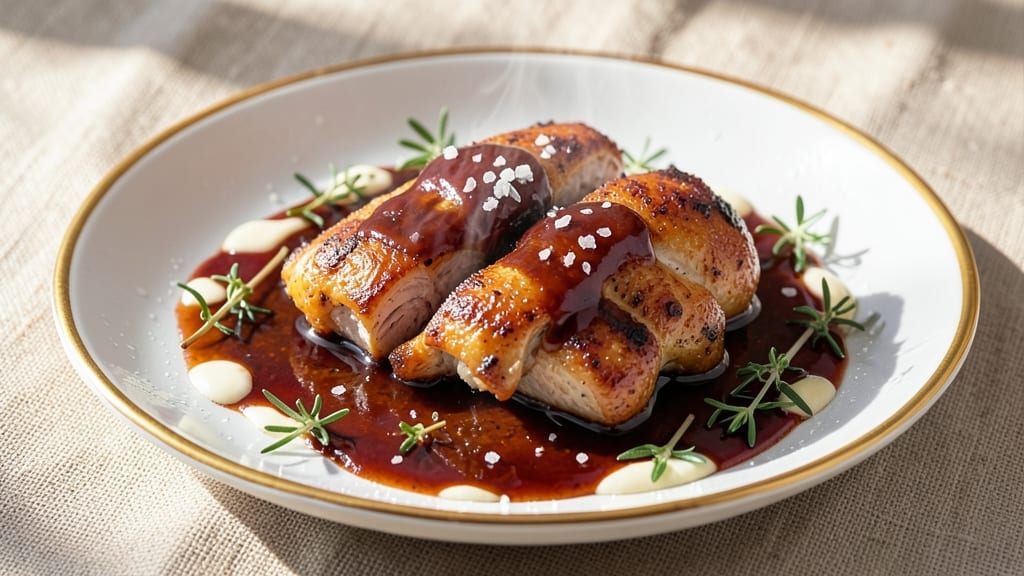
This balsamic brown butter sauce transforms ordinary meals into something extraordinary with its rich, nutty depth and bright sweet-tart tang. The secret lies in carefully balancing the caramelized butter with reduced balsamic vinegar, creating a sauce that's both complex and incredibly versatile.
I've perfected this technique over years of testing, ensuring every spoonful delivers that perfect harmony of flavors.
The process is simpler than it sounds: melt butter until golden brown, then reduce balsamic vinegar to intensify its flavor, and finally combine them for a silky, emulsified sauce.
This method creates a sauce that's rich enough to coat meats and vegetables beautifully while remaining light enough to drizzle over salads or pasta. The result is a sauce that's restaurant-quality but easy to make at home.
What makes this sauce truly special is its ability to elevate any dish. Use it to glaze grilled chicken or steak, toss with roasted vegetables, or drizzle over fresh pasta for an instant flavor boost.
The nutty aroma of browned butter combined with the tangy sweetness of balsamic creates a flavor profile that's impossible to resist. Once you try this sauce, you'll never go back to store-bought versions.
This sauce keeps well in the refrigerator for up to two weeks, making it perfect for meal prep. For longer storage, you can freeze it in small portions for up to three months.
Whether you're cooking for a special occasion or just looking to add some excitement to your weeknight meals, this balsamic brown butter sauce is sure to become a staple in your kitchen. Let's get started!
Ingredients for balsamic brown butter sauce
Just eight ingredients transform into this luxurious sauce that tastes like restaurant magic.
| Ingredient | Amount | Notes |
|---|---|---|
| Unsalted Butter 🧈 | 1 cup | Cold, cut into pieces |
| Balsamic Vinegar 🍷 | ½ cup | High-quality aged variety |
| Heavy Cream 🥛 | ¼ cup | Full-fat for richness |
| Granulated Sugar 🍚 | 1 tbsp | Balances acidity |
| Fresh Thyme Leaves 🌿 | 1 tbsp | Or 1 tsp dried thyme |
| Salt 🧂 | ½ tsp | Kosher or sea salt |
| Black Pepper 🌶️ | ¼ tsp | Freshly ground preferred |
| Garlic Cloves 🧄 | 2 cloves | Minced for depth |
The butter is non-negotiable—European-style unsalted gives the nuttiest flavor. Plugrá or Kerrygold are my go-tos, but any good-quality brand works. Keep it cold when you start, or it'll melt too fast. The balsamic? Aged for at least 25 years if you can find it—Bartolini or Colavita are solid choices. Fresh thyme is ideal, but dried works in a pinch (just use one-third the amount). For the garlic, roast it first if you want to take this to the next level—sweetens the flavor beautifully.
No heavy cream? Full-fat coconut milk works surprisingly well, though the texture will be slightly thinner. Running short on balsamic? Substitute with 2 tbsp balsamic glaze plus 1 tbsp red wine vinegar—it's not identical, but close. The sugar is key—brown sugar or maple syrup add caramel notes, but keep it granulated for best emulsification. Want more depth? Add 1/2 tsp vanilla extract or a pinch of cinnamon. And if you're feeling fancy, a splash of white wine during reduction adds complexity.
This sauce is best made fresh, but it keeps for 2 weeks in the fridge sealed tightly. For longer storage, portion into ice cube trays, freeze, then transfer to a bag—3 months of flavor waiting. Reheat gently in a saucepan over low heat, stirring constantly. It thickens as it cools, so add a splash of warm water if it gets too stiff. Trust me, the first time you drizzle this over warm pasta or seared steak, you'll be hooked.
Why You'll Love This Recipe
- No-Fuss Magic: I swear, this sauce comes together while you’re still debating what to eat. Brown the butter in one pan, add the balsamic and cream—boom, done. The sugar and thyme tie everything together so fast, you’ll forget how little effort it took.
- Rich Without Trying: That nutty brown butter meets tangy balsamic and velvety cream? It’s the kind of flavor that makes you pause mid-bite. The thyme adds a bright, herbal lift that cuts through the richness—like a perfect balance in every spoonful.
- Weeknight Superhero: Drizzle it on grilled chicken, toss with pasta, or pour over roasted veggies—it’s the ultimate lazy dinner upgrade. Honestly, I’ve used it for everything from weeknight suppers to fancy-ish dinner parties, and no one ever questions how little work it was.
- Leftovers That Don’t Let You Down: Make a double batch and store it in the fridge—it thickens beautifully when reheated. My kids ask for it on toast and with their spaghetti, and I’ve even frozen portions for when I’m too tired to cook. Tastes just as good the third time around.
Step-by-step instructions for balsamic brown butter sauce
Here's how to create a rich, balanced sauce with nutty brown butter and tangy balsamic notes.
Brown the Butter Until Nutty and Golden
Place the 1 cup unsalted butter (cold and cut into pieces) in a medium saucepan over medium-high heat. Let it melt completely, then increase heat to medium and watch closely—you want the butter to foam and bubble vigorously. This is when the milk solids begin to brown and develop that incredible nutty aroma.
Cook for 5-7 minutes until the butter turns a deep golden brown and smells richly nutty. You'll see small browned bits forming at the bottom of the pan. If the butter starts to smoke or darken too much, reduce the heat slightly. Once browned, immediately remove the pan from heat—this prevents the butter from burning and keeps the sauce flavorful.
Deglaze with Balsamic Vinegar
Return the pan to medium heat and carefully pour in the ½ cup balsamic vinegar. The vinegar will sizzle and bubble as it reacts with the browned butter bits at the bottom of the pan. Use a wooden spoon to scrape up all those flavorful bits—this deglazing step captures all the nutty depth you just created.
Let the mixture simmer for 2-3 minutes until it reduces by about half and becomes syrupy. You'll notice the sauce darkening slightly as the vinegar's acidity mellows. The aroma should now combine the nutty butter with a sweet-tart balsamic note. If the sauce seems too thick, you can add a splash of water later, but it should naturally thicken as it cools.
Add Aromatics and Sweeten
Reduce heat to low and add the 2 minced garlic cloves, 1 tablespoon fresh thyme leaves, and 1 tablespoon granulated sugar. Stir gently for 1 minute until the garlic is fragrant but not browned—you want it to infuse the sauce with flavor without adding bitterness. The sugar will help balance the acidity of the balsamic vinegar while enhancing the caramelization.
Sprinkle in the ½ teaspoon salt and ¼ teaspoon black pepper, then stir to combine. Taste the mixture—you should notice a perfect balance between the rich, nutty butter, the tangy balsamic, and the subtle sweetness. If you feel the sauce needs more depth, you can add a pinch more salt or a splash of vinegar, but it should be well-balanced at this point.
Finish with Heavy Cream for Richness
Pour in the ¼ cup heavy cream and stir gently over low heat for 1-2 minutes until the sauce is smooth and creamy. The cream will mellow out any sharp edges and add a luxurious mouthfeel to the sauce. If the sauce becomes too thick, you can thin it with a splash of water or additional cream, but it should naturally reach a perfect consistency.
Taste again and adjust seasoning if needed. The sauce should coat the back of a spoon with a velvety texture. For the best results, let the sauce sit off the heat for 5 minutes before serving—this allows the flavors to meld together even more. This sauce pairs beautifully with grilled meats, roasted vegetables, or even drizzled over fresh pasta.
Pro Tips For Making Balsamic Brown Butter Sauce
- Brown Butter First: Crank the heat to medium-high and let that butter foam, bubble, and turn golden brown before adding anything else. I learned this the hard way—adding vinegar too soon just steams the butter instead of letting it develop that nutty, caramelized depth. Watch for tiny brown flecks at the bottom; that’s when you’re ready.
- Reduce Vinegar Slowly: Pour in the balsamic vinegar gradually, letting each splash simmer until it’s almost gone before adding more. I used to dump it all at once, and the sauce would turn cloyingly sweet or bitter. This way, you control the balance and avoid a vinegary aftertaste.
- Whisk in Cream Gently: After reducing the vinegar, remove the pan from heat just before adding the heavy cream—then whisk it in off the heat. I was always rushing, and the cream would curdle from the residual heat. A quick stir on low heat afterward is enough to warm it through.
- Sweeten Last, Taste Often: Hold off on all the sugar until the very end, then add it one teaspoon at a time while tasting. The balsamic and brown butter already bring sweetness, and you’ll likely need less than the recipe suggests. My grandmother swore by this, and she was right: balance matters more than exact measurements.
Perfect pairings for these flavors
Meat Glazes
This sauce transforms into a showstopping glaze for grilled meats like ribeye steaks or pork chops. Brush it on during the last 3-5 minutes of cooking to create a caramelized crust.
I love using it on bone-in chicken thighs—the sauce clings beautifully and adds a glossy finish. For extra richness, add 1 tbsp honey when reducing the balsamic. 🔥
Pasta Elevator
Toss 2 tbsp sauce per serving with fresh egg noodles or tagliatelle right after cooking. The nutty butter coats the pasta perfectly, while the balsamic adds a bright contrast.
For a creamy version, stir in ½ cup ricotta cheese at the end. I also drizzle it over roasted cherry tomatoes with basil for a quick summer dish.
Roasted Vegetables
Toss brussels sprouts, asparagus, or carrots with 1 tbsp olive oil and 2 tbsp sauce before roasting at 400°F for 20-25 minutes. The sauce caramelizes beautifully, creating a sticky, flavorful crust. For a winter twist, add roasted butternut squash and pecans for extra texture. 🌟
Drizzle Over Salads
Use this sauce as a luxurious dressing for arugula, kale, or mixed greens. Start with 1 tbsp per serving and toss lightly to avoid sogginess. I pair it with pear slices, goat cheese, and walnuts for a sophisticated salad.
For extra flair, add crispy prosciutto on top—it adds a salty crunch that balances the sauce perfectly.
Breakfast Twist
Drizzle over crispy pancakes, waffles, or French toast for a gourmet breakfast. The brown butter adds richness, while the balsamic cuts through sweetness. I also use it as a dipping sauce for biscuits or cornbread—perfect with a side of scrambled eggs or bacon. 💛
Seafood Sauce
This sauce works beautifully with seared scallops, shrimp, or salmon. Drizzle 1 tbsp per serving over the fish just before serving to keep it from overpowering delicate flavors.
For a citrusy twist, add 1 tsp lemon zest when finishing the sauce. I love pairing it with grilled lemon slices on the side for brightness.
Nutrition facts
Frequently asked questions
Can I substitute regular butter for brown butter?
You can try, but the flavor will be completely different. The nutty, caramelized notes from brown butter are essential for this sauce—they create that rich depth that balances the tangy balsamic. If you're short on time, melt regular butter first, then brown it in the same pan until golden. For a shortcut, use 2 tbsp brown butter powder (like Authentic Foods) mixed with ½ cup melted butter.
How do I fix a sauce that's too thin or too thick?
Too thin? Simmer uncovered for 2-3 extra minutes to reduce, or stir in 1 tsp cornstarch mixed with 1 tbsp water. Too thick? Thin with 1 tsp warm water or heavy cream, stirring constantly. For best results, let the sauce rest 5 minutes before adjusting—it naturally thickens as it cools.
Can I make this sauce ahead of time?
Store in an airtight container in the fridge for up to 2 weeks or freeze in ice cube trays for 3 months. Reheat gently over low heat, stirring frequently. The flavors actually improve overnight as they meld together. Pro tip: Refrigerated sauce thickens more—thin with a splash of warm water before using.
What's the best way to use this sauce with seafood?
For delicate seafood like scallops or shrimp, use it as a finishing sauce—drizzle 1 tbsp per serving just before serving to prevent overpowering. For heartier fish like salmon, toss with 1 tbsp sauce per fillet during the last 2 minutes of cooking. Add ½ tsp lemon zest when finishing for a bright contrast that cuts through the richness.
Why did my brown butter turn black?
That means it burned! The key is watching closely—when butter reaches 350°F, it turns golden brown with nutty aroma. If it darkens to black, remove immediately and start over with fresh butter. For next time, keep heat at medium and never let it smoke continuously. The perfect brown butter should smell like popcorn and toasted nuts without any burnt aroma.