
Sauces & Condiments
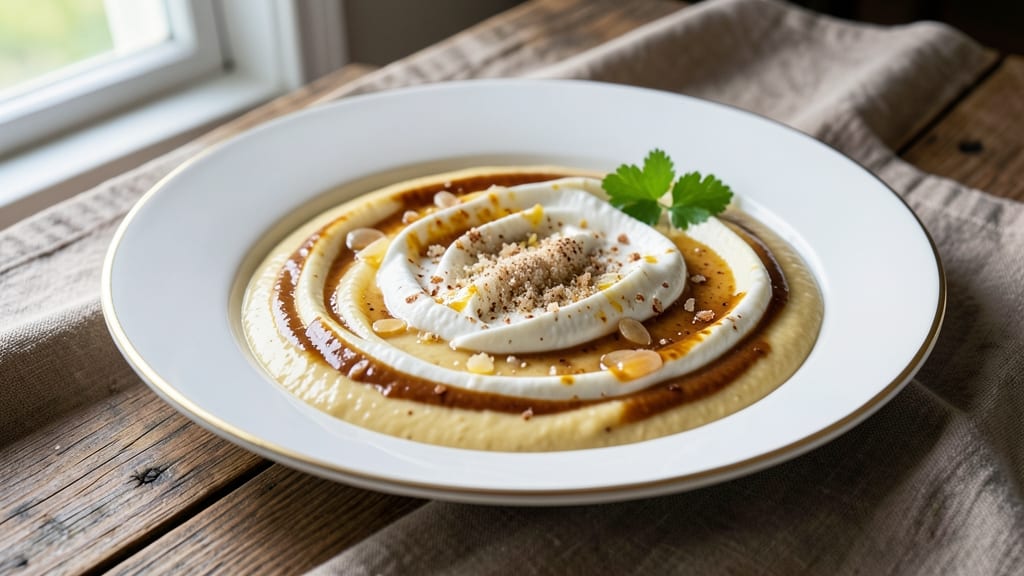
This alfredo sauce recipe with ricotta cheese delivers restaurant-quality creaminess with a subtle nutty depth that transforms ordinary pasta into something extraordinary. The secret lies in blending ricotta’s gentle richness with traditional alfredo ingredients—creating a sauce that’s velvety yet light, perfect for clinging to every strand of fettuccine without weighing it down.
What sets this recipe apart is the ricotta, which adds natural creaminess while reducing the need for heavy cream. We start with butter and garlic for a fragrant base, then whisk in ricotta, Parmesan, and a splash of heavy cream to achieve that signature ultra-smooth texture.
A pinch of nutmeg and black pepper elevates the flavor profile, ensuring each bite is both comforting and sophisticated.
The result is a sauce that’s foolproof—no lumps, no separation, and no need for constant stirring. It coats pasta effortlessly, leaving behind a luxurious, golden finish.
The best part? This sauce keeps beautifully in the fridge for up to 5 days, making it ideal for meal prep or last-minute dinner upgrades.
Whether you’re serving it over fettuccine, chicken, or vegetables, this ricotta alfredo will elevate any dish with its rich, nutty complexity. Let’s get cooking—your taste buds will thank you.
Ingredients for alfredo sauce recipe with ricotta cheese
Nine ingredients blend to create this ultra-creamy alfredo with nutty depth that clings perfectly to pasta.
| Ingredient | Amount | Notes |
|---|---|---|
| Unsalted Butter 🧈 | ¾ cup | Cold, cubed for even melting |
| Whole Garlic Cloves 🧄 | 4 cloves | Minced, not pressed or powdered |
| Part-Skim Ricotta Cheese 🧀 | 1 cup | Room temperature for smooth blending |
| Freshly Grated Parmesan Cheese 🧀 | ¾ cup | From a high-quality wedge |
| Heavy Cream 🥛 | ½ cup | Full-fat for luxurious texture |
| Fresh Nutmeg 🌿 | ¼ tsp | Freshly grated, not pre-ground |
| Freshly Ground Black Pepper 🌶️ | ½ tsp | Cracked peppercorns preferred |
| Diamond Crystal Kosher Salt 🧂 | ¼ tsp | Adjust to taste, don't skip |
| Extra-Virgin Olive Oil 🫒 | 2 tbsp | For finishing, fruity variety |
The ricotta and Parmesan are the stars here—Whole Foods bulk bins have the best quality, but any reputable grocery store's fresh ricotta works. Look for ricotta that's smooth and slightly moist—none of that grainy stuff. For Parmesan, skip the pre-grated—it's full of anti-caking agents that make the sauce grainy. I always grab a wedge from Trader Joe's or Costco for the best flavor. The butter should be cold and cubed when you start—this prevents the sauce from breaking. Fresh nutmeg is a game-changer here; Penzeys whole nutmeg is worth the splurge if you make this often.
No ricotta? Cream cheese plus a splash of milk gets you close—just add an extra tablespoon of heavy cream to compensate. Short on Parmesan? Pecorino Romano at 1:1 ratio works beautifully, though it's nuttier. The olive oil isn't just for finishing—it adds brightness that balances the richness. No fresh nutmeg? Ground nutmeg at half the amount, but trust me, fresh is better. Want to make it lighter? Swap half the heavy cream for whole milk. The garlic can be roasted for a sweeter flavor—just toss the minced cloves in a dry pan for 3 minutes before adding to the butter.
This sauce reheats beautifully—just warm it gently on the stove with a splash of milk or water to prevent curdling. Keeps 5 days in the fridge, sealed tightly. For freezing, portion into ice cube trays first—thaw and reheat only what you need. The ricotta gives it a velvety texture that separates when frozen, but the ice cube method preserves that perfection. Make a double batch—it disappears faster than you think, especially when served over fettuccine or grilled chicken. Leftovers? Toss with sautéed mushrooms or roasted veggies for a quick weeknight dinner.
Why You'll Love This Recipe
- No Garlic Overload: I swear by this trick—just three whole cloves, lightly toasted in butter until they smell like heaven but don’t turn the sauce into a pungent nightmare. The ricotta keeps it mellow, creamy, and actually balanced.
- Creamy Without the Guilt: Heavy cream and ricotta team up for that signature velvety texture, but here’s the secret: part-skim ricotta cuts the fat without sacrificing richness. It’s like a spa day for your Alfredo—all the comfort, half the heaviness.
- Leftovers That Shine: This sauce begs to be made ahead. The flavors meld overnight, and reheating it? Just a splash of milk or a stir with a bit of butter—no lumps, no sad texture. I’ve fed a crowd with it cold on pasta salad, too.
- Budget-Friendly Luxury: Freshly grated Parmesan and ricotta might sound fancy, but they stretch further than you’d think. A block of Parmesan lasts weeks, and ricotta is cheaper than jarred Alfredo by a mile. Fancy taste, grocery-store math.
Step-by-step instructions for ultra-creamy ricotta alfredo sauce
Here's how to make a velvety, nutty alfredo that clings perfectly to pasta.
Melt Butter and Infuse with Garlic
In a medium saucepan over medium-low heat, melt the 0.75 cup unsalted butter until it's completely liquid but not browned. I like to keep the heat gentle here—too high and you'll burn the butter before the garlic releases its flavor. Add the 4 minced whole garlic cloves and cook for 2-3 minutes until fragrant and just beginning to turn golden. You'll smell that irresistible garlic aroma filling your kitchen—this is where the sauce builds its aromatic foundation.
Don't walk away during this step. Garlic burns quickly, and once it's browned, it turns bitter. Watch closely until the edges of the garlic are just turning golden—that's your signal to move to the next ingredient. The butter should be bubbling gently but not frothing or spattering.
Blend Ricotta and Parmesan for Silky Texture
Reduce the heat to low and immediately whisk in the 1 cup part-skim ricotta cheese and 0.75 cup freshly grated parmesan cheese. The ricotta will start to melt almost immediately, creating a thick, luxurious base. Use a whisk to break up any lumps and keep the mixture smooth. Here's the thing—ricotta has a tendency to separate if you heat it too quickly, so maintaining that low heat is crucial.
Let the mixture cook for 3-4 minutes, stirring constantly, until it becomes completely smooth and creamy. You'll see the sauce transform from chunky to velvety right before your eyes. This is where the magic happens—the ricotta's mild tang and the parmesan's sharp umami create that perfect balance. If you see any water beading on the surface, that's normal—just keep stirring until it evaporates.
Finish with Cream and Seasonings
Pour in the 0.5 cup heavy cream and stir to combine. Increase the heat to medium-low and let the sauce simmer gently for 4-5 minutes. The cream will help emulsify the sauce, giving it that signature alfredo sheen. While it simmers, add the 0.25 tsp fresh nutmeg, 0.5 tsp freshly ground black pepper, and 0.25 tsp diamond crystal kosher salt. The nutmeg adds that subtle, warm depth that makes this sauce special—don't skip it, even if you're not a fan of nutmeg in other dishes.
Taste the sauce and adjust the seasoning if needed. I usually find I need a tiny bit more salt at this point—remember, the parmesan is already salty, and we want to balance all those flavors. The sauce should be thick enough to coat the back of a spoon but still flow smoothly. If it's too thick, you can thin it with a splash of warm pasta water later, but we'll aim for perfection right now.
Finish with Olive Oil for Luxurious Shine
Remove the sauce from heat and stir in the 2 tbsp extra-virgin olive oil. This final step might seem odd—after all, we're making a creamy sauce—but the olive oil adds a fruity brightness that cuts through the richness and gives the sauce its signature glossy finish. The oil also helps prevent the sauce from separating when it hits the hot pasta.
Let the sauce rest for 2-3 minutes off the heat. This resting period allows all the flavors to meld together. The sauce should now be thick, creamy, and have that beautiful sheen that makes it look irresistible. If you're serving it immediately, you can proceed to toss with your cooked pasta. If you're making it ahead, let it cool completely and store it in the refrigerator for up to 3 days—just reheat gently on the stove with a splash of warm water or milk to restore its creamy texture.
Pro Tips For Making Alfredo Sauce Recipe With Ricotta Cheese
- Bloom the Garlic First: Toss those whole garlic cloves in the butter for 30 seconds until they’re just turning golden—no need to brown them fully. I learned this the hard way after burning three batches; the sauce ends up nutty and rich, not bitter or overpowering. Skip this, and you’ll taste raw garlic lingering like a bad date.
- Drain the Ricotta: Ricotta’s watery sidekick ruins the sauce’s creaminess. Spread it on a paper towel, cover it, and let it sit for 10 minutes while you melt the butter. Yes, it’s tedious, but the result is a velvety sauce instead of a thin, watery mess—your future self will notice.
- Low and Slow with Cream: Heavy cream scalds easily, and once it curdles, there’s no fixing it. Keep the heat at a gentle simmer—barely bubbling—and stir often. I used to rush it, and the sauce would split like a bad joke. Patience here guarantees a luscious, cohesive sauce.
- Grate Parmesan Fresh: Pre-shredded Parmesan hides anti-caking agents that make the sauce grainy. Freshly grate it right before mixing, and the texture will be silky, not sandy. I know, I know—it’s an extra step—but the difference is night and day, especially when tossed with fettuccine.
Serving suggestions for this dish
Pasta Pairings
This ricotta alfredo clings beautifully to fettuccine or tagliatelle, but don’t limit yourself! Try it with linguine for a slightly wider noodle or pappardelle for rustic charm. For extra indulgence, toss with cavatappi or farfalle—the creamy sauce will coat every crevice. 🍝
If you want to break the Italian mold, this sauce works wonderfully with chicken tenders or grilled shrimp. The nutty depth balances the richness of seafood perfectly. For a vegetarian twist, drizzle over roasted broccoli or sautéed mushrooms for a hearty side dish.
Protein Additions
Add grilled chicken breast or seared scallops to your pasta for a complete meal. The sauce’s creaminess complements the protein without overpowering it. For a lighter option, try poached salmon—the buttery texture pairs beautifully with the ricotta’s richness.
For a vegetarian protein boost, stir in white beans or crumbled feta cheese just before serving. The beans add texture, while the feta enhances the nutty depth of the sauce.
Garnish Ideas
Finish with fresh parsley or basil for a pop of color and brightness. A sprinkle of toasted pine nuts adds crunch and a nutty contrast. For a touch of luxury, top with shaved Parmesan or crispy prosciutto—it’s a game-changer. 🌿
If you love heat, add a pinch of red pepper flakes or a drizzle of hot honey for a sweet-spicy kick. The sauce’s richness balances the heat beautifully, making it a crowd-pleaser.
Make-Ahead Meal Prep
This sauce reheats like a dream—store it in an airtight container in the fridge for up to 5 days. When ready to serve, warm it gently on the stove with a splash of milk or water to restore its creaminess.
For meal prep, toss the sauce with cooked pasta and store separately to prevent sogginess.
Freeze portions in ice cube trays for easy reheating. Thaw overnight in the fridge, then warm gently. The sauce will be just as creamy as the day you made it!
Nutrition facts
Frequently asked questions about ricotta alfredo sauce
Why does this ricotta alfredo stay creamy without heavy cream?
The ricotta cheese acts as a natural thickener and fat base, reducing the need for heavy cream while adding a subtle tang. The 0.5 cup heavy cream we do use helps emulsify the sauce, but the ricotta's protein content creates that signature velvety texture without making it too rich. Plus, the freshly grated Parmesan adds fat and umami that binds everything together beautifully.
Can I make this sauce without ricotta?
Yes! For a close substitute, blend 8 oz cream cheese with 2 tablespoons milk until smooth, then use it in place of the ricotta. You may need to add an extra 1 tablespoon heavy cream to maintain the same creamy consistency. The texture will be slightly denser but still delicious.
What's the best way to prevent lumps when making this sauce?
Always whisk constantly while melting the ricotta and Parmesan, and keep the heat at low to prevent curdling. If lumps form, immediately remove the pan from heat and use an immersion blender or whisk vigorously to break them down. The key is patience—don't rush the process, and make sure your ricotta is at room temperature before adding it to the pan.
How do I adjust the consistency for different pasta shapes?
For thin noodles like spaghetti, keep the sauce slightly thinner by adding 1-2 tablespoons warm pasta water at the end. For wide, flat noodles like fettuccine, the current consistency works perfectly as-is. If using stuffed pasta, a slightly thicker sauce (simmered 1-2 minutes longer) helps it cling better. Always taste as you go!
Can I use this sauce as a dip or sauce for other dishes?
This ricotta alfredo makes an excellent dip for crudité, baked potato skins, or garlic bread. For other dishes, use it as a base for stuffed chicken, baked ziti, or as a creamy glaze for grilled vegetables. The nutmeg and pepper flavors work beautifully with roasted meats too. Just adjust the thickness by adding milk or water as needed.