
Sauces & Condiments
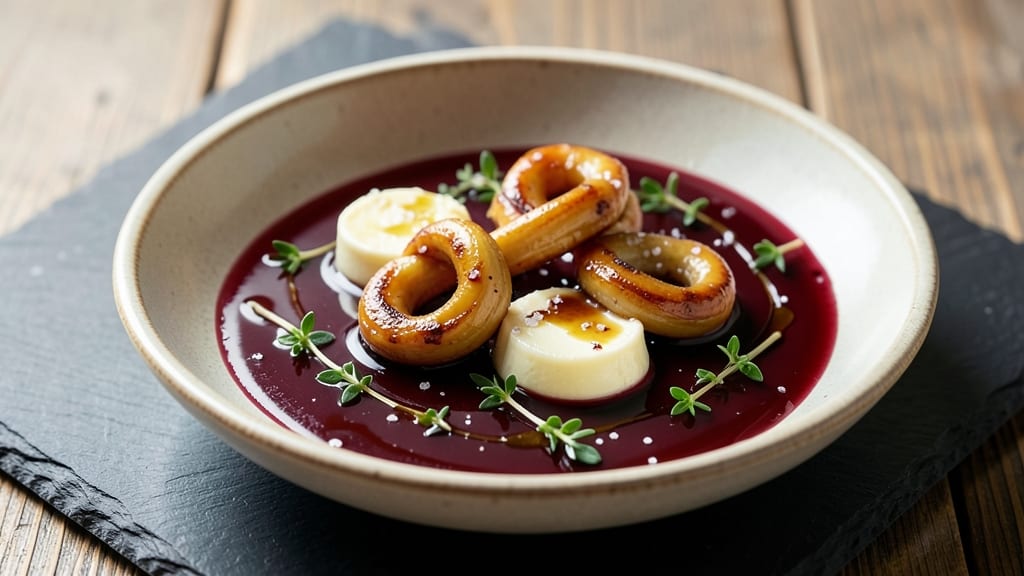
This balsamic butter sauce recipe transforms simple ingredients into a rich, tangy condiment that elevates everything from grilled meats to fresh pasta. The perfect balance of sweet and acidic notes comes from simmering butter with balsamic vinegar until it thickens into a glossy, velvety sauce.
I developed this recipe after craving a sauce that could turn ordinary weeknight dinners into something special without complicated techniques.
The magic happens in just 10 minutes—no fancy equipment needed. You’ll combine softened butter, high-quality balsamic vinegar, and a pinch of salt, then simmer until the mixture thickens and develops a deep, caramelized sheen.
Optional additions like minced garlic or fresh herbs can customize the flavor to suit your taste, but the classic version delivers bold, restaurant-quality results every time.
What makes this sauce so versatile is its ability to enhance a variety of dishes. Drizzle it over grilled steaks or chicken for an instant flavor boost, toss it with al dente pasta for a luxurious finish, or spread it on warm bread for a gourmet appetizer.
The sauce keeps well in the refrigerator for up to 2 weeks, making it a perfect pantry staple for quick meals.
Once you master this technique, you’ll find endless ways to use it—from drizzling over roasted vegetables to adding depth to marinades. The simplicity of the ingredients belies the complexity of the flavor, proving that even the most basic dishes can become extraordinary with the right finishing touch.
Ingredients for balsamic butter sauce
Six ingredients transform into a luxurious sauce that elevates grilled meats and pasta effortlessly.
| Ingredient | Amount | Notes |
|---|---|---|
| Unsalted Butter 🧈 | ¾ cup | Cold, cubed for even melting |
| High-Quality Balsamic Vinegar 🍷 | ½ cup | Aged 10+ years for depth |
| Diamond Crystal Kosher Salt 🧂 | ½ tsp | Fine grain preferred |
| Garlic Cloves 🧄 | 2 cloves | Optional, minced finely |
| Fresh Thyme Leaves 🌿 | 1 tbsp | Optional, finely chopped |
| Extra-Virgin Olive Oil 🫒 | 1 tbsp | For finishing, optional |
The butter and balsamic vinegar are the heart of this sauce—unsalted butter ensures you control the saltiness, while aged balsamic vinegar (10+ years) delivers that rich, complex flavor. For the best results, grab European-style butter from specialty stores like Whole Foods or Eataly, as it has higher fat content and melts more smoothly. The vinegar should be dark and syrupy; avoid the cheap, thin variety. If you're adding garlic or thyme, freshly minced garlic and organic thyme from the grocery store's produce section will give you the brightest flavor.
No aged balsamic? Red wine vinegar plus 1 tbsp brown sugar mimics the depth, though it won’t be identical. Skip the garlic if you dislike its intensity—just double the thyme for herbal brightness. For a dairy-free version, replace butter with vegan butter or coconut oil, though the texture will differ slightly. The olive oil finishing is optional but adds a silky sheen; California extra-virgin brands like Corto or Otto work beautifully. If you’re short on time, pre-minced garlic from the jar is fine, but fresh is always better.
This sauce thickens as it cools, so store it in a clean, dry glass jar with a tight seal. It keeps for 2 weeks refrigerated—the flavors deepen over time, making it even more delicious. For longer storage, freeze in ice cube trays and transfer to a bag; thaw in the fridge. Portion it into small jars for easy use on weeknight dinners. The sauce reheats beautifully—just warm gently over low heat or microwave for 20 seconds to restore its glossy texture.
Why You'll Love This Recipe
- Five-Ingredient Magic: I swear by this combo—soft butter, rich balsamic, and just a whisper of garlic and thyme. That’s it. No fancy techniques, no stress, just pure flavor in minutes.
- Balanced Bite: The salt cuts through the sweetness of the balsamic, while the thyme adds that earthy warmth. It’s creamy, tangy, and just sharp enough to make every bite feel special—no overpowering aftertaste here.
- Weeknight Superstar: Slather it on grilled chicken, toss it with roasted veggies, or melt it over crusty bread. Honestly, I’ve used it for everything from dinner to a quick charcuterie board fix—it’s my go-to for when I don’t want to overthink things.
- Makes Leftovers Shine: A little goes a long way, and the leftovers? Even better. The flavors meld overnight, so that second use on toast or pasta is next-level. Plus, butter and balsamic keep well—no waste here.
Step-by-step instructions for balsamic butter sauce
This sauce delivers a perfect balance of richness and acidity—ideal for elevating grilled meats or pasta.
🍳 Step 1: Melt the Butter and Reduce the Vinegar
Place a small saucepan over medium-low heat and add the 0.75 cup unsalted butter, cubed for even melting. Allow it to melt completely, then pour in the 0.5 cup high-quality balsamic vinegar. The vinegar will bubble vigorously at first—this is normal as the alcohol content evaporates.
Reduce heat to low and let the mixture simmer gently for 8-10 minutes, stirring occasionally. You're looking for the vinegar to reduce by about half, transforming from a thin liquid into a thick, syrupy consistency. The sauce should smell deeply aromatic with a complex balance of sweet and tangy notes. If it reduces too quickly, cover the pan to slow evaporation—this preserves the delicate flavors.
👨🍳 Step 2: Add Garlic and Thyme for Depth
Once the vinegar has reduced, remove the pan from heat and let it cool slightly for 1-2 minutes. Add the 2 cloves minced garlic and 1 tablespoon finely chopped fresh thyme leaves, stirring to combine. The garlic should infuse immediately, releasing its aromatic oils. Return the pan to low heat and cook for just 30 seconds—garlic burns quickly, and you want it to perfume the sauce without becoming bitter.
Stir in the 0.5 teaspoon Diamond Crystal kosher salt and taste the mixture. This is your flavor checkpoint: the sauce should be tangy from the reduced vinegar, rich from the butter, and subtly herbal from the thyme. Adjust the salt if needed—balsamic vinegar can vary in acidity, so this ensures balance. If you prefer a smoother texture, strain the mixture through a fine-mesh sieve to remove the thyme stems and any garlic bits.
🔥 Step 3: Finish with Olive Oil for Emulsion
For a silky, stable sauce that won't separate, remove the pan from heat and whisk in the 1 tablespoon extra-virgin olive oil. The olive oil acts as an emulsifier, binding the butterfat and vinegar reduction into a cohesive sauce. This step is optional but highly recommended—it prevents the sauce from becoming too heavy and adds a delicate fruity note that complements the richness.
Return the sauce to low heat for just 1 minute to warm through completely. The final texture should be glossy and velvety, with a thickness similar to heavy cream. If the sauce is too thick, whisk in 1 teaspoon warm water at a time until it reaches your desired consistency. For serving, transfer the sauce to a small bowl or ramekin and keep it warm over a pot of simmering water to maintain its texture.
Pro Tips For Making Balsamic Butter Sauce
- Melt Butter Slowly: Start with cold butter—cut it into small cubes and let it melt gradually over medium-low heat. I learned this the hard way after watching my butter seize up and turn grainy when I rushed it. The sauce will emulsify better, and you’ll avoid that weird, broken texture.
- Use Aged Balsamic: Skip the cheap stuff—aged balsamic vinegar (at least 10 years) adds depth and smoothness that regular vinegar can’t match. If you’re pinched for time, reduce store-bought balsamic glaze first to concentrate the flavor, but it won’t be the same.
- Minimize Heat Exposure: Once the balsamic starts to simmer, turn the heat down to the lowest setting or even remove the pan from heat briefly. After burning three batches, I finally realized that high heat turns balsamic bitter and darkens it too fast—you want caramelized, not burnt.
- Infuse Garlic Whole: Peel the garlic cloves but leave them whole—they’ll flavor the butter beautifully without turning to mush. After crushing a few cloves in frustration (yes, I did that), I realized whole cloves release aroma without overpowering the sauce. Remove them before serving unless you’re a fan of tiny garlic surprises.
Perfect pairings for this balsamic butter sauce
Grilled Meats
This sauce is a game-changer for grilled meats like steak, chicken, or pork chops. After cooking, let the meat rest for 5-10 minutes, then drizzle 1-2 tablespoons of warm sauce over the top. The tangy-sweet balance cuts through the richness of fatty cuts like ribeye or New York strip.
For extra flair, brush the sauce onto the meat during the last 2 minutes of grilling to create a caramelized crust. 🔥
Pasta Dishes
Toss 2-3 tablespoons of sauce with cooked pasta just before serving—it coats each strand beautifully. I love pairing it with fettuccine or linguine, but it works with any shape. For a creamy twist, stir in ¼ cup heavy cream at the end.
The sauce also elevates simple dishes like spaghetti aglio e olio by adding depth without overpowering the garlic and olive oil.
Bread & Appetizers
Spread this sauce on warm ciabatta or sourdough for an instant gourmet appetizer. I like to drizzle it over burrata or mozzarella for a quick charcuterie board centerpiece.
For extra richness, mix 1 teaspoon honey into the sauce before serving. It also works as a dipping sauce for freshly baked focaccia or rosemary bread.
Vegetable Sides
Drizzle 1-2 tablespoons over roasted vegetables like Brussels sprouts, asparagus, or zucchini. The acidity brightens earthy flavors, while the butter adds a luxurious finish. I often toss it with grilled eggplant or roasted carrots for a restaurant-worthy side. For extra texture, sprinkle with toasted pine nuts or crumbled feta.
Salads & Greens
Use this sauce as a dressing for arugula or mixed greens—just whisk 1 tablespoon with 1 tablespoon olive oil and a pinch of salt. It also pairs beautifully with goat cheese salads or roasted beet salads.
For a lighter version, reduce the butter to 2 tablespoons and add 1 teaspoon Dijon mustard for extra tang.
Breakfast Twist
Yes, this sauce works for breakfast too! Drizzle it over scrambled eggs, pancakes, or French toast for a sweet-savory surprise. I also love spreading it on toasted brioche with whipped cream and berries for a decadent brunch treat. The acidity balances the richness perfectly. 💫
Nutrition facts
Frequently asked questions
Can I use regular vinegar instead of balsamic?
The flavor will be completely different—balsamic vinegar's rich, caramelized notes are essential for this sauce. If you're out of balsamic, try a mix of red wine vinegar (0.3 cup) + 1 tbsp brown sugar to mimic some of the depth, but the texture and taste won't be identical. For the best results, always use high-quality aged balsamic.
Why did my sauce separate?
This usually happens when the butter and vinegar aren't properly emulsified. The olive oil finishing step prevents separation, but if you skipped it, whisk in 1 tsp warm water or 1 tsp lemon juice to re-emulsify. For future batches, always add the olive oil at the end and keep heat at low to maintain stability.
How can I make this sauce dairy-free?
Replace the butter with vegan butter or coconut oil (use 0.75 cup total). The texture will be slightly lighter, but the flavor remains rich. For extra tang, increase the balsamic to 0.6 cup and add 1 tsp maple syrup to balance. The sauce will still pair beautifully with grilled vegetables or pasta.
Can I make this ahead of time?
This sauce actually tastes better the next day as the flavors meld. Store it in an airtight container in the fridge for up to 2 weeks. Reheat gently over low heat or microwave for 20 seconds, stirring until smooth. The texture may thicken further—thin with 1 tsp warm water if needed.
What's the best way to store leftovers?
For short-term storage (2 weeks), keep in a clean, dry glass jar in the fridge. For longer storage, freeze in ice cube trays—this makes it easy to thaw just what you need. Portion into small containers for quick use on weeknight dinners. When reheating, warm over low heat to preserve the glossy texture.