
Sauces & Condiments
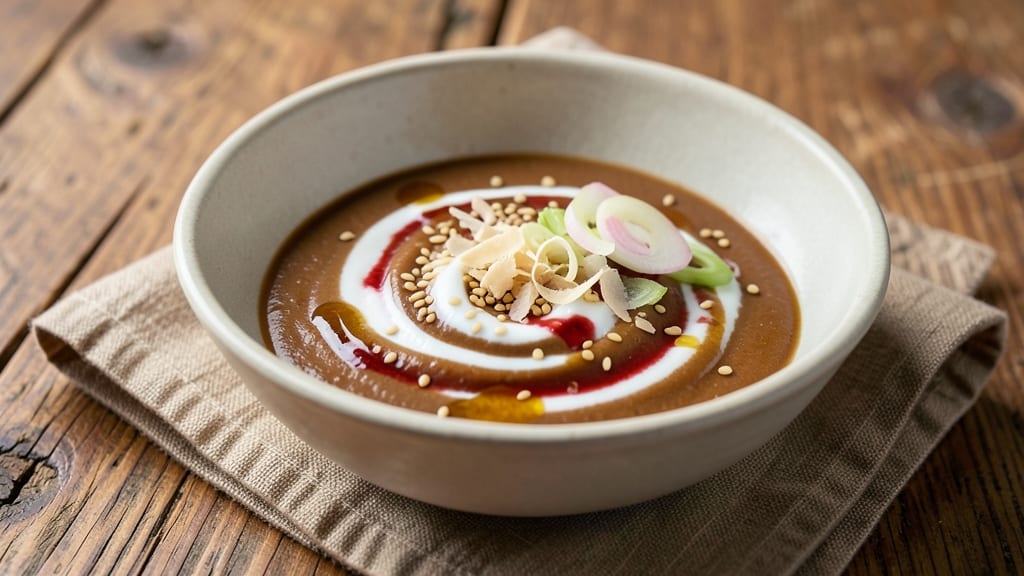
This ayam satay sauce recipe transforms simple ingredients into a rich, nutty masterpiece that elevates every skewer. 🌟 The secret lies in balancing creamy peanut butter, tangy tamarind, and fragrant spices—creating a sauce that's both bold and versatile.
Perfect for dipping, drizzling, or serving with grilled meats, this recipe delivers restaurant-quality flavor with minimal effort.
At the heart of this sauce is a blend of smooth peanut butter and coconut milk, which forms a velvety base. Toasted sesame seeds add depth and crunch, while tamarind brings the essential tang that cuts through the richness.
The spices—garlic, ginger, and a touch of chili—ensure every spoonful is packed with authentic Indonesian flavor.
What makes this sauce truly special is its adaptability. Use it as-is for a classic satay experience, or adjust the sweetness and spice to match your taste.
The sauce thickens beautifully as it cools, making it ideal for meal prep—store it in the fridge for up to a week or freeze for longer shelf life.
Once you taste this sauce, you’ll understand why it’s a staple in Indonesian cuisine. Whether you’re cooking for a crowd or treating yourself to a homemade feast, this recipe delivers the perfect balance of nutty, tangy, and aromatic flavors. Let’s get started!
Ingredients for ayam satay sauce
Nine simple ingredients create this velvety, nutty satay sauce bursting with authentic Indonesian flavor.
| Ingredient | Amount | Notes |
|---|---|---|
| Smooth Peanut Butter 🥜 | ½ cup | Natural, unsweetened preferred |
| Coconut Milk 🥥 | 13 ½ oz | Full-fat can for creaminess |
| Tamarind Paste 🍯 | 2 tbsp | Adjust for desired tanginess |
| Toasted Sesame Seeds 🌾 | 2 tbsp | Lightly browned for crunch |
| Garlic Cloves 🧄 | 4 cloves | Minced for aromatic depth |
| Fresh Ginger 🌿 | 1 tbsp | Grated, for zesty kick |
| Red Chili Flakes 🌶️ | 1 tsp | Adjust for heat preference |
| Soy Sauce 🍶 | 1 tbsp | Light or dark variety |
| Brown Sugar 🍚 | 2 tbsp | Packed, for caramel notes |
| Lime Juice 🍋 | 1 tbsp | Freshly squeezed |
The peanut butter and coconut milk form the sauce's creamy base, so choose full-fat versions—they deliver the richest texture. Trader Joe's and Asian markets carry excellent tamarind paste, but if you can't find it, sub with lime juice plus a pinch of sugar. Toast the sesame seeds in a dry pan until golden—30 seconds max—to unlock their nutty aroma. Garlic and ginger should be fresh; pre-minced jars lack the same punch. For the tamarind, look for blocks or paste in the international aisle, not the powdered kind.
No tamarind? Lime juice plus 1 tsp sugar mimics the tang, though it won't be identical. Substitute sesame seeds with toasted peanuts or cashews for a different crunch, but toast them first. If you prefer less heat, reduce chili flakes to 1/2 tsp or use cayenne at 1/4 tsp. The brown sugar adds depth—white sugar works, but it lacks molasses notes. For extra richness, stir in 1 tbsp coconut cream at the end. This sauce thickens as it cools, so blend briefly if you prefer it smoother.
Store leftovers in an airtight jar in the fridge for up to 1 week, or freeze for 3 months—it actually tastes better after resting. The sauce pairs perfectly with grilled meats, rice, or as a dipping sauce. For meal prep, double the batch and freeze in ice cube trays—thaw as needed for quick flavor boosts. If the sauce separates, whisk vigorously or blend briefly before using.
Why You'll Love This Recipe
- No-Fuss Blend: I swear by this sauce because it’s just peanut butter, coconut milk, and a splash of tamarind—no fancy techniques, no last-minute grocery runs. The tamarind paste adds that tangy kick in seconds, and the garlic? Just a quick minced handful. Honestly, my blender does more work than I do.
- Umami Bomb: That moment when you taste the toasted sesame seeds sprinkled on top—chef’s kiss—is what makes this sauce ridiculous. The peanut butter gives it creaminess, the coconut milk rounds it out, and the tamarind? It’s the secret weapon that cuts through the richness like a citrus zing. My husband licks the bowl after I dip my chicken.
- Party or Pantry: This sauce is my go-to for everything: grilled skewers on a summer weekend, stir-fried noodles on a lazy Tuesday, or even drizzled over rice with a fried egg. (Yes, even on a Tuesday night.) It’s the kind of recipe that works for date nights, family dinners, or when you’re just craving something bold—no excuses.
- Double Duty: Make a big batch—it keeps for days in the fridge—and trust me, you’ll use it up. The peanut butter and coconut milk base makes it budget-friendly, and the tamarind adds enough complexity that it doesn’t get boring. I’ve turned leftover sauce into a quick satay-inspired pasta or even a dip for veggies—zero waste, all flavor.
Step-by-step instructions for ayam satay sauce
Here's the method for a rich, nutty satay sauce with perfect balance and texture.
🍳 Step 1: Toast the Aromatics and Bloom the Peanut Butter
Heat a small saucepan over medium-low heat and add the 4 cloves minced garlic cloves and 1 tablespoon grated fresh ginger. Toast for 1-2 minutes until fragrant—you'll see the garlic turn golden and smell that warm, pungent aroma. This step builds the aromatic foundation.
Immediately add the 0.5 cup smooth peanut butter and stir constantly for 2-3 minutes until fully melted and smooth. The peanut butter should transform from solid to creamy, creating a rich base. Don't let it brown—just enough heat to melt completely. This is where the sauce's signature nutty depth begins to develop.
🍳 Step 2: Build the Sauce Base with Coconut Milk
Pour in the 13.5 oz coconut milk and bring the mixture to a gentle simmer over medium heat. Stir occasionally to prevent sticking, and let it cook for 5-6 minutes until slightly thickened. You're looking for the sauce to coat the back of a spoon but still remain pourable.
Here's the thing—coconut milk can separate when heated. If you see any oil rising to the top, gently stir to re-emulsify. The sauce should be smooth and velvety, with a subtle coconut aroma that will deepen as it cooks further. This is the moment that matters: proper heat control prevents curdling while developing flavor.
🥘 Step 3: Add Tangy and Sweet Elements
Reduce heat to low and stir in the 2 tablespoons tamarind paste, 1 tablespoon soy sauce, 2 tablespoons packed brown sugar, and 1 teaspoon red chili flakes. Let the sauce simmer for 3-4 minutes until the tamarind dissolves completely and the flavors meld together. You'll notice the sauce darken slightly and develop a complex balance of sweet, tangy, and spicy notes.
Taste and adjust the balance—add more tamarind for tang, sugar for sweetness, or chili flakes for heat. The sauce should be vibrant, not bland. I know it seems weird, but trust me: the tamarind is the secret to authentic satay flavor. If it looks too thick, whisk in 1-2 tablespoons water to reach a smooth, spoonable consistency.
🍽️ Step 4: Finish with Lime and Sesame
Remove the sauce from heat and stir in the 1 tablespoon freshly squeezed lime juice and 2 tablespoons toasted sesame seeds. The lime brightens all the flavors while the sesame adds a delightful crunch. Let the sauce sit for 5 minutes to allow the lime to mellow slightly—this prevents an overly sharp finish.
For the perfect texture, sprinkle the sesame seeds on top rather than stirring them in. This creates those beautiful crunchy accents that contrast with the creamy sauce. The final sauce should be glossy, aromatic, and perfectly balanced—sweet, tangy, nutty, and slightly spicy. Serve immediately over grilled satay skewers or store in an airtight container for up to 5 days in the refrigerator.
Pro Tips For Making Ayam Satay Sauce
- STIR CONSTANTLY ON LOW HEAT: The peanut butter and coconut milk will split like a bad marriage if you let them simmer too hard. Keep the heat at a whisper—just enough to see tiny bubbles at the edges—and stir every 30 seconds. I learned this the hard way after scraping peanut butter off my pot’s sides for the third time.
- TOAST SESAME SEEDS FAST: Dry-toast your sesame seeds in a small pan over medium heat for 2-3 minutes, shaking the pan constantly. They’ll darken to nutty gold in no time—skip the oven, which I used to do, and risk burning them into bitter dust. (Pro move: grind them fresh right after toasting.)
- STRAIN THE COCONUT MILK: The thick, creamy layer at the top of canned coconut milk is where all the richness hides. Scoop out just that top part (about 1/2 cup) and use it instead of the whole can—it’ll make your sauce silkier without thinning it out. (Yes, even if it feels wasteful.)
- ADD TAMARIND GRADUALLY: Tamarind paste is sneaky—too much and your sauce turns into a sour punch. Start with half the recipe’s amount, taste, then adjust. I used to dump it all in and scramble to fix the balance. (A splash of honey or sugar can save it if you go too far.)
Storing and reheating this ayam satay sauce
Refrigerator Storage
Store your satay sauce in an airtight glass jar in the fridge for up to 5 days—glass preserves flavor better than plastic. Let it cool completely before sealing to prevent condensation, which can dilute the sauce.
I like to press plastic wrap directly on the surface first to minimize air exposure. The sauce actually improves overnight as the flavors meld, so making it ahead is a great idea! ✨
Freezer Preservation
For longer storage, freeze the sauce in ice cube trays for easy portion control. Once frozen, transfer cubes to a freezer-safe bag with all air removed to prevent freezer burn. This method works perfectly for meal prep—just thaw what you need in the fridge overnight.
The sauce may thicken slightly after freezing; whisk in 1-2 teaspoons warm water to restore smoothness before using.
Thawing Techniques
Never microwave frozen satay sauce directly—it causes uneven heating and texture breakdown. Instead, transfer the frozen cubes to the fridge 12-24 hours before use. For quicker thawing, place the sealed bag in a bowl of warm water (not hot) for 15-20 minutes.
Always stir well after thawing to re-emulsify any separated coconut oils. The sauce will be ready to use immediately with perfect texture.
Reheating Methods
Gently reheat the sauce on the stovetop over low heat with a splash of 1-2 tablespoons water to prevent sticking. Stir constantly for 3-4 minutes until warmed through—never boil, as this can break the peanut butter emulsion.
For microwave reheating, use 30-second intervals on 50% power, stirring between each. The sauce should reach 160°F for safety while maintaining its creamy consistency. 🔥
Texture Recovery
If your refrigerated sauce separates (common with coconut milk), don't panic! Simply whisk vigorously or blend briefly with 1 tablespoon warm water to restore smoothness. For extra richness, stir in ½ teaspoon toasted sesame oil before serving.
The sauce will thicken further as it cools, so adjust consistency with water if needed. This trick works every time—no wasted sauce here!
Flavor Refresh
After storage, the sauce may lose some brightness. Revive it by adding ½ teaspoon lime zest or 1 teaspoon fresh lime juice before serving. A pinch of salt can also enhance flavors after refrigeration.
I find that reheating with a small piece of ginger (removed afterward) adds fresh aromatic notes. The key is to taste and adjust—this sauce is forgiving and always delicious! 💛
Nutrition facts
Frequently asked questions
Can I make this sauce without tamarind?
Yes! For a quick substitution, mix 1 tablespoon lime juice with ½ teaspoon sugar to mimic tamarind's tangy-sweet balance. The sauce will taste slightly different but still delicious. If you want authenticity, look for tamarind paste in Asian markets or the international aisle—it's worth the effort for that signature satay flavor.
How spicy should the sauce be?
The recipe includes 1 teaspoon red chili flakes for a mild kick, but you can adjust to taste. For a fiery sauce, add ½ teaspoon cayenne pepper or fresh chili. If you prefer less heat, reduce the chili flakes to ½ teaspoon or omit them entirely. Remember, the sauce can be spiced up later—start mild and add heat as needed.
Can I use powdered peanut butter instead of smooth?
Not recommended! Powdered peanut butter lacks the creamy texture and rich flavor of smooth. If you only have powdered, try blending it with 1 tablespoon coconut milk to mimic smoothness, but the sauce won't be as velvety. For best results, always use smooth, natural peanut butter—it's the secret to that authentic satay sauce consistency.
Why did my sauce separate?
Coconut milk naturally separates when heated or stored. Simply whisk in 1-2 tablespoons warm water or blend briefly to restore smoothness. For extra richness, stir in ½ teaspoon toasted sesame oil. The sauce will thicken as it cools, so adjust consistency with water if needed. This is completely normal and easily fixed!
What’s the best way to serve this sauce?
This sauce is perfect for dipping grilled ayam satay skewers, but it also works as a marinade for meats or a drizzle over rice dishes. For extra flair, sprinkle with extra toasted sesame seeds or a pinch of flaky salt. It pairs beautifully with vegetables like cucumber slices or steamed greens for a complete meal.