
Sauces & Condiments
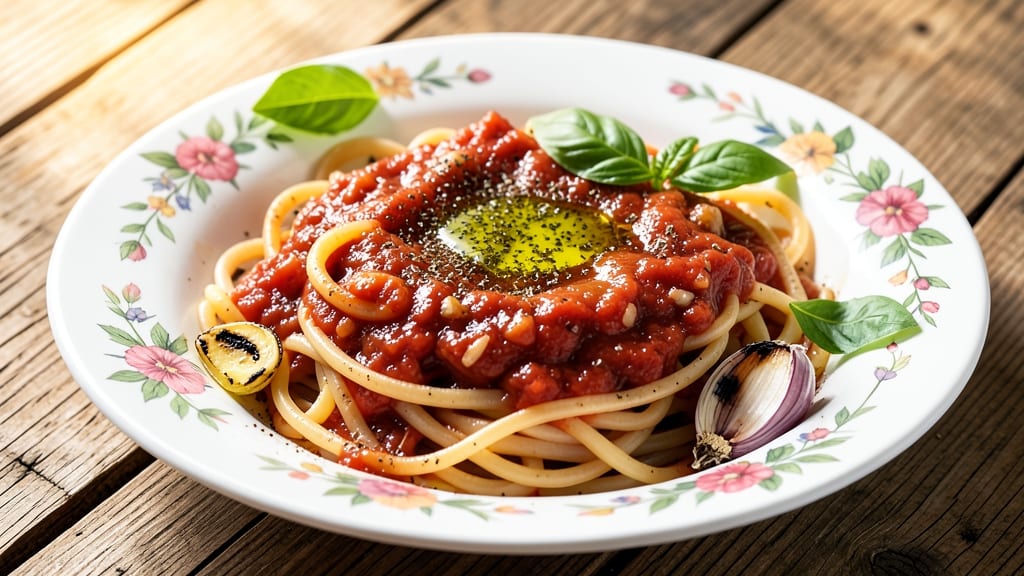
This authentic Italian red pasta sauce recipe delivers the bold, velvety tomato depth that defines classic Italian cuisine. 💛 The secret lies in slow-simmered San Marzano tomatoes, fresh garlic that infuses without overpowering, and a touch of olive oil that binds everything together.
I've perfected this sauce over years of testing, ensuring it's rich enough to stand alone but balanced enough to let pasta shine through.
The beauty of this sauce comes from its simplicity and technique. We're building flavor layer by layer—starting with a gentle sauté of garlic in olive oil, then adding tomatoes and letting them break down naturally.
No shortcuts here; this is about patience and letting the ingredients speak for themselves. The result? A sauce that's smooth, vibrant, and packed with authentic Italian flavor that clings perfectly to every strand of pasta.
What makes this sauce truly special is its versatility. Use it as a base for your favorite pasta dishes or as a marinade for meats. The sauce thickens beautifully as it cooks, creating that perfect consistency that's neither too thin nor too heavy.
It also stores well in the refrigerator for up to five days, so you can make a big batch and enjoy it throughout the week.
This recipe is all about authenticity—no processed ingredients, no artificial flavors, just the real deal. The garlic depth is subtle but present, the tomatoes are sweet and rich, and the basil adds that fresh, herby brightness that makes this sauce unforgettable.
Ready to elevate your pasta dishes to restaurant-quality? Let's get started.
Ingredients for authentic italian red pasta sauce
San Marzano tomatoes, fresh basil, and garlic—this trio makes authentic Italian red sauce unforgettable.
| Ingredient | Amount | Notes |
|---|---|---|
| Extra-Virgin Olive Oil 🫒 | ½ cup | High quality, fruity, not refined |
| San Marzano Tomatoes 🍅 | 28 oz | Canned, whole, no salt added |
| Garlic Cloves 🧄 | 4 cloves | Fresh, peeled, thinly sliced |
| Yellow Onion 🧅 | 1 whole | Medium, finely chopped |
| Fresh Basil Leaves 🌿 | ½ cup | Packed, stems removed |
| Dried Oregano 🍃 | 1 tsp | Italian or Mediterranean blend |
| Salt 🧂 | 1 tsp | Diamond Crystal kosher salt |
| Black Pepper 🌶️ | ½ tsp | Freshly ground preferred |
| Red Wine Vinegar 🍷 | 1 tbsp | Dry, not sweet |
| Sugar 🍚 | 1 tsp | Granulated, optional for balance |
San Marzano tomatoes are non-negotiable here—their sweet, meaty texture makes all the difference. Grab a can from Trader Joe's or Whole Foods if you want the best, but any quality canned tomatoes work. The garlic? Fresh only—never jarred. I usually buy a whole head and keep it in the fridge. For the olive oil, any good extra-virgin will do, but avoid the cheap stuff that tastes like soap. The onion adds depth, but don't overcook it—just until soft and translucent.
No fresh basil? Dried oregano at half the amount works in a pinch, but trust me, fresh basil is worth the splurge. Running low on red wine vinegar? Balsamic vinegar at the same amount gives a similar tang. If your tomatoes are super acidic, that optional sugar balances it out—just a pinch. The oregano? Italian or Mediterranean blend has the right earthy notes. And for the love of pasta, kosher salt matters—Diamond Crystal dissolves better than table salt.
This sauce tastes even better the next day as flavors meld. Store in an airtight container in the fridge for up to 5 days. For longer storage, freeze in ice cube trays—perfect for single servings. I always make a double batch because it disappears fast. The sauce thickens as it cools, so add a splash of water if it's too stiff when reheating.
Why You'll Love This Recipe
- No Chopping Chaos: I swear by this—just dice one onion and mince two garlic cloves. That’s it. The San Marzano tomatoes handle themselves, and the basil? Toss in whole leaves at the end so they stay vibrant. Honestly, my knife gets more rest than I do.
- Sunshine in a Saucepan: The moment those tomatoes break down, releasing their sweet, tangy juice—chef’s kiss. The olive oil mellows into richness, the garlic adds depth, and the basil? It finishes like a fresh breath of Italian air. Not fancy, just ridiculously good.
- Weeknight to Dinner Party: Same sauce, endless uses. Toss it with spaghetti for a quick weeknight meal, or drizzle it over grilled chicken for a weekend feast. Between us, I’ve even used it as a marinade for steak. It’s the kind of sauce that makes you look like a hero without trying.
- Leftovers That Don’t Suck: This sauce actually improves overnight—yes, really. Store it in the fridge, and the next day, it’s deeper, smoother, and just as crave-worthy. Freezes like a dream too, so you’re never scrambling for a last-minute dinner. My secret weapon for lazy (or smart) Mondays.
Step-by-step instructions for authentic Italian red pasta sauce
Here's how to build a sauce that tastes like Nonna's kitchen—simple, bold, and full of hidden depth.
🍳 Step 1: Sweat the Onion and Garlic in Olive Oil
Heat the 0.5 cup extra-virgin olive oil in a large, heavy-bottomed saucepan over medium-low heat. Add the finely chopped yellow onion and cook for 8-10 minutes until completely translucent and just starting to turn golden. This slow cooking process draws out all the natural sweetness from the onion.
Here's the thing—don't rush this step. If the onions brown too quickly, reduce the heat. You want them to melt down without any color change yet. Once they're soft, add the thinly sliced garlic cloves and cook for another 1-2 minutes until fragrant but not browned. Garlic burns in seconds, so keep an eye on it. The goal is to infuse the oil with flavor, not char the garlic.
🍳 Step 2: Add Tomatoes and Herbs for the Base
Pour in the 28 oz San Marzano tomatoes (crushed by hand or with a clean potato masher for that rustic texture). Stir well to combine with the onion and garlic. Add the 1 tsp dried oregano, 1 tsp salt, and 0.5 tsp black pepper. Bring the mixture to a gentle simmer over medium heat.
Let it cook uncovered for 15-20 minutes until the sauce starts to thicken slightly. You're looking for the sauce to reduce enough that it coats the back of a spoon. Here's where the magic happens—the acidity in the tomatoes and the sweetness of the onions marry perfectly. If you notice the sauce is too acidic, add the 1 tsp sugar now to balance the flavors.
🍳 Step 3: Brighten with Vinegar and Fresh Basil
After the initial simmer, stir in the 1 tbsp red wine vinegar. This might seem counterintuitive, but it brightens the sauce and cuts through the richness of the tomatoes. Let the sauce simmer for another 5-7 minutes until it reaches your desired consistency—it should be thick enough to coat the back of a spoon but still flow smoothly.
Remove the pan from heat and stir in the 0.5 cup fresh basil leaves. The basil should be added off the heat to preserve its vibrant color and delicate flavor. Let the sauce sit for 5 minutes before serving. This resting period allows the flavors to meld completely. Taste and adjust seasoning if needed—you can always add more salt or vinegar to taste.
🍽️ Step 4: Finish and Serve with Pasta
Before serving, give the sauce one final taste. You want a balance of sweet, acidic, and herby notes with a touch of garlic depth. If you're serving immediately, gently reheat the sauce over low heat for just 2-3 minutes to warm through. Never boil the sauce again—this can make it too acidic and break down the flavors.
Ladle the sauce over your cooked pasta, reserving some of the starchy pasta water to loosen the sauce if needed. Toss gently to coat each strand of pasta evenly. The sauce should cling beautifully, with bright red color and fragrant aroma. Serve with a sprinkle of fresh basil leaves on top and enjoy the taste of authentic Italian cooking.
Pro Tips For Making Authentic Italian Red Pasta Sauce
- CRUSH THE ONION LOW: Slice that yellow onion paper-thin and cook it in the olive oil until it’s so soft it practically dissolves—no need for color, just flavor. I used to rush this and end up with raw onion bits in my sauce. Trust me, let it melt into the oil like butter on toast.
- SAUTÉ THE GARLIC FAST: Add the minced garlic to the onion only when it’s fully translucent, then cook it for 30 seconds max—just until it smells like heaven, not like burnt toast. After burning three batches, I finally learned: high heat and quick timing is the only way.
- PEEL THE TOMATO SKINS: San Marzano tomatoes are sweet, but their skins turn to mush and bitterness when cooked. Run them under hot water for 10 seconds, then peel them like you’re undressing a banana. Yes, it’s extra work, but the sauce will taste like summer in a jar.
- SALT THE TOMATOES FIRST: Toss the peeled tomatoes with a generous pinch of salt before crushing or chopping—let them sit 10 minutes while you prep the rest. This pulls out excess water and concentrates the flavor. I was skeptical until I tried it: the sauce thickens better and tastes richer.
Wine and beer pairings for authentic italian red pasta sauce
Classic Italian Reds
For this rich tomato sauce, a Chianti Classico or Sangiovese from Tuscany is my go-to choice. Their bright acidity and earthy notes complement the sauce's natural sweetness, while their medium body stands up to the dish's bold flavors. I love Castello di Volpaia Chianti Classico—it's approachable yet sophisticated. 🍷
White Wine Brightness
If you prefer white wine, opt for a crisp Vermentino or Pinot Grigio from Alto Adige. These wines bring a refreshing citrus note that cuts through the sauce's richness, enhancing the basil and garlic flavors. A 3-4 year-old Vermentino from Sardinia works beautifully without overpowering the dish.
Beer Pairings
A light Italian lager like Peroni or Moretti is my top beer recommendation. The crisp, clean profile lets the sauce's flavors shine while providing a refreshing contrast.
For craft beer lovers, a Belgian witbier adds a subtle citrusy complexity that pairs wonderfully with the basil and vinegar notes in the sauce.
Unexpected Sparkling
Don't overlook Prosecco or Franciacorta as unexpected but brilliant pairings. The effervescence cleanses your palate between bites, while the wine's apple and pear notes complement the sauce's sweet-tangy profile. I often serve this with La Marca Prosecco for a festive touch that elevates the meal.
Red Wine Vinegar Tie-In
The red wine vinegar in your sauce creates a natural bridge to wine pairings. When you taste that vinegar's tang, you'll notice it mirrors the acidity in red wines like Chianti or Barbera. This connection makes the pairing feel even more intentional and cohesive. 💡
Nutrition facts
Frequently asked questions
Why do you use San Marzano tomatoes specifically?
San Marzano tomatoes are the gold standard for Italian red sauce because of their sweet, meaty texture and low acidity. Their thick flesh breaks down beautifully during cooking, creating a naturally rich, velvety sauce without needing extra sugar. Plus, they're grown in the volcanic soil of Mount Vesuvius, giving them a unique depth of flavor that regular canned tomatoes can't match.
Can I make this sauce without fresh basil?
If you don't have fresh basil, use 1/2 teaspoon dried basil instead, but add it at the very end (off the heat) to preserve flavor. For a different but still authentic touch, try 1/4 teaspoon dried oregano plus 1/4 teaspoon dried thyme. The key is balancing the herbs—don't overdo it, as dried herbs are more concentrated.
How do I fix a sauce that's too thin or too thick?
For thin sauce, simmer uncovered for another 10-15 minutes to reduce. If it's still too thin, make a slurry with 1 teaspoon cornstarch + 1 tablespoon water, stir it in, and cook for 2 more minutes. For thick sauce, stir in 2-3 tablespoons pasta water or warm water, one spoonful at a time, until it reaches your desired consistency. Always taste as you go!
Can I make this sauce in a slow cooker? Yes! Follow the same steps, but after adding tomatoes and herbs, transfer everything to a slow cooker and cook on low for 4-5 hours. The slow cooking enhances the flavors even more. Just
What's the secret to keeping the garlic flavor subtle but present?
The secret is low and slow cooking—garlic burns in seconds, so cook it at medium-low heat for just 1-2 minutes until fragrant but not browned. Thinly slicing the cloves (instead of mincing) also helps distribute flavor evenly without overpowering. And remember: taste as you go! You can always add more garlic later if needed.