
Sauces & Condiments
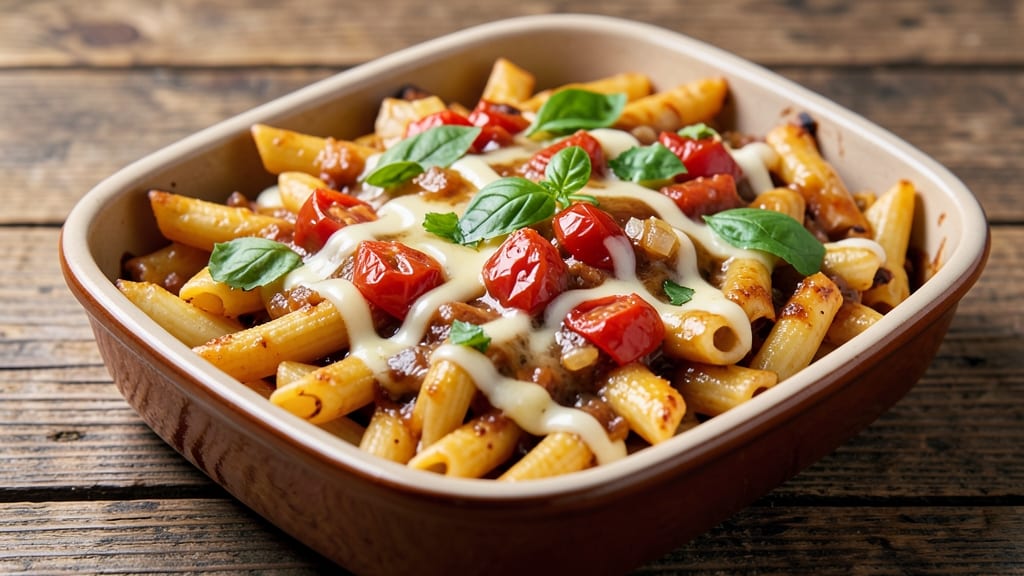
This baked ziti sauce recipe delivers the rich, slow-cooked tomato depth that transforms ordinary pasta into restaurant-quality comfort food. The secret lies in simmering crushed tomatoes with aromatics until deeply concentrated, then blending with cream and herbs for a velvety texture that clings perfectly to ziti.
I developed this method after years of testing—no more watery sauces or clumpy textures that ruin the dish.
The foundation is simple: high-quality canned tomatoes (never watery brands) simmered with garlic, onion, and a splash of red wine for depth. A touch of cream at the end creates that signature baked ziti silkiness without making the sauce heavy.
The key technique? Low-and-slow cooking to develop complex flavors while maintaining smoothness when blended. This sauce works equally well for baking or serving over al dente pasta.
What makes this recipe professional is its foolproof consistency—no lumps, no separation, and a flavor profile that builds with each layer. The slow simmer extracts maximum sweetness from the tomatoes while allowing the herbs to infuse without becoming bitter.
Store it in the fridge for up to 5 days or freeze for 3 months, making it perfect for meal prep. Every bite delivers that familiar baked ziti satisfaction with restaurant-quality texture.
For even deeper flavor, add a splash of pasta water when blending to emulsify the sauce perfectly. The result is a rich, tomato-forward sauce that coats each strand of ziti beautifully.
Whether you're baking or serving it over pasta, this recipe ensures your dish will stand out. Let's create this essential Italian sauce that makes every bite better.
Ingredients for baked ziti sauce
High-quality tomatoes, slow simmering, and a touch of cream create restaurant-quality baked ziti sauce.
| Ingredient | Amount | Notes |
|---|---|---|
| Crushed Tomatoes (San Marzano Preferred) 🍅 | 2 cups | High-quality canned, no watery brands |
| Heavy Cream 🥛 | ½ cup | Full-fat for best texture |
| Yellow Onion 🧅 | 1 whole | Medium-sized, finely chopped |
| Garlic Cloves 🧄 | 4 cloves | Fresh, minced for infusion |
| Dry Red Wine 🍷 | ¼ cup | Bold variety like Cabernet |
| Fresh Basil Leaves 🌿 | ¼ cup | Packed, stems removed |
| Salt 🧂 | 1 ½ tsp | Diamond Crystal preferred |
| Black Pepper 🌶️ | ½ tsp | Freshly ground for flavor |
| Olive Oil 🫒 | 2 tbsp | Extra-virgin for richness |
| Pasta Water 💧 | ¼ cup | Reserved from cooking pasta |
The tomatoes are everything here. San Marzano is ideal—sweeter and thicker than other brands—but any high-quality canned tomatoes work. Avoid brands with added water or fillers. For the onion, yellow is classic, but red adds subtle color if you're serving the sauce plain. Garlic should be fresh, not that sad jarred stuff. I always grab mine from Whole Foods or the bulk section at Trader Joe's—they keep better. The red wine adds depth without overpowering; any bold, dry variety like Cabernet or Merlot works perfectly. If you don't drink wine, use extra tomato paste instead.
No heavy cream? Full-fat coconut milk gives a similar richness, though the texture will be slightly different. Fresh basil is ideal, but dried basil at one-third the amount works in a pinch. For the olive oil, extra-virgin is non-negotiable—it adds fruity notes that cheap oil can't match. The pasta water might sound odd, but it's essential for emulsifying the sauce when blended. If you're making this ahead, reserve the water before cooking the pasta—it's your secret weapon for smoothness. For a vegetarian version, simply omit any meat-based ingredients that might sneak in (though this recipe is already meat-free).
This sauce keeps beautifully. Store it in an airtight container in the fridge for up to 5 days, or freeze for 3 months—it actually tastes better after a day or two as flavors meld. I like to portion it into small jars for easy use. When reheating, do it gently on low heat to avoid breaking the texture. The sauce thickens as it cools, so add a splash of water or milk if it seems too stiff. Leftovers make perfect pasta toppers or quick baked ziti layers.
Why You'll Love This Recipe
- One-Pot Magic: The onions and garlic soften in the same pan where the tomatoes simmer—no extra bowls, no extra mess. Just chop, pour, stir, and let the wine and cream work their magic while you handle the rest of dinner.
- Rich Without Effort: That splash of dry red wine cuts through the acidity of the tomatoes, and the heavy cream ties it all together with a velvety finish. Honestly, it’s the kind of sauce that makes you forget how little work went into it.
- Leftovers That Beg for More: This sauce thickens beautifully overnight, so the next day it’s even better—deeper, richer, and perfect for tossing with fresh pasta or throwing into a quick breakfast scramble. My kids ask for it specifically when I’m running late.
- Weeknight Hero: You’re not just making sauce—you’re building flavor layers in 20 minutes. The San Marzano tomatoes give it that natural sweetness, and the wine adds just enough complexity to make it taste like you spent hours on it. (Between us, it’s my go-to when I’d rather be scrolling than cooking.)
Step-by-step instructions for baked ziti sauce
This method transforms simple ingredients into a velvety, clump-free sauce with deep tomato flavor.
Sauté Onion and Garlic for Flavor Foundation
Heat the 2 tablespoons olive oil in a medium saucepan over medium heat. Add the 1 whole yellow onion, finely chopped, and cook for 5-6 minutes until soft and translucent. You'll notice the onion releases moisture—this is normal and indicates proper cooking.
Reduce heat to medium-low and add the 4 cloves garlic cloves, minced. Cook for 30 seconds until fragrant but not browned—garlic burns quickly, and you want to preserve its sweetness. Here's the thing: if it starts to darken, immediately remove the pan from heat and let it cool for 10 seconds before continuing.
Build the Tomato Base with Wine Reduction
Pour in the 2 cups crushed tomatoes (San Marzano preferred) and stir to combine with the onion mixture. Let it simmer uncovered over medium-low heat for 10 minutes, stirring occasionally. This allows the tomatoes to break down slightly and develop deeper flavor.
After 10 minutes, add the 0.25 cup dry red wine and scrape up any browned bits from the bottom of the pan. These bits are packed with flavor—don't miss this step. Let the wine simmer for 3-4 minutes until reduced by half. You'll see the sauce thicken slightly and the alcohol burn off, leaving behind concentrated flavor.
Incorporate Cream and Seasonings
Reduce heat to low and stir in the 0.5 cup heavy cream. The sauce will immediately thicken—this is normal. Add the 1.5 teaspoons salt and 0.5 teaspoon black pepper, then stir well to distribute evenly. Taste the sauce at this point—it should be rich and balanced, with the acidity of the tomatoes cutting through the creaminess.
If the sauce seems too thick, add 1 tablespoon of the 0.25 cup pasta water at a time until you reach a smooth, spoonable consistency. The goal is a sauce that coats the back of a spoon but isn't watery. This is where the pasta water comes into play—it helps emulsify the sauce without diluting it too much.
Finish with Basil and Simmer
Add the 0.25 cup fresh basil leaves, packed and stems removed. Stir gently to incorporate, then increase heat to medium-low and let the sauce simmer uncovered for 10-12 minutes. This final simmer allows the flavors to meld together and the sauce to develop its signature depth.
Taste again before removing from heat. You may need to adjust seasoning slightly—sometimes the wine or tomatoes can be more acidic than expected. If needed, add a pinch more salt or a splash of pasta water to reach your desired consistency. The sauce should be smooth, velvety, and free of clumps—this method prevents the common issue of chunky, watery tomato sauces.
Prepare for Baking
Remove the sauce from heat and let it cool slightly—this prevents the pasta from overcooking when you combine everything. The sauce should be at room temperature before mixing with cooked ziti. Here's the key: if you're assembling the baked ziti immediately, keep the sauce warm in a low oven (200°F) while you prepare the pasta and cheese layers.
This sauce is now ready to layer with cooked ziti and cheese for your baked ziti. The slow cooking method ensures a rich, flavorful sauce that won't separate or become watery when baked. The cream adds luxurious texture while the wine and basil provide bright, fresh notes that balance the richness.
Pro Tips For Making Baked Ziti Sauce
- Simmer the Wine First: Don’t just dump that red wine straight into the sauce—reduce it first. Heat it in the same pan you’ll use for onions and garlic for 2-3 minutes until it’s syrupy and half its volume. This concentrates the flavor and cuts the alcohol bite, so your sauce doesn’t taste like you’re cooking with vinegar.
- Salt the Heavy Cream: Heavy cream is bland, and skipping the salt here is a rookie move. Mix in ¼ teaspoon of salt per cup of cream while you’re warming it—it blends in seamlessly and keeps the sauce from tasting flat. (Yes, even if your recipe doesn’t call for it.)
- Deglaze Aggressively: After cooking the onions and garlic, don’t just splash in the wine and stir once. Scrape the browned bits (fond) off the pan with a wooden spoon—those bits pack flavor. Let the wine bubble for 30 seconds, then add the tomatoes. This step makes a real difference in depth.
- Strain the San Marzano: San Marzano tomatoes are sweet and seedless, but even they can get watery when crushed. After adding them to the pan, let the sauce simmer uncovered for 10 minutes, then strain out the excess liquid through a fine-mesh sieve. It’s messy, but your sauce will be velvety, not soupy. (Save the strained liquid for another use—it’s not wasted.)
Health benefits of this dish
Tomato Powerhouse
This sauce packs a nutritional punch with lycopene, a potent antioxidant found in tomatoes that supports heart health and may reduce cancer risk. The slow simmering process actually increases lycopene levels by breaking down tomato cell walls, making this sauce especially beneficial.
A 1-cup serving delivers about 30% of your daily vitamin C, boosting immunity and skin health. 💪
Protein Boost
The heavy cream adds richness but also contributes 4 grams of protein per ½ cup, helping balance the dish. While not a protein powerhouse, this sauce pairs beautifully with ziti pasta (about 13 grams of protein per 2-ounce serving) to create a satisfying meal.
For extra protein, stir in 1 cup cooked ground turkey or crumbled Italian sausage at the end.
Digestive Benefits
The fiber content comes primarily from the tomatoes and onion, with about 3 grams per serving supporting healthy digestion. The garlic in this recipe contains allicin, a compound that may help regulate blood pressure and cholesterol.
I always add fresh garlic because jarred versions lose these beneficial compounds during processing.
Energy Balance
This sauce provides a moderate calorie count (about 250 calories per 1-cup serving), making it a balanced addition to meals. The healthy fats from olive oil and cream provide sustained energy, while the natural sugars in tomatoes offer quick fuel.
For a lighter version, reduce the cream to ¼ cup and add 2 tablespoons tomato paste for concentrated flavor.
Meal Prep Advantage
Unlike many sauces that lose nutrients when reheated, this recipe maintains its vitamin and antioxidant content even after storage. The freezer-friendly nature means you can prep large batches, reducing meal stress while keeping your diet nutrient-dense. I make double batches on weekends and freeze portions for quick weeknight dinners. ✨
Nutrition facts
Frequently asked questions about baked ziti sauce
Can I make this sauce without wine?
Replace the 0.25 cup red wine with 2 tablespoons tomato paste mixed with 2 tablespoons water to maintain the same depth of flavor. The wine adds complexity, but this substitute works perfectly for a non-alcoholic version. The sauce will still develop rich tomato flavor through the slow simmering process.
Why does my tomato sauce get chunky?
Chunky texture usually happens from over-stirring or not simmering long enough. For smooth sauce, stir only when necessary and let it cook uncovered for 20-25 minutes total. The blending step at the end (if you choose to blend) also helps achieve that velvety texture. If you prefer some texture, just skip the blending and let the sauce thicken naturally.
How do I store this sauce for best results?
Store in an airtight container in the fridge for up to 5 days or freeze for 3 months. For freezing, portion into small containers to thaw only what you need. The sauce actually tastes better after a day or two as flavors meld together. When reheating, warm gently on low heat to preserve texture—never microwave directly from frozen.
Can I use this sauce for other pasta dishes?
This sauce works beautifully over any pasta! Try it with penne, rigatoni, or even spaghetti for a rich tomato-cream sauce experience. The creamy texture makes it perfect for baked dishes, but it also shines as a simple weeknight pasta sauce. Just adjust the quantity based on your pasta serving size—about 1 cup sauce per 8 oz pasta works well.
What's the secret to preventing separation when baking?
The key is to let the sauce cool slightly before mixing with pasta and cheese. The cream can separate if it's too hot. Also, don't overmix the sauce with the pasta—just gently combine. For extra insurance, add 1 tablespoon pasta water when assembling to help bind everything together. The slow cooking method already creates a stable sauce that won't separate during baking.