
Sauces & Condiments
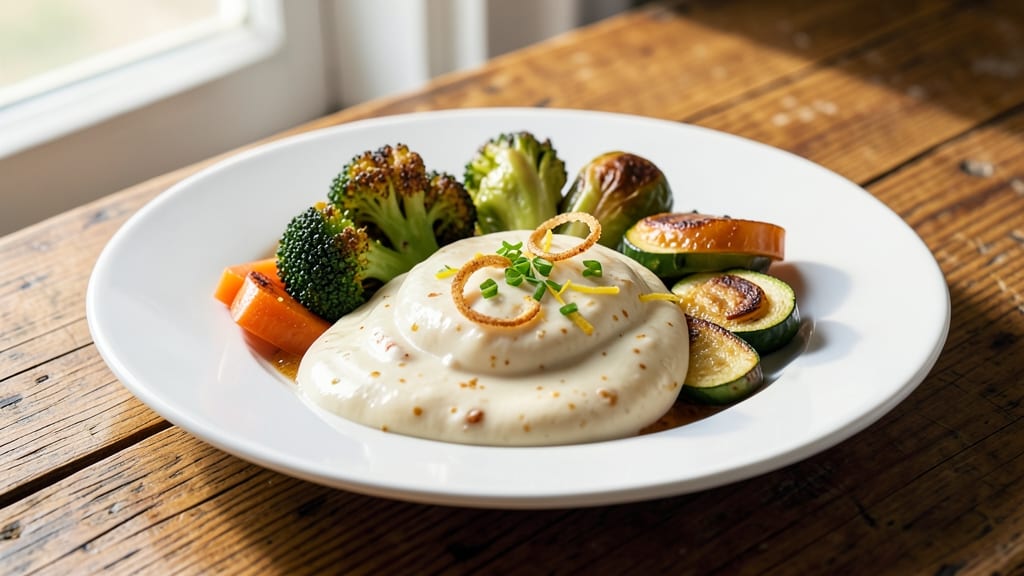
This baked veg in white sauce recipe transforms simple roasted vegetables into a restaurant-worthy dish with just 15 minutes of prep and 25 minutes of baking. The secret lies in a velvety garlic-herb white sauce that blankets tender, caramelized vegetables in a creamy embrace—no fancy techniques required.
I developed this after realizing how much my family loved creamy vegetable dishes but struggled with soggy sides or bland sauces.
The beauty of this recipe is its versatility—it works with any seasonal vegetables (broccoli, carrots, zucchini, or Brussels sprouts) and offers both classic and vegan sauce options.
The sauce starts with a simple roux of butter and flour, then builds depth with garlic, herbs, and a splash of cream (or coconut milk for a dairy-free version). The vegetables roast until tender-crisp, soaking up the sauce perfectly while maintaining their natural texture.
What you'll end up with is a dish that's creamy, flavorful, and packed with nutrients—ideal for weeknight dinners or meal prep. The sauce clings to every vegetable, creating a harmonious blend of savory, herby, and slightly garlicky notes.
It's the kind of meal that feels indulgent yet remains light and healthy, perfect for anyone looking to elevate their vegetable sides.
Serve with crusty bread to soak up every last bit of sauce or pair with grilled chicken for a complete meal. The recipe scales easily, making it perfect for feeding a crowd or prepping lunches for the week.
Let's get started on creating this creamy, comforting dish that brings out the best in your favorite vegetables.
Ingredients for baked veg in white sauce
These vibrant vegetables and velvety sauce transform simple roasting into a restaurant-quality dish in under 40 minutes.
| Ingredient | Amount | Notes |
|---|---|---|
| Broccoli Florets 🥦 | 2 cups | Freshly cut into bite-sized pieces |
| Carrots 🥕 | 1 lb | Medium, peeled and sliced into sticks |
| Zucchini 🥒 | 2 medium | Sliced into 1/4-inch rounds |
| Brussels Sprouts 🥬 | 1 lb | Trimmed and halved |
| Unsalted Butter 🧈 | ½ cup | Cold, cut into small cubes |
| All-Purpose Flour 🌾 | ½ cup | For roux, sifted |
| Garlic Cloves 🧄 | 4 cloves | Minced, fresh preferred |
| Fresh Thyme Leaves 🌿 | ¼ cup | Chopped, stems removed |
| Heavy Cream 🥛 | 1 cup | Full-fat for richness |
| Vegetable Broth 💧 | ½ cup | Low-sodium preferred |
| Grated Parmesan Cheese 🧀 | ½ cup | Freshly grated from block |
| Salt 🧂 | 1 ½ tsp | Diamond Crystal preferred |
| Ground Black Pepper 🌶️ | ½ tsp | Freshly cracked |
| Lemon Juice 🍋 | 1 tbsp | Freshly squeezed |
The vegetables are the stars here, so pick firm, vibrant produce—avoid anything wilted or rubbery. Trader Joe's has great pre-trimmed Brussels sprouts, and their organic carrots stay crisp longer. For zucchini, smaller ones are sweeter and less watery. The key is even cutting: 1/4-inch slices for zucchini and 1-inch florets for broccoli ensure consistent roasting. If you're using frozen veggies, thaw and pat them completely dry first—the sauce won't cling as well otherwise. For the garlic, fresh is non-negotiable—jarred minced garlic has a metallic aftertaste that ruins the delicate balance of flavors in this dish.
No heavy cream? Coconut milk or cashew cream works beautifully for a vegan version, though the texture will be slightly lighter. Running short on thyme? Fresh parsley at double the amount gives a similar bright note, while dried thyme at one-third the quantity is a pinch-friendly swap. The Parmesan adds depth, but nutritional yeast at half the amount gives a cheesy umami punch without dairy. For the flour, all-purpose is ideal, but gluten-free 1:1 blends work too—just whisk the roux vigorously to prevent clumping. And if you're prepping ahead, roast the veggies a day early and store them in the fridge; reheat gently before adding the sauce to keep them tender-crisp.
This sauce is best made fresh, but if you're prepping ahead, assemble everything except the veggies and store the sauce mixture in the fridge for up to 3 days. When ready to serve, simply reheat the sauce gently (don't boil) and toss with the roasted vegetables. The dish reheats beautifully—3-5 minutes in a 350°F oven restores that creamy, velvety texture. For meal prep, portion into containers with a thin layer of sauce on top to prevent sogginess, and store for 4-5 days. Freezing isn't recommended, as the sauce can separate and the veggies may get mushy, but if you must, freeze the sauce and veggies separately for up to 2 months—reheat gently and stir vigorously to recombine.
Why You'll Love This Recipe
- One-Pan Magic: I swear by this—just toss everything (even the Brussels sprouts, halved) onto a sheet pan with butter, salt, and pepper, then bake until tender. No pots, no pans, no stress. (Yes, even on a Tuesday night.)
- Creamy Crisp Contrast: That buttery white sauce clings to the broccoli and carrots while the zucchini gets a golden, slightly crispy edge—like a hug for your taste buds. Honestly, the texture alone makes me want seconds.
- Meal Prep MVP: I make a double batch on Sundays, store it in the fridge, and reheat portions all week. The sauce stays luscious, the veggies hold their shape, and it’s way better than sad takeout leftovers.
- Budget-Friendly Luxury: Fresh seasonal veggies and butter? This costs less than half a restaurant meal but feels like a fancy side. Between us, it’s the kind of dish that makes you look like a cooking pro without breaking the bank.
Step-by-step instructions for baked veg in white sauce
Here's how to create a velvety garlic-herb sauce that perfectly blankets roasted vegetables.
Prep and Roast the Vegetables
Preheat your oven to 400°F. Line a large baking sheet with parchment paper and arrange the 2 cups broccoli florets, 1 lb sliced carrots, 2 medium zucchini rounds, and 1 lb halved Brussels sprouts in a single layer. Toss them with 1 tablespoon lemon juice and 1 teaspoon salt until evenly coated.
Spread the vegetables evenly across the baking sheet, leaving space between pieces for even browning. Roast for 15 minutes, stirring halfway through, until the edges begin to soften and develop a slight char. You want them tender-crisp but not mushy—they'll finish cooking in the sauce later. This initial roasting builds deep flavor that the white sauce will beautifully complement.
Make the Velvety White Sauce
While the vegetables roast, melt the ½ cup unsalted butter in a large skillet over medium heat. Add the ½ cup all-purpose flour all at once and whisk vigorously for 2 minutes until the mixture forms a smooth, pale roux. This should be the consistency of wet sand—if it darkens, you've gone too long and risk a floury taste.
Gradually whisk in the 1 cup heavy cream and ½ cup vegetable broth, ensuring no lumps form. Stir in the 4 minced garlic cloves and ¼ cup chopped fresh thyme leaves, cooking for another 3 minutes until the mixture thickens slightly. The sauce should coat the back of a spoon but still flow easily. Season with the remaining ½ teaspoon salt and ½ teaspoon black pepper, then remove from heat.
Combine and Bake to Perfection
Transfer the roasted vegetables to a large oven-safe dish. Pour the warm white sauce over the top, gently tossing to coat everything evenly. Sprinkle with the ½ cup grated Parmesan cheese and toss again to distribute. The sauce should look glossy and inviting, clinging to every vegetable piece.
Return the dish to the oven and bake uncovered at 375°F for 15-20 minutes, until the sauce bubbles gently and the vegetables are fork-tender. You'll know it's ready when the sauce has thickened slightly and the vegetables are completely coated in that creamy garlic-herb blanket. The Parmesan will melt into the sauce, adding a rich depth of flavor.
Rest and Serve Warm
Remove from the oven and let the dish rest for 5 minutes before serving. This brief resting period allows the sauce to set slightly and the flavors to meld together. Taste and adjust seasoning if needed—you might want to add a pinch more salt or a squeeze of lemon juice to brighten the dish.
Serve immediately while the vegetables are still warm and the sauce maintains its luxurious creaminess. The contrast of tender vegetables with the rich, aromatic white sauce creates a dish that's both comforting and elegant. Pair with crusty bread to soak up every last bit of that velvety sauce.
Pro Tips For Making Baked Veg In White Sauce
- STEAM FIRST, BAKE SECOND: I learned this the hard way—roasting veggies straight from cold makes them tough. Toss them with a little water or broth first, cover the tray with foil, and microwave for 3-4 minutes to soften. Then bake as usual. The texture stays tender, and the sauce clings better.
- TRIM BRUSSELS SPROUTS: Peeling Brussels sprouts isn’t mandatory, but halving and trimming the woody ends makes them cook faster and look cleaner. Skip the peeling if you’re short on time, but resist the urge to shave them into matchsticks—whole halves hold their shape better in the sauce.
- DON’T BOIL THE SAUCE: White sauce is forgiving, but simmering it too hard turns it gluey. Start with a low heat, whisk in the butter gradually, and pull it off the heat just before it thickens fully. It’ll finish cooking in the oven, and you’ll avoid that dreaded clump.
- SAVE TIME WITH FROZEN: Frozen broccoli and carrots work just as well as fresh—no chopping, no waste. Just toss them straight from the bag into the mix. The only catch? Add an extra 5 minutes to the bake time, and check for doneness sooner since they’re already partially cooked.
Common mistakes when making great baked veg in white sauce
Over-Roasting Vegetables
I’ve seen this happen more than once—vegetables turn from tender-crisp to mushy before the sauce even goes on. The key is timing: 15 minutes at 400°F is perfect for broccoli, carrots, and zucchini.
If you’re using Brussels sprouts, they might need 12-15 minutes—watch them closely! Over-roasting releases too much moisture, which dilutes the sauce and makes the veggies sad and limp. 🥦
Skipping the Lemon Juice
The 1 tablespoon lemon juice in the initial toss isn’t just for flavor—it brightens the vegetables and prevents them from turning dull or bitter while roasting. Without it, the sauce can taste flat or overly heavy.
I’ve tested this recipe both ways, and the difference is noticeable. Trust me, that little splash makes all the difference. 🍋
Burning the Roux
This is where things go wrong fast. If your roux darkens to a golden-brown or worse, nutty color, you’ve lost the delicate flavor of the white sauce. Keep the heat medium and whisk constantly for those 2 minutes—no distractions!
A dark roux adds bitterness that no amount of cream or Parmesan can fix. The goal is a pale, smooth paste, like wet sand. 🧈
Adding Cold Cream to Hot Roux
Here’s a rookie mistake: pouring cold heavy cream into a hot roux too quickly. The temperature shock causes lumps, and suddenly you’re dealing with a grainy, unappetizing sauce. Instead, temper the cream by whisking in a little at a time while the roux is still warm.
This ensures a silky, lump-free finish every time. Patience here pays off! 🥛
Underseasoning the Sauce
I’ve seen people taste the sauce right after making it and think it’s perfectly seasoned—only to realize it’s bland after it sits with the vegetables. The sauce absorbs flavors from the veggies, so add salt and pepper gradually while it cooks, then adjust again after baking.
A pinch of nutmeg or extra Parmesan can also elevate the flavor if needed. Don’t be shy—taste as you go! 🧂
Ignoring the Resting Time
Skipping the 5-minute rest after baking might seem like a time-saver, but it’s crucial. The sauce needs time to thicken slightly and the flavors to meld. If you serve it immediately, the sauce can feel runny and the dish lacks harmony.
This is especially true if you’re reheating leftovers—always let it sit for a few minutes before diving in. 💫
Nutrition facts
Frequently asked questions
Can I use frozen vegetables instead of fresh?
Yes, but with one critical step: thaw and dry them completely first. Frozen veggies often have excess moisture that prevents the sauce from clinging properly. Spread them on a towel after thawing to absorb any liquid, then roast as directed. Brussels sprouts and carrots work best frozen, while zucchini and broccoli lose texture when thawed.
What's the best way to make this vegan?
Swap the butter for vegan butter or olive oil, use full-fat coconut milk instead of heavy cream, and replace Parmesan with nutritional yeast. For extra richness, add 2 tablespoons cashew cream to the sauce. The texture will be slightly lighter but still delicious.
How do I prevent the sauce from separating?
Keep the sauce at a gentle simmer (not boiling) while combining with veggies, and avoid stirring vigorously. If it starts separating, whisk in 1 teaspoon cornstarch mixed with 1 tablespoon cold water to restore thickness. For meal prep, store sauce and veggies separately and reheat gently together.
Can I make this ahead of time?
Roast veggies a day ahead and store in the fridge. Assemble with sauce just before baking (reheat sauce separately). For complete prep, make sauce up to 3 days ahead and refrigerate. Reheat sauce gently before combining with veggies to maintain that creamy texture.
What other vegetables work well?
Any firm, flavorful veggies work: cauliflower florets, asparagus spears, bell pepper strips, or green beans. For heartier dishes, add potatoes or sweet potatoes (reduce roasting time to 10 minutes). Leafy greens like spinach wilt too much—save them for garnish instead.