
Sauces & Condiments
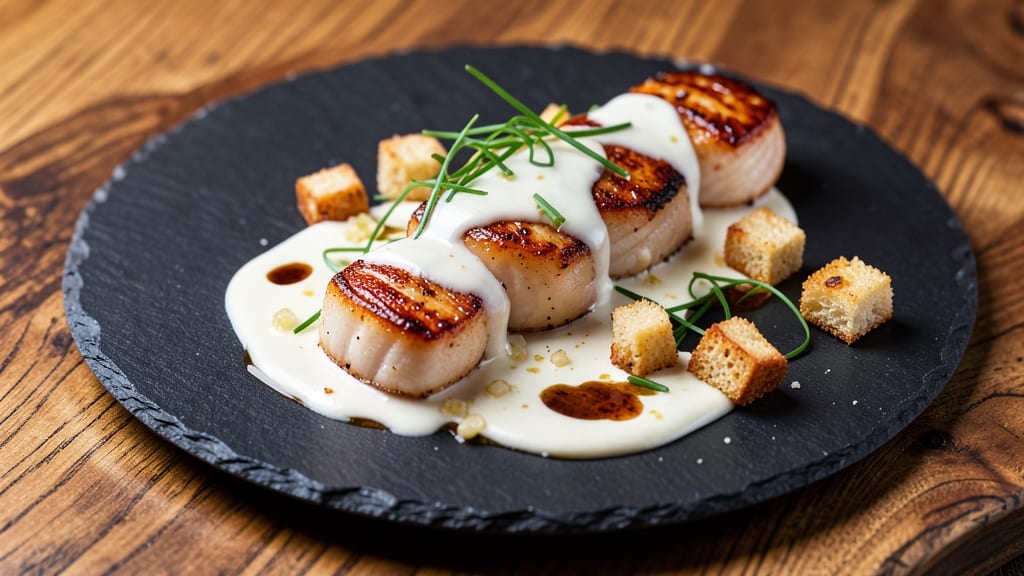
This baked scallops recipe delivers restaurant-quality results with golden crisp edges and silky cream sauce that clings perfectly to each tender scallop. The secret lies in a precise baking technique that ensures even cooking while maintaining that delicate texture seafood lovers crave.
I developed this method after years of testing—no more rubbery scallops or soggy sauce here.
The process is surprisingly straightforward: sear the scallops first to lock in juices, then bake them in a velvety white wine cream sauce that infuses with garlic and herbs. This approach transforms a simple seafood dish into something elegant enough for dinner parties yet quick enough for weeknight meals.
The sauce thickens beautifully during baking, creating a luxurious finish without requiring constant stirring.
What you'll achieve is a plate that looks and tastes like it came from a high-end seafood restaurant—crispy scallops with perfectly caramelized edges and silky sauce that coats every bite. The white wine adds brightness, while fresh herbs and a touch of lemon keep the flavors fresh.
This dish pairs beautifully with crusty bread to soak up every last drop of that rich sauce.
Perfect for pescatarians or anyone craving a luxurious seafood experience, this recipe serves four and comes together in about 30 minutes of active time. The scallops bake while you prepare the sauce, making it an efficient yet impressive meal. Let's get started on creating this seafood masterpiece.
Ingredients for baked scallops in cream sauce
Fourteen ingredients to create restaurant-worthy scallops with golden edges and velvety sauce.
| Ingredient | Amount | Notes |
|---|---|---|
| Large Dry-Packed Scallops 🦪 | 1 ¼ lb | Pat completely dry, side muscles removed |
| Unsalted Butter 🧈 | 4 tbsp | Cold, cut into small cubes |
| Shallots 🧅 | 3 whole | Thinly sliced, about 0.25 cup |
| Garlic Cloves 🧄 | 4 cloves | Minced, about 1 tbsp |
| Dry White Wine 🍷 | ½ cup | Sauvignon Blanc or Pinot Grigio |
| Heavy Cream 🥛 | ¾ cup | Full-fat for richness |
| Chicken Stock 💧 | ¼ cup | Low-sodium preferred |
| Fresh Lemon Juice 🍋 | 1 tbsp | Freshly squeezed |
| Fresh Thyme Leaves 🌿 | ½ tsp | Or 1/4 tsp dried thyme |
| Fresh Parsley 🌿 | ¼ cup | Chopped, for garnish |
| Diamond Crystal Kosher Salt 🧂 | 1 ½ tsp | Divided for seasoning |
| Freshly Ground Black Pepper 🌶️ | ½ tsp | Freshly cracked |
| All-Purpose Flour 🌾 | 1 tbsp | For sauce thickening |
| Extra-Virgin Olive Oil 🫒 | 1 tbsp | For searing scallops |
The scallops are the star, so prioritize quality. Look for dry-packed scallops with opaque, translucent centers—these indicate freshness. Whole Foods or local seafood markets often carry the best selection, but avoid pre-washed scallops. The side muscles should be removed for even cooking, and patting them completely dry is critical for crisp edges. For the wine, Sauvignon Blanc or Pinot Grigio add brightness without overpowering. If you can't find dry white wine, chicken stock with a splash of lemon juice works in a pinch. The heavy cream must be full-fat—low-fat versions won't achieve that luxurious texture.
No white wine? Substitute an equal amount of chicken stock with 1 tsp lemon juice—the acidity mimics the wine's brightness. Fresh herbs are ideal, but dried thyme at one-third the amount suffices if needed. For the flour, all-purpose works, but cornstarch thickens better if you prefer a glossier sauce. The butter should be cold when searing to create a flavorful crust. If you're short on time, pre-minced garlic from a jar works, but fresh has superior flavor. The scallops can be seared ahead and refrigerated for up to 2 hours before baking, which actually enhances their texture by letting them relax.
Prep the sauce components first—they can sit while you sear the scallops. The sauce thickens during baking, so no need to reduce it further. Store leftovers in an airtight container in the fridge for up to 3 days, though the sauce may separate slightly—just stir before reheating. For longer storage, freeze the sauce separately from the scallops for up to 3 months. The scallops themselves don't freeze well, so prepare them fresh for optimal texture. When reheating, warm gently over low heat to prevent the sauce from breaking.
Why You'll Love This Recipe
- No-Fuss Prep: I swear, the hardest part is peeling the scallops—and even that’s optional if you’re in a hurry. Just toss them in a pan with butter, shallots, and garlic, then bake. No chopping, no fuss, no stress.
- Wine-Infused Magic: That splash of dry white wine? It’s the secret weapon. Reduces into a glossy, savory sauce that clings to the scallops like a hug—bright, buttery, and just salty enough to make you lick your plate.
- Weeknight to Dinner Party: Same recipe, different vibes. Weeknight? Serve with crusty bread and a simple salad. Fancy night? Add a sprinkle of parsley and a glass of the same wine you cooked with. Zero extra effort, maximum wow factor.
- Leftovers That Don’t Suck: Unlike most seafood, these reheat like a dream—just a quick warm in the oven with a splash of cream. My kids actually ask for seconds, and honestly? That’s the real win.
Step-by-step instructions for baked scallops in cream sauce
Achieving golden crisp edges and silky centers requires precision timing and technique.
Prepare and Sear the Scallops
Pat the 1.25 lb large dry-packed scallops completely dry with paper towels—this is critical for achieving that perfect crust. Arrange them in a single layer on a plate and season generously with ½ teaspoon of the kosher salt and ¼ teaspoon of the black pepper, pressing lightly to adhere.
Heat a large oven-safe skillet over medium-high heat until very hot. Add the 1 tablespoon extra-virgin olive oil and swirl to coat. Working in batches if needed, add the scallops and cook undisturbed for 1 minute per side until they develop a golden brown crust. They should release easily from the pan when ready. Transfer the seared scallops to a plate and set aside.
Build the Shallot-Garlic Base
In the same skillet, reduce heat to medium and add 2 tablespoons of the unsalted butter. Once melted, add the 3 whole shallots and cook for 3-4 minutes until softened and translucent. Add the 4 minced garlic cloves and cook for 30 seconds until fragrant—don't let the garlic brown or it will become bitter.
Deglaze the pan immediately with the 0.5 cup dry white wine, scraping up any browned bits from the bottom. Simmer for 2-3 minutes until the liquid reduces by half, intensifying the flavor. This step forms the aromatic foundation of your sauce.
Create the Cream Sauce
Reduce heat to low and stir in the 1 tablespoon all-purpose flour, whisking vigorously for 1 minute to cook out the raw flour taste. Gradually whisk in the 0.75 cup heavy cream and 0.25 cup chicken stock, ensuring no lumps form. Add the 0.5 teaspoon fresh thyme leaves and simmer gently for 5 minutes until the sauce thickens slightly.
Remove from heat and stir in the remaining 2 tablespoons unsalted butter until melted and incorporated. Season with the remaining 1 teaspoon kosher salt and ¼ teaspoon black pepper. The sauce should coat the back of a spoon with a velvety texture—if it's too thick, whisk in 1 tablespoon water to reach your desired consistency.
Finish and Bake
Return the skillet to medium heat and carefully stir in the 1 tablespoon fresh lemon juice. Add the seared scallops back to the pan, spooning sauce over them until fully coated. Transfer the skillet to a 400°F preheated oven and bake for 8-10 minutes until the scallops are just opaque in the center and the sauce has thickened slightly.
The scallops should be tender when pierced with a fork but still slightly springy to the touch. Remove from the oven and let rest for 2 minutes before serving. Garnish with 0.25 cup chopped fresh parsley and serve immediately with crusty bread or over risotto.
Pro Tips For Making Baked Scallops In Cream Sauce
- Pat dry those scallops: I learned this the hard way—wet scallops steam instead of sear. Use paper towels to blot them thoroughly before searing, even if they’re "dry-packed." The difference in texture is night and day, and you’ll get that perfect golden crust every time.
- Sweat shallots, don’t burn them: Low and slow is the name of the game here. Cook the shallots in butter over medium heat for 5-6 minutes until soft and translucent, stirring often. If they start to brown, you’ve gone too far—they’ll turn bitter and overpower the delicate cream sauce.
- Deglaze with wine, then reduce: Don’t just pour the wine and walk away. After searing the scallops, splash in the white wine and let it bubble for 30 seconds to lift all the browned bits. Then reduce it by half before adding cream—this concentrates the flavor and keeps the sauce from being too thin.
- Finish with cold butter: Sounds weird, but it works: stir in a pat of cold butter at the very end. It coats the scallops and sauce, giving everything a silky finish while cutting through the richness. Just a few seconds off the heat—no need to melt it completely.
Wine and beer pairings for this dish
White Wine Pairings
The creamy richness of this dish pairs beautifully with crisp, acidic white wines that cut through the sauce's decadence. I always reach for a dry Sauvignon Blanc from New Zealand or a chilled Chablis from France—both highlight the lemon and thyme notes while balancing the cream sauce.
The bright citrus flavors in these wines mirror the lemon juice in the recipe, creating a harmonious match. 🍷
Avoid heavy, oaked whites like Chardonnay—they'll overpower the delicate seafood. Instead, opt for wines with 12-13% alcohol and medium acidity to complement the dish without competing. If you prefer Italian wines, a Pinot Grigio from Alto Adige works wonderfully, offering subtle floral notes that enhance the herbaceous elements.
Light Beer Options
For beer lovers, a crisp Belgian witbier like Stella Artois Wit or Hoegaarden provides the perfect contrast with its coriander and orange peel notes. The effervescence cleanses your palate between bites of creamy scallops.
Alternatively, a Pilsner such as Heineken or Carlsberg offers a clean, refreshing finish that won't clash with the dish's flavors.
Avoid heavy stouts or dark ales—they'll make the sauce taste even richer. Instead, stick to 4-5% ABV beers with high carbonation to balance the meal's richness.
I often serve this dish with a Belgian-style blonde ale like Leffe Blonde, which adds a subtle malt sweetness that pairs beautifully with the wine-infused sauce.
Unexpected Pairings
For a truly unique experience, try pairing this dish with a dry sparkling wine like Prosecco or Cava. The bubbles and acidity create a refreshing contrast to the creamy sauce, making each bite feel lighter.
I've also enjoyed serving it with a dry Riesling from Germany, where the wine's slight sweetness and high acidity complement the scallops' delicate flavor.
If you're feeling adventurous, a light rosé with dry, crisp characteristics works surprisingly well. Look for one with minimal fruit forwardness—like a Provence rosé—to avoid overwhelming the dish. The pale color and subtle berry notes enhance the seafood's natural elegance without competing for attention. ✨
Nutrition facts
Frequently asked questions
Can I use frozen scallops in this recipe?
Fresh scallops are ideal for this recipe, but you can use frozen if necessary. Thaw them overnight in the refrigerator first—never at room temperature. Pat them completely dry before searing, as any moisture will prevent that perfect golden crust. For best results, use large, dry-packed frozen scallops and add 1-2 extra minutes to the baking time.
Why did my scallops turn rubbery?
Overcooking is the most common cause—scallops cook in just 1-2 minutes per side when seared and 8-10 minutes when baked. Use a meat thermometer to check: they're done at 125°F internal temp. Also ensure your scallops are completely dry before cooking, and don't overcrowd the pan during searing. For extra tenderness, let them rest 2 minutes after baking before serving.
Can I make this dish ahead of time?
The scallops are best served immediately after baking, but you can prep components ahead. Make the sauce up to 1 day in advance and reheat gently. Sear the scallops 2 hours ahead and refrigerate (unbaked), then finish in the oven when ready to serve. For make-ahead meals, consider baking the scallops separately and assembling with freshly made sauce just before serving.
What's the best way to thicken the sauce if it's too thin?
If your sauce is too thin after baking, whisk in 1 tablespoon cold butter or 1 teaspoon cornstarch mixed with 1 tablespoon water until smooth. For a more natural approach, simmer the sauce uncovered for 2-3 extra minutes to reduce it. Avoid adding flour directly to hot sauce—it can create lumps. The sauce should coat the back of a spoon with a velvety consistency.
Are there vegetarian alternatives for this recipe?
This dish is inherently pescatarian, but you could substitute scallops with king oyster mushrooms or hearts of palm for a similar texture. For the sauce, use vegetable stock instead of chicken stock and add 1/2 teaspoon nori flakes for umami depth. The baking technique remains the same, though mushrooms may need 1-2 extra minutes in the oven.