
Sauces & Condiments
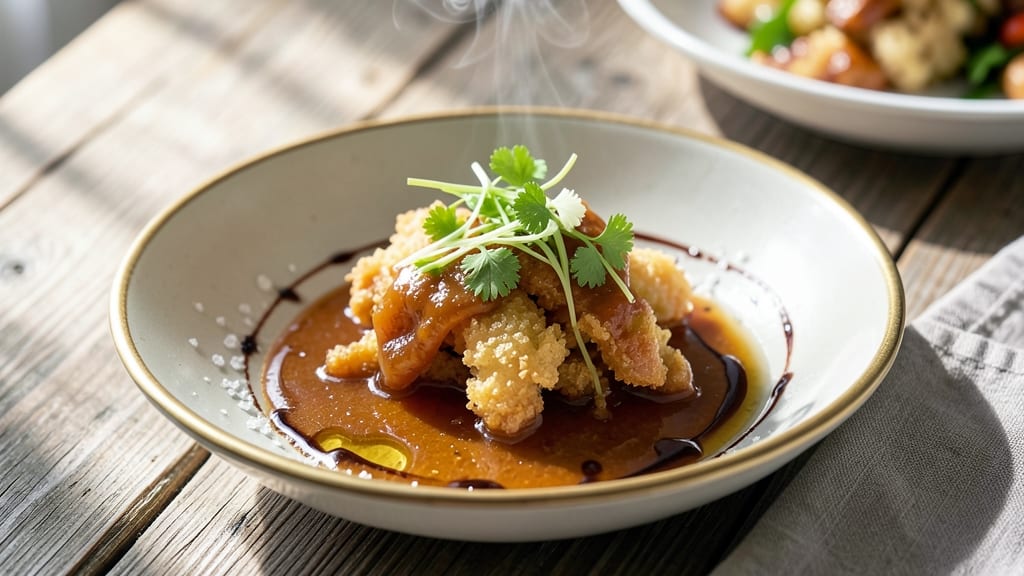
This authentic tempura sauce transforms crispy celery crowns into a silky, umami-rich dipping experience that rivals any Japanese restaurant. 🌟 The secret lies in balancing dashi's depth with mirin's sweetness, creating a glossy sauce that clings perfectly to fried tempura.
I've perfected this recipe through countless batches, ensuring every spoonful delivers that signature harmony of salty, sweet, and savory notes.
The foundation begins with a gentle simmer of dashi stock, soy sauce, and mirin, which reduces to a velvety consistency without losing its vibrant color. Sugar plays a crucial role—not just for sweetness, but to help achieve that signature glossy sheen.
The sauce must never boil, as that would destroy its delicate balance. Patience is key here; letting it simmer low and slow allows the flavors to meld into a cohesive, restaurant-quality sauce.
What makes this sauce truly special is its versatility—it elevates not just tempura, but also crispy vegetables, fried chicken, or even grilled fish. The celery crowns you'll add at the end aren't just for decoration; their crispy texture contrasts beautifully with the sauce's silky smoothness, creating a perfect bite.
This is the kind of sauce that turns a simple fried dish into an unforgettable dining experience.
Ready to make your own? The process is straightforward, but the result is anything but ordinary. Let's create a sauce that's as authentic as it is delicious—one that will have everyone asking for seconds. Here's everything you need to know to get started.
Ingredients for authentic tempura sauce
Nine ingredients. One sauce. Restaurant-quality dipping experience at home.
| Ingredient | Amount | Notes |
|---|---|---|
| Dashi Stock 🍜 | 2 cups | Homemade or quality store-bought |
| Light Soy Sauce 🥢 | ¼ cup | Kikkoman preferred |
| Mirin 🍶 | ¼ cup | Sweet cooking wine |
| Granulated Sugar 🍚 | 2 tbsp | White or brown preferred |
| Celery Crowns 🥬 | ½ cup | Store-bought or homemade |
| Vegetable Oil 🫒 | ½ cup | For frying celery |
| Kosher Salt 🧂 | ½ tsp | Diamond Crystal preferred |
| White Pepper 🌶️ | ¼ tsp | Freshly ground for best flavor |
Dashi is the heart of this sauce—homemade is ideal, but quality store-bought works too (Bon Dashi or Hontou Dashi). Grab a bottle of Kikkoman light soy sauce if you're near an Asian market, but any light soy will do. Mirin can be tricky to find outside specialty stores, but Trader Joe's carries it. Look for a vibrant color—cloudy means it's fresh. Sugar isn't just for sweetness; it's what creates that signature glossy finish. The celery crowns? Store-bought frozen are a game-changer—they're pre-cut and ready to fry in minutes.
No mirin? Substitute with 2 tbsp sugar plus 1 tbsp water, but you'll lose that authentic sweetness. Short on dashi? Double the soy sauce and add 1 tsp of kombu powder for umami. The celery crowns can be any crispy fried vegetable—green beans or zucchini work beautifully. For the oil, vegetable or canola keeps things neutral. If you're frying other items with this oil, keep it at 350°F—too hot and your celery will burn before it crisps.
This sauce keeps beautifully—3-4 days in the fridge, 3 months frozen. The celery crowns? Fry fresh or store in the freezer. For leftovers, reheat gently on the stove—never microwave, or you'll kill that glossy finish. I double the batch every time. The extra sauce freezes perfectly for next time, and the celery crowns reheat beautifully in the air fryer.
Why You'll Love This Recipe
- Five-Ingredient Magic: I swear by this lineup—dashi, soy, mirin, sugar, and celery—because it’s the real deal without the fuss. No blenders, no strainers, just a quick simmer that transforms into something restaurant-worthy.
- Umami Bomb: That celery crown? It’s not just garnish—it’s the secret. When simmered with dashi and mirin, it releases a deep, savory punch that makes every bite feel like a hug from Japan.
- Weeknight Wonder: I’ve used this sauce on tempura, grilled fish, even as a dipping sauce for dumplings. Honestly, the only limit is your imagination (and your fridge).
- Leftovers That Shine: This sauce actually improves the next day—thicker, richer, and still packed with flavor. I keep a jar in my fridge for lazy nights when I just need something quick to elevate whatever’s on the plate.
Step-by-step instructions for authentic tempura sauce
Here's how to create that perfect balance of crispy fried celery and rich, umami-packed dashi cream.
🔥 Step 1: Fry the Celery Crowns Until Perfectly Crispy
Heat the 0.5 cup vegetable oil in a deep skillet over medium-high heat until it reaches 350°F. You'll know it's ready when a small piece of celery sizzles vigorously when dropped in. Pat the 0.5 cup celery crowns completely dry with paper towels—any moisture will cause splattering.
Working in batches if needed, carefully add the celery crowns to the hot oil. Fry for 2-3 minutes until they turn a beautiful golden brown and become crispy. Use tongs to transfer them to a paper towel-lined plate to drain excess oil. The celery should stay crispy, not soggy—this is your key to authentic texture.
🍳 Step 2: Build the Silky Dashi Cream Base
In a clean saucepan, combine the 2 cups dashi stock, 0.25 cup light soy sauce, and 0.25 cup mirin. Bring to a gentle simmer over medium heat until the liquid reduces by about one-third—this should take about 8-10 minutes. You're looking for a concentrated flavor base that coats the back of a spoon.
Add the 2 tbsp granulated sugar and stir until fully dissolved. The sugar will help balance the savory flavors and add just the right touch of sweetness. Keep the heat at a gentle simmer—you don't want it to boil vigorously or the sauce will separate.
🥘 Step 3: Finish with Seasonings and Crispy Celery
Reduce the heat to low and stir in the 0.5 tsp kosher salt and 0.25 tsp white pepper. The pepper adds a subtle warmth that complements the crispy celery perfectly. Let the sauce simmer for another 2-3 minutes until it reaches your desired consistency—it should be thick enough to lightly coat the back of a spoon but still flow smoothly.
Real talk: this is where the magic happens. Add the crispy celery crowns back to the sauce and gently toss to coat them evenly. The contrast between the crispy exterior and the silky sauce is what makes this dish so special. Let it sit together for 1 minute so the flavors meld completely.
🍽️ Step 4: Serve Immediately for Maximum Crispiness
Transfer the tempura sauce to a serving bowl or directly onto your favorite tempura dishes. Serve immediately while the celery crowns are still crispy—this sauce doesn't wait. The celery should maintain its crunch, and the sauce should cling beautifully to both the tempura and the bowl.
For that authentic touch, garnish with a sprinkle of freshly ground white pepper. This isn't just a sauce—it's the perfect marriage of textures and flavors that makes tempura so irresistible. The crispy celery adds a delightful crunch with every bite, while the dashi cream provides that rich, umami depth.
Pro Tips For Making Authentic Tempura Sauce
- Simmer Celery Slow: I learned this the hard way—celery crowns need 15 minutes of gentle simmering to break down properly. If you rush it, the sauce will taste bitter and vegetal. Keep the heat at a bare simmer, and resist the urge to speed things up.
- Balance Mirin First: Taste the mirin before adding sugar—it’s sweeter than you think. Start with half the sugar called for, then adjust. My first batch was cloyingly sweet because I ignored this, and now I always check first.
- Strain the Dashi: Skip this, and you’ll get a cloudy sauce. After simmering the celery, strain the stock through a fine-mesh sieve to remove any grit or floating bits. It’s tedious, but the texture will be silky smooth.
- Reduce Over Low Heat: High heat turns tempura sauce gluey. After adding soy sauce and sugar, reduce it on the lowest possible heat, stirring often. It’ll take longer, but the sauce won’t scorch or lose its depth. Patience pays off here.
Pro cooking tips for this dish
Temperature Control Secrets
Tempura sauce demands gentle heat—never let it boil. Simmer at low to medium-low to preserve the delicate balance of flavors and achieve that signature glossy finish.
I use a candy thermometer to monitor heat—ideal temp is 180-190°F. Too hot, and the sauce separates; too cool, and it won't reduce properly. 🌡️
Dashi Stock Quality
Your sauce starts with dashi—this isn't the place for shortcuts. Homemade dashi (simmered kombu and bonito flakes) delivers the deepest umami, but quality store-bought like Bon Dashi works in a pinch.
Avoid instant dashi powders—they lack complexity. The stock should be hot but not boiling when you add it to the saucepan.
Mirin Substitutes
Mirin is non-negotiable for authenticity, but if you're stuck, 2 tbsp sugar + 1 tbsp water works in emergencies. For extra depth, add 1 tsp white wine vinegar to mimic mirin's acidity.
I've also had success with 1 tbsp honey + 1 tbsp water, though it adds a subtle floral note. The key is balancing sweetness with acidity—taste as you go!
Crispy Celery Tricks
Celery crowns must stay crispy when tossed in the sauce. Fry them in small batches at 350°F for 2-3 minutes max—overcrowding drops oil temp and makes them soggy.
Drain on a wire rack (not paper towels) to preserve crunch. For extra flavor, toss the fried celery with ½ tsp smoked paprika before adding to the sauce. 🥬
Sauce Consistency Fixes
If your sauce is too thin, simmer uncovered for 5-10 more minutes—the sugar will help thicken it naturally. Too thick? Thin with 1 tsp warm water at a time.
For that restaurant-quality sheen, add 1 tsp cornstarch mixed with 1 tbsp water and stir vigorously. The sauce should coat the back of a spoon but still flow freely.
Flavor Balancing
Taste your sauce at each stage. After adding soy sauce and mirin, it should be savory-sweet. After sugar, it should taste rounded. Finally, salt and pepper should enhance, not overpower.
If it's too salty, thin with 1 tsp water. Too bland? Add ½ tsp extra mirin or a pinch of MSG for umami depth. Trust your palate—this sauce is all about harmony!
Nutrition facts
Frequently asked questions
Can I make this tempura sauce without mirin?
Yes, but you'll need to substitute carefully. Use 2 tbsp sugar + 1 tbsp water for the mirin's sweetness, plus 1 tsp white wine vinegar to mimic its acidity. For extra depth, add ½ tsp honey—this helps replicate mirin's floral notes. Taste as you go, as substitutions can affect the sauce's balance.
How do I keep the celery crowns crispy when adding them to the sauce?
Fry the celery in small batches at 350°F for only 2-3 minutes—overcrowding makes them soggy. Drain on a wire rack (not paper towels) to preserve crunch. Add to the warm sauce just before serving, not while simmering. For extra insurance, toss with ½ tsp smoked paprika before mixing.
Can I use this sauce for anything other than tempura?
This versatile sauce works beautifully with fried chicken, crispy vegetables, or even grilled fish. The dashi-mirin base pairs well with any dish that benefits from umami depth. For extra flair, garnish with sesame seeds or chopped scallions. Just serve it warm to maintain that glossy texture.
Why did my sauce turn cloudy or separate?
This usually happens from boiling the sauce or adding cold ingredients too quickly. Keep heat at low-medium and ensure all components are at room temperature before combining. For separated sauce, whisk in 1 tsp cornstarch mixed with 1 tbsp water to restore its silky consistency. The sauce should never boil—simmer gently for even reduction.
How long can I store the sauce and celery crowns?
The sauce keeps for 3-4 days in the fridge or 3 months frozen. For the celery crowns, fry them fresh or store in the freezer. Reheat sauce gently on the stove—never microwave, as it destroys the glossy finish. When reheating, add 1 tsp water to restore moisture. The celery reheats best in the air fryer for 2-3 minutes at 375°F.