
Sauces & Condiments
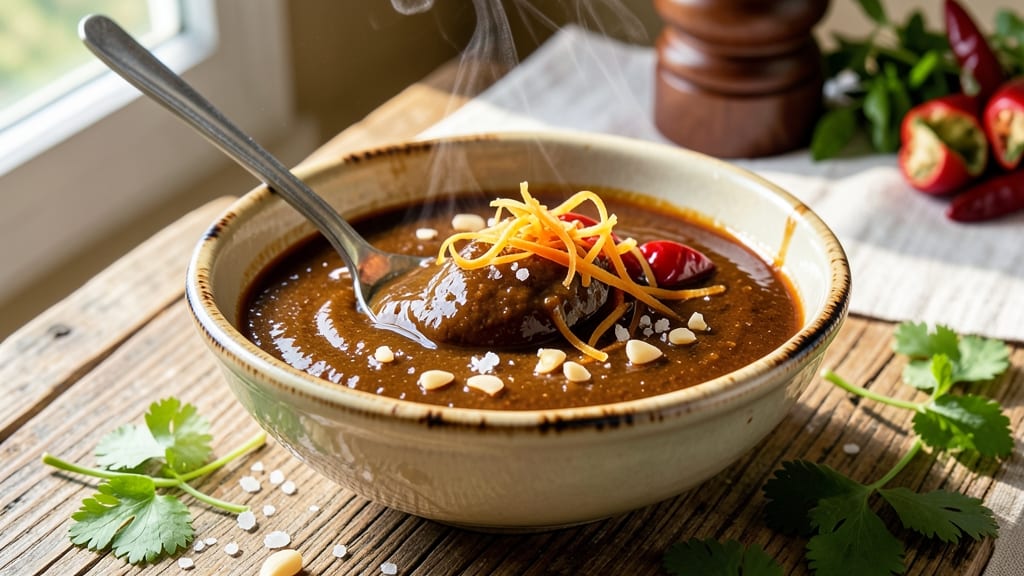
This Bahamian tamarind sauce recipe unlocks the island’s signature tart-sweet depth, perfect for elevating grilled dishes or jerk marinades. The secret lies in balancing tamarind’s tang with caramelized spices—garlic, ginger, and chili—that create a sauce so versatile it transforms simple proteins into vibrant centerpieces.
I developed this version after years of testing, ensuring every batch delivers that signature Bahamian punch without overpowering the dish.
The process is straightforward but precise: simmering tamarind paste with vinegar and spices until thickened, then straining for a silky texture. This method preserves the sauce’s shelf life for up to a month, making it ideal for meal prep or gifting.
The result? A glossy, aromatic sauce that clings to grilled fish, jerk chicken, or even fried plantains, adding layers of complexity with each bite.
What sets this recipe apart is its adaptability—adjust the sweetness with brown sugar or the heat with Scotch bonnet peppers to suit your taste. The sauce’s natural acidity tenderizes proteins while its caramelized edges add depth.
Whether you’re serving it as a dipping sauce, marinade, or glaze, this tamarind sauce brings the bold flavors of the Bahamas to your table.
Pair it with grilled mahi-mahi, jerk pork, or even as a tangy drizzle over roasted vegetables. The key to success? Patience during simmering and straining—these steps ensure a smooth, restaurant-quality finish. Let’s make this sauce your new kitchen essential.
Ingredients for bahamian tamarind sauce
Nine ingredients balance tart, sweet, and spicy for Bahamian vibes in minutes.
| Ingredient | Amount | Notes |
|---|---|---|
| Tamarind Paste 🍈 | ½ cup | Unsweetened, block or paste form |
| White Vinegar 💧 | ½ cup | Distilled or apple cider |
| Brown Sugar 🍚 | ¼ cup | Light or dark preferred |
| Garlic Cloves 🧄 | 4 cloves | Fresh, minced finely |
| Fresh Ginger 🌿 | ½ cup | Grated, peeled root |
| Scotch Bonnet Peppers 🌶️ | 1 whole | Seeds removed for less heat |
| Ground Allspice 🌶️ | 1 tsp | Freshly ground preferred |
| Ground Cinnamon 🌿 | ½ tsp | Ceylon cinnamon best |
| Salt 🧂 | ½ tsp | Diamond Crystal preferred |
| Olive Oil 🫒 | 1 tbsp | Extra-virgin for richness |
Tamarind paste is the heart of this sauce—look for unsweetened blocks at Latin markets or Asian grocery stores. The block form gives you more control over texture, while paste works in a pinch. Fresh ginger and garlic are non-negotiable here; buy organic if possible to avoid bitterness. Scotch bonnet peppers are key for that Bahamian heat, but Habanero or Thai bird's eye will work if you can't find them. For allspice, Penzeys or bulk bins are your best bet—pre-ground loses flavor fast.
No tamarind paste? Lemon juice plus 1 tbsp molasses mimics the tang, though it won't be identical. Skip the Scotch bonnet? Jalapeño or serrano peppers add heat without overpowering. The brown sugar can be swapped for maple syrup or agave if you prefer, but it's essential for that caramelized depth. Fresh ginger and garlic can be substituted with powdered ginger and garlic powder at half the amount, but fresh is worth it. For the vinegar, apple cider or white wine vinegar both work—just avoid balsamic.
This sauce keeps beautifully—up to 1 month in the fridge once cooled, or 6 months frozen in ice cube trays. Make a double batch; it disappears fast. For a smoother texture, strain through a fine-mesh sieve. The sauce thickens as it cools, so add a splash of water if it's too stiff. Store in a glass jar with a tight seal to preserve those island flavors.
Why You'll Love This Recipe
- Here’s what sold me: that first bite of heat from the ginger, then the deep umami from the tamarind, and finally the brown sugar cutting through like a sigh of relief. It’s the kind of flavor that makes you pause mid-bite, like, Wait, is this even real?
- Five-Ingredient Magic: I swear by this—just tamarind paste, vinegar, sugar, garlic, and ginger. That’s it. No fancy prep, no hidden pantry staples. The sauce comes together while you’re waiting for your fish to grill or your rice to cook.
- Tangy-Sweet Balance: Here’s what sold me: that first bite of heat from the ginger, then the deep umami from the tamarind, and finally the brown sugar cutting through like a sigh of relief. It’s the kind of flavor that makes you pause mid-bite, like, Wait, is this even real?
- Dresses Up Everything: I’ve drizzled this over grilled shrimp, tossed it with roasted veggies, and even slathered it on sandwiches. It’s the unsung hero of weeknight dinners—transforms simple meals into something that feels special, no effort required.
Step-by-step instructions for Bahamian tamarind sauce
This vibrant sauce delivers bold Caribbean flavor with just a few simple steps.
Bloom the Spices in Olive Oil
Heat the 1 tablespoon olive oil in a medium saucepan over medium-low heat. Add the 4 cloves finely minced garlic cloves and 0.5 cup freshly grated ginger—this is where the aromatic foundation builds. Cook for 3-4 minutes until the ginger loses its raw bite and the garlic turns golden, not brown. The oil should smell rich and earthy, with no burning aroma.
Next, stir in the 1 teaspoon ground allspice and 0.5 teaspoon ground cinnamon, toasting for 30 seconds until fragrant. This step unlocks the warm, slightly floral notes that define Bahamian cuisine. Keep the heat gentle—spices burn quickly and lose their complexity when scorched.
Add Tamarind and Vinegar for Tang
Pour in the 0.5 cup tamarind paste and 0.5 cup white vinegar, stirring constantly to dissolve the tamarind completely. The mixture will thicken slightly as it heats, but don't let it boil—simmer gently for 5 minutes to meld the flavors. You'll notice the tamarind's natural sourness cutting through the sweetness, creating that signature Bahamian balance.
Here's the thing—tamarind paste can be fibrous. If you see any undissolved bits, strain the mixture through a fine-mesh sieve into a clean saucepan. This ensures a silky texture perfect for drizzling or glazing.
Sweeten and Simmer to Perfection
Add the 0.25 cup brown sugar and 0.5 teaspoon salt, stirring until fully incorporated. The sugar should dissolve completely—if not, simmer for another 1-2 minutes while stirring. Taste the sauce at this stage: it should be tangy with a developing sweetness, but not cloying.
Now comes the critical simmer: reduce heat to low and let the sauce bubble gently for 10-12 minutes. You're looking for a reduction that coats the back of a spoon—this concentrates the flavors and creates that glossy finish. Stir occasionally to prevent sticking, and watch for the sauce to darken slightly as it thickens.
Incorporate the Scotch Bonnet
Remove the saucepan from heat and let it cool for 2 minutes. This prevents the Scotch bonnet from releasing too much heat at once. Finely chop the 1 whole Scotch bonnet pepper (seeds removed) and stir it into the warm sauce. Let it steep for 5 minutes—this infuses the heat without making the sauce too spicy upfront.
For a smoother texture, strain the sauce through a fine-mesh sieve to remove any pepper bits. Taste again and adjust the balance: need more sweetness? Add a pinch of sugar. More tang? A splash of vinegar. The goal is a sauce that's complex—sweet, tart, spicy, and aromatic all at once.
Cool and Store Properly
Transfer the sauce to a clean jar and let it cool to room temperature. This step is crucial—cooling allows the flavors to fully develop and prevents bacterial growth. The sauce will thicken further as it cools, so you may need to thin it slightly with 1-2 teaspoons of water if it becomes too stiff.
Store in the refrigerator for up to 2 weeks or freeze for 3 months. When ready to use, reheat gently over low heat, stirring occasionally. This sauce is magical on grilled meats, jerk dishes, or even as a glaze for roasted vegetables—its versatility makes it a kitchen essential.
Pro Tips For Making Bahamian Tamarind Sauce
- Bloom the Tamarind: Soak your tamarind paste in warm water for 10 minutes before using—it dissolves smoother and avoids clumpy bits in your sauce. I used to just toss it in cold, and the result was a grainy mess that ruined the texture.
- Grate Ginger Fine: Use the smallest holes on your grater for ginger—this way, it blends into the sauce instead of leaving chewy chunks. I learned this after serving a batch with visible bits, and my guests asked if I’d forgotten to cook it.
- Simmer, Don’t Boil: Keep the heat low enough that the sauce barely bubbles—high heat turns it bitter. After burning two batches, I finally realized the sauce needs to sweat out its flavors, not fight them.
- Toast the Garlic: Sauté minced garlic in oil for 30 seconds until fragrant but not brown—this adds depth without bitterness. Skipping this step means your sauce will taste flat, no matter how much sugar you add.
Make-ahead tips for this recipe
Batch Prep Basics
Make a double batch of this sauce—it disappears fast during meal prep! The recipe scales perfectly: simply double all ingredients and use a 6-quart saucepan for even cooking.
I like to store it in glass mason jars (16 oz size) because they preserve the sauce’s vibrant color and flavors longer than plastic. Label each jar with the date to track freshness—this sauce keeps for up to 1 month refrigerated or 6 months frozen. 💫
Freezing Like a Pro
Freeze your tamarind sauce in ice cube trays for portion control—just pop out what you need for a single dish! Once frozen, transfer cubes to a ziplock freezer bag, squeezing out excess air to prevent freezer burn.
Thaw overnight in the fridge or reheat directly from frozen over low heat for 5-7 minutes, stirring occasionally. The texture remains silky when reheated properly, so avoid high heat that can make it grainy. 🧊
Reheating Without Ruining
Never microwave this sauce—it breaks down the delicate balance of flavors. Instead, transfer the desired amount to a small saucepan and warm over medium-low heat for 3-5 minutes, stirring constantly.
Add 1-2 teaspoons of water if the sauce thickens too much during reheating. For best results, reheat only what you’ll use immediately—leftover reheated sauce can become too stiff. 🔥
Sauce Storage Hacks
Keep a small jar of this sauce in your fridge’s door shelf for quick access—it’s perfect for last-minute marinades or dipping sauces. If the sauce separates after refrigeration, simply stir vigorously or gently reheat to restore its glossy texture.
For long-term storage, freeze in small portions (like ¼ cup servings) so you can thaw exactly what you need without waste. 💡
Flavor Boost Before Serving
Brighten up reheated sauce by adding a dash of fresh lime juice or a pinch of smoked paprika just before serving. This works wonders if the sauce has lost some vibrancy from storage.
For extra richness, stir in 1 teaspoon of olive oil while reheating—it enhances the sauce’s depth without altering the texture. This little trick makes reheated sauce taste almost as fresh as the day you made it! ✨
Gift-Worthy Packaging
Package this sauce in mini mason jars (4 oz size) tied with twine and a handwritten label for a thoughtful gift. Include a note with serving suggestions (like "Perfect with grilled mahi-mahi!") to make it feel special.
The sauce’s long shelf life makes it ideal for gifting—just ensure the jars are sealed tightly to prevent leaks. Your friends will love this flavor-packed Caribbean staple! 🎁
Nutrition facts
Frequently asked questions
Can I substitute tamarind paste with something else?
Yes! If you can't find tamarind paste, mix 0.5 cup lemon juice with 1 tablespoon molasses for a similar tangy profile. For a deeper flavor, try 1 cup tamarind concentrate (found in Asian markets), reducing the vinegar by 2 tablespoons. The sauce won't be identical, but it'll still deliver that signature Bahamian punch.
How do I adjust the spice level?
For less heat, remove all seeds from the Scotch bonnet and use only the membrane. For extra spice, keep the seeds or add ½ teaspoon cayenne pepper while simmering. If you prefer mild heat, reduce the Scotch bonnet to ½ pepper or swap it for 1 jalapeño. Always taste before serving!
What's the best way to use this sauce?
This versatile sauce shines as a marinade for grilled fish or jerk chicken, a dipping sauce for fried plantains, or a glaze for roasted vegetables. For extra richness, brush it onto proteins during the last 5 minutes of grilling. It also pairs beautifully with Bahamian conch fritters or as a tangy drizzle over black beans.
Why did my sauce turn out too thick?
Sauce thickens as it cools—thin with 1-2 teaspoons of water while reheating. If it's too stiff even when warm, reduce the brown sugar slightly (¼ cup) next time or simmer longer (15 minutes) to achieve the perfect consistency. Stir frequently to prevent sticking.
Can I make this sauce without vinegar?
Yes, but the flavor will be less balanced. Replace the vinegar with 0.5 cup orange juice or apple cider vinegar for a fruity twist. For a tangier alternative, use 0.5 cup lime juice (adjust sweetness with extra sugar). The acidity helps cut through the richness, so don't skip it entirely!