
Sauces & Condiments
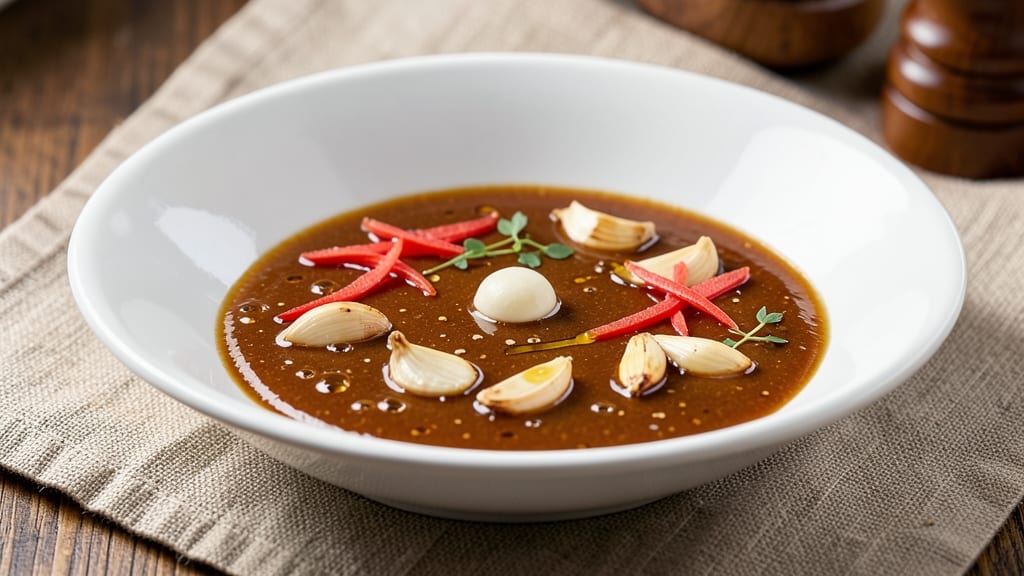
This Bachan's Japanese sauce recipe transforms simple pantry staples into a smoky-sweet umami masterpiece that elevates stir-fries, noodles, and grilled proteins. The secret lies in balancing soy sauce, mirin, and a touch of sugar—simmered until thick and aromatic.
I developed this sauce after years of experimenting with Japanese home cooking, and it's now my go-to for adding depth to any dish without overpowering flavors.
The beauty of this sauce is its versatility—it works as a marinade, stir-fry glaze, or dipping sauce, yet requires just 15 minutes of active time and 10 minutes of simmering.
The key is reducing the sauce properly to concentrate the flavors while maintaining that perfect balance of sweet, salty, and umami. Unlike store-bought versions, this recipe lets you control the sweetness and richness to suit your taste.
What makes this sauce truly special is its ability to transform ordinary meals into something extraordinary. Imagine tossing it with tender chicken stir-fry, drizzling over steamed rice, or using it as a base for ramen broth.
The smoky notes from the soy and the subtle sweetness from the mirin create a complex flavor profile that pairs beautifully with a variety of dishes.
Once you make this sauce, you’ll want to keep a jar in your fridge at all times—it stays fresh for up to 2 weeks and only gets better as the flavors meld.
Whether you're cooking for a crowd or treating yourself to a weeknight dinner, this sauce will become your new kitchen essential. Let’s get started!
Ingredients for bachans japanese sauce
Nine simple ingredients transform into a complex, aromatic sauce that will elevate every dish.
| Ingredient | Amount | Notes |
|---|---|---|
| Japanese Soy Sauce (Shoyu) 🍶 | ½ cup | Light or dark variety preferred |
| Mirin 🍶 | ¼ cup | Sweet cooking wine, not substitute |
| White Sugar 🍚 | ¼ cup | Granulated or light brown |
| Sesame Oil 🥜 | 1 tbsp | Toasted sesame oil for aroma |
| Fresh Ginger 🌿 | 1 tbsp | Finely grated, peeled |
| Garlic Cloves 🧄 | 3 cloves | Minced or finely chopped |
| Rice Vinegar 🍶 | 1 tbsp | White or seasoned preferred |
| Toasted Sesame Seeds 🥜 | 1 tsp | For garnish or texture |
| Diamond Crystal Kosher Salt 🧂 | ½ tsp | Adjust to taste |
The Japanese soy sauce is the foundation—Kikkoman or Yamasa are my go-tos, but any quality brand works. Mirin is non-negotiable here; substitutes like sherry or dry sake won't give that same delicate sweetness. The sugar should dissolve completely during simmering, so avoid raw sugar or turbinado. For the sesame oil, look for 100% pure, cold-pressed—none of that 'flavorless' cooking oil. Fresh ginger and garlic are essential for that authentic umami punch, but if you're in a pinch, pasteurized ginger or jarred minced garlic will do. The rice vinegar adds brightness, so don't skip it—Makura or Koyo brands are excellent choices.
No mirin? Mix 2 parts dry sake with 1 part sugar as a substitute, but it won't be identical. Running out of sesame oil? Avocado oil or neutral oil at half the amount works in a bind, though it lacks the nutty depth. The sesame seeds can be omitted if you're sensitive to allergens, but they add incredible texture. For a deeper smoky flavor, add 1/4 tsp smoked paprika to the simmering sauce. If you're making this ahead, reduce the rice vinegar by 50%—it intensifies as the sauce sits, and you don't want to overpower your dish.
This sauce keeps beautifully in the fridge for up to 2 weeks in an airtight jar. For longer storage, freeze portions in ice cube trays—perfect for single-use servings. The flavors actually improve over time as everything melds together. If you find the sauce too thick after refrigeration, simply warm it gently and thin with a splash of water or mirin. For extra richness, stir in 1 tsp of toasted sesame oil before using. Trust me, you'll want to make this at least twice—once for the fridge and once for the freezer.
Why You'll Love This Recipe
- Just Four Ingredients: The pantry already has three of them—mirin, sugar, and soy sauce—so you’re basically cheating. That fresh ginger? A quick grating while you wait for the rice to cook. No chopping, no fuss, just stir and taste.
- Umami Bomb: The mirin and shoyu team up like old friends, but the sesame oil? That’s the magic. One sniff and you’re already planning what to drown in it—grilled fish, stir-fries, even scrambled eggs. It’s the kind of flavor that makes you pause mid-bite.
- Weeknight Swiss Army: Dinner with takeout containers? Done. Meal prep for three days? Done. Even my picky teen slurps it straight from the bottle when I forget to make rice. It’s the secret sauce for anything that needs a quick, savory boost.
- Makes Leftovers Worth It: A little goes a long way, so you’ll have enough to drizzle on tomorrow’s lunch or freeze half for next month. Honestly, I make double batches just to keep it on hand—because nothing beats that first splash of warm, ginger-kissed shoyu on cold noodles.
Step-by-step instructions for Bachan's Japanese sauce
This smoky-sweet umami sauce comes together in minutes with simple technique.
Bloom the Aromatics in Sesame Oil
Heat a small saucepan over medium-low heat and add the 1 tablespoon sesame oil. Swirl gently to coat the pan—you'll notice the oil shimmering as it warms, signaling it's ready for the aromatics. Add the 3 minced garlic cloves and 1 tablespoon finely grated fresh ginger, stirring constantly for 30 seconds until fragrant but not browned.
Here's the thing—ginger burns faster than garlic, so watch closely. You're aiming for a gentle aroma that awakens the senses, not a bitter char. If the mixture darkens too quickly, reduce the heat immediately. This aromatic base forms the flavor foundation of the sauce, so take your time with this step.
Combine Wet Ingredients
Pour in the 0.5 cup Japanese soy sauce (shoyu), 0.25 cup mirin, and 0.25 cup white sugar all at once. Stir vigorously with a wooden spoon to dissolve the sugar completely—you should see it disappear into the liquid within 1-2 minutes of constant stirring. The mixture will look syrupy and glossy.
I always use a wooden spoon here because metal can sometimes react with the acidic mirin. Let the mixture simmer gently for 3-4 minutes until it reduces slightly and coats the back of a spoon. This reduction concentrates the flavors and creates that signature Bachan sauce consistency. If you see any sugar crystals forming, stir more vigorously to dissolve them completely.
Finish with Vinegar and Season
Add the 1 tablespoon rice vinegar and 0.5 teaspoon Diamond Crystal kosher salt, stirring well to combine. Taste and adjust the salt if needed—remember, the sauce will continue to develop flavor as it cools. The vinegar brightens the sauce and balances the sweetness, creating that perfect umami-sweet-tangy profile.
Remove the saucepan from heat and let it cool slightly. The sauce will continue to thicken as it cools, so don't be alarmed if it looks too thin while warm. For that final touch, sprinkle in the 1 teaspoon toasted sesame seeds and stir gently. These seeds add texture and a nutty aroma that elevates the sauce from good to exceptional.
Rest and Adjust Consistency
Transfer the sauce to a bowl and let it sit at room temperature for 10-15 minutes. This resting period allows all the flavors to meld together. Taste again after resting—you might find the flavors have deepened and balanced beautifully. If the sauce is too thick for your liking, thin it with 1-2 teaspoons hot water at a time until it reaches your desired consistency.
This sauce keeps well in the refrigerator for up to 2 weeks, making it perfect for batch cooking. The flavors actually improve over time as they continue to develop. Use it as a marinade, stir-fry sauce, or dipping sauce—it's incredibly versatile and will transform any dish with its complex umami profile.
Pro Tips For Making Bachans Japanese Sauce
- Simmer Slow and Steady: This sauce isn’t a race—low heat for 10-15 minutes lets the flavors meld without burning. I used to rush it, and the ginger would turn bitter. Trust the process; the aroma alone tells you it’s ready.
- Grate Ginger Like a Pro: Skip the pre-grated stuff—it’s soupy and dull. Use a microplane or fine grater for fresh ginger, then strain out the pulp if you prefer a smoother sauce. (Yes, even if you’re impatient like me.)
- Balance Sugar First: Taste the sugar-mirin mix before adding soy sauce—it should taste sweet but not cloying. Too much sugar later makes the sauce taste flat. Adjust here, then dial in the saltiness with shoyu.
- Toast Sesame Oil Last: Add sesame oil off the heat or at the very end—it burns fast. A few drops at the finish brightens the sauce without overpowering. (Your future self will thank you.)
Serving suggestions for this recipe
Stir-Fry Perfection
This sauce transforms simple stir-fries into restaurant-quality dishes. Toss chicken thighs or pork belly with 1 tbsp cornstarch, then sear in 1 tbsp sesame oil over high heat for 4-5 minutes until golden.
Add 1 cup stir-fry veggies (bell peppers, snap peas, carrots) and pour 2 tbsp of the sauce over everything. Finish with a splash of rice vinegar and toasted sesame seeds for that perfect balance of sweet, smoky, and tangy. 🔥
Noodle Elevation
Drizzle 2 tbsp of the sauce over steaming hot ramen or udon noodles just before serving. For extra richness, add a soft-boiled egg and thinly sliced green onions. The sauce's umami depth pairs beautifully with the chewiness of noodles.
I love using this sauce with spicy miso ramen—the sweetness cuts through the heat perfectly. For a vegetarian option, toss with shitake mushrooms and bok choy.
Grilled Fish Glaze
Brush salmon fillets or cod steaks with 1 tbsp of the sauce before grilling or broiling. The sauce caramelizes beautifully, creating a glossy crust while keeping the fish moist inside.
For extra flavor, marinate the fish in 1 tbsp of the sauce mixed with 1 tbsp mirin for 15-20 minutes before cooking. Serve with steamed jasmine rice and a side of quick-pickled cucumbers for a complete meal. 🍣
Dipping Sauce Magic
Thin the sauce with 1-2 teaspoons hot water to create a dipping sauce for spring rolls, dumplings, or sushi. For a spicy kick, stir in ½ tsp gochujang or sriracha.
I love using this sauce as a dipping sauce for tempura—the sweetness balances the crispy, fried texture perfectly. Store any leftover sauce in an airtight container in the fridge for up to 2 weeks to use as needed.
Rice Bowl Upgrade
Turn a simple rice bowl into a gourmet meal by drizzling 1 tbsp of the sauce over steamed rice, then topping with grilled chicken, avocado slices, and edamame. The sauce's complexity adds layers of flavor without overpowering the dish.
For a vegetarian version, use mushrooms, tofu, and quick-pickled radishes. The sauce also works wonderfully with fried rice—just stir it in at the end for a quick flavor boost. ✨
Marinade Secret
Use ½ cup of the sauce as a marinade for chicken, beef, or shrimp. Marinate for at least 30 minutes (or up to 4 hours in the fridge) for tender, flavorful proteins. The sauce's sweet and savory notes caramelize beautifully during grilling or broiling.
I love using this marinade for skewers—just thread the meat onto skewers and grill over medium-high heat for 8-10 minutes, basting with extra sauce as it cooks. 💫
Nutrition facts
Frequently asked questions
Can I make this sauce without mirin?
Yes, but the flavor will differ slightly. For a substitute, mix 2 parts dry sake with 1 part sugar (like 1.5 tbsp sake + 0.5 tbsp sugar for every 1 tbsp mirin). The sauce will be less sweet but still delicious. For extra depth, add 1/4 tsp vanilla extract to mimic mirin's subtle floral notes.
How can I adjust the sweetness level?
The recipe balances sweetness naturally, but you can tweak it easily. For less sweetness, reduce the sugar by 1-2 tablespoons or add 1 extra tablespoon rice vinegar. For more sweetness, add 1 extra tablespoon sugar or 1/2 teaspoon honey at the end. Taste as you go—the sauce thickens and flavors deepen as it cools.
What's the best way to store leftover sauce?
Transfer the cooled sauce to an airtight container and refrigerate for up to 2 weeks. The flavors actually improve over time! For longer storage, freeze in ice cube trays—perfect for single-use portions. Thaw overnight in the fridge and stir before using. If it thickens too much after refrigeration, thin with 1 tsp hot water.
Can I use this sauce as a marinade?
Use 1/2 cup of the sauce as a marinade for chicken, beef, or shrimp. Marinate proteins for 30 minutes to 4 hours in the fridge before cooking. The sauce's sweet and savory notes caramelize beautifully during grilling or broiling. For extra tenderness, add 1 tbsp mirin to the marinade.
Why did my sauce turn out too thin?
Sauce thickness depends on simmering time. If yours is too thin, simmer uncovered for an extra 3-5 minutes to reduce further. For immediate thickness, mix 1/2 tsp cornstarch with 1 tbsp water, stir into the sauce, and simmer for 1 minute until thickened. Always taste as you go—flavors intensify as it cools.