
Sauces & Condiments
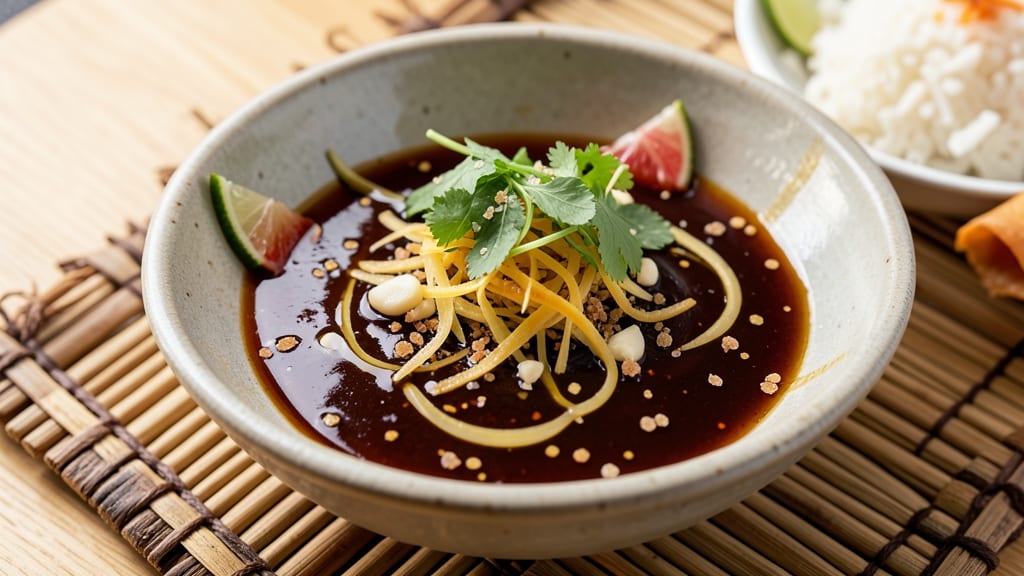
This Asian tiger sauce recipe delivers the perfect balance of smoky, sweet, and fiery heat that elevates stir-fries, wings, and dipping sauces to restaurant quality. The secret lies in fermented fish sauce, which provides that signature umami depth, while chili and sugar create a complex flavor profile that lingers.
I developed this recipe after years of experimenting with Asian sauces—it’s the one that finally nailed that addictive sweet-spicy-savory harmony.
The beauty of this sauce is its versatility—use it as a marinade for grilled meats, a stir-fry glaze, or a bold dipping sauce for spring rolls. The ingredients are simple but powerful: fish sauce, lime juice, garlic, ginger, and a touch of sugar to balance the heat.
What sets this apart is the smoky depth from a hint of soy sauce and a dash of chili flakes, which adds layers of flavor without overpowering the dish.
What you’ll end up with is a glossy, aromatic sauce that’s tangy, slightly sweet, and packed with heat—ready to transform any dish in minutes. The sauce thickens slightly as it sits, clinging beautifully to proteins and vegetables.
It’s the kind of condiment that turns ordinary meals into something extraordinary, and it keeps well in the fridge for up to a week.
Perfect for batch cooking or gifting, this tiger sauce is a game-changer for anyone who loves bold, complex flavors. Let’s get started—your taste buds will thank you.
Ingredients for asian tiger sauce
Nine bold ingredients for a sauce that packs restaurant-level heat and depth.
| Ingredient | Amount | Notes |
|---|---|---|
| Red Fermented Fish Sauce 🐟 | ½ cup | High-quality brand like Red Boat |
| Fresh Lime Juice 🍋 | ¼ cup | Freshly squeezed, seeds strained |
| Garlic Cloves 🧄 | 6 cloves | Minced finely for depth |
| Fresh Ginger 🌿 | ½ cup | Finely grated, peeled |
| Light Soy Sauce 🥢 | 2 tbsp | Kikkoman preferred |
| Brown Sugar 🍚 | ¼ cup | Light or dark works |
| Chili Flakes 🌶️ | 1 tbsp | Adjust for heat preference |
| Sesame Oil 🫒 | 1 tbsp | Toasted for aroma |
| Water 💧 | ½ cup | Room temperature preferred |
The fish sauce is non-negotiable here—Red Boat or Three Crabs are the gold standards, but any good brand works. Look for that deep, funky aroma in the bottle (the good stuff smells intense). Fresh lime juice is a must—bottled won't cut it. Mexican limes at Latin markets have more juice per fruit. Ginger and garlic? Fresh is essential—dried just won't give that same punch. I usually buy ginger in the root form and grate it myself; it keeps for weeks in the fridge that way. For soy sauce, Kikkoman or Pearl River Bridge are my go-tos—they've got that perfect balance of salt and umami.
No fish sauce? Soy sauce plus a splash of Worcestershire gets you close, but you'll lose that signature umami depth. Running out of lime? Lemon juice works in a pinch, though it's slightly less tangy. Want less heat? Swap chili flakes for fresh chili paste or less cayenne. The sesame oil is what gives that signature nutty aroma—don't skip it, but don't overdo it either. Brown sugar is your sweetness anchor; coconut sugar works too if you're watching carbs. Pro tip: Toast your sesame oil first (just heat it gently) to bring out those nutty flavors before adding to the sauce.
This sauce thickens as it sits—best after 30 minutes in the fridge. Keeps for 1 week in the fridge, 3 months frozen. I like to make a double batch because it disappears fast—great for gifting too. Store in a glass jar with a tight lid. If it separates, just stir before using. The flavor actually improves over time, so don't hesitate to make extra. Freeze in ice cube trays for single-use portions if you prefer.
Why You'll Love This Recipe
- Few Ingredients, Big Payoff: I swear by this sauce because it’s that simple—just mash garlic, grate ginger, and mix in a few pantry staples. No fancy techniques, no last-minute grocery runs. The red fermented fish sauce does all the heavy lifting while you sip your coffee.
- Tangy Umami Bomb: That first hit of lime and fermented fish sauce? Chef’s kiss. The garlic and ginger add warmth, but the soy sauce rounds it out—bright, salty, and just a little funky. It’s the kind of flavor that makes you reach for the bottle again before the meal’s even over.
- Weeknight Superhero: Drizzle it over noodles, toss it with stir-fried veggies, or slather it on grilled chicken—it’s my go-to when I’m too tired to think. Honestly, I’ve used it for everything from takeout-inspired bowls to quick marinades, and it never lets me down.
- Budget Magic: A few dollars’ worth of ingredients stretch far—this sauce keeps for weeks in the fridge, and a little goes a long way. Between us, I’ve turned cheap protein into restaurant-worthy meals just by adding this. (Yes, even on a Tuesday night.)
Step-by-step instructions for Asian tiger sauce
Here's how to make this bold, smoky-sweet sauce that'll transform any dish.
Prepare the Aromatics
Start by finely mincing the 6 cloves garlic cloves and grating the 0.5 cup fresh ginger using a microplane or fine grater. The goal is to get these ingredients as small as possible—the finer they are, the more flavor they'll release into the sauce. I like to use a mortar and pestle for the garlic to really break it down before adding it to the pot.
In a small bowl, combine the minced garlic and grated ginger with the 1 tablespoon sesame oil. Let this mixture sit for 5 minutes while you get everything else ready. This pre-marinating step ensures the garlic and ginger infuse fully with the nutty sesame oil, creating a deeper flavor foundation for your sauce.
Build the Sauce Base
In a medium saucepan over medium heat, add the garlic-ginger-sesame oil mixture. Let it cook for 2-3 minutes, stirring occasionally, until the garlic turns a light golden color and becomes fragrant. You'll smell that aromatic punch—this is where the magic starts. Don't walk away; garlic burns quickly and turns bitter.
Next, add the 0.5 cup red fermented fish sauce and 2 tablespoons light soy sauce. Stir well to combine, then add the 0.5 cup water. Bring the mixture to a gentle simmer, which should take about 3-4 minutes. The sauce will start to bubble softly—this is when the umami flavors begin to meld together.
Sweeten and Add Heat
Reduce the heat to low and stir in the 0.25 cup brown sugar and 1 tablespoon chili flakes. Let the mixture simmer gently for 5-7 minutes, stirring occasionally, until the sugar dissolves completely. You're looking for a smooth, glossy sauce with no graininess. If you notice any sugar crystals sticking to the bottom, stir more vigorously to incorporate them.
Here's the thing—this is where you can adjust the balance. If you want more heat, add a pinch more chili flakes. If you prefer it sweeter, add a little more brown sugar. But don't rush this step; let the flavors meld together for that perfect harmony of smoky, sweet, and spicy.
Finish with Acid and Rest
Remove the saucepan from heat and let it cool slightly for 2 minutes. Then stir in the 0.25 cup fresh lime juice. The acidity from the lime brightens all the flavors, cutting through the richness of the fish sauce and balancing the sweetness. Taste the sauce now—it should be bold, tangy, and slightly spicy with a smoky depth.
Let the sauce sit at room temperature for 10 minutes before using it. This resting period allows all the flavors to fully develop and marry together. If you can't wait, at least let it sit for 5 minutes—trust me, the patience pays off in the final taste.
Strain and Store
For the smoothest sauce, strain it through a fine-mesh sieve into a clean bowl or jar. This removes any lingering bits of ginger or garlic that might make the texture uneven. If you prefer a slightly textured sauce, you can skip this step, but I find the smooth version works best for drizzling over dishes.
Your tiger sauce is now ready to use! It'll keep in the refrigerator for up to 2 weeks in an airtight container. The flavors actually improve as it sits, so if you can wait a day before using it, do it—you'll be rewarded with even deeper flavor. This sauce is perfect for stir-fries, grilled meats, or even as a dipping sauce for spring rolls.
Pro Tips For Making Asian Tiger Sauce
- STRAIN THE GARLIC: I learned this the hard way—minced garlic burns faster than you think, and it’ll turn your sauce bitter. Pulse 3-4 cloves in a food processor for 2 seconds, then strain through a fine-mesh sieve. That way, you get the flavor without the texture, and your sauce stays smooth.
- STOP AT 3 MINUTES: The second the ginger and garlic turn golden, pull the pan off the heat. I used to let it cook longer for "more flavor," but after 3 minutes, it turns acrid. If you’re using a high-heat burner, 2 minutes might be enough—just watch it like a hawk.
- USE LIME ZEST TOO: The juice is non-negotiable, but the zest is where the magic hides. Add a teaspoon of it with the juice—it brightens the sauce without overpowering. (Yes, even if you’re impatient like me.) Just don’t skip the straining; you don’t want pulp in your sauce.
- DILUTE THE FISH SAUCE: Red fermented fish sauce is strong—like, "one drop and you’re done" strong. Start with 1 tablespoon per ¼ cup of liquid (soy + lime), then taste. If it’s too harsh, add a splash of warm water to mellow it out. You’re aiming for depth, not a punch to the throat.
Make-ahead tips for this recipe
Batch Prep Benefits
Making a big batch of tiger sauce is a total game-changer for busy weeks. I always double the recipe—it disappears fast! Store it in glass jars with tight lids (I use Ball mason jars) and keep them in the fridge.
The sauce actually tastes better after 24 hours as the flavors meld together. Freeze extras in ice cube trays for single-use portions—just thaw and use. 💫
Freezing Like a Pro
For long-term storage, freeze your tiger sauce in quart-sized freezer bags (leave 1-inch headspace for expansion). Label them with the date—it keeps for 3 months without losing quality. When ready to use, thaw overnight in the fridge.
I like to use this method for gifting—just pop a bag in the freezer and hand it to someone with a note: "For your next stir-fry adventure!"
Marinade Magic
This sauce isn't just for dipping—it's an incredible marinade! Toss 1 cup of sauce with 1 lb chicken thighs and let it sit for 4-6 hours (or overnight for deeper flavor).
The sauce's sweet-spicy balance caramelizes beautifully on the grill. I also use it for pork ribs—apply before smoking for that signature sticky glaze. 🔥
Reheating Tips
If you've stored your sauce in the fridge and want to reheat it, gently warm it in a saucepan over low heat for 2-3 minutes. Never microwave—it destroys the delicate balance of flavors.
For best results, reheat only what you need and keep the rest refrigerated. If the sauce thickens too much, add 1-2 teaspoons of water to restore its glossy consistency.
Gift-Worthy Packaging
Turn your tiger sauce into a thoughtful gift by packaging it in small amber glass bottles (like Weck jars). Add a custom label with the recipe name and ingredients. I like to include a recipe card with serving suggestions—people love knowing exactly how to use it.
These make fantastic hostess gifts or thank-you presents. The sauce's bold flavors always impress! ✨
Flavor Boost Hacks
Want to elevate your tiger sauce even further? Add 1 tsp of toasted sesame seeds right before serving for extra crunch. For a smoky depth, stir in ½ tsp of liquid smoke (just a drop!) when reheating.
If you're feeling adventurous, blend in 1 tbsp of fresh cilantro for a brighter finish. These little tweaks take your sauce from good to restaurant-quality amazing. 💡
Nutrition facts
Frequently asked questions
What's the best way to use this Asian tiger sauce?
This versatile sauce works wonders as a marinade for grilled chicken or pork ribs, a stir-fry glaze, or a bold dipping sauce for spring rolls and dumplings. For extra flavor, let it marinate proteins for 4-6 hours before cooking. The sweet-spicy balance makes it perfect for glazing roasted vegetables too!
Can I make this sauce without fish sauce?
You can substitute with soy sauce plus Worcestershire vinegar (1:1 ratio), but you'll lose that signature umami depth. For a vegetarian version, use vegetarian fish sauce or coconut aminos—just reduce the sugar slightly since these alternatives are sweeter. The flavor will still be delicious, just with a different profile.
How do I adjust the heat level? Start with the 1 tablespoon chili flakes as written, then taste and adjust. For milder heat, reduce to ½ tablespoon. For extra spice, add ½ teaspoon cayenne pepper or fresh chili paste.
Will this sauce work with seafood?
This sauce pairs beautifully with shrimp, scallops, or white fish like cod or halibut. The acidity from the lime juice helps prevent fish from overcooking, while the sweetness balances any fishy flavors. Use it as a marinade for 10-15 minutes before cooking to avoid breaking down the proteins too much.
Can I make this sauce in a slow cooker?
Yes! Combine all ingredients in your slow cooker and cook on low for 2 hours, stirring occasionally. The slow cooking enhances the flavors even more. For a quicker version, use high for 1 hour. Just