
Sauces & Condiments
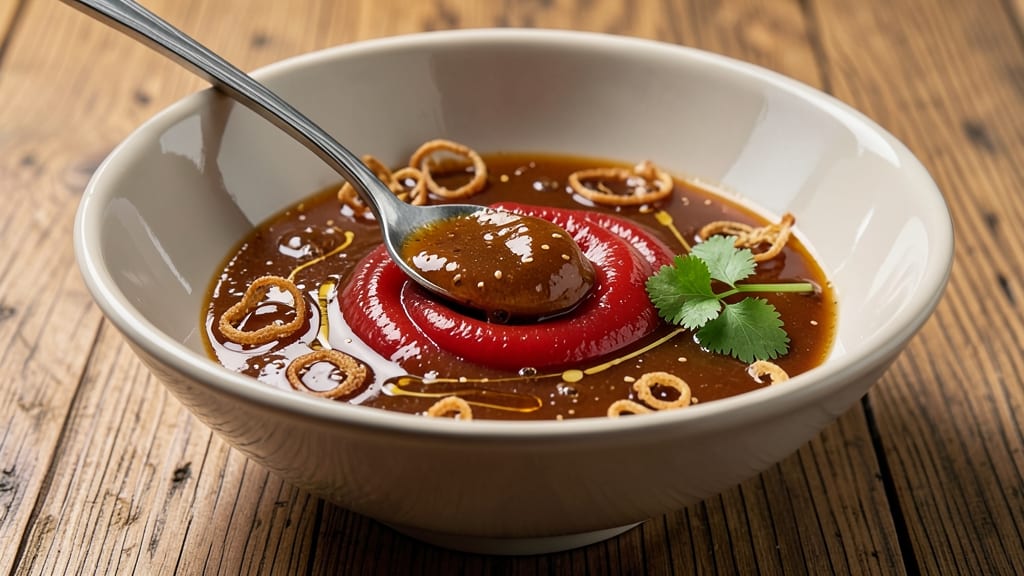
This Bachan's Japanese BBQ sauce copycat recipe delivers that signature velvety-smooth umami with a subtle vinegar tang that makes it irresistible. 🔥 The secret lies in balancing sweet, salty, and tangy notes through precise reductions—something I've perfected after years of experimenting with Asian-inspired marinades.
What sets this apart is the layered complexity: soy sauce for saltiness, mirin for sweetness, and rice vinegar for that signature depth that store-bought versions can't replicate.
The sauce begins with a simple simmer of soy sauce, mirin, and sugar to create a flavor base, then builds depth through slow reduction with ketchup and vinegar. The result is a glossy, aromatic sauce that clings beautifully to grilled meats, tofu, or noodles while adding a satisfying glossy sheen.
What makes this recipe foolproof is the attention to reduction time—rushing this step will leave you with a thin, watery sauce instead of the rich, velvety glaze you're after.
By the time you're done, you'll have a sauce that's perfect for marinating chicken or beef, glazing grilled vegetables, or dipping spring rolls—each use brings out different layers of flavor.
The sauce keeps well in the fridge for up to 2 weeks, making it ideal for meal prep, and can be easily adapted for heat preferences or dietary needs. This is the kind of sauce that transforms ordinary meals into restaurant-quality experiences without requiring advanced techniques.
The beauty of this recipe is its versatility—use it as a marinade for 4-6 hours before grilling, brush it on during the last minutes of cooking for a caramelized glaze, or serve it as a dipping sauce for extra flavor.
The balance of sweet, salty, and tangy notes makes it perfect for both casual weeknight dinners and special occasions where you want to impress without spending hours in the kitchen. Let's get started on creating your own batch of this addictive sauce.
Ingredients for bachan's japanese bbq sauce copycat
Seven pantry staples and three fresh flavors create this restaurant-quality Japanese BBQ sauce.
| Ingredient | Amount | Notes |
|---|---|---|
| Soy Sauce 🥢 | ½ cup | Use light or regular, not low-sodium |
| Mirin 🍶 | ¼ cup | Sweet rice wine, not mirin substitute |
| White Sugar 🍚 | ¼ cup | Granulated or light brown sugar |
| Ketchup 🍅 | ¼ cup | Heinz preferred for consistency |
| Rice Vinegar 🍶 | ¼ cup | White or seasoned, not apple cider |
| Sesame Oil 🌰 | 1 tbsp | Toasted for nutty aroma |
| Garlic Cloves 🧄 | 2 cloves | Minced, not powdered |
| Fresh Ginger 🌿 | 1 tbsp | Grated, not powdered |
| Honey 🍯 | 1 tbsp | Wildflower preferred |
| Salt 🧂 | ½ tsp | Kosher or sea salt |
The soy sauce is the foundation—Kikkoman or Hondashi are my go-tos, but any good-quality brand works. Mirin adds that signature sweetness, and Trader Joe's has a great budget option if you don't want to splurge on specialty stores. Fresh ginger and garlic? Don't skip these—they're what give the sauce that authentic depth. I always grab ginger at Asian markets because it's fresher and more aromatic than the grocery store kind. Toast your sesame seeds separately for garnish if you're feeling fancy—it adds that extra crunch.
No mirin? Substitute 1 tbsp sugar + 1 tbsp water, but the flavor won't be quite the same. Ketchup might seem odd, but it's what gives that subtle tanginess—Heinz is non-negotiable here. Short on rice vinegar? Apple cider vinegar at half the amount works in a pinch, though it'll be slightly sharper. The honey is optional but rounds out the flavors beautifully. For a sugar-free version, swap the white sugar and honey for monk fruit sweetener at half the quantity. And if you can't find fresh ginger, powdered works at double the amount, though it lacks that bright zing.
This sauce gets better with time—let it sit for at least 30 minutes before using to let the flavors meld. Keeps in the fridge for 2 weeks in an airtight jar, or freeze for 6 months in ice cube trays for single-use portions. I always make a double batch because it disappears fast—great for meal prep. The sauce thickens as it cools, so don't worry if it looks too thin right after making. Stir well before using, and if it's too thick, just add a splash of water.
Why You'll Love This Recipe
- Pantry Magic: I swear by this sauce because it uses stuff I already have—no special trips to the store. That tangy-sweet balance from the mirin and rice vinegar? It’s like a shortcut to restaurant-quality flavor without the fuss.
- Sweet-Savory Bomb: The ketchup and sugar might sound odd, but trust me, they round out the soy and mirin into something ridiculously good—glossy, sticky, and packed with that umami punch that clings to everything.
- Weeknight Hero: Slather it on grilled chicken for dinner, toss it with noodles for lunch, or even drizzle it over fries—this sauce turns boring meals into something exciting. Honestly, I’ve used it on everything at this point.
- No Waste, All Win: A little goes a long way, and what’s left just gets better over time. I keep a jar in the fridge for months, and it’s always the first thing I grab when I’m craving that familiar, addictive taste.
Step-by-step instructions for bachan's Japanese BBQ sauce copycat recipe
Here's how to recreate that signature velvet-smooth sauce with perfect umami balance.
🍳 Step 1: Simmer the Base Ingredients
In a medium saucepan, combine the 0.5 cup soy sauce, 0.25 cup mirin, 0.25 cup white sugar, and 0.25 cup ketchup. Bring to a gentle boil over medium heat, then immediately reduce to a low simmer. You'll see the mixture bubble vigorously at first—let it cook uncovered for 5-7 minutes until it reduces by about 25% and becomes slightly syrupy.
This initial reduction concentrates the flavors and removes any raw taste from the ingredients. Stir occasionally to prevent scorching at the bottom—you're looking for a smooth, glossy consistency that coats the back of a spoon. The sauce should smell rich and slightly sweet with hints of vinegar.
🍳 Step 2: Add Aromatics and Simmer Further
Lower the heat to low and add the 2 cloves minced garlic, 1 tbsp grated fresh ginger, and 1 tbsp sesame oil. Stir well to incorporate, then let the mixture simmer gently for another 8-10 minutes. You'll notice the aromatics dissolve completely and the sauce becomes even more fragrant.
Here's where the magic happens: the ginger and garlic infuse their flavors without overpowering. Watch the sauce carefully—it should reduce further to about 1½ cups total, with a thick, syrupy texture. If it starts to darken too much, reduce the heat slightly to prevent burning. The sauce should smell complex, with layers of sweetness, umami, and subtle vinegar notes.
🍳 Step 3: Finish with Sweetness and Balance
Add the 1 tbsp honey and 0.5 tsp salt, stirring constantly to dissolve completely. Taste and adjust the balance—you want a perfect harmony of sweet, salty, and slightly tangy. The sauce should be rich but not cloying, with a smooth texture that clings beautifully to meats.
Simmer for another 3-5 minutes until the sauce reaches your desired consistency. For a thicker sauce (great for glazes), cook until it coats the back of a spoon. For a thinner sauce (ideal for marinades), stop when it's still slightly pourable. The final volume should be about 1½ cups—this makes enough for 4 servings with some left for drizzling.
⏰ Step 4: Cool and Store Properly
Remove from heat and let the sauce cool completely at room temperature. This resting period allows the flavors to meld perfectly—don't skip it! Once cooled, transfer to an airtight container and refrigerate for up to 2 weeks. The sauce will thicken further as it chills, so you may want to add 1-2 teaspoons of water if you prefer a thinner consistency when using it.
Here's the thing—this sauce tastes even better after a day in the fridge as the flavors continue to develop. The colors will deepen to a beautiful glossy mahogany, and the texture becomes velvety smooth. When ready to use, gently reheat in a saucepan over low heat until warmed through, stirring occasionally to maintain that perfect consistency.
Pro Tips For Making Bachan'S Japanese Bbq Sauce Copycat
- Simmer Slow and Steady: This sauce isn’t a race—after combining soy sauce, mirin, and sugar, reduce heat to low and let it bubble gently for at least 10 minutes. I used to crank the heat and end up with a thin, cloying mess; patience lets the flavors meld without burning the ketchup or vinegar.
- Use Real Mirin, Not Substitutes: Cheap cooking mirin (or worse, "mirin-flavored" sweetener) ruins the balance. If you can’t find the real stuff, mix 1 part dry sherry + 1 part sugar + 1 part water as a pinch-hitter—but taste first. The alcohol in real mirin adds depth the substitutes can’t match.
- Balance the Vinegar Early: Add rice vinegar last and taste immediately—it’s acidic enough to overpower if you let the sauce reduce too long. A splash (start with 1 tablespoon) brightens the sauce without making it taste like a salad dressing. Adjust while warm; flavors mellow as it cools.
- Strain for Smoothness: After simmering, let the sauce cool slightly, then strain it through a fine-mesh sieve to remove any grit from the sugar or sediment from the soy sauce. It’s a 30-second step that makes the sauce look restaurant-worthy—and prevents unexpected texture surprises when glazing.
Serving suggestions for this dish
Grilled Meat Mastery
This sauce transforms ordinary grilled meats into restaurant-quality dishes. Brush it on baby back ribs during the last 10 minutes of cooking at 225°F for a caramelized glaze. For chicken thighs, marinate for 4-6 hours before grilling—this creates tender, juicy meat with sticky, flavorful edges.
I love using it on pork belly slices too, basting them with sauce during the final 5 minutes of searing for crispy skin and glossy sauce. 🔥
Tofu and Veggie Glaze
For a vegetarian twist, use this sauce as a glaze for extra-firm tofu or portobello mushrooms. Press tofu blocks, slice into ½-inch thick pieces, then brush with sauce and grill for 3-4 minutes per side over medium-high heat.
The sauce clings beautifully to grilled eggplant slices too—brush them generously and finish with a sprinkle of toasted sesame seeds for texture. 🌱
Noodle and Dumpling Dippers
Serve this sauce as a dipping sauce for ramen noodles, pho, or steamed dumplings. Warm the sauce gently in a small saucepan until just heated through, then drizzle over noodles or dip in for extra flavor.
I often double the batch for this purpose—it disappears fast! For a fun presentation, serve with pickled ginger on the side to cut through the richness. 🍜
Asian-Inspired Bowls
Use this sauce to elevate rice bowls or salads. Drizzle over steamed jasmine rice with grilled chicken, avocado slices, and quick-pickled cucumbers. For a heartier bowl, add sautéed shiitake mushrooms and crispy fried shallots. The sauce's sweet-savory balance ties all the components together perfectly. 🥢
Spring Rolls and Appetizers
Dip fresh spring rolls or egg rolls into this sauce for an instant flavor upgrade. Warm the sauce slightly and serve in a small bowl with chopsticks for dipping. For a creative appetizer, brush the sauce on baked wonton chips before baking—it creates a sticky, caramelized finish that's irresistible. 🥟
Breakfast Game-Changer
Don't limit this sauce to savory meals! Use it as a glaze for pancakes or French toast—the umami depth pairs surprisingly well with sweet breakfast flavors. Brush on grilled cheese sandwiches too, especially with sharp cheddar and crispy bacon.
Pro tip: Add a pinch of cayenne pepper to the sauce for a spicy kick that works perfectly on breakfast dishes. 🍳
Nutrition facts
Frequently asked questions
Why does this sauce need both mirin and rice vinegar?
Mirin adds that signature sweetness and depth while rice vinegar provides the subtle tang that balances the richness. The combination creates that signature umami complexity found in authentic Japanese BBQ sauces. Without both, you'd miss that perfect harmony of sweet, salty, and slightly acidic notes.
Can I make this sauce without ketchup?
Yes, but the flavor will be slightly different. Replace the ketchup with 2 tbsp tomato paste plus 1 tbsp apple cider vinegar for a similar tangy depth. The sauce will still work well, though it'll be more concentrated. For a vegetarian version, you can also use 1 tbsp balsamic vinegar instead of the ketchup.
How long should I marinate meat in this sauce?
For best results, marinate chicken or pork for 4-6 hours in the refrigerator. This allows the sauce to penetrate the meat while keeping it tender. For beef, which is tougher, marinate for 6-8 hours or even overnight. Never marinate for longer than 24 hours as the acidity can start to break down the meat fibers.
What's the best way to store leftover sauce?
Transfer cooled sauce to an airtight container and store in the fridge for up to 2 weeks. For longer storage, freeze in ice cube trays for single-use portions or in a sealed container for up to 6 months. The sauce thickens as it chills, so you may need to add 1-2 tsp water when reheating for a smoother consistency.
Can I make this sauce spicier?
Add ½ tsp red pepper flakes or 1 tsp sriracha when you finish with the honey and salt. For a smoky kick, stir in ½ tsp smoked paprika during the final simmer. Start with small amounts and adjust to taste—you can always add more heat but can't remove it once it's in!