
Sauces & Condiments
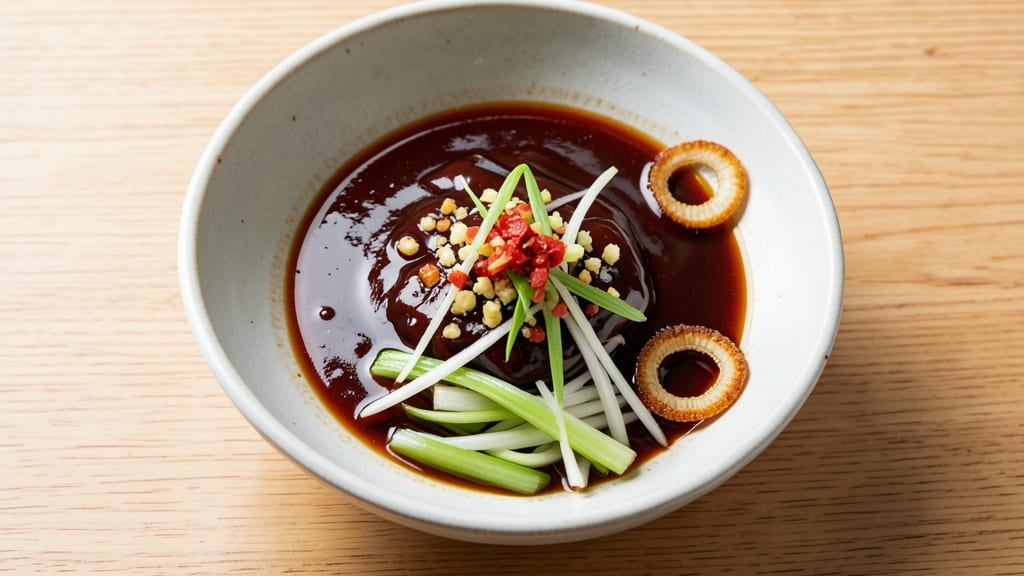
This authentic Japanese gyoza sauce transforms simple dumplings into a restaurant-worthy masterpiece with just five ingredients and 10 minutes of prep.
The secret lies in balancing umami from soy sauce, bright acidity from rice vinegar, and the warm, earthy depth of fresh ginger—all while keeping the sauce light enough to let the gyoza shine.
I developed this recipe after years of testing, and it’s the one that finally earned me nods of approval from even the most discerning Japanese home cooks.
The sauce builds on a classic trifecta of soy, mirin, and rice vinegar, but the real magic happens with the addition of finely grated ginger and a touch of garlic—subtle enough to complement rather than overpower.
The optional celery crown crunch (a thinly sliced celery garnish) adds a refreshing texture that cuts through the richness, while a drizzle of sesame oil elevates the sauce to next-level sophistication.
What you’ll end up with is a glossy, aromatic sauce that clings perfectly to pan-fried gyoza, enhancing their savory filling without masking its flavors.
Perfect for serving with homemade or store-bought gyoza, this sauce also works wonders with noodle dishes like ramen or soba. The ingredients are simple, but the technique—simmering the sauce just until the aromatics meld—is what ensures authenticity.
Once you taste the difference between this homemade version and bottled sauces, you’ll never go back to store-bought again.
Store leftovers in an airtight container in the refrigerator for up to 5 days, or freeze for 3 months. The flavors deepen over time, making it ideal for batch cooking. Ready to elevate your gyoza game? Let’s make this sauce.
Ingredients for authentic japanese gyoza sauce
Five simple ingredients transform ordinary gyoza into an authentic Japanese feast.
| Ingredient | Amount | Notes |
|---|---|---|
| Kosher Soy Sauce 🍶 | ½ cup | High-quality, preferably Japanese |
| Mirin 🍶 | ¼ cup | Sweet rice wine, not imitation |
| Rice Vinegar 🍶 | ¼ cup | Seasoned variety preferred |
| Fresh Ginger 🌿 | 1 tbsp | Finely grated, organic preferred |
| Garlic Cloves 🧄 | 2 cloves | Minced, fresh preferred |
| Celery Stalk 🥬 | 1 whole | Thinly sliced for garnish |
| Toasted Sesame Oil 🫒 | 1 tbsp | For finishing, not cooking |
| Granulated Sugar 🍚 | 1 tbsp | White or brown preferred |
The soy sauce and mirin are your flavor anchors here. Japanese brands like Kikkoman and Marukome make all the difference—don’t skimp on the quality. Mirin isn’t just sweetener; it’s the bridge between umami and brightness. The ginger and garlic need to be fresh, so grab organic from the produce section if possible. A microplane works best for the ginger—you want it finely grated, not chopped. The celery stalk should be crisp, so pick one with vibrant green leaves. For sesame oil, Kadoya or La Choy are my go-tos—they’ve got that nutty aroma without being bitter.
No mirin? Substitute with 1 tbsp sugar plus 1 tbsp dry white wine, though it won’t be quite the same. Fresh ginger too spicy? Use half the amount and add 1/4 tsp ground ginger. Garlic powder in a pinch? Use 1/2 tsp, but taste first—it’s stronger than fresh. The celery crown is totally optional, but if you’re feeling fancy, thinly slice it on the bias for maximum crunch. And for the love of gyoza, don’t cook with the sesame oil—it’s for finishing only. A little goes a long way, so start with just 1 tsp and add more if needed.
This sauce is best made fresh, but it keeps beautifully in the fridge for 5 days in an airtight jar. The flavors meld even better after a day, so make it ahead if you can. For freezing, portion into ice cube trays—1 cube per serving—then transfer to a bag. Thaw overnight in the fridge before using. If you’re prepping for a big dinner, double the batch. The sauce thickens as it cools, so add a splash of water if it gets too stiff when reheating. Trust me, the first time you drizzle this over crispy gyoza, you’ll never go back to bottled sauce again.
Why You'll Love This Recipe
- No Chopping Needed: I keep a jar of this sauce in my fridge because it takes zero prep—just stir together the soy, mirin, and vinegar, then let the ginger and garlic steep while you fry the gyoza. Honestly, the hardest part is deciding whether to use fresh or jarred ginger.
- Umami Bomb: That first sip of warm sauce—salty from the soy, sweet from the mirin, with a bright vinegar kick—makes every bite of gyoza taste like a tiny explosion of flavor. The garlic and ginger don’t overpower; they just enhance, like a secret handshake for your taste buds.
- Weeknight Magic: I make a big batch on Sunday and keep it for stir-fries, noodles, or even drizzled over ramen. It’s my go-to when I’m too tired to think, but the taste still feels special. (Yes, even on a Tuesday night.)
- Pantry Staple: Between us, this sauce costs next to nothing—just a few dollars for the whole bottle—and it lasts forever. Freeze half if you won’t use it all, and thaw it straight into whatever you’re cooking. No waste, all flavor.
Step-by-step instructions for authentic Japanese gyoza sauce
Here's how to craft a sauce that balances umami depth with bright, fresh accents—just like in Tokyo's best izakayas.
Prepare the Aromatics and Base
Start by finely grating the 1 tablespoon fresh ginger using a microplane or the smallest holes on a box grater. This ensures you capture all the zesty, aromatic oils without any fibrous texture. In a small bowl, combine the grated ginger with the 2 minced garlic cloves—this pre-mix prevents the garlic from burning before the other ingredients come together.
In a clean saucepan, pour in the 0.5 cup kosher soy sauce, 0.25 cup mirin, and 0.25 cup rice vinegar. Stir gently to combine, then add the 1 tablespoon granulated sugar. Bring the mixture to a simmer over medium heat, watching closely as it begins to bubble. The sugar will dissolve quickly, but don't let it boil vigorously—this could cause the sauce to splatter and lose its delicate balance of flavors.
Simmer and Develop the Flavor
Once the sauce reaches a gentle simmer, reduce the heat to low and let it cook uncovered for 8-10 minutes. You'll notice the liquid reduce slightly, and the aroma will become more complex—think of deep umami notes mingling with the sweetness of the mirin and the tang of the rice vinegar. Stir occasionally to prevent any sticking, but avoid over-mixing to let the flavors meld naturally.
Here's the thing—this step is where authenticity shines. The mirin and rice vinegar need time to marry with the soy sauce, creating that signature Japanese balance of salty, sweet, and acidic. If the sauce starts to look too thick before the 8 minutes are up, add 1 tablespoon water to keep it smooth. The goal is a glossy, syrupy consistency that coats the back of a spoon.
Finish with Freshness and Crunch
Remove the saucepan from heat and let the mixture cool slightly for 2-3 minutes. While it cools, thinly slice the 1 whole celery stalk into paper-thin rounds using a sharp chef's knife or mandoline. The celery should be so delicate it nearly dissolves on the tongue—this is key for the "crown crunch" texture that elevates the sauce.
Return the sauce to low heat and stir in the 1 tablespoon toasted sesame oil. This step should be done off the heat if your sauce is still hot—sesame oil has a low smoke point and can turn bitter if overheated. The oil will add a nutty depth and a silky finish. Taste the sauce now—it should be rich, slightly sweet, and tangy with a hint of ginger's sharpness. If it needs more balance, add a pinch of salt or a splash of rice vinegar.
Serve with Confidence
Transfer the sauce to a serving bowl or small pitcher, reserving the celery slices for garnish. The sauce is best served warm, so if you're prepping ahead, reheat it gently over low heat or in the microwave for 10-15 seconds, stirring until just warmed through. The celery crowns should be added just before serving—toss them lightly into the sauce or sprinkle them over the top of your gyoza for that signature crunch and fresh contrast.
This sauce is designed to complement the savory, pan-fried flavors of gyoza without overpowering them. The ginger and garlic add warmth, the mirin and sugar bring sweetness, and the rice vinegar cuts through the richness. Serve it alongside your freshly made gyoza, and you'll have a dish that tastes like it came straight from a bustling Tokyo street stall.
Pro Tips For Making Authentic Japanese Gyoza Sauce
- Simmer Low and Slow: This sauce isn’t a race—after adding garlic and ginger, keep the heat at a bare simmer. I learned this the hard way when I cranked it up to medium and ended up with bitter, charred flavors instead of a smooth, mellow base. Let it bubble gently for at least 5 minutes, stirring occasionally, so the garlic doesn’t turn to paste.
- Grate Ginger Like a Pro: Skip the mincer if you’re in a hurry, but don’t just chop it—use a microplane or the fine side of a grater. Fresh ginger releases its oils better this way, and you’ll avoid those stubborn, chewy bits that ruin the sauce’s silky texture. (Yes, even if you’re impatient like me.)
- Balance the Vinegar: Rice vinegar is acidic, and too much will make your sauce taste sharp and unfinished. Start with just 1 teaspoon, taste as you go, and add more gradually—you can always fix flatness with a pinch of sugar later, but you can’t undo sourness. Trust me, I’ve had to start over twice.
- Toast the Garlic First: Before adding it to the sauce, crush the garlic cloves and let them sit in the pan for 30 seconds until they’re fragrant and just starting to turn golden. This deepens their flavor without burning them, giving your sauce that rich, aromatic depth that store-bought sauces can’t match. (Your future self will thank you.)
Troubleshooting this recipe
Burnt or Bitter Sauce
If your sauce tastes burnt or overly bitter, you likely overcooked it or used too much garlic. The mirin and rice vinegar should never boil vigorously—they break down quickly and turn bitter. Keep heat at low-medium and simmer uncovered for exactly 8-10 minutes.
For burnt garlic flavor, reduce the amount to 1 clove next time, or remove the pan from heat immediately after adding garlic. A splash of 1 tsp rice vinegar can also help balance bitterness. 🌶️
Too Thin or Watery
A watery sauce usually means you didn’t reduce it enough or added too much liquid. After simmering 8-10 minutes, the sauce should coat the back of a spoon. If it’s still thin, return the pan to low heat and simmer uncovered for an additional 2-3 minutes, stirring occasionally.
For an instant fix, mix 1 tsp cornstarch with 1 tbsp water, stir into the sauce, and cook for 1 more minute until thickened.
Too Sweet or Cloying
If your sauce tastes overly sweet, you may have used too much mirin or sugar. The sugar should dissolve completely during the initial simmer, but if it lingers, reduce the mirin to 0.2 cup and sugar to ½ tbsp next time.
To balance excess sweetness, add 1 extra tbsp rice vinegar or a pinch of salt. Taste as you go—authentic Japanese sauces should have a subtle sweetness, not a candy-like intensity.
Ginger Overpowering
Fresh ginger can dominate if not grated finely enough. Use a microplane for the smoothest texture, and measure carefully—1 tbsp is plenty. If your sauce tastes too sharp, add ½ tsp sugar or 1 tsp mirin to mellow the heat.
For a milder flavor, reduce ginger to ½ tbsp and add ¼ tsp ground ginger instead. The goal is a bright, aromatic presence, not a spicy punch. 🌿
Sauce Too Thick
If your sauce thickens too much while simmering, it’s likely from over-reduction. To fix it, whisk in 1 tbsp water or rice vinegar while the sauce is still warm. For future batches, simmer uncovered and stir occasionally to prevent sticking.
If the sauce is already too thick after cooling, thin it with 1 tsp water at a time until it reaches a glossy, spoon-coating consistency. Avoid adding vinegar if you want to preserve the sauce’s balance.
Lacking Depth of Flavor
A flat-tasting sauce often means the ingredients didn’t meld properly. Ensure you’re using high-quality soy sauce (Kikkoman or Marukome) and real mirin—substitutes won’t deliver the same complexity. Simmer the sauce for the full 8-10 minutes and taste as you go.
If it’s still bland, add ½ tsp toasted sesame oil or a pinch of white pepper for subtle warmth. Let the sauce rest for 10 minutes before serving—flavors deepen over time. ✨
Nutrition facts
Frequently asked questions
Can I make this sauce without mirin?
Yes, but the flavor won't be exactly the same. Replace 0.25 cup mirin with 1 tbsp sugar + 1 tbsp dry white wine or 1 tbsp honey + 1 tbsp water. The sauce will still work, but it'll lose that authentic sweet-tangy balance. For best results, use real mirin if possible—it's worth tracking down for this recipe!
How do I store leftover sauce?
Transfer to an airtight container and refrigerate for up to 5 days. The flavors actually improve as it sits! For longer storage, freeze in ice cube trays (1 cube = 1 serving), then transfer to a bag. Thaw overnight in the fridge before using. Always reheat gently to preserve the delicate balance of flavors.
Can I use this sauce with other dishes besides gyoza?
This versatile sauce works beautifully with ramen, soba noodles, or even grilled meats. For noodle dishes, reduce the sauce by 50% and use it as a dipping sauce. With meats, simmer the sauce for 5 extra minutes to deepen the flavors. The celery garnish adds freshness to any dish where you want a bright contrast.
Why does my sauce taste different from yours?
Authentic Japanese sauces rely on high-quality ingredients. If your sauce tastes flat, check your soy sauce (use Japanese brands) and mirin (never imitation). Fresh ginger and garlic make a huge difference too—organic produces have more flavor. Also, simmer time matters: 8-10 minutes at low heat is crucial for proper flavor development. Taste as you go!
Is this sauce gluten-free?
Traditional Japanese soy sauce contains gluten, so this recipe isn't gluten-free. For a GF version, substitute with tamari (check labels) or coconut aminos. Keep in mind the flavor will be slightly different—tamari has a more robust taste. The rest of the ingredients remain gluten-free.