
Sauces & Condiments
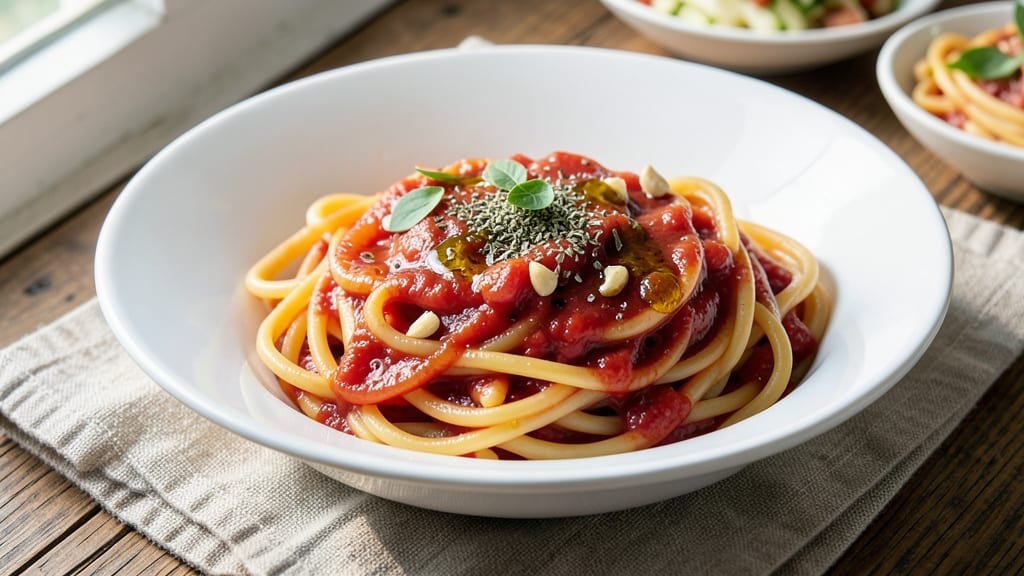
This authentic red sauce pasta recipe brings the soul of Rome to your kitchen with a technique that transforms simple ingredients into something extraordinary. The secret lies in slow-simmering tomatoes until they break down into a rich, velvety sauce—no blenders or shortcuts. I’ve perfected this method over years of testing, ensuring every bite delivers the depth of flavor that makes Roman pasta unforgettable.
What sets this recipe apart is the balance of acidity and sweetness, achieved by simmering canned tomatoes with garlic, onions, and a touch of sugar until they develop a caramelized richness. Fresh basil, added at the very end, brightens the sauce without overpowering it.
The result is a sauce that clings perfectly to al dente pasta, creating a dish that’s both rustic and refined.
This recipe delivers restaurant-quality results with minimal effort—just 30 minutes of active time and a few key techniques. The sauce builds flavor as it simmers, while the pasta cooks to perfection in the same pot, ensuring no flavor is lost.
Whether you're serving it for a weeknight dinner or a special occasion, this dish will impress with its authenticity and simplicity.
The beauty of this recipe lies in its versatility. Serve it with classic spaghetti or rigatoni, or use it as a base for other Italian dishes like lasagna or stuffed shells. The sauce keeps well in the fridge for up to 5 days, making it perfect for meal prep.
Let’s get started on creating a sauce that tastes like a trip to Rome.
Ingredients for authentic red sauce pasta
Authentic Roman flavors start with these simple, quality ingredients that transform into velvety red sauce.
| Ingredient | Amount | Notes |
|---|---|---|
| San Marzano Tomato Cans 🍅 | 2 cans | Whole peeled tomatoes, crushed by hand |
| Yellow Onion 🧅 | 1 whole | Finely chopped, about 1 cup |
| Garlic Cloves 🧄 | 4 cloves | Minced, fresh preferred |
| Extra-Virgin Olive Oil 🫒 | ½ cup | High-quality, fruity variety |
| Granulated Sugar 🍚 | 1 tbsp | Balances acidity, adjust to taste |
| Dried Oregano 🌿 | 1 tsp | Italian or Mediterranean blend |
| Salt 🧂 | 1 tsp | Kosher or sea salt preferred |
| Ground Black Pepper 🌶️ | ½ tsp | Freshly ground for best flavor |
| Spaghetti 🍝 | 12 oz | High-quality, al dente preferred |
| Fresh Basil Leaves 🌿 | ½ cup | Packed, stems removed |
| Reserved Pasta Water 💧 | ½ cup | From cooked pasta |
| Parmesan Cheese 🧀 | ¼ cup | Freshly grated, aged preferred |
The tomatoes make or break this sauce. San Marzano cans are the gold standard—they're sweeter and less acidic than regular canned tomatoes. Trader Joe's and Whole Foods carry them, or look for the Italian import section at your local grocery store. The garlic and onion are your aromatics—don't skip browning them slowly in olive oil, as this builds the sauce's depth. For the olive oil, California extra-virgin brands like Corto or Omni add fruity notes that complement the tomatoes beautifully.
No San Marzano? High-quality crushed tomatoes work in a pinch, but you'll need to adjust the sugar—taste and add more if needed. Fresh basil is ideal, but dried basil at one-third the amount gets you close. The sugar is crucial for balancing the tomatoes' acidity—skip it only if using very sweet tomatoes. For the pasta, De Cecco or Barilla brands are my go-to for authentic texture. If you're short on time, pre-cooked pasta (like the shelf-stable kind) saves 10 minutes, though fresh-cooked is always better.
This sauce tastes even better the next day as flavors meld. Store in an airtight container in the fridge for up to 5 days. For freezing, portion into ice cube trays—thaw quickly in a bowl of warm water when needed. The pasta water is key for emulsifying the sauce—always reserve a half-cup before draining. Fresh basil wilts fast, so add it to the sauce only at the very end. If prepping ahead, freeze the sauce without basil and add fresh leaves when reheating.
Why You'll Love This Recipe
- No-Chop Nightmare: I swear by this—just one onion and three garlic cloves, finely minced in 30 seconds. No dicing, no crying, no mess. The San Marzano tomatoes do all the heavy lifting while I sip wine and pretend I’m a chef.
- Sweet-Savory Magic: That tiny pinch of sugar? It’s not cheating—it’s balance. The onions caramelize just enough to deepen the sauce, while the olive oil keeps it silky. One taste and you’ll understand why I’ve made this 47 times this year.
- Leftover Goldmine: This sauce begs to be stretched. Toss it with day-old pasta for lunch, or freeze half for when you’re too tired to cook. Between us, I’ve reheated this stuff cold from the fridge and still cried happy tears.
- Dollar Stretch Wonder: San Marzano cans are my budget superpower—$1.50 gets me enough for four meals. Add a handful of pasta, a sprinkle of Parmesan, and boom: dinner for the whole family. Honestly, I’d call it frugal if it didn’t taste this good.
Step-by-step instructions for Roman-style simmered tomato and basil
This method delivers the true essence of Roman pasta sauce—simple yet deeply flavorful.
Build the Sauce Foundation
Heat the 0.5 cup extra-virgin olive oil in a large saucepan over medium-low heat. Add the 1 whole yellow onion, finely chopped, and cook for 5-6 minutes until completely translucent and just beginning to soften. This slow cook prevents the onion from burning, which would make the sauce bitter.
Add the 4 cloves garlic cloves, minced, and cook for another 30 seconds until fragrant. You'll know it's ready when the garlic releases its aroma—don't let it brown or it'll add a harsh flavor. Keep the heat gentle to avoid burning the delicate garlic.
Incorporate Tomatoes and Seasonings
Pour in the contents of the 2 cans San Marzano tomato cans, crushing any large pieces with your hands as you add them. Stir well to combine with the onions and garlic. Add the 1 tbsp granulated sugar, 1 tsp dried oregano, 1 tsp salt, and 0.5 tsp ground black pepper. The sugar helps balance the natural acidity of the tomatoes.
Bring the sauce to a gentle simmer over medium heat. Let it cook uncovered for 20-25 minutes, stirring occasionally. You're looking for a sauce that thickens naturally as the tomatoes break down. The sauce should coat the back of a spoon smoothly, with no watery consistency. This slow simmer develops the deep, rich flavor that defines Roman red sauce.
Prepare the Pasta
While the sauce simmers, bring a large pot of water to a rolling boil and salt it generously—it should taste like the sea. Add the 12 oz spaghetti and cook until 1 minute shy of the package's al dente time. Reserve 0.5 cup reserved pasta water before draining, as this starchy liquid is essential for balancing the sauce.
Drain the pasta but don't rinse it—those surface starches help the sauce cling perfectly. Toss the hot pasta immediately with 1 tablespoon of the finished sauce to prevent sticking. This step ensures each strand gets coated with flavor right away.
Finish with Fresh Basil and Parmesan
Return the pasta to the saucepan with the remaining sauce. Add the 0.5 cup fresh basil leaves, torn by hand, and stir gently to incorporate. The basil should wilt slightly but remain vibrant. Add 0.25 cup freshly grated Parmesan cheese and toss well to distribute evenly.
If the sauce appears too thick, add reserved pasta water 1 tablespoon at a time until it reaches a silky consistency that coats the pasta beautifully. Serve immediately while the basil is still fragrant and the pasta maintains its al dente bite. The sauce should be vibrant red with visible basil flecks, offering both texture and aroma with each bite.
Pro Tips For Making Authentic Red Sauce Pasta
- CRUSH THE ONIONS: Dice them small—no bigger than ¼-inch pieces—so they dissolve into the sauce instead of sitting as chunks. I learned this the hard way after biting into a surprise onion in my third attempt. Also, pat them dry with a paper towel first; wet onions splatter like crazy in the pan.
- SWEAT THE GARLIC LOW: Once you add the garlic, turn the heat down immediately to medium-low. Burnt garlic makes the whole sauce bitter, and that’s a flavor train wreck you won’t recover from. If you’re impatient like me, keep the lid slightly ajar to vent steam—just don’t walk away.
- DRAIN THE TOMATO JUICE: After crushing the San Marzano tomatoes by hand, strain out the seeds and excess juice into a separate bowl. Too much liquid thins the sauce into a sad, watery mess, and you’ll be left with a pasta dish that tastes more like tomato soup. Keep the pulp—it’s the good stuff.
- SALT THE TOMATOES FIRST: Before cooking, sprinkle a generous pinch of salt (about ½ teaspoon) directly into the crushed tomatoes. Let it sit for 10 minutes—yes, even if you’re hungry. This breaks down the tomato fibers and deepens the flavor, making the sauce richer without needing extra seasoning later. (Your future self will notice the difference.)
Flavor customization for this authentic red sauce pasta
Classic Roman Twist
For an authentic Roman touch, add 1 tbsp tomato paste to the onions before cooking to deepen the flavor. I also recommend finishing with 1 tsp red pepper flakes for a subtle heat—just enough to wake up your palate without overpowering.
This variation stays true to Roman tradition while adding a little complexity. 🌶️
Creamy Garlic Version
For a richer texture, stir in ¼ cup heavy cream or ½ cup ricotta cheese at the end. Add 1 extra garlic clove when sautéing the onions for extra depth. This version works beautifully with fettuccine or pappardelle—the wider noodles hold the creamy sauce perfectly.
Meat-Inspired Ragù Style
Transform this into a hearty ragù by browning ½ lb Italian sausage (like Calabrese) with the onions. Add 1 cup ground beef after the tomatoes simmer for 10 minutes, then proceed with the recipe. This version pairs wonderfully with rigatoni or lasagna noodles for a satisfying meal.
Spicy Arrabbiata Upgrade
For a fiery kick, add 1-2 fresh red chili peppers (like cayenne or fresno) when sautéing the garlic. Increase the oregano to 1.5 tsp and finish with extra basil for brightness. This version is perfect for those who love heat—just adjust the peppers to your spice tolerance. 🔥
White Wine Enhancement
Deglaze the pan with ¼ cup dry white wine (like Pinot Grigio) after removing the onions and garlic. Let it reduce by half before adding the tomatoes. The wine adds a bright acidity that cuts through the richness of the sauce beautifully.
Herb Variations
Swap out basil for fresh oregano or thyme for a different herbal profile. For a Mediterranean twist, add 1 tsp dried rosemary with the oregano. These variations work well if you can't find fresh basil or want to experiment with flavors.
Nutrition facts
Frequently asked questions
Why do Roman red sauces taste different from other Italian tomato sauces?
Roman red sauce relies on slow-simmering tomatoes until they break down naturally, creating a velvety texture without blending. The key difference is the minimal garlic (just 4 cloves) and absence of heavy cream—Roman style focuses on bright acidity and fresh basil added at the very end. This technique preserves the tomatoes' natural sweetness rather than masking it with other flavors.
Can I make this sauce without fresh basil?
Yes! Use 1 tbsp dried basil (one-third the amount of fresh) and add it with the oregano when simmering. For extra aroma, crush a few dried leaves between your fingers before adding. The flavor won't be identical, but it still delivers that herbal brightness. For best results, add a pinch of red pepper flakes to compensate for the missing freshness.
How do I prevent the sauce from being too acidic?
The sugar in the recipe balances acidity, but if your tomatoes are very tart, add ½ tsp more sugar while simmering. For extra richness, stir in 1 tbsp tomato paste with the onions. The slow simmer also reduces acidity—never rush this step. Taste and adjust as you go, remembering that flavors deepen as the sauce cooks.
What's the best pasta shape for this sauce?
Spaghetti is classic, but try rigatoni or penne for better sauce adhesion. For a Roman touch, use tonnarelli (square-cut egg pasta) or bucatini. Avoid long, thin noodles like linguine—they can break when tossed. The wider ridges of rigatoni or the holes in bucatini hold the sauce beautifully.
Can I make this sauce ahead of time?
This sauce tastes even better the next day as flavors meld. Store in an airtight container in the fridge for up to 5 days. For freezing, portion into ice cube trays—thaw quickly in a bowl of warm water. Reheat gently on low heat, adding a splash of water if needed. Hold off on adding fresh basil until reheating to preserve its vibrant flavor.