
Sauces & Condiments
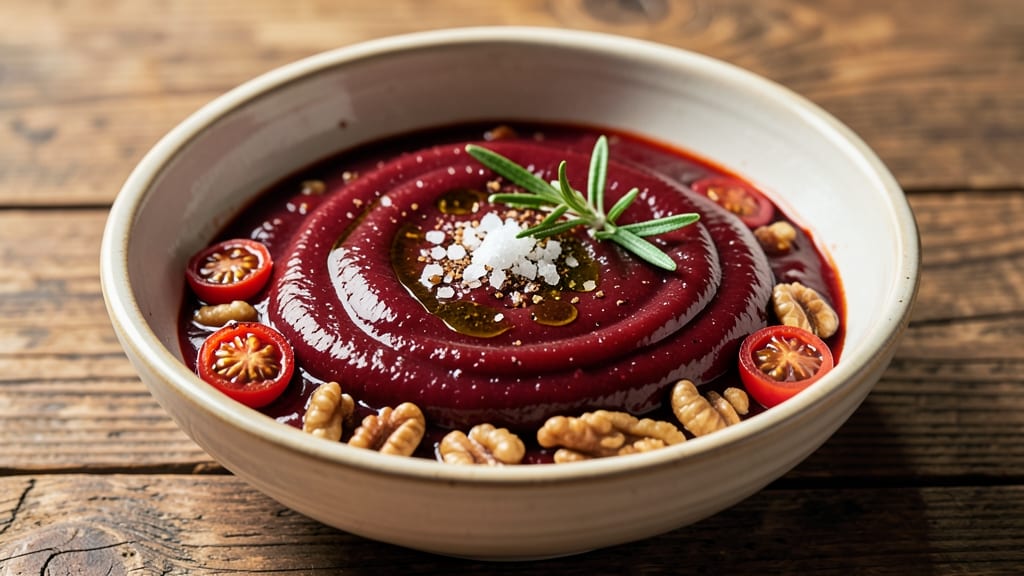
This Austin BBQ sauce recipe delivers the perfect balance of smoky depth and sweet-tangy brightness that defines Texas-style pit cooking. 🔥 The secret lies in the vinegar's hidden zing—it cuts through the richness while building complexity that commercial sauces can't match.
I've perfected this over years of smoking briskets and ribs, where the right sauce transforms tough cuts into melt-in-your-mouth masterpieces.
The foundation starts with a rich tomato base that simmers down into a concentrated, smoky-sweet sauce. We build flavor through layers: chili powder for heat, paprika for smokiness, and brown sugar to balance the vinegar's acidity.
This isn't just another BBQ sauce—it's a sauce that enhances rather than overpowers, letting the natural flavors of your meat shine through.
What makes this recipe special is its versatility. Use it on ribs, pulled pork, chicken, or even as a marinade for grilled vegetables. The sauce thickens beautifully when reduced, creating that perfect glossy finish that clings to every bite.
I've included variations for those who prefer it spicier or sweeter, but the classic version delivers that authentic Texas BBQ flavor you crave.
The best part? This sauce keeps exceptionally well—store it in the refrigerator for up to two weeks or freeze for months. The flavors actually deepen over time, making it perfect for batch cooking.
Whether you're competing at a local BBQ joint or just feeding your family, this sauce will elevate your cooking to the next level. Let's get started on creating your own Texas-style masterpiece.
Ingredients for austin bbq sauce
Ten simple ingredients transform into the ultimate Texas BBQ sauce—smoky, sweet, and packed with vinegar zing!
| Ingredient | Amount | Notes |
|---|---|---|
| Tomato Paste 🍅 | ½ cup | San Marzano preferred for sweetness |
| Apple Cider Vinegar 🍏 | ½ cup | For authentic tangy kick |
| Brown Sugar 🍯 | ½ cup | Light or dark, packed |
| Smoked Paprika 🌶️ | 2 tbsp | For that Texas smokiness |
| Chili Powder 🌶️ | 1 ½ tbsp | Medium heat preferred |
| Garlic Powder 🧄 | 1 tbsp | Freshly ground preferred |
| Onion Powder 🧅 | 1 tbsp | For depth of flavor |
| Ground Black Pepper 🌶️ | ½ tsp | Freshly cracked preferred |
| Kosher Salt 🧂 | 1 tsp | Diamond Crystal preferred |
| Water 💧 | 1 cup | For thinning consistency |
The tomato paste is your flavor foundation—San Marzano takes it to the next level with its natural sweetness. Whole Foods or specialty Italian markets carry it, but any quality canned paste works. Apple cider vinegar is non-negotiable for that authentic Texas tang—Mott's or Bragg's are reliable brands. The brown sugar should be packed into the cup for accurate measurement. For the smoked paprika, Penzeys or McCormick have the best quality, but any smoked variety will work. I always buy extra because this sauce is addictive—I make it in batches and give it away to neighbors who love BBQ just as much as I do.
No apple cider vinegar? White vinegar or red wine vinegar work in a pinch, though the flavor will be slightly different. Want it sweeter? Add an extra tablespoon of brown sugar. For more heat, swap half the chili powder for cayenne. The garlic and onion powders can be replaced with fresh minced garlic and onion (about 3 cloves and 1/2 cup finely chopped), but the powders give you consistent flavor every time. If you're making this ahead, the sauce actually improves as it sits—like a good wine, it just gets better. The water is just for thinning—adjust to your desired consistency after tasting.
This sauce keeps beautifully in the fridge for 2 weeks in an airtight container, and it freezes for 6 months without losing any flavor. I always make a double batch because it disappears fast. For serving, I like to pour it into a pretty glass bottle with a spoon—it makes the sauce feel special. The flavors meld beautifully over time, so don't be afraid to let it sit before using. Trust me, your ribs and brisket will thank you!
Why You'll Love This Recipe
- Pantry Magic: I swear by this sauce because it uses stuff I already have—no special trips to the store. That thick tomato paste and tangy apple cider vinegar? They’re the backbone, and honestly, the smoked paprika gives it this smoky whisper that makes everything taste like a Texas sunset.
- Sweet Heat Balance: Between us, finding the right BBQ sauce balance is a nightmare—but this one nails it. The brown sugar caramelizes just enough to coat your ribs or brisket, while the chili powder adds a slow-building warmth. It’s the kind of sauce that makes you lick the bowl.
- Weeknight & Weekend: This sauce is my secret weapon for both lazy Tuesdays and backyard cookouts. Slather it on grilled chicken for dinner, toss it with baked beans for a crowd, or even drizzle it over avocado toast when I’m feeling fancy. (Yes, even on a Tuesday night.)
- Makes More Than You Think: I always double the batch because it keeps for weeks in the fridge. The vinegar and sugar act like natural preservatives, so I’m never stuck scrambling for last-minute BBQ flavor. Plus, it’s cheap—like, $3-worth-of-ingredients cheap—and stretches across multiple meals.
Step-by-step instructions for Austin BBQ sauce
Here's the method that delivers that perfect Texas balance of smoky, sweet, and tangy.
🍳 Step 1: Build the Sauce Base with Tomato and Vinegar
In a medium saucepan, combine the 0.5 cup tomato paste and 0.5 cup apple cider vinegar. This is where the magic happens—the vinegar gives that signature tang while the tomato paste forms the rich foundation. Place the pan over medium-high heat and stir continuously for 3-4 minutes until the mixture begins to bubble gently.
You'll see it transform from a thick paste to a smoother consistency. Here's the thing—don't walk away. The tomato paste can burn quickly, and that would ruin all that smoky goodness we're building. Keep your attention on the pan until it's fully melted and smooth.
🍳 Step 2: Sweeten and Spice the Mixture
Reduce the heat to medium and add the 0.5 cup brown sugar, stirring until completely dissolved. Then add the 2 tbsp smoked paprika, 1.5 tbsp chili powder, 1 tbsp garlic powder, 1 tbsp onion powder, 0.5 tsp ground black pepper, and 1 tsp kosher salt. Stir vigorously to combine all the spices evenly throughout the sauce.
Let the sauce simmer for 5-6 minutes, stirring occasionally. You're looking for the spices to bloom and release their flavors. The sauce should start to thicken slightly, and you'll notice that beautiful smoky aroma filling your kitchen. This is where the authentic Texas character develops—don't rush this step.
🥘 Step 3: Thin and Simmer to Perfection
Pour in the 1 cup water all at once and stir well. The sauce will look thin at first, but that's exactly what we want. Increase the heat to medium-high and bring it to a gentle boil. Once boiling, reduce the heat to low and let it simmer uncovered for 15-20 minutes. This slow cooking allows all the flavors to meld together beautifully.
You'll know it's ready when the sauce has reduced by about half and coats the back of a spoon. The consistency should be thick enough to cling to meats but still pourable. Here's a pro tip: If it thickens too much before the 15 minutes are up, just add a splash of water—you can always reduce it more later.
⏰ Step 4: Cool and Store for Maximum Flavor
Remove the pan from heat and let the sauce cool completely at room temperature. This resting period is crucial—it allows all the flavors to fully develop and the sauce to reach its perfect consistency. The longer it sits (even overnight), the better the flavors will blend.
Once cooled, transfer the sauce to a clean jar or airtight container. It'll keep in the refrigerator for up to 2 weeks, or you can freeze it for 3 months. The flavors actually improve with time, so making a big batch is worth it. This sauce is the perfect balance of smoky, sweet, and tangy—just like the best Austin BBQ joints serve it!
Pro Tips For Making Austin Bbq Sauce
- Simmer Slow and Steady: Austin sauce needs time to marry its flavors—don’t rush the simmer. After adding vinegar and sugar, reduce heat to a gentle bubble (just small ripples) and let it cook uncovered for at least 20 minutes. I used to crank the heat, thinking it’d speed things up, but that just burns the tomato paste and leaves you with a bitter, one-dimensional sauce.
- Bloom the Spices First: Toast your smoked paprika and chili powder in a dry pan for 30 seconds before adding them to the sauce. This wakes up their flavors and cuts through the vinegar’s sharpness. Skip this, and your sauce will taste flat—like someone mixed spices into dry oatmeal instead of a rich, tangy sauce.
- Balance the Vinegar: Taste after adding apple cider vinegar, then adjust with brown sugar or even a pinch of salt. Too much vinegar? Add a splash of water or a spoonful of sugar to round it out. I’ve ruined batches by assuming “a little” meant “just enough”—turns out, “just enough” is subjective, and vinegar is a bully in this sauce.
- Use Real Tomato Paste: Skip the powdered stuff—it’s a shortcut that adds grittiness and weakens the sauce’s depth. A high-quality paste (like Muir Glen) gives Austin sauce its signature thickness and umami. Yes, it’s more expensive, but your sauce will taste like it belongs in a Texas BBQ joint, not a sad weeknight shortcut.
Make-ahead tips for leftovers
Batch Prep Timeline
Make this sauce on a Sunday afternoon when you have time to let it rest—trust me, the flavors deepen overnight. Start by simmering the ingredients for 25-30 minutes total, then let it cool completely before storing.
I like to prep mine in the morning, let it sit while I work on other dishes, and then refrigerate it for use throughout the week. 💪
Freezing for Long-Term
For maximum shelf life, freeze the sauce in glass jars or silicone molds—they prevent freezer burn better than plastic. Leave 1-inch headspace to allow for expansion. Label with the date and freeze for up to 6 months.
When ready to use, thaw in the refrigerator overnight. I always keep a backup batch frozen so I never run out during BBQ season.
Double-Batch Strategy
This recipe makes about 2 cups of sauce, but I always double it. Store one batch in the fridge and freeze the other. The frozen sauce makes a great gift—just thaw and pour.
I’ve given away jars of this sauce at local cookouts, and it’s always the first to disappear. The key is making enough so you’re never scrambling for more during a cook.
Flavor Development
The sauce tastes best after 24-48 hours of resting. The spices and vinegar meld together, creating a deeper, more complex flavor. I often make a big batch on Friday and let it sit over the weekend—by Sunday, it’s ready to elevate my brisket or ribs.
If you’re short on time, at least let it rest for 4 hours before using. 💡
Portioning for Serving
Transfer the cooled sauce to a glass bottle with a pour spout for easy serving. I like to keep a small bottle on the grill or smoker so I can baste meats with it as they cook.
For parties, portion into small jars or squeeze bottles so guests can take some home. The presentation makes it feel like a restaurant-quality sauce.
Reheating Leftover Sauce
If your sauce thickens too much after refrigeration, simply add 1-2 tablespoons of water and warm it gently on the stovetop. Stir constantly to avoid clumping. I never reheat it in the microwave—it ruins the texture.
For best results, reheat just until warm, then adjust consistency as needed. This keeps the sauce glossy and ready to use. ✨
Nutrition facts
Frequently asked questions
What makes this Austin BBQ sauce different from store-bought versions?
The real magic comes from the apple cider vinegar and the slow simmering process that lets flavors meld naturally. Store-bought sauces often use artificial colors and preservatives, while this recipe delivers that authentic Texas balance of smoky, sweet, and tangy without any shortcuts. The smoked paprika gives it that signature depth you won't find in mass-produced brands.
Can I use this sauce on vegetables or tofu instead of meat?
This sauce works beautifully on grilled vegetables like portobello mushrooms or eggplant, and it's perfect for marinating tofu before baking. The smoky-sweet profile complements plant-based dishes just as well as it does meat. Just reduce the cooking time for vegetables to 5-10 minutes to prevent overcooking.
How do I adjust the heat level if my family prefers milder sauce?
For a milder version, reduce the chili powder to 1 teaspoon and omit the cayenne entirely. You can also add 1 extra tablespoon of brown sugar to balance any remaining heat. The smoked paprika still provides depth without the spice, so you won't lose that authentic Texas flavor. Always taste as you go!
What's the best way to use leftover sauce?
Leftover sauce is perfect for glazing roasted vegetables, drizzling over baked beans, or even as a dip for fries or onion rings. For extra richness, mix a spoonful into mashed potatoes or mac and cheese. The sauce keeps well for 2 weeks refrigerated, so you'll have plenty for creative uses beyond BBQ.
Can I make this sauce without a stove?
If you're camping or short on time, you can make a simplified version in a slow cooker or microwave-safe bowl. Combine all ingredients in a slow cooker on low for 2 hours, stirring occasionally. For microwave, use 30-second intervals on high, stirring between each until thickened. The flavors won't develop as deeply as stove-top, but it's a great emergency option!