
Sauces & Condiments
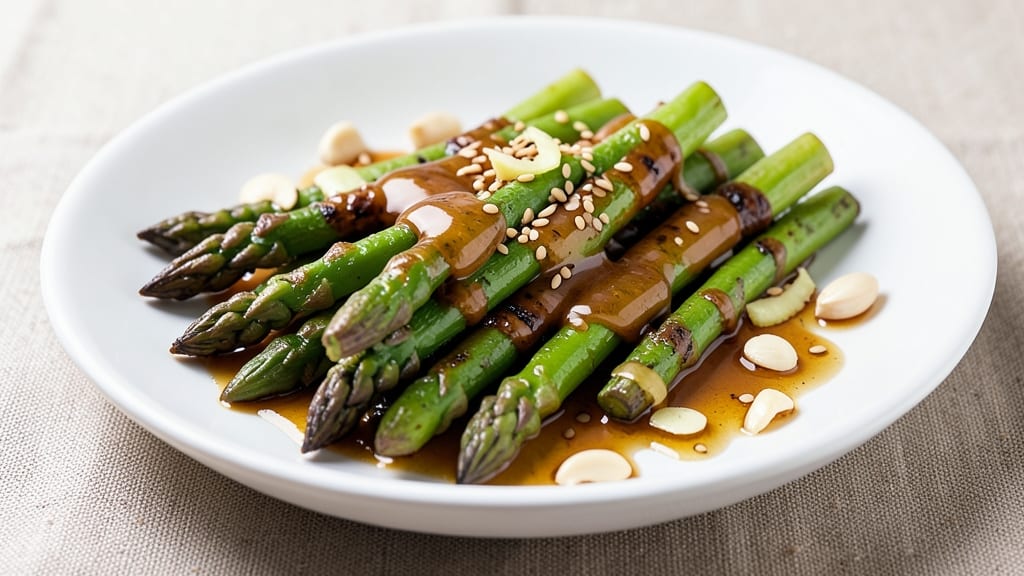
This asparagus in oyster sauce recipe transforms humble spring vegetables into a restaurant-worthy stir-fry that’s ready in just 15 minutes. The secret lies in oyster sauce’s deep umami richness, which caramelizes beautifully with garlic and ginger, creating a glossy, sweet-savory glaze that clings to tender asparagus spears.
I developed this dish after realizing how quickly fresh asparagus could become something special with the right sauce—no meat required, just bold flavor.
The recipe relies on a simple technique: quick sautéing to preserve crisp-tender asparagus while building layers of flavor in the wok. Oyster sauce serves as the star, balancing sweetness with a subtle brininess that pairs perfectly with garlic, soy sauce, and a touch of honey.
The result is a dish that’s elegant enough for dinner guests but effortless enough for weeknight meals, with a texture that’s both silky and satisfying.
What you’ll end up with is vibrant green asparagus spears coated in a glossy, aromatic sauce that’s sweet yet complex—each bite delivers a perfect harmony of umami, garlic heat, and natural asparagus sweetness.
The dish works beautifully as a standalone vegetarian main or alongside steamed rice, where the sauce soaks into every grain. It’s the kind of recipe that makes fresh spring produce feel like a gourmet experience.
For extra depth, finish with toasted sesame seeds or a sprinkle of scallions, and serve immediately while the sauce remains velvety. This stir-fry proves that even the simplest ingredients can become extraordinary with the right technique—and a little oyster sauce magic. Let’s get cooking.
Ingredients for asparagus in oyster sauce
Transform humble asparagus into restaurant-worthy stir-fry with these umami-rich ingredients—each playing a precise role in the sauce's velvety harmony.
| Ingredient | Amount | Notes |
|---|---|---|
| Fresh Asparagus Spears 🌱 | 1 ½ lb | Trim woody ends, spears uniform length |
| Oyster Sauce 🍶 | ½ cup | High-quality, not instant mix |
| Low-Sodium Soy Sauce 🥢 | 2 tbsp | For umami depth |
| Fresh Garlic Cloves 🧄 | 4 cloves | Minced, aromatic intensity |
| Fresh Ginger 🌿 | 1 tbsp | Finely grated, bright flavor |
| Honey 🍯 | 1 tbsp | Light, floral variety |
| Sesame Oil 🫒 | 1 tbsp | Toasted, aromatic finish |
| Neutral Oil 🫒 | 2 tbsp | Avocado or vegetable oil |
| Scallions 🧅 | 3 whole | Thinly sliced, fresh green |
| Toasted Sesame Seeds 🌰 | 1 tbsp | For garnish, nutty crunch |
| Lime Wedges 🍋 | 2 whole | For serving, bright acidity |
| Steamed Jasmine Rice 🍚 | 2 cups | Cooked, fluffy base |
| Diamond Crystal Kosher Salt 🧂 | ½ tsp | Fine grain, balanced seasoning |
| Ground Black Pepper 🌶️ | ¼ tsp | Freshly cracked, subtle heat |
The asparagus is non-negotiable—farm-fresh spears with crisp stems ensure the perfect texture. Look for vibrant green tips and firm stalks at Whole Foods or your local farmers market in spring, or opt for pre-trimmed asparagus at Trader Joe's for convenience. For the oyster sauce, Lee Kum Kee is the gold standard, but Kikkoman also delivers consistent quality. Avoid the powdered or instant varieties—they lack depth. The garlic and ginger should be organic when possible to maximize flavor, and always grate the ginger fresh for that bright, zesty punch. Sesame oil is where the magic happens; Kadoya or La Choy are reliable brands that won’t overpower the dish with bitterness.
No oyster sauce? Substitute with a mix of soy sauce and a splash of fish sauce—though it won’t capture the same umami complexity. Running low on sesame seeds? Toasted white sesame seeds work just as well, but reduce the amount slightly to avoid overpowering. The honey adds a delicate sweetness, so if you’re avoiding it, maple syrup or agave nectar are excellent alternatives. For extra heat, add a dash of sriracha or chili crisp at the end. If you’re serving this to guests who prefer their asparagus al dente, reduce the cooking time by 30 seconds—it continues cooking slightly after being removed from heat. The scallions can be swapped for chives if that’s what you have on hand, but scallions offer that perfect balance of sharpness and mild sweetness.
Prep the asparagus first—trim the ends and blanch for 30 seconds if you’re worried about overcooking during the stir-fry. The sauce components can be measured and mixed ahead of time, but add the sesame oil last to preserve its aromatic punch. Store any leftover sauce in an airtight container in the fridge for up to 5 days, though it’s best used within 24 hours for peak flavor. The asparagus reheats beautifully—toss with a little extra sesame oil and serve over rice. For a make-ahead option, blanch and shock the asparagus the night before, then store in the fridge until ready to stir-fry. The rice can be cooked in advance and reheated with a splash of water to maintain its fluffiness.
Why You'll Love This Recipe
- Five-Ingredient Magic: I swear by this when I’m staring at a fridge full of asparagus and nothing else. Just trim the ends, toss in garlic and ginger, and let the oyster sauce do the work—no fancy techniques, no stress.
- Umami Bomb: That first bite? The oyster sauce clings to the asparagus like a hug, while the soy sauce adds a salty punch. The garlic and ginger sizzle just enough to wake up every crisp spear—simple, but ridiculously satisfying.
- Lunchbox Hero: Between us, this is my go-to for packed lunches. The flavors hold up for days, and it reheats like a dream. Add a sprinkle of sesame seeds, and suddenly you’ve got a meal that feels fancy enough for a workday.
- Budget Win: Oyster sauce stretches, garlic and ginger are cheap, and asparagus is seasonal but never pricey. I’ve made this for four people for under $10—fills me up, fills the wallet, and fills my taste buds with joy.
Step-by-step instructions for asparagus in oyster sauce
This quick stir-fry delivers restaurant-quality balance in minutes—crisp asparagus with a glossy, sweet-savory sauce.
Prep the Asparagus and Aromatics
Trim the woody ends from the 1.5 lb fresh asparagus spears by snapping them at their natural break points. You'll hear a clean crack when you bend them correctly—this ensures you remove only the tough bottom portions while keeping the tender spears intact. Cut the spears into 2-inch pieces for even cooking, and set aside.
While you work, peel the 1 tbsp fresh ginger using a microplane or fine grater to create a paste-like texture. Mince the 4 cloves fresh garlic cloves finely—you want them almost paste-like to prevent burning during cooking. Thinly slice the 3 whole scallions, separating the white and green parts for garnish later. Keep all prepped ingredients within reach for quick assembly.
Build the Sauce Base
Heat the 2 tbsp neutral oil in a large wok or skillet over medium-high heat until shimmering but not smoking. Add the minced garlic and ginger, stirring constantly for 30-45 seconds until fragrant but not browned—this prevents bitterness. Immediately add the 0.5 cup oyster sauce and 2 tbsp low-sodium soy sauce, stirring to combine. Let the sauce simmer gently for 1 minute to meld flavors.
Here's where it gets good—stir in the 1 tbsp honey and 1 tbsp sesame oil. The honey will begin to caramelize slightly, deepening the sauce's complexity. Keep the heat at medium to prevent scorching while allowing the sauce to thicken slightly—it should coat the back of a spoon but remain glossy, not syrupy. This is your flavor foundation, so taste and adjust seasoning with 0.5 tsp diamond crystal kosher salt and 0.25 tsp ground black pepper if needed.
Stir-Fry the Asparagus
Add the asparagus pieces in a single layer to the wok, spreading them out to avoid crowding. Stir-fry for 2-3 minutes until the edges begin to soften but still retain a slight crispness. The goal is al dente asparagus—it should offer resistance when pierced with a fork. If the asparagus appears to be steaming rather than searing, increase the heat slightly or work in batches to maintain high heat.
Once the asparagus reaches bright green color and just begins to soften, pour the sauce over the vegetables. Toss everything together for 1-2 minutes until the asparagus is fully coated and the sauce clings to the spears. The residual heat will finish cooking the asparagus while infusing it with the sweet-savory sauce. Remove from heat just before the asparagus becomes completely tender—it continues cooking slightly off the heat.
Plate and Garnish
Transfer the asparagus to a serving platter lined with the 2 cups steamed jasmine rice. The rice should be fluffy and hot, providing a neutral base that lets the asparagus shine. Drizzle any remaining sauce from the wok over the top, creating an attractive glossy finish. Sprinkle with the sliced scallion whites and 1 tbsp toasted sesame seeds for texture and visual appeal.
Serve immediately with the 2 whole lime wedges on the side. The bright acidity of the lime cuts through the richness of the sauce, balancing each bite. The dish should be vibrant, with tender-crisp asparagus swimming in a glossy, umami-packed sauce that's neither too sweet nor too salty. Garnish with the remaining scallion greens for freshness and a pop of color.
Pro Tips For Making Asparagus In Oyster Sauce
- Trim the Tough Ends: DESCRIPTION: Snip off the last inch of each spear—don’t guess. Those woody bits never soften, and they’ll turn your sauce into a chewy mess. I used to leave them on out of laziness, and the texture suffered every time.
- Bloom the Aromatics: DESCRIPTION: Sauté minced garlic and ginger in oil until golden—not just fragrant, but visibly toasted. This takes 30 seconds, but skipping it leaves the sauce tasting flat. Trust me, the difference is night and day.
- Don’t Overcrowd the Pan: DESCRIPTION: Cook the asparagus in batches if needed. A packed pan steams the spears instead of searing them, and you’ll end up with soggy, dull asparagus drowning in sauce. Tight quarters = sad results.
- Finish with Soy Sauce Last: DESCRIPTION: Add the low-sodium soy sauce at the very end—just before serving. It’ll mellow out the richness of the oyster sauce and brighten the dish without overpowering the garlic-ginger punch. I learned this after a batch tasted too heavy.
Best sauces and condiments for these flavors
Classic Oyster Sauce
The star of this dish is the oyster sauce, which brings deep umami and a perfect balance of sweetness and saltiness. For the best results, use high-quality oyster sauce like Lee Kum Kee—it's rich, glossy, and packed with authentic flavor.
If you can't find it, Kikkoman is a reliable alternative. Avoid instant or powdered versions, as they lack the depth needed for this dish. 🍶
For an extra layer of complexity, simmer the sauce with garlic and ginger before adding it to the asparagus. This step develops the flavors and creates a glossy, velvety texture that coats the asparagus perfectly.
The sauce should be thick enough to cling but still flow smoothly—think of it like a silky glaze rather than a heavy syrup.
Sesame Oil Magic
The sesame oil is where the dish gets its aromatic punch. Use toasted sesame oil (like Kadoya or La Choy) for the best flavor—it adds a nutty, toasty note that complements the umami of the oyster sauce.
Add it at the very end of cooking to preserve its delicate aroma. A little goes a long way, so start with 1 tablespoon and adjust to taste.
If you're avoiding sesame oil, you can substitute it with a light drizzle of toasted peanut oil or even a pinch of ground toasted sesame seeds for a milder but still nutty finish.
Just remember, sesame oil is the secret to that signature wok hei (breath of the wok) flavor that makes this dish so irresistible.
Sweet-Savory Balance
The honey in this recipe is key to balancing the savory oyster sauce with a touch of sweetness. Use light, floral honey (like Manuka or clover honey) to avoid overpowering the dish.
If you prefer a different sweetener, maple syrup or agave nectar work well too. Start with 1 tablespoon and adjust to taste—you want the sauce to be sweet but not cloying.
For a deeper flavor, let the honey caramelize slightly while simmering the sauce. This adds a subtle depth that makes the dish taste even more restaurant-worthy.
If you're feeling adventurous, a dash of sriracha or chili crisp at the end can add a spicy kick that pairs beautifully with the sweet-savory profile.
Umami Boosters
To enhance the umami depth, don’t skip the soy sauce. Use low-sodium soy sauce (like Kikkoman) to avoid over-salting the dish. The 2 tablespoons of soy sauce work in harmony with the oyster sauce to create a complex, layered flavor.
If you're a fan of extra umami, a splash of fish sauce (about ½ teaspoon) can take this dish to the next level.
For a vegetarian twist, you can replace the fish sauce with vegetarian oyster sauce (like Annie Chun’s) or even a mushroom-based umami booster like soy sauce mixed with a splash of white miso paste.
The key is to keep the balance between sweet, salty, and umami—this is what makes the sauce so addictive.
Finishing Touches
The toasted sesame seeds and scallions are the perfect finishing touches. Toast the sesame seeds in a dry pan over medium heat for 1-2 minutes until fragrant, then sprinkle them over the dish for a nutty crunch.
The scallions add a fresh, sharp contrast to the rich sauce, so don’t skip them! Thinly slice the whites for garnish and save the greens for a pop of color on top.
For an extra burst of brightness, serve the dish with lime wedges on the side. A squeeze of lime just before eating cuts through the richness of the sauce and balances the flavors perfectly. Trust me, this simple addition elevates the dish from good to amazing. ✨
Nutrition facts
Frequently asked questions
Can I use frozen asparagus instead of fresh?
Fresh asparagus gives the best texture, but frozen works in a pinch! Thaw and pat dry thoroughly before cooking to prevent excess moisture in the stir-fry. For extra crispness, blanch frozen asparagus for 1 minute before stir-frying. The sauce will still cling beautifully, though fresh spears offer that signature snap.
How do I adjust the sweetness in the sauce?
The honey provides balance, but you can tweak it easily. For more sweetness, add ½ teaspoon extra honey or 1 teaspoon maple syrup. For less sweetness, reduce the honey to ½ tablespoon and add a pinch more soy sauce to compensate. Taste as you go—this sauce should be harmonious, not one-note!
What if I don’t have oyster sauce?
No problem! Mix ¼ cup soy sauce with 1 teaspoon fish sauce (or 1 teaspoon vegetarian miso paste) and 1 teaspoon sugar for a quick substitute. Simmer this blend with the garlic and ginger to develop depth. The umami won’t be identical, but it’ll still deliver great flavor!
Can I make this dish ahead of time?
While the sauce and asparagus are best enjoyed fresh, you can prep components ahead. Make the sauce base (without sesame oil) and store it in the fridge for 3 days. Blanch asparagus in advance and refrigerate—reheat gently in the sauce for 2 minutes before serving. For the best texture, though, cook it fresh whenever possible!
What other vegetables pair well with this recipe?
This sauce works beautifully with bell peppers (for crunch), snap peas (for freshness), or shiitake mushrooms (for extra umami). For a seafood twist, add shrimp or scallops—they absorb the sauce perfectly. Just adjust cooking times to match your chosen vegetables!