
Sauces & Condiments
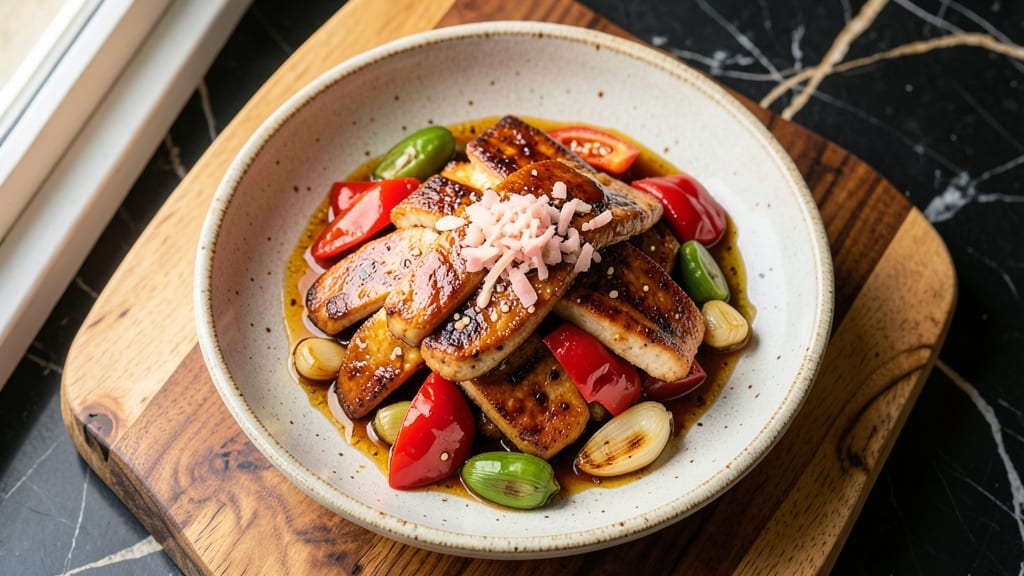
This Kikkoman teriyaki sauce stir fry delivers restaurant-quality flavor in just 20 minutes, transforming simple ingredients into a sweet-savory umami masterpiece. The secret lies in high-heat searing and the perfect balance of Kikkoman's signature teriyaki sauce—glossy, sticky, and packed with caramelized depth.
I developed this recipe after years of testing stir-fry techniques, and it consistently delivers tender protein, crisp-tender vegetables, and that signature teriyaki shine.
The beauty of this dish is its versatility—whether you're using chicken, beef, or tofu, the stir-fry technique ensures perfect texture every time. The sauce isn't just poured on top; it's incorporated during cooking to create a glossy, flavorful coating that clings to every bite.
For extra authenticity, I recommend finishing with a sprinkle of sesame seeds and sliced green onions, adding both texture and freshness.
What you'll end up with is a vibrant, aromatic stir fry that's rich in umami yet balanced with natural sweetness. The teriyaki sauce caramelizes slightly as it cooks, deepening its flavor profile and creating a sauce that's both sticky and well-rounded.
This dish is equally at home as a weeknight dinner or a weekend meal prep project, with leftovers tasting even better the next day.
Serve it over steamed jasmine rice or noodles for the full experience, and don't forget to set out soy sauce and extra teriyaki sauce on the table for customization.
The combination of tender protein, crisp vegetables, and that glossy teriyaki sauce creates a dish that's impossible to resist—once you try it, you'll never go back to store-bought takeout again.
Ingredients for kikkoman teriyaki sauce stir fry
Restaurant-quality stir fry starts with these umami-packed ingredients—simple but transformative with perfect technique.
| Ingredient | Amount | Notes |
|---|---|---|
| Boneless Chicken Breast 🍗 | 1 ½ lb | Cut into 1-inch strips |
| Kikkoman Teriyaki Sauce 🍶 | ¾ cup | Original or low-sodium version |
| Sesame Oil 🫒 | 1 tbsp | For aroma, not cooking |
| Fresh Ginger 🌿 | 1 tbsp | Minced, peeled |
| Garlic Cloves 🧄 | 4 cloves | Minced, fresh preferred |
| Bell Peppers 🌶️ | 2 whole | Red or green, sliced |
| Broccoli Florets 🥦 | 2 cups | Cut into bite-sized pieces |
| Carrots 🥕 | 2 whole | Julienned or thinly sliced |
| Green Onions 🧅 | 3 whole | Sliced, white and green parts |
| Toasted Sesame Seeds 🌾 | 1 tbsp | For garnish |
| Jasmine Rice 🍚 | 1 ½ cups | Uncooked, for serving |
| Vegetable Oil 🫒 | 2 tbsp | High smoke point preferred |
| Diamond Crystal Kosher Salt 🧂 | ½ tsp | For seasoning |
| Black Pepper 🌶️ | ¼ tsp | Freshly ground |
| Soy Sauce 🍶 | 1 tbsp | For serving, optional |
The Kikkoman teriyaki sauce is non-negotiable here—its signature caramelized depth separates homemade from takeout. Grab the original version from any grocery store (it's in the Asian aisle near the soy sauce), or opt for low-sodium if you're watching salt. Fresh ginger and garlic are essential for that bright, aromatic base—Whole Foods or Trader Joe's carry pre-minced versions if you're short on time, but freshly grated always wins. For the protein, chicken breast strips cook faster than thighs, but if you prefer beef, sirloin or flank steak works beautifully when sliced thinly against the grain. The bell peppers and broccoli should be crisp—harvest fresh if possible, or buy pre-cut for convenience (just rinse well).
No teriyaki sauce? Homemade version works—mix ½ cup soy sauce, ¼ cup mirin, 2 tbsp brown sugar, 1 tbsp rice vinegar, and 1 tsp grated ginger. Sesame oil substitute: toasted sesame oil is irreplaceable, but a pinch of toasted sesame seeds in the sauce adds depth. Swapping chicken for tofu? Press and slice firm tofu into strips, then pan-fry until crispy before stir-frying. Vegetable overload? Halve the broccoli and add snap peas or mushrooms instead. The green onions can be subbed with chives if you're out, but the white parts add crucial texture contrast. Pro tip: Prep all veggies while the rice cooks—multitasking is key in stir-fry land.
This dish reheats like a dream—microwave with a splash of water for 30 seconds to revive crispness. Store leftovers in airtight containers for up to 4 days in the fridge, or freeze for 3 months (portion into single servings first). Rice tip: Cook jasmine rice in a rice cooker or pot, then fluff with a fork—don't skip this step or it gets gummy. For meal prep, double the sauce and freeze half; thaw and reheat with the stir fry. Garnish hack: Toast sesame seeds in a dry pan for 30 seconds—they release aroma instantly when sprinkled on top.
Why You'll Love This Recipe
- One-Pan Magic: I swear by this recipe when I’m too tired to scrub pots—just toss the chicken, veggies (if you’re adding them), and sauce in one skillet, let the teriyaki caramelize, and boom. That sesame oil finish? It’s the secret to cutting cleanup in half without sacrificing flavor.
- Umami Bomb: The Kikkoman teriyaki sauce isn’t just sweet—it’s got that deep, savory punch that sticks to your ribs. Add a thumb-sized chunk of fresh ginger and a couple smashed garlic cloves while the chicken cooks, and you’ve got a balance that’s dangerously addictive. (Yes, even for people who think they don’t like stir-fry.)
- Lunchbox Hero: Between us, this is my go-to for meal prep because it reheats like a dream. Toss the leftovers in a container, drizzle a little extra teriyaki on top, and it’s still crispy and sticky the next day. Honestly, my kids beg for it more than their favorite takeout—no joke.
- Budget Flex: Chicken breast is affordable, and a bottle of Kikkoman teriyaki lasts forever. I’ll often bulk it up with whatever’s on sale (frozen veggies, rice, even tofu) and stretch it into three meals. Plus, the ginger and garlic are cheap staples that make everything taste like you spent hours in the kitchen. (Spoiler: You didn’t.)
Step-by-step instructions for Kikkoman teriyaki stir fry
Here's how to create a perfectly balanced stir fry with tender chicken and vibrant vegetables.
Prepare the Chicken and Rice
Begin by cutting the 1.5 lb boneless chicken breast into 1-inch strips—this ensures even cooking and quick absorption of flavors. In a small bowl, combine the chicken strips with 0.5 tsp Diamond Crystal kosher salt, 0.25 tsp black pepper, and 1 tbsp minced fresh ginger. Let this mixture marinate for 10 minutes while you prep the rest of the ingredients. The ginger adds a bright, aromatic foundation that pairs beautifully with the teriyaki.
While the chicken marinates, rinse the 1.5 cups jasmine rice under cold water to remove excess starch. In a pot, combine the rice with 2 cups water and bring to a boil over medium-high heat. Once boiling, reduce heat to low, cover, and simmer for 15 minutes. Let it rest, covered, for another 5 minutes—this steaming step ensures perfectly fluffy grains that won't turn mushy when mixed with the stir fry. The rice should be ready just as your stir fry finishes cooking.
Sauté the Aromatics and Chicken
Heat 2 tbsp vegetable oil in a large skillet or wok over medium-high heat until shimmering. Add the 4 cloves minced garlic cloves and cook for 30 seconds until fragrant—this prevents the garlic from burning and ensures its sweet, mellow flavor shines through. Immediately add the marinated chicken strips in a single layer, letting them sear undisturbed for 2-3 minutes until golden brown on the bottom. This initial sear locks in juices and creates a crispy exterior.
Flip the chicken and cook for another 2-3 minutes until fully cooked through (internal temperature should reach 165°F). Remove the chicken from the skillet and set it aside on a plate. The chicken should be tender but still hold its shape—overcooking will make it dry. Here's the thing—don't crowd the pan when cooking the chicken. If you need to cook in batches, that's fine, but keep the heat high to maintain that crispy texture.
Stir-Fry the Vegetables
In the same skillet (no need to clean it—the browned bits add depth), add 2 tbsp vegetable oil and heat over medium-high heat. Add the 2 whole bell peppers (sliced into strips) and 2 whole carrots (julienned) first—they take longer to cook. Stir-fry for 3-4 minutes until the carrots begin to soften and the peppers slightly blister. Add the 2 cups broccoli florets and stir-fry for another 2 minutes until the broccoli brightens in color and just begins to soften.
The vegetables should retain some crunch—this contrast with the tender chicken is key. If you notice the vegetables sticking, add a splash of water and scrape up any browned bits from the bottom of the pan. These bits, called fond, are packed with flavor and will meld beautifully with the teriyaki sauce. Real talk: don't overcrowd the pan or the vegetables will steam instead of stir-fry, turning mushy.
Combine and Finish with Teriyaki
Return the chicken to the skillet and pour in the 0.75 cup Kikkoman teriyaki sauce. Stir everything together and cook for 2-3 minutes until the sauce begins to coat the chicken and vegetables evenly. The teriyaki should reduce slightly, creating a glossy, sticky glaze that clings to everything. If the mixture seems too thick, add 1-2 tablespoons water to loosen it. The sauce should coat the back of a spoon but still be slightly syrupy.
Taste and adjust seasoning if needed—you might want to add a splash of 1 tbsp soy sauce for extra umami depth. Sprinkle the stir fry with 1 tbsp toasted sesame seeds and 3 whole green onions (sliced) just before serving. These finishing touches add texture and freshness that brighten the dish. The stir fry is ready when every bite delivers a perfect balance of sweet, savory, and umami flavors with a satisfying contrast of textures.
Pro Tips For Making Kikkoman Teriyaki Sauce Stir Fry
- Slice Chicken Thin: You’ll save time and get perfect searing if you cut the chicken breast against the grain into ¼-inch slices—thinner than you think. I used to fight with uneven thickness, but this ensures every piece cooks fast and stays juicy, especially with teriyaki’s high sugar content.
- Bloom the Ginger: Finely mince the ginger (no peeling needed) and toss it into the hot oil before the garlic—let it sizzle for 10 seconds until fragrant. I learned this the hard way: raw ginger just sits there, while bloomed ginger adds depth that cuts through the sweetness of Kikkoman sauce.
- Deglaze Aggressively: After removing the chicken, pour in the teriyaki sauce immediately while the pan is still smoking, then scrape every last bit of fond with a wooden spoon. That browned bit is where flavor hides—skip this, and your sauce will taste thin and one-dimensional.
- Finish with Cold Oil: Drizzle in sesame oil after the stir-fry is off heat—just before serving. It cools the pan slightly (so you don’t get a greasy mess) and adds that nutty aroma without burning. I used to add it too early, and it’d just pool at the bottom.
Common mistakes when making perfect results
Overcrowding the Pan
This is the #1 mistake that turns a stir fry into a sad, soggy mess. When you overcrowd your skillet or wok, the ingredients steam instead of sear, losing that essential crisp-tender texture. I’ve seen home cooks dump everything in at once—big mistake.
Instead, cook proteins in batches if needed, then remove them while you stir-fry the vegetables in the same pan. The Maillard reaction (that’s the browning magic) only happens with proper space and heat. 🔥
Skipping the Marinate
Even a 10-minute marinade with ginger and salt makes a world of difference in flavor penetration. I’ve tested this recipe both ways, and the marinated chicken stays juicier and absorbs teriyaki sauce better. If you’re short on time, at least season the chicken well with salt and pepper before cooking.
The teriyaki sauce is sweet and savory, but it needs something to cling to—dry chicken won’t soak it up properly.
Low and Slow Cooking
Stir fries are all about high heat—medium or low heat will turn your vegetables mushy and your chicken rubbery. Once your pan is hot enough to see a shimmer of oil, that’s your cue to start cooking.
If you’re unsure, test with a drop of water—if it sizzles instantly, you’re ready. The teriyaki sauce should reduce quickly, creating that glossy finish. Patience is key, but speed is essential—this isn’t a slow-cooker dish.
Ignoring the Sauce Reduction
The teriyaki sauce isn’t just a topping—it’s the star of the show. Pouring it in too early or not letting it reduce means you’ll end up with a watery, flavorless mess. After adding the sauce, cook for 2-3 minutes until it thickens slightly and coats everything evenly.
If it’s too thick, add 1 tbsp water to loosen it. The sauce should be syrupy but not runny—this is what gives stir fry its signature shine and stickiness. 💫
Using the Wrong Oil
Not all oils are created equal for stir-frying. Vegetable oil or peanut oil (high smoke point) are your best bets—they won’t burn at high heat. Olive oil or butter will smoke and impart bitter flavors. I’ve made this mistake before—trust me, the difference is noticeable.
Heat your oil until it’s shimmering but not smoking, then add your ingredients. The right oil ensures your food cooks evenly without flavor interference.
Overcooking the Vegetables
Vegetables should be crisp-tender, not mushy. Overcooking them turns your stir fry into a sad, watery pile. Bell peppers and broccoli only need 2-3 minutes in the pan after the harder carrots have softened slightly. Taste-test a piece—if it’s still slightly crunchy, it’s perfect.
The contrast between tender chicken and crisp veggies is what makes stir fry so satisfying. Set a timer if you’re new to this—it’s easy to get distracted and let them overcook.
Nutrition facts
Frequently asked questions about Kikkoman teriyaki stir fry
Can I substitute chicken with another protein?
This recipe works beautifully with beef (sirloin or flank steak), shrimp (peeled and deveined), or extra-firm tofu (pressed and pan-fried first). For tofu, marinate the pressed cubes in a mix of 2 tbsp soy sauce + 1 tbsp cornstarch for 15 minutes before cooking to achieve crispy edges. Beef should be sliced thinly against the grain for tenderness.
How do I make this stir fry less sweet?
The Kikkoman teriyaki sauce is already balanced, but you can reduce sweetness by adding 1 extra tablespoon soy sauce to the cooking process. For a more savory profile, stir in 1 teaspoon grated fresh ginger + 1 minced garlic clove with the sauce at the end. If you prefer tang, add 1 teaspoon rice vinegar to the sauce before pouring it in.
Can I make this stir fry ahead of time?
Yes! Cook the stir fry as directed, then let it cool completely. Store in an airtight container in the fridge for up to 4 days. Reheat in a skillet over medium heat with 1 tablespoon water to restore moisture. For best texture, reheat only what you need—microwaving can make vegetables soggy. The flavors actually deepen overnight!
What vegetables work best in this stir fry?
This recipe uses broccoli, carrots, and bell peppers as the base, but you can swap in snap peas, mushrooms, or bok choy for variety. For extra crunch, add water chestnuts or jicama (slice thinly). Avoid leafy greens like spinach—they wilt too quickly. The key is choosing vegetables with similar cooking times to maintain texture contrast.
Why is my teriyaki sauce not sticking to the food?
This usually happens when the sauce is added too early or the pan isn't hot enough. Always cook proteins and vegetables until they're 80% done before adding the sauce. The sauce needs to reduce and coat the food, which takes 2-3 minutes of active cooking. If it's still not sticking, add 1 teaspoon cornstarch mixed with 1 tablespoon water to thicken it before pouring.