
Sauces & Condiments
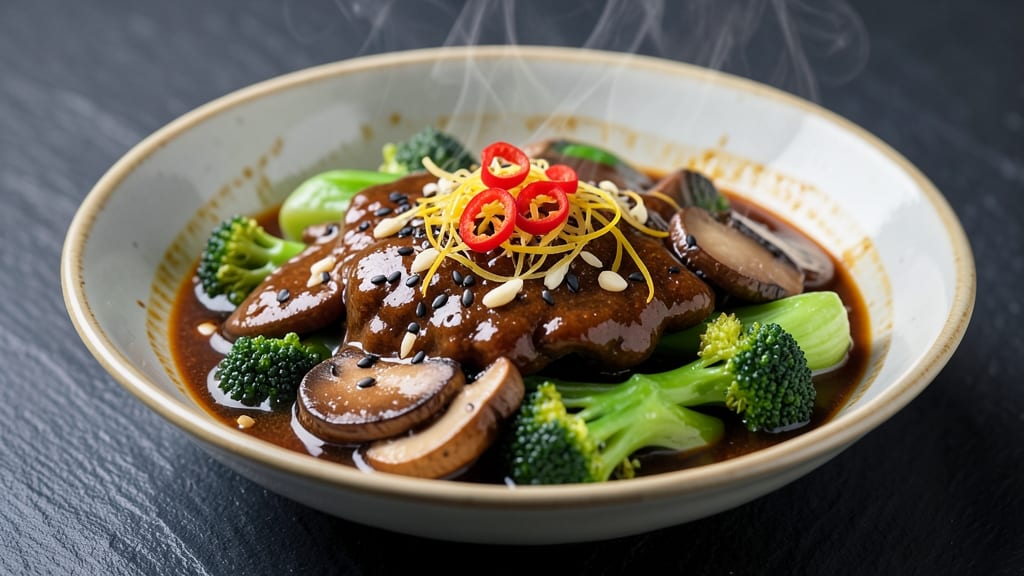
This Asian vegetable stir-fry sauce recipe transforms basic stir-fries into flavor-packed meals with just three core ingredients—soy sauce, garlic, and ginger—plus optional umami boosters like miso or fermented bean paste. The secret lies in balancing sweet, salty, and savory notes while keeping it versatile for any vegetable combination. I developed this sauce after years of testing stir-fry recipes, and it’s now my go-to for restaurant-quality results at home.
The beauty of this sauce is its simplicity and adaptability. No complicated techniques or hard-to-find ingredients are needed—just a few pantry staples and a quick simmer. The sauce is naturally vegan and vegetarian-friendly, making it perfect for plant-based meals or as a flavorful addition to tofu, tempeh, or grilled meats.
It’s also incredibly forgiving: adjust the thickness by adding water or cornstarch, and tweak the heat level with chili flakes or red pepper flakes.
What you’ll end up with is a glossy, aromatic sauce that clings beautifully to stir-fried vegetables, delivering deep umami, bright garlic, and a subtle gingery warmth.
The sauce keeps well in the fridge for up to a week, so you can make a big batch and use it throughout the week. Whether you’re cooking a quick weeknight dinner or prepping for meal prep, this sauce is your secret weapon for elevating any stir-fry.
Once you taste the difference, you’ll never go back to store-bought sauces. Let’s dive into the ingredients and instructions—it’s easier than you think!
Ingredients for asian vegetable stir fry sauce
Three core ingredients plus umami boosters transform stir-fries into restaurant-quality meals.
| Ingredient | Amount | Notes |
|---|---|---|
| Kosher Soy Sauce 🥢 | ½ cup | High-sodium preferred for depth |
| Garlic Cloves 🧄 | 6 cloves | Freshly minced, not pre-minced |
| Fresh Ginger 🌿 | ½ cup | Finely grated, peel included |
| White Miso Paste 🍶 | 2 tbsp | White or shiro miso preferred |
| Rice Vinegar 🍶 | 1 tbsp | Seasoned preferred for balance |
| Sesame Oil 🫒 | 1 tbsp | Toasted sesame oil only |
| Cornstarch 🌾 | 1 tsp | For thickening if needed |
| Red Chili Flakes 🌶️ | ½ tsp | Adjust to taste for heat |
| Honey 🍯 | 1 tbsp | Substitute maple syrup for vegan |
| Water 💧 | ¼ cup | For thinning as needed |
The soy sauce is the foundation—Kikkoman or La Choy are my go-tos, but any high-quality brand works. For extra depth, use double the amount of dark soy sauce if you're feeling fancy. Fresh ginger and garlic are non-negotiable here; pre-minced or jarred versions lack the punch. If you're buying whole ginger, grab a 2-inch knob—you'll use about half. The miso paste adds that signature umami kick, so don't skimp. Hessian or Marukome brands are my favorites, but any white miso from the Asian aisle works. For the sesame oil, look for the toasted kind—it's worth the extra few cents for that nutty aroma. If you're at Trader Joe's, their sesame oil is a steal.
No miso? 2 tbsp of soy sauce plus 1 tsp of sugar mimics the umami-sweet balance. Short on ginger? 1 tsp of ground ginger works in a pinch, but fresh is always better. The honey can be swapped for maple syrup if you're vegan, though it'll have a slightly different flavor profile. Want more heat? Double the chili flakes or add a dash of Sriracha. The cornstarch is optional—only use it if you prefer a thicker sauce. If you're making a big batch, double the water so you can thin it down later. The sauce should coat the back of a spoon but still be pourable—adjust with water or cornstarch slurry as needed.
This sauce keeps like a dream. Store in a sealed jar in the fridge for up to 1 week, or freeze for 3 months in ice cube trays for single-use portions. The flavor actually improves after a day or two as everything melds together. Double the batch—it disappears fast. If you're meal prepping, divide it into small containers so you can grab just what you need. The sauce reheats beautifully, but if it thickens too much, just add a splash of water. Trust me, you'll want to make this at least once a week—it's that good.
Why You'll Love This Recipe
- Here’s the real win: this sauce improves the next day. The flavors meld even better, and it’s perfect for batch cooking. I’ll make a big batch on Sunday, slap it on stir-fries all week, and still have enough to drizzle over eggs or soup when I’m lazy. (No waste, all flavor.)
- Pantry Magic: I swear by this sauce because it’s all about what’s already in my cupboard. No specialty trips—just kosher soy, a knob of ginger, and a spoonful of miso that transforms whatever veggies I’ve got into something restaurant-worthy. (Yes, even wilted broccoli.)
- Umami Bomb: That miso paste? It’s the secret weapon—deep, savory, and just salty enough to make your taste buds sing. The garlic and ginger hit like a warm hug, but the rice vinegar cuts through with this bright, tangy finish that keeps it from feeling heavy.
- Weeknight Superhero: Between us, this is my go-to when I’m staring at a fridge full of random veggies and a takeout menu. Toss it with noodles, rice, or even a quick scramble—it saves dinner when I’ve got exactly 20 minutes and zero patience for fancy techniques.
Step-by-step instructions for Asian vegetable stir fry sauce
This sauce delivers restaurant-quality depth with minimal effort—perfect for transforming simple vegetables into umami-rich dishes.
Prepare the Aromatic Base
In a small saucepan, combine the 0.5 cup kosher soy sauce, 0.5 cup finely grated fresh ginger, and 6 cloves freshly minced garlic cloves. Bring to a gentle simmer over medium heat and cook for 3-4 minutes until the garlic becomes fragrant and the ginger softens slightly. You'll notice the mixture darkens—this is where the deep, savory foundation forms.
Here's the thing—don't rush this step. The ginger and garlic need time to release their oils and mellow their sharpness. If you smell the garlic burning, reduce the heat immediately. The sauce should smell complex, with bright garlic notes and earthy ginger undertones. This aromatic base carries the entire dish.
Incorporate the Miso and Sweetener
Reduce heat to low and stir in the 2 tablespoons white miso paste and 1 tablespoon honey. The miso will dissolve almost instantly, creating a velvety texture. Let the mixture simmer for 2-3 minutes, stirring constantly, until it thickens slightly and coats the back of a spoon. You're looking for a balance between smooth and slightly textured—this ensures the sauce clings beautifully to vegetables.
This is where the umami magic happens. The miso adds that deep, fermented richness while the honey rounds out the acidity from the soy sauce. If you're using maple syrup instead of honey, add it now—just remember it has a stronger flavor, so you might want to reduce the amount slightly to avoid overpowering the dish.
Build Complexity with Acid and Oil
Add the 1 tablespoon rice vinegar and 1 tablespoon toasted sesame oil, stirring vigorously to combine. The vinegar brightens the sauce, cutting through the richness, while the sesame oil adds nutty depth. Taste the mixture now—this is your quality checkpoint. You should detect layers of saltiness, sweetness, acidity, and umami, with a subtle heat from the chili flakes you'll add next.
If the sauce seems too thick at this stage, it's okay—we'll adjust it in the next step. The key here is to let all the flavors meld before we worry about consistency. The sesame oil should be fully incorporated, with no visible streaks. This is the moment that matters: when all the components come together harmoniously.
Thicken and Season to Perfection
In a small bowl, whisk together the 1 teaspoon cornstarch with 2 tablespoons of the 0.25 cup water to create a smooth slurry. Slowly pour this mixture into the saucepan while stirring constantly over low heat. The sauce will begin to thicken immediately—keep stirring until it reaches your desired consistency, which should be thick enough to coat the back of a spoon but still flow smoothly.
Now stir in the 0.5 teaspoon red chili flakes and taste again. Adjust the seasoning if needed—you might want to add a touch more soy sauce for saltiness or a bit more honey for sweetness. The sauce should be balanced: salty, slightly sweet, with a touch of heat and tang. If it's too thick after cooling, you can always thin it with a splash more water later.
Finish and Use Immediately
Remove the sauce from heat and let it cool for 5-10 minutes. This resting period allows the flavors to fully develop and the sauce to reach its optimal consistency. The color should be a rich, glossy amber with visible specks of chili flakes. If you're not using it immediately, transfer to an airtight container and store in the refrigerator for up to 5 days—though I promise you'll use it all up quickly.
This sauce transforms simple stir-fried vegetables into a flavor explosion. Use it immediately over your favorite veggies, tofu, or noodles, or store it for future meals. The beauty of this recipe is its versatility—it works equally well as a dipping sauce, marinade, or finishing touch. Don't skip the resting time; patience here ensures the best possible flavor in every bite.
Pro Tips For Making Asian Vegetable Stir Fry Sauce
- Bloom the Ginger First: Toss the peeled ginger into the pan before the garlic—it needs 10 seconds to steam and soften, or you’ll end up with bitter, raw chunks. I learned this the hard way when my stir-fry sauce tasted like a medicine cabinet.
- Balance the Miso: White miso is salty, so start with just 1 teaspoon and taste as you go. Too much turns your sauce into a gluey brick; too little makes it taste like soy sauce with a side of regret. A splash of vinegar afterward helps cut the heaviness.
- Sear the Garlic: Don’t just minced garlic—sizzle it in oil for 20 seconds until it’s lightly golden. This builds depth that raw garlic can’t match. (Yes, even if you’re impatient like me, wait for the color.)
- Simmer, Don’t Boil: Let the sauce bubble gently for 2–3 minutes after adding vinegar. Boiling turns it thin and flat; a slow simmer lets the miso and soy meld without curdling. Sounds weird, but it works.
Creative variations of this dish
Sichuan Spicy Twist
For a fiery Sichuan-inspired version, add 1 tablespoon of doubanjiang (fermented broad bean paste) and ½ teaspoon of Sichuan peppercorns (lightly toasted and ground) to the aromatic base. The doubanjiang brings deep, smoky heat while the peppercorns add a numbing tingling sensation.
Adjust the red chili flakes to 1 teaspoon for extra heat, and finish with 1 teaspoon of black vinegar instead of rice vinegar for that signature tang. This version pairs perfectly with bell peppers, bok choy, and tofu. 🌶️
Thai-Inspired Balance
Transform this sauce into a Thai-inspired version by swapping the white miso for 1 tablespoon of fish sauce (or soy sauce for vegan) and adding 1 tablespoon of lime juice instead of rice vinegar.
Include 1 teaspoon of palm sugar (or brown sugar) and ½ teaspoon of ground white pepper for a fragrant, aromatic profile. Garnish with fresh cilantro and lime zest before serving. This sauce works beautifully with snap peas, Thai eggplant, and bamboo shoots.
Japanese Teriyaki Glaze
Create a Japanese teriyaki-style sauce by replacing the white miso with 1 tablespoon of mirin and 1 tablespoon of sake (or dry white wine). Reduce the soy sauce to ¼ cup and add 1 teaspoon of grated daikon radish for a subtle sweetness.
Simmer the sauce longer—5-7 minutes—until it reaches a glossy, syrupy consistency. This version is perfect for glazing grilled vegetables, tofu, or even as a dipping sauce for sushi rolls. 🍣
Korean Gochujang Kick
For a Korean-inspired variation, replace the white miso with 1 tablespoon of gochujang (Korean red pepper paste) and add 1 teaspoon of sesame seeds (toasted) for crunch. Include ½ teaspoon of minced green onions and 1 teaspoon of toasted sesame oil for extra depth.
This sauce is ideal for stir-frying napa cabbage, carrots, and mushrooms. The gochujang adds a sweet, spicy complexity that elevates the dish to new heights. 🌿
Vegan Umami Boost
For a deeper vegan umami profile, replace the honey with 1 tablespoon of coconut aminos and add 1 tablespoon of nutritional yeast to the sauce. Include 1 teaspoon of smoked paprika for a subtle smokiness and ½ teaspoon of liquid smoke for an extra layer of depth.
This version is perfect for vegan stir-fries with zucchini, bell peppers, and edamame. The nutritional yeast adds a cheesy, savory note that’s hard to resist. 💚
Sweet and Tangy Fusion
Add a sweet and tangy twist by incorporating 1 tablespoon of hoisin sauce and 1 teaspoon of rice wine into the sauce. Include ½ teaspoon of grated apple (for natural sweetness) and 1 teaspoon of toasted peanuts for texture.
This fusion sauce is fantastic for stir-frying water chestnuts, cabbage, and snap peas. The hoisin sauce adds a sticky, slightly sweet element that balances the tangy rice vinegar beautifully. 🥜
Nutrition facts
Frequently asked questions
Can I make this sauce without miso paste?
Yes! For a miso-free version, replace the 2 tablespoons white miso with 2 tablespoons soy sauce plus 1 teaspoon sugar to mimic the umami-sweet balance. The sauce will still be delicious, though slightly less complex. For extra depth, add 1 teaspoon of oyster sauce (or vegan oyster sauce) or 1 tablespoon of hoisin sauce instead.
How do I adjust the thickness of the sauce?
If the sauce is too thick after cooling, thin it with 1 teaspoon water at a time until it reaches a pourable consistency. For extra thickness, mix ½ teaspoon cornstarch with 1 teaspoon water and stir in while heating. The ideal texture should coat the back of a spoon but still flow smoothly over vegetables. Pro tip: Let the sauce rest for 10 minutes before adjusting—it thickens as it cools.
Can I use this sauce for non-vegetarian dishes?
This sauce works beautifully with proteins like chicken, shrimp, or beef. For meat dishes, consider adding 1 teaspoon of fish sauce (or extra soy sauce for vegan) and ½ teaspoon of five-spice powder to complement the richness. The sauce's umami depth enhances grilled or stir-fried meats while keeping the dish balanced. Just reduce the cooking time slightly for delicate proteins like shrimp.
What vegetables pair best with this sauce?
The sauce shines with bell peppers, bok choy, snap peas, broccoli, carrots, and mushrooms—vegetables that hold up well to quick cooking. For extra texture, add water chestnuts, bamboo shoots, or edamame. Avoid overly watery veggies like zucchini or lettuce unless you're serving them raw on the side. The sauce's glossy texture clings best to firm, slightly charred vegetables.
Can I freeze this sauce for later use?
Yes, but freeze it in 1-tablespoon portions using ice cube trays for easy single-use servings. Once frozen, transfer the cubes to a freezer bag. Thaw overnight in the fridge before using—never microwave directly. The sauce keeps its quality for up to 3 months frozen. For best results, reheat gently on low heat, adding a splash of water if needed to restore consistency.