
Sauces & Condiments
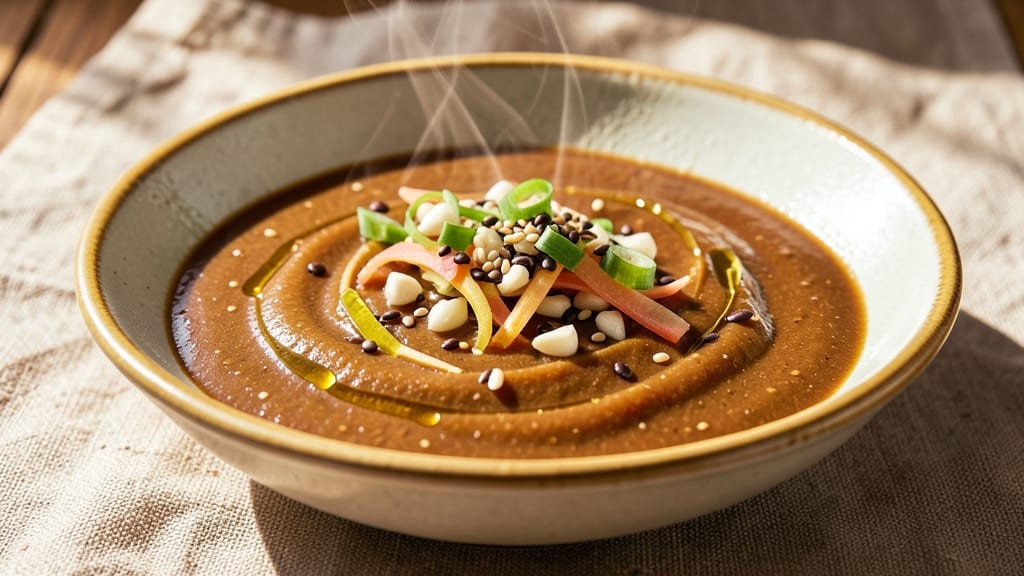
This Asian sesame sauce recipe transforms simple stir-fries into restaurant-quality meals with just a few nutty, umami-rich drizzles. The perfect balance of toasted sesame paste, tangy vinegar, and savory soy sauce creates a sauce that clings beautifully to noodles, tofu, and grilled vegetables.
I developed this version after searching for a sauce that delivers maximum flavor with minimal effort—no complicated techniques required, just a few pantry staples and 10 minutes of prep time.
The secret lies in the sesame paste, which provides that signature nutty depth, while garlic and ginger add aromatic warmth. A touch of sugar rounds out the flavors, ensuring the sauce isn't too sharp or overpowering.
What makes this sauce truly special is its versatility—it elevates everything from quick weeknight stir-fries to elegant dinner plates, all while keeping prep simple and efficient.
Once you taste this sauce, you'll understand why it's become a staple in my kitchen. The rich, velvety texture coats every bite, delivering a perfect harmony of sweet, salty, and nutty flavors.
It stores beautifully in the refrigerator for up to a week, making it an ideal make-ahead sauce for busy nights or meal prep. Whether you're drizzling it over ramen, tossing it with fresh spring rolls, or using it as a marinade, this sauce is a game-changer for any dish.
Ready to elevate your cooking? This sauce is foolproof, restaurant-quality, and ready in just minutes. Let's get started—your taste buds will thank you.
Ingredients for asian sesame sauce
Eight simple ingredients transform stir-fries into restaurant-quality meals with nutty, umami-packed flavor.
| Ingredient | Amount | Notes |
|---|---|---|
| Toasted Sesame Paste 🥜 | ½ cup | Store-bought or homemade, nutty flavor |
| Rice Vinegar 🍶 | ¼ cup | White or seasoned, mild tang |
| Soy Sauce 🍜 | ¼ cup | Light or dark, for umami depth |
| Sesame Oil 🫒 | 2 tbsp | Toasted, not flavored, for aroma |
| Garlic Cloves 🧄 | 3 cloves | Freshly minced, aromatic base |
| Fresh Ginger 🌿 | 1 tbsp | Grated, zesty kick |
| Granulated Sugar 🍬 | 1 tbsp | Balances acidity, white preferred |
| Water 💧 | ¼ cup | For thinning consistency |
| Salt 🧂 | ½ tsp | Kosher or sea salt |
The sesame paste is non-negotiable—Kikkoman or La Choy are reliable brands, but any toasted variety works. I always grab the white sesame paste at Asian markets for that authentic nutty depth. Fresh garlic and ginger? Trader Joe's sells pre-peeled garlic cloves in a jar, which saves time. If you're feeling fancy, toast the sesame paste in a dry pan for 30 seconds to deepen its flavor. The rice vinegar should smell bright and clean—if it's dull, it's past its prime.
No sesame paste? Toasted sesame seeds blended with neutral oil works in a pinch (2 tbsp seeds + 1 tbsp oil = 2 tbsp paste). Short on soy sauce? Tamari or coconut aminos add umami without the salt overload. The sugar can be swapped for honey or maple syrup, but white sugar dissolves fastest. Sesame oil is what gives this sauce its signature aroma—don't skip it, but add it last to preserve the fragrance. For a smoother sauce, blend everything until silky, but leave it slightly chunky for texture.
This sauce keeps for 1 week in the fridge, sealed tightly. The flavor actually improves after a day as everything melds. I portion mine into small glass jars so it's ready to drizzle over anything—stir-fries, noodles, or even grilled chicken. Freezes beautifully for 3 months if you want to make a big batch. Pro tip: Add a splash of water if it thickens when refrigerated, but never thin it too much—this sauce should coat a spoon but not be watery.
Why You'll Love This Recipe
- Five-Ingredient Magic: I swear, this sauce comes together faster than I can say "garlic mincer." Just stir those five pantry staples—sesame paste, rice vinegar, soy sauce, sesame oil—and boom. No measuring cups, no stress, just pure flavor in under 10 minutes.
- Nutty-Garlicky Bliss: That toasted sesame paste? It’s like a warm hug for your taste buds. The garlic cloves sizzle just enough to wake up the soy sauce, while the sesame oil adds this rich, toasty finish that makes every bite feel like a little celebration.
- Dip, Drizzle, Dominate: Slather it on grilled chicken, toss it with noodles, or use it as a dip for veggies—this sauce is the ultimate flavor multiplier. Honestly, I’ve even drizzled it over cold rice when I’m too tired to cook, and it still saves the day.
Step-by-step instructions for Asian sesame sauce
This sauce comes together in minutes with simple ingredients and big flavor.
Combine Wet Ingredients
In a medium saucepan, add the 0.5 cup toasted sesame paste, 0.25 cup rice vinegar, and 0.25 cup soy sauce. Stir over medium-low heat for 2-3 minutes until the paste dissolves completely and the mixture becomes smooth. You'll notice the sauce thickens slightly as the sesame paste blends with the liquids.
If you see any lumps, use a silicone spatula to gently press them against the side of the pan until fully incorporated. This step ensures your sauce has a velvety texture without any graininess. Keep the heat low to prevent the sesame paste from burning—it has a low smoke point and can turn bitter quickly.
Add Aromatics and Sweetener
Reduce the heat to low and add the 3 minced garlic cloves, 1 tablespoon grated fresh ginger, and 1 tablespoon granulated sugar. Stir constantly for 1-2 minutes until the garlic becomes fragrant and the ginger releases its zesty aroma. You'll smell that perfect balance of savory, spicy, and sweet notes developing.
Here's the thing—don't walk away during this step. Garlic and ginger burn faster than you'd expect, and once they darken, they lose their delicate flavor. The sugar helps balance the acidity of the rice vinegar while adding just enough sweetness to complement the umami depth from the soy sauce and sesame paste.
Thin with Water and Season
Pour in the 0.25 cup water and add the 0.5 teaspoon salt. Stir well to combine, then increase the heat to medium and let the sauce simmer for 3-4 minutes. You want it to thicken slightly but remain pourable—it should coat the back of a spoon without being gluey.
Taste and adjust the seasoning if needed. If it's too tangy, add a pinch more sugar. If it needs more umami, stir in another teaspoon of soy sauce. The sauce should be balanced—sweet, salty, tangy, and nutty all at once. If it thickens too much, add a splash more water to reach your desired consistency.
Finish with Sesame Oil
Remove the sauce from heat and let it cool slightly for 2-3 minutes. Then stir in the 2 tablespoons sesame oil. This final step adds that signature aromatic punch that makes this sauce truly Asian-inspired. The oil should be swirled in gently to distribute its flavor without breaking the sauce's texture.
Let the sauce sit for 5 minutes before using—this allows all the flavors to meld together. The sauce will thicken slightly as it cools, so if you're using it immediately, you might want to thin it with a splash of water or rice vinegar to reach your preferred consistency. This sauce keeps well in the refrigerator for up to 1 week, making it perfect for meal prep.
Pro Tips For Making Asian Sesame Sauce
- Whisk in stages: Start with the sesame paste and rice vinegar—this keeps the paste from clumping like a stubborn glue. Then add soy sauce and garlic, whisking hard to break down the paste before drizzling in sesame oil last. (Yes, even if it looks weirdly thick at first.)
- Toast that garlic: Mince the garlic after toasting it whole in a dry pan for 30 seconds until fragrant. The color deepens to golden and the flavor becomes nutty—no more raw garlic bite ruining the sauce. (I learned this the hard way with a batch that tasted like a hospital cafeteria.)
- Thin with vinegar first: Skip water—rice vinegar thins the sauce more smoothly and adds brightness. Add it gradually while whisking, or you’ll end up with a gloppy mess. (Your future self will thank you for not guessing.)
- Balance the oil: Sesame oil is potent—use just ½ teaspoon to finish, not the whole bottle. Taste as you go, or the sauce will taste like it’s swimming in perfume. (I’ve done it; it’s not pretty.)
Essential equipment for this dish
Small Saucepan
I always use a small 1-2 quart saucepan with sloped sides for this recipe—it gives me better control over the heat and prevents spills when stirring. A stainless steel pan is ideal because it heats evenly and won’t react with the acidic vinegar.
If you only have a nonstick pan, use it on low heat to avoid scratching the coating with your spatula. 🔥
Silicone Spatula
A heat-resistant silicone spatula is a game-changer for blending the sesame paste smoothly. I grab my OXO Good Grips one because it’s flexible enough to scrape every last bit of paste from the pan without damaging the surface.
Avoid metal utensils—they can scratch nonstick pans or even leave tiny metal particles in your sauce.
Fine-Mesh Strainer
If you prefer your sauce completely smooth, strain it through a fine-mesh sieve after blending. I keep a stainless steel mesh strainer from Amazon Basics in my kitchen for this exact purpose.
It catches any tiny sesame seeds or garlic bits while letting the sauce flow through effortlessly. Skip this step if you like a slightly textured sauce—it’s totally optional!
Immersion Blender
For an ultra-smooth sauce with no lumps, an immersion blender works wonders. I use my Ninja QS700 to blend everything directly in the pan after simmering. This eliminates the need for a separate bowl or strainer.
Just submerge the blender, pulse for 10-15 seconds, and you’re done. The only downside? It’s not dishwasher-safe, so hand-washing is a must. 💫
Measuring Spoons
Precision matters when balancing flavors, so invest in a set of stainless steel measuring spoons—I swear by the OXO Stainless Steel ones. They’re durable, easy to read, and won’t rust like plastic or aluminum.
For the sesame oil, I use a 1-tablespoon measure to ensure I add exactly 2 tablespoons—too much can overpower the sauce, while too little leaves it lacking that nutty aroma.
Glass Storage Jars
Once your sauce is ready, transfer it to small glass jars with airtight lids for easy storage and portioning. I love the Le Parfait 4-ounce jars—they’re perfect for single servings and stack neatly in the fridge.
Glass preserves the sauce’s flavor better than plastic and lets you see the color at a glance. Label them with the date so you can track freshness for up to 1 week in the fridge or 3 months in the freezer. ✨
Nutrition facts
Frequently asked questions
Can I make this sesame sauce without sesame paste?
Yes, but the flavor will be different. For a substitute, blend 2 tablespoons toasted sesame seeds with 1 tablespoon neutral oil until smooth—this mimics the nutty base. The texture will be slightly grainier, but it still works well for drizzling. For extra richness, add 1 teaspoon tahini to the recipe. Just remember, sesame paste is what gives this sauce its signature depth!
How can I adjust this sauce for spicy dishes?
For heat lovers, stir in 1 teaspoon gochujang (Korean chili paste) or ½ teaspoon red pepper flakes at the end. If you prefer a sweeter heat, add ½ teaspoon sriracha along with the sesame oil. Always taste first—you can adjust more easily than remove excess spice! For a smoother heat, blend the sauce longer after adding the chili elements.
Why did my sauce turn out too thick?
This usually happens when the sauce cools after simmering. To fix it, stir in 1-2 teaspoons warm water or rice vinegar until it reaches a pourable consistency. For future batches, simmer for 1-2 minutes less or add the full ¼ cup water at the beginning. The sauce should coat the back of a spoon but still flow freely—think of it like honey, not molasses.
What are the best ways to use this sesame sauce?
This versatile sauce shines in three key ways:
- Drizzle over steamed rice, ramen, or stir-fried veggies,
- Marinade for tofu, chicken, or shrimp (30 minutes before cooking), and
- Dip for spring rolls or fresh spring vegetables. For extra flavor, toss cooked noodles with 1 tablespoon sauce + 1 teaspoon sesame seeds right before serving. The possibilities are endless!