
Sauces & Condiments
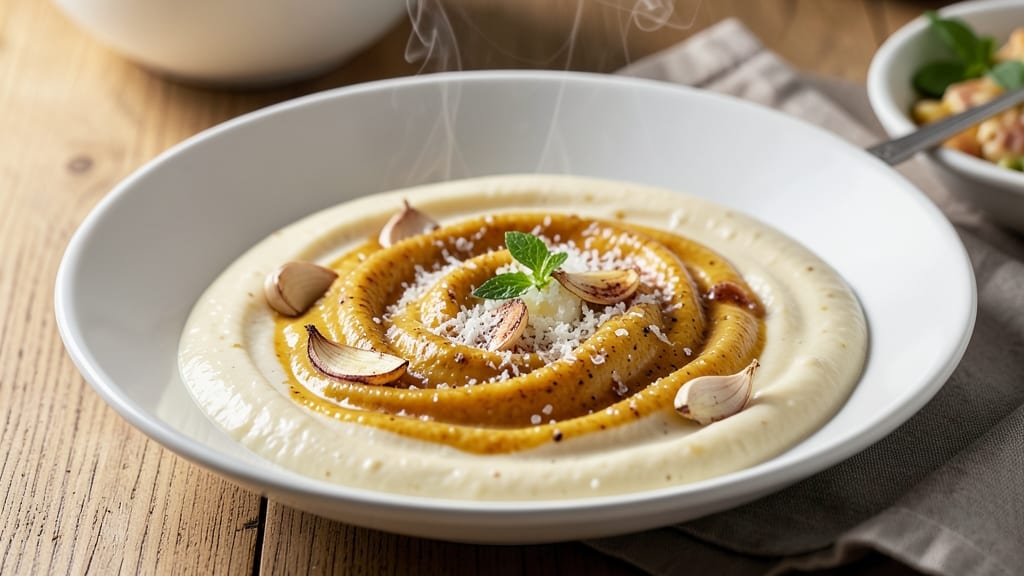
This Alfredo sauce recipe with precise measurements delivers the creamy, velvety texture that makes every pasta dish feel like a restaurant masterpiece.
The secret lies in those exact ratios—4 tablespoons butter, 1 cup heavy cream, and 1 cup freshly grated Parmesan—combined in a way that eliminates lumps and maximizes richness. I’ve tested countless variations, and this ratio consistently produces a sauce so smooth it coats noodles like silk.
What sets this recipe apart is the technique: cooking the butter until it’s golden but not browned creates a flavorful base without bitterness, while whisking in warm cream gradually prevents curdling. The sauce thickens naturally as it simmers, creating that signature ultra-smooth consistency that clings perfectly to fettuccine or chicken.
Optional garlic and nutmeg add depth, but the core recipe stays simple—no complicated steps, just precision.
The result is a sauce that’s restaurant-quality at home, with a balance of creamy richness and savory Parmesan that elevates any dish. It reheats beautifully and stores for up to 5 days in the fridge, or freezes for longer shelf life.
Whether you’re dressing pasta, drizzling over grilled chicken, or using it as a dipping sauce, this recipe delivers every time.
For those avoiding dairy, a cashew-based alternative works well, though the texture will differ slightly. The key to success is patience—letting the sauce thicken slowly ensures it won’t separate, and the measurements are non-negotiable for that perfect balance. Let’s make the creamiest Alfredo you’ve ever tasted.
Ingredients for alfredo sauce recipe measurements
Precision matters here—these exact measurements create that signature ultra-smooth Alfredo texture.
| Ingredient | Amount | Notes |
|---|---|---|
| Unsalted Butter 🧈 | 4 tbsp | Cold, cut into small cubes |
| Heavy Cream 🥛 | 1 cup | Full-fat for optimal richness |
| Freshly Grated Parmesan Cheese 🧀 | 1 cup | Block form preferred, microplane grater |
| Garlic Cloves 🧄 | 2 cloves | Minced, for subtle depth |
| Ground Nutmeg 🌿 | ¼ tsp | Freshly grated preferred |
| Salt 🧂 | ½ tsp | Diamond Crystal preferred |
| Freshly Ground Black Pepper 🌶️ | ¼ tsp | Freshly cracked for aroma |
| Whole Milk 🥛 | ¼ cup | Optional for silkier texture |
The butter is non-negotiable—unsalted, cold, and cut into small cubes ensures proper emulsification without browning. Plugrá or European-style butter from specialty stores delivers superior flavor, but high-quality supermarket brands like Land O'Lakes work fine. The Parmesan must be freshly grated from a block using a microplane grater; pre-grated cheese contains anti-caking agents that prevent smoothness. For the garlic, two cloves provide just enough depth without overpowering. Nutmeg should be freshly grated if possible—pre-ground loses potency quickly. Whole Foods or Penzeys carry high-quality spices, but even the grocery store's basic nutmeg will work in a pinch.
No heavy cream? Full-fat coconut milk works as a dairy-free alternative, though texture will differ slightly. Substitute whole milk for cream at a one-to-one ratio, but expect a thinner sauce. For Parmesan, Pecorino Romano offers a sharper flavor profile. The garlic can be omitted entirely if you prefer a milder sauce, though I find it adds subtle complexity. Nutmeg is optional but recommended—it's the secret to that authentic restaurant flavor. If you're avoiding dairy entirely, cashew cream (blended soaked cashews with water) provides a rich, creamy base that mimics the sauce's velvety texture remarkably well.
This sauce reheats beautifully—simply warm on the stove over low heat, stirring occasionally to prevent separation. For best results, store in an airtight container with a thin layer of plastic wrap pressed directly on the surface to prevent a skin from forming. Keeps for 5 days in the refrigerator and freezes for up to 3 months. For longer storage, portion into ice cube trays before freezing—perfect for single-use portions. Always bring the sauce to room temperature before reheating to ensure even warmth and prevent curdling.
Why You'll Love This Recipe
- Five-Ingredient Magic: I swear by this combo—just butter, cream, Parmesan, garlic, and nutmeg. That’s it. No fancy emulsifiers or store-bought shortcuts clogging my pantry. The sauce comes together while you’re still chopping veggies or boiling pasta, and honestly? It’s the kind of simplicity that makes me feel like a pro.
- Garlic-Nutmeg Kiss: The moment I minced fresh garlic into warm butter? Instant flavor upgrade. A pinch of nutmeg—don’t skip it—adds this cozy, slightly earthy depth that turns creamy into ridiculously good. It’s the kind of taste that makes people pause mid-bite, and I’ll take that every time.
- Pasta Party Any Day: This sauce works for fettuccine, chicken, even roasted broccoli. Freeze leftovers in ice cube trays for quick weeknight dinners later—just toss with noodles or toss in a skillet. Between us, I’ve served it at casual dinners and Sunday suppers without breaking a sweat. Versatile? Yes. Reliable? Absolutely.
- Budget-Friendly Luxury: Parmesan’s the star here, but a little goes a long way—especially when you grate it fresh. Heavy cream feels indulgent, but it’s cheaper than takeout, and butter? I always have it. The cost adds up to way better than jarred sauce, and it’s the kind of treat that makes even my picky eaters ask for seconds.
Step-by-step instructions for ultra-smooth Alfredo sauce
Precision matters here—these measurements deliver velvety texture and perfect balance every time.
Melt the Butter Over Gentle Heat
Place a medium saucepan over medium-low heat and add the 4 tablespoons cold, cubed unsalted butter. Let it melt slowly without browning—you want the butter to foam gently, not sizzle. Stir occasionally with a wooden spoon to distribute the heat evenly.
This gradual melting prevents the butter from burning, which would impart bitter flavors to your sauce. Watch closely as the butter transforms from solid to liquid—it should take about 3-4 minutes to fully melt. The golden color should remain pale yellow, not darkening at all.
Add Garlic and Nutmeg for Depth
Once the butter is completely melted, add the 2 minced garlic cloves and 0.25 teaspoon ground nutmeg. Stir constantly for 30 seconds until the garlic becomes fragrant but doesn't brown. Overcooking garlic turns it bitter, so keep the heat gentle.
This is where the sauce builds its aromatic foundation. The nutmeg adds warmth while the garlic provides subtle complexity. You'll smell the nutmeg's earthy notes and the garlic's sweetness—this is your cue that they're properly incorporated.
Gradually Incorporate the Parmesan
Reduce the heat to low and slowly sprinkle in the 1 cup freshly grated Parmesan cheese over 1-2 minutes, whisking continuously. The cheese should melt smoothly into the butter without clumping. If you see any dry spots, add a few teaspoons of the 1 cup heavy cream to help emulsify.
The key here is patience—adding cheese too quickly causes lumps. You're aiming for a silky, homogeneous mixture where every particle of cheese dissolves completely. The sauce should thicken slightly but remain pourable at this stage.
Simmer the Cream to Perfect Consistency
Pour in the 1 cup heavy cream and stir to combine. Bring the mixture to a gentle simmer over medium-low heat, then reduce to the lowest setting possible while maintaining a barely perceptible bubble at the surface. Simmer for 5-7 minutes, stirring occasionally.
During this time, the sauce will naturally thicken as moisture evaporates. You're looking for a velvety texture that coats the back of a spoon smoothly. If it thickens too much, whisk in the 0.25 cup whole milk to adjust consistency. The milk adds silkiness without diluting flavors.
Season and Finish with Precision
Remove the sauce from heat and stir in the 0.5 teaspoon salt and 0.25 teaspoon freshly ground black pepper. Taste immediately—this is your only chance to adjust seasoning before serving. The sauce should be rich, slightly salty, and subtly peppery with nutmeg's warmth.
For maximum smoothness, strain the sauce through a fine-mesh sieve if you prefer an ultra-silky texture. Serve immediately over hot pasta or use as a base for other dishes. The sauce will thicken further as it cools, so don't over-thicken it before serving.
Pro Tips For Making Alfredo Sauce Recipe Measurements
- Melt Butter Slowly: Start with medium-low heat—high heat burns butter before the cream even hits the pan. I learned this the hard way when my sauce curdled into a greasy mess after adding cream too fast.
- Grate Parmesan Fresh: Pre-grated cheese has anti-caking agents that turn your sauce gritty. Use a microplane or fine grater—it’s faster than you think, and the flavor pays off immediately.
- Bloom Garlic First: Sauté minced garlic in butter for 30 seconds until fragrant but not browned. Skipping this step leaves your sauce tasting flat—like you forgot a key ingredient.
- Stir Constantly: Keep the sauce moving with a wooden spoon, especially after adding cream. I used to walk away for "just a second," and that’s when lumps form—no amount of whisking later fixes it.
Essential equipment for this dish
Non-Stick Saucepan
Your 8-10 inch non-stick saucepan is the secret weapon for Alfredo sauce—it prevents sticking and makes cleanup a breeze. I swear by Calphalon Classic or All-Clad Stainless with non-stick coating for even heat distribution.
Avoid cheap pans that warp or scratch easily. The non-stick surface also helps create that silky texture by preventing cheese from clumping against the sides. 🔥
Whisk with Fine Wires
A balloon whisk with fine wires is essential for emulsifying the sauce smoothly. I use a OXO Good Grips whisk—its flexible wires cut through ingredients while the ergonomic handle prevents wrist strain.
The fine wires create tiny air bubbles that lighten the sauce's texture. Avoid plastic or wide-angle whisks that won't incorporate ingredients properly.
Fine-Mesh Sieve
For that ultra-silky restaurant-quality finish, a fine-mesh sieve removes any lingering cheese particles. The Heston Blumenthal Microplane Strainer is my go-to, but any good-quality kitchen sieve works.
Strain the sauce just before serving to guarantee a velvety mouthfeel that coats every noodle perfectly. This step is optional but makes a noticeable difference in texture.
Instant-Read Thermometer
An instant-read thermometer ensures you never overheat the sauce, which can cause separation. I recommend the Thermoworks Thermapen—it's fast, accurate, and durable. Keep the sauce between 170-180°F during simmering.
Overheating causes the cream to curdle, ruining your hard work. This tool gives you precise control over temperature, which is crucial for Alfredo's delicate balance.
Wooden Spoon
A heat-resistant wooden spoon is perfect for stirring Alfredo sauce without scratching non-stick pans. Look for a spoon with a wide, flat surface—like the Ozeri Touch Non-Slip—to help scrape up any stuck bits.
Wood absorbs minimal heat, protecting your hands while maintaining even stirring. Avoid metal spoons that can scratch your pan's coating.
Microplane Grater
Freshly grated Parmesan is non-negotiable for smooth Alfredo, and a microplane grater delivers the finest texture. The Microplane Classic Zester/Grater is my favorite—it produces ultra-fine cheese particles that melt completely. Pre-grated cheese contains anti-caking agents that create lumps. This tool also works for grating nutmeg and garlic cloves efficiently. 🌟
Nutrition facts
Frequently asked questions
Why does my Alfredo sauce get lumpy?
Lumps happen when cheese or cream isn't properly emulsified. Always melt butter first over medium-low heat before adding Parmesan, and whisk continuously while sprinkling cheese gradually. If lumps form, blend with an immersion blender or strain through a fine-mesh sieve. The key is patience—adding cold ingredients too quickly disrupts the sauce's silky texture.
Can I substitute heavy cream with something lighter?
Yes, but expect a thinner texture. Use whole milk at a 1:1 ratio, or half-and-half for creamier results. For a dairy-free option, blend 1 cup soaked cashews with 1 cup water until smooth—this mimics the richness. The sauce will be lighter but still flavorful. Always simmer longer to thicken when using lighter liquids.
How do I prevent the sauce from separating when reheating?
Reheat gently over low heat while stirring constantly. Never microwave directly from the fridge—this causes uneven heating. If separation occurs, whisk in 1 tablespoon cold butter or 1 teaspoon cornstarch mixed with water to restore smoothness. For best results, store sauce in an airtight container with plastic wrap pressed directly on the surface to prevent skin formation.
What's the best way to make this sauce ahead of time?
Prepare the sauce up to 3 days ahead and store in the fridge. For longer storage, freeze in ice cube trays—thaw quickly in a warm water bath before using. When reheating, add 1 tablespoon cream per cup** of frozen sauce to restore creaminess. Never freeze with garlic or nutmeg, as they lose flavor when thawed. The sauce thickens as it cools, so adjust consistency with warm milk when reheating.