
Sauces & Condiments
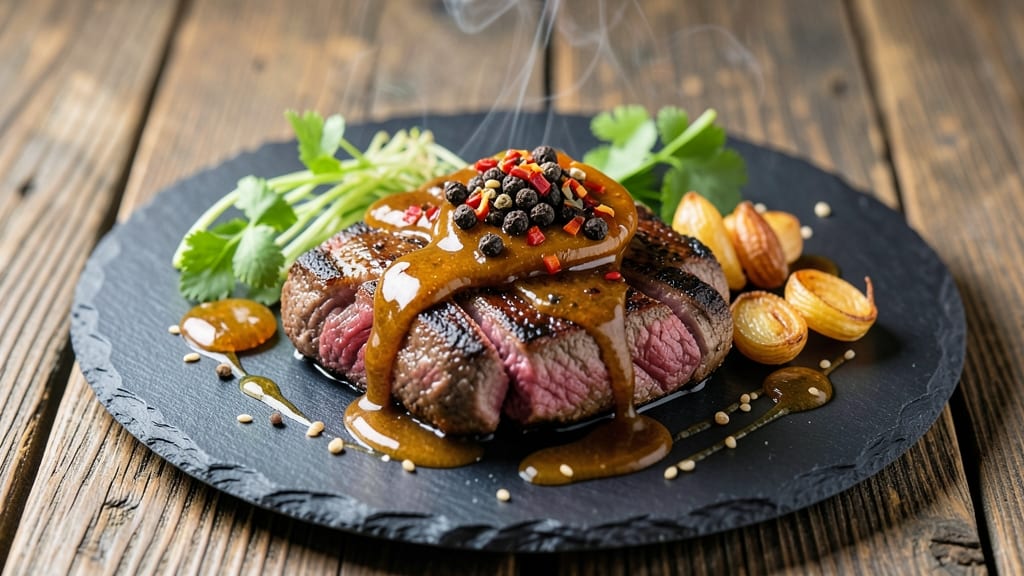
This Asian pepper steak sauce recipe transforms ordinary stir-fries into bold, restaurant-quality meals with just a few simple ingredients. The secret lies in balancing sweet, spicy, and umami flavors—caramelized garlic, chili heat, and deep soy notes create a glaze that clings perfectly to steak or vegetables.
I developed this sauce after years of experimenting with stir-fry sauces, and it’s now my go-to for adding depth and complexity to any dish.
The beauty of this sauce is its versatility—use it as a marinade to tenderize steak before cooking, a dipping sauce for extra flavor, or a finishing glaze to elevate stir-fries and grilled meats.
The process is straightforward: simmering the ingredients until thickened and reduced creates a glossy, sticky sauce that’s impossible to resist. No fancy techniques are required, just patience and attention to balance.
What you’ll end up with is a rich, aromatic sauce that’s sweet enough to satisfy cravings, spicy enough to wake up your taste buds, and savory enough to make every bite unforgettable.
The black pepper adds a subtle warmth that deepens as it cools, while the chili brings just the right amount of heat. This sauce keeps well in the fridge for up to two weeks, making it perfect for meal prep and repeat use.
Whether you’re cooking for a weeknight dinner or a special occasion, this sauce will elevate your dishes effortlessly. Let’s get started—your taste buds will thank you.
Ingredients for asian pepper steak sauce
Sweet, spicy, and umami-packed—this sauce transforms simple stir-fries into restaurant-worthy meals.
| Ingredient | Amount | Notes |
|---|---|---|
| Black Peppercorns 🌶️ | 2 tbsp | Crushed or ground fresh |
| Red Chili Flakes 🌶️ | 1 tbsp | Adjust for preferred heat |
| Fresh Garlic Cloves 🧄 | 6 cloves | Minced for deep flavor |
| Soy Sauce 🍶 | ½ cup | Light or dark variety |
| Honey 🍯 | ¼ cup | For sweet balance |
| Rice Vinegar 🍶 | ¼ cup | White or seasoned |
| Sesame Oil 🫒 | 1 tbsp | Toasted for aroma |
| Ginger Root 🌿 | 1 tbsp | Freshly grated |
| Garlic Powder 🧄 | ½ tsp | For extra umami |
| Cornstarch 🌾 | 1 tbsp | For thickening |
The black pepper is non-negotiable here—freshly cracked gives the best depth. Grab Tellicherry peppercorns from the bulk section at Whole Foods or Trader Joe's if you want premium flavor. The red chili flakes should be bright red, not faded or dusty. For garlic, elephant garlic adds a milder sweetness, but regular garlic works too. Soy sauce matters—Kikkoman or Lee Kum Kee are reliable, but any good-quality brand will do. If you're using dark soy sauce, reduce it by half since it's thicker.
No sesame oil? Toasted peanut oil works in a pinch, though it'll have a different flavor profile. Short on honey? Maple syrup or agave are great swaps—just reduce the rice vinegar by a teaspoon to balance. The cornstarch is key for that perfect glaze—don't skip it! For extra umami, add a splash of fish sauce (if not vegetarian) or an extra teaspoon of soy sauce. The sauce gets better as it reduces, so don't rush the simmering. If you're in a hurry, whisk in an extra teaspoon of cornstarch slurry at the end.
This sauce thickens as it cools, so don't over-thicken it while hot. Store in a glass jar in the fridge for up to 2 weeks. Freeze portions in ice cube trays for easy single-use servings. The flavors meld beautifully overnight, so if you can make it a day ahead, do it—trust me, it's worth the wait. Reheat gently in a small saucepan over low heat, stirring occasionally to prevent burning. If it thickens too much, add a splash of water or vinegar to loosen it up.
Why You'll Love This Recipe
- Five-Ingredient Magic: I swear, this sauce comes together with stuff you already have—no fancy shopping trips. Toss in whole peppercorns, a splash of soy, and that honey for the perfect balance. Honestly, it’s the kind of recipe that makes me feel like a chef without the stress.
- Sweet Heat Balance: The honey and chili flakes team up for a flavor that’s ridiculously good—smoky, slightly spicy, but never overpowering. That first bite? It’s the kind of taste that makes you reach for more without even thinking.
- Weeknight Workhorse: Drizzle it over stir-fried steak, toss it with noodles, or even slather it on grilled chicken. Between us, I’ve used it for everything from quick lunches to impressing my in-laws. It’s that adaptable.
- Leftovers That Don’t Suck: This sauce actually improves after sitting overnight—deeper, richer, and still packed with punch. Store it in the fridge, and suddenly you’ve got a free upgrade for next week’s meals. My secret weapon for lazy nights.
Step-by-step instructions for sweet-spicy Asian pepper steak sauce
This sauce comes together in minutes with bold flavors that balance heat, sweetness, and umami perfectly.
Toast the Spices for Maximum Flavor
Heat a dry skillet over medium heat and add the 2 tbsp black peppercorns and 1 tbsp red chili flakes. Toast for 1-2 minutes until the peppercorns darken slightly and you can smell their aromatic oils releasing. This step deepens their flavor—don't skip it!
Transfer the toasted spices to a small bowl and let cool for 2 minutes. While they cool, use a mortar and pestle or spice grinder to crush the peppercorns into coarse pieces. This ensures they'll blend smoothly into the sauce without making it gritty. Keep the chili flakes whole for a subtle heat that distributes evenly.
Build the Flavor Base with Aromatics
In a saucepan, combine the 6 cloves minced fresh garlic cloves, 1 tbsp freshly grated ginger root, and 0.5 tsp garlic powder. Add 1 tbsp sesame oil and cook over medium-low heat for 2-3 minutes until the garlic becomes golden and fragrant. Be careful not to let it burn—just until the raw aroma gives way to sweet, nutty notes.
Pour in the 0.5 cup soy sauce and 0.25 cup rice vinegar, stirring to deglaze the pan and scrape up any browned bits. These bits carry concentrated flavor that makes the sauce sing. Let the mixture simmer gently for 3 minutes until the aromatics soften and the liquid reduces slightly.
Sweeten and Thicken the Sauce
Add the 0.25 cup honey and the toasted spices (peppercorns and chili flakes) to the saucepan. Stir well to combine, then bring to a gentle boil over medium heat. Let it bubble for 3-4 minutes until the sauce thickens slightly and coats the back of a spoon.
In a small bowl, whisk together the 1 tbsp cornstarch with 2 tablespoons water to create a smooth slurry. Slowly pour this into the simmering sauce while stirring constantly. The sauce will thicken dramatically—keep stirring for 1-2 minutes until it reaches a glossy, syrupy consistency that clings beautifully to steak.
Finish and Test for Balance
Remove the sauce from heat and let it cool for 5 minutes. Taste and adjust the balance: if it needs more heat, add a pinch more chili flakes; if it needs more depth, stir in a splash of soy sauce. The sauce should sing with sweetness, heat, and umami—each bite should feel complex yet harmonious.
For best results, use the sauce immediately on stir-fried steak or grilled meats. If storing, keep it refrigerated for up to 1 week in an airtight container. When reheating, warm gently over low heat and stir occasionally to maintain its perfect texture.
Pro Tips For Making Asian Pepper Steak Sauce
- CRUSH PEPPERCORNS FIRST: Toss whole black peppercorns in a dry skillet over medium heat for 30 seconds until fragrant—this unlocks their oils and aroma way better than grinding raw. I used to just add them whole to the sauce, and it tasted flat until I tried this. The heat jumpstarts the flavor.
- TOAST CHILI FLAKES: Bloom the red chili flakes in oil for 10 seconds before adding garlic—this deepens their smoky edge without burning. Skip this, and your sauce will taste like powdered heat instead of something complex. (Yes, even if you’re impatient like me.)
- COOK GARLIC LOW: Add garlic to the pan only after the peppercorns and chili have cooked for 30 seconds—this prevents bitter charring. I learned this the hard way after three batches of burnt garlic ruined the whole sauce. Patience here makes all the difference.
- BALANCE HONEY LAST: Stir in honey just before removing the pan from heat, then let the sauce sit for 2 minutes to thicken slightly. Adding it early can make the sauce cloyingly sweet. (Your future self will thank you for this tiny wait.)
Essential equipment for great asian pepper steak sauce
Must-Have Sauce Pan
Start with a heavy-bottomed saucepan like the All-Clad Stainless Steel Saucepan—it distributes heat evenly and prevents scorching. I swear by mine for sauces like this because it handles the medium-high heat without hot spots.
A 3-quart capacity is ideal for this recipe, giving you room to stir without splattering. If you're on a budget, the Cuisinart MultiClad Pro is a great alternative with similar performance. 🔥
Precision Thermometer
While this sauce doesn't require exact temperatures, a digital instant-read thermometer like the ThermoWorks Thermapen helps monitor the sauce's reduction. Aim for a gentle simmer around 205-210°F—this ensures even cooking without burning the honey or cornstarch.
I use mine to check the sauce's temperature when it starts to thicken, adjusting heat as needed. For a simpler option, the Taylor Precision Products thermometer is affordable and reliable. ⏰
Mortar and Pestle
A mortar and pestle is essential for crushing Tellicherry peppercorns to a coarse consistency—this prevents gritty texture in your sauce. I prefer a marble mortar (like the KitchenAid Mortar and Pestle Set) because it's durable and works well for small batches.
If you don’t have one, a spice grinder or even a rolling pin in a heavy bag will do in a pinch. The key is to keep the peppercorns coarse so they distribute flavor without texture issues. 💫
Fine-Mesh Strainer
If you prefer a smoother sauce, a fine-mesh strainer (like the OXO Good Grips Strainer) removes any lingering bits of garlic or ginger. Strain the sauce directly into a clean saucepan after simmering to ensure a silky finish.
I only do this when making the sauce for special occasions—otherwise, the texture adds nice depth. For a quick alternative, use a cheesecloth lined over a bowl. ✨
Silicon Spatula
A heat-resistant silicone spatula (I use the OXO Good Grips Silicone Spatula) is perfect for stirring this sauce without scratching your pan. Its flexibility helps scrape every last bit of flavor from the bottom, and it won’t melt or warp like plastic.
Avoid metal utensils when the sauce is hot to prevent scorching. For extra convenience, keep one near your stove at all times. 💡
Glass Storage Jars
Store your sauce in glass jars with airtight lids (like Le Parfait Glass Jars) to preserve freshness for up to 2 weeks in the fridge. Glass won’t absorb flavors or odors like plastic, and the airtight seal keeps the sauce from drying out.
For portion control, freeze small amounts in ice cube trays—just pop out what you need and thaw in the microwave. Label jars with the date to track freshness. 📅
Nutrition facts
Frequently asked questions
Can I make this sauce without cornstarch?
Yes, but the texture will be thinner. Replace the 1 tbsp cornstarch with 1 tbsp arrowroot powder for similar thickening power. For a no-thickener version, simmer the sauce longer (10-12 minutes) to reduce naturally, but you'll lose some glossiness.
How spicy should the sauce be?
The recipe balances heat with sweetness, but you can adjust it easily. Start with 1 tbsp chili flakes for mild heat, or double it for spicy. For extra kick, add ½ tsp cayenne pepper at the end. Taste as it cools—the pepper heat intensifies when chilled!
What's the best way to use this sauce?
Use it as a marinade (15-30 minutes for steak), stir-fry glaze, or finishing sauce. For extra flavor, let the sauce sit on the steak for 5 minutes before serving. It also works perfectly with grilled chicken, pork, or even tofu.
Can I make this sauce ahead of time?
The flavors improve overnight. Store it in a glass jar in the fridge for up to 2 weeks. Reheat gently over low heat, stirring occasionally to prevent scorching. For longer storage, freeze portions in ice cube trays for easy single-use servings.
Why does my sauce taste too sweet?
Reduce the honey by 1 tbsp next time or add ½ tsp soy sauce to balance sweetness. The key is simmering longer (5-7 minutes) to concentrate flavors. Taste as you go—adjust while warm, as flavors change when cooled.