
Sauces & Condiments
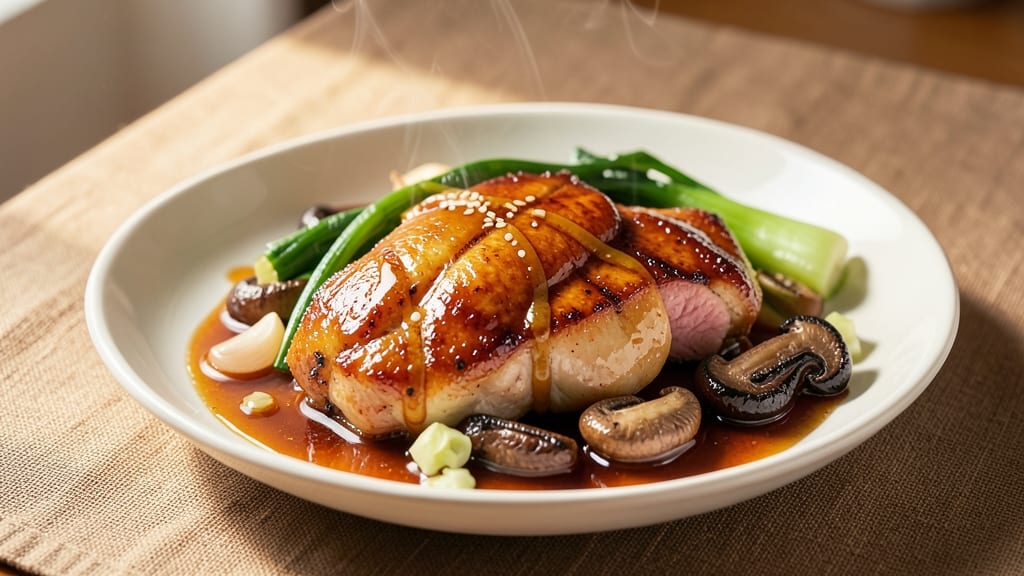
This Asian glaze sauce recipe transforms simple ingredients into a sticky-sweet masterpiece that elevates grilled meats, noodles, and stir-fries with restaurant-quality depth. The secret lies in balancing rich caramelized sugar with tangy rice vinegar and umami-packed soy sauce, creating a sauce that's both bold and versatile.
I've perfected this technique over years of testing, ensuring it's foolproof for home cooks while delivering professional results every time.
The magic happens through controlled reduction—simmering the sauce until it thickens into a glossy, syrupy consistency that clings beautifully to proteins and vegetables. Fresh ginger and garlic add aromatic complexity, while a touch of sesame oil brings nutty warmth.
This isn't just a sauce; it's a flavor amplifier that turns ordinary dishes into showstoppers.
What you'll achieve is a versatile glaze that works equally well drizzled over grilled chicken, tossed with noodles, or used as a dipping sauce. The balance of sweet, salty, and tangy flavors creates addictive depth that lingers on the palate.
Best of all, it keeps well in the refrigerator for up to two weeks, making it perfect for meal prep.
Ready in just 20 minutes with simple pantry staples, this sauce delivers restaurant-quality results without the fuss. Whether you're marinating proteins or finishing dishes, this glaze will become your new kitchen essential. Let's create it step by step—your taste buds will thank you.
Ingredients for asian glaze sauce
Nine simple ingredients create this restaurant-worthy glaze with perfect sticky-sweet balance.
| Ingredient | Amount | Notes |
|---|---|---|
| Brown Sugar 🍯 | ¾ cup | Packed firmly for caramelization |
| Rice Vinegar 🍶 | ⅓ cup | White or seasoned variety |
| Soy Sauce 🍜 | ⅓ cup | Light or dark preferred |
| Fresh Ginger 🧄 | 2 tbsp | Finely grated, aromatic |
| Garlic Cloves 🧄 | 4 cloves | Minced for aromatic depth |
| Sesame Oil 🥜 | 1 tbsp | Toasted for nutty aroma |
| Water 💧 | ½ cup | For thinning if needed |
| Honey 🍯 | 1 tbsp | Optional for extra sweetness |
| Sesame Seeds 🥜 | 1 tbsp | Toasted for garnish |
| Diamond Crystal Kosher Salt 🧂 | ½ tsp | For seasoning balance |
The brown sugar is your secret weapon—pack it firmly in the measuring cup to maximize caramelization. Trader Joe's has the best-priced organic brown sugar, but any quality brand works. Fresh ginger and garlic are non-negotiable here; pre-minced jarred ginger lacks the aromatic punch. For soy sauce, Kikkoman light soy gives the cleanest flavor, while dark soy adds depth. Toast your sesame seeds in a dry pan for 30 seconds—they'll add incredible crunch and aroma to finished dishes. If you're making a big batch, double the recipe—this sauce keeps beautifully for future meals.
No brown sugar? Substitute white sugar plus 1 tbsp molasses for depth. Rice vinegar substitute? Apple cider vinegar at half the amount works in a pinch. Short on fresh ginger? Powdered ginger at one-third the amount, but it won't be as aromatic. The honey is optional but recommended—it helps balance the acidity and adds subtle floral notes. For a gluten-free version, use tamari instead of soy sauce. Want more umami? Add 1 tbsp of fish sauce (if not vegetarian) or an extra 1/2 tbsp of soy sauce. The sesame oil should be toasted—avoid the cheap, flavorless kind from the middle of the store aisle.
This glaze thickens as it cools, so reheat with 1 tbsp water if it becomes too stiff. Store in a glass jar in the fridge for up to 2 weeks—the flavors actually improve over time. For meal prep, freeze in ice cube trays for perfect single-use portions. The sauce reheats beautifully—just warm gently in a small saucepan or microwave until just simmering. Garnish with toasted sesame seeds right before serving to maintain their crunch. Leftovers make incredible marinades or quick stir-fry sauces.
Why You'll Love This Recipe
- Here’s what sold me: that perfect harmony of caramelized brown sugar cutting through the umami punch of soy sauce, with fresh ginger and garlic adding a bright, zesty kick. It’s the kind of flavor that makes you pause mid-bite—like a little taste of a dim sum cart in your kitchen.
- Five-Ingredient Magic: I swear by this—just brown sugar, rice vinegar, soy sauce, a thumb of ginger, and two garlic cloves. That’s it. No fancy gadgets, no last-minute grocery runs. The kind of recipe where you can taste-test as you go and still end up with something ridiculously good.
- Sweet-Savory Balance: Here’s what sold me: that perfect harmony of caramelized brown sugar cutting through the umami punch of soy sauce, with fresh ginger and garlic adding a bright, zesty kick. It’s the kind of flavor that makes you pause mid-bite—like a little taste of a dim sum cart in your kitchen.
- Glaze for Everything: Between us, this sauce is my secret weapon for weeknight dinners. Drizzle it over grilled chicken, toss it with roasted veggies, or slather it on baked fish—it works just as well as a quick marinade or a last-minute sauce. (Yes, even on a Tuesday night.)
Step-by-step instructions for Asian glaze sauce
This glaze delivers perfect balance—sticky, sweet, and savory—ideal for grilled meats and noodles.
Create the Base with Brown Sugar and Vinegar
In a medium saucepan, combine the 0.75 cup brown sugar and 0.33 cup rice vinegar. Place over medium heat and stir constantly until the sugar fully dissolves—this should take about 3-4 minutes. The mixture will bubble gently, and you'll notice a rich, caramel-like aroma developing. Here's the thing—don't rush this step. The sugar needs time to melt completely to prevent graininess in your final sauce.
Once dissolved, reduce heat to low and let the mixture simmer for 5 minutes. You're looking for the liquid to thicken slightly and develop a glossy sheen. This simmering process helps develop the sauce's foundational sweetness while preparing it to absorb the other flavors. If you see any sugar crystals at the bottom, stir vigorously to incorporate them—this ensures a smooth, consistent texture.
Build Flavor with Ginger, Garlic, and Soy Sauce
Add the 2 tablespoons finely grated fresh ginger and 4 minced garlic cloves to the saucepan. Stir well to distribute the aromatics evenly. Let the mixture simmer for 2 minutes—you'll see the ginger soften slightly and the garlic infuse its sharp, aromatic essence into the sauce. The reason we wait is that raw ginger and garlic can be overpowering if added too early; this brief cooking time mellows their intensity just enough to create harmony.
Next, pour in the 0.33 cup soy sauce and the 1 tablespoon sesame oil. Stir continuously for 1-2 minutes until the sauce becomes fragrant and slightly thickened. The soy sauce will deepen the umami profile, while the sesame oil adds a nutty richness. Taste the sauce at this stage—it should be a complex blend of sweet, tangy, and savory notes. If it's too strong, you can add 1 tablespoon water to balance the flavors, but usually, the sauce is ready to move to the next step.
Thicken and Finish with Honey and Water
Increase the heat to medium-high and add the 1 tablespoon honey and 0.5 cup water. Stir well to combine, then let the sauce simmer for 5-7 minutes, stirring occasionally. The honey will enhance the sweetness while adding a subtle floral note, and the water helps thin the sauce to a glossy, coatable consistency. You're aiming for a sauce that's thick enough to cling to meats and noodles but still pourable—it should coat the back of a spoon smoothly.
Taste the sauce again and adjust the seasoning with the 0.5 teaspoon diamond crystal kosher salt if needed. The salt should balance the sweetness and enhance the overall depth of flavor. If the sauce is too thick, add 1 tablespoon water at a time until it reaches your desired consistency. If it's too thin, simmer uncovered for another 2-3 minutes to reduce it slightly. The ideal glaze should be syrupy yet spreadable, with a beautiful glossy finish.
Toast Sesame Seeds and Prepare for Use
While the sauce simmers, toast the 1 tablespoon sesame seeds in a dry skillet over medium heat for 1-2 minutes until they turn a rich golden brown and release their nutty aroma. This step is crucial—it amplifies the sesame flavor and adds a delightful crunchy texture when sprinkled on top of dishes. Transfer the toasted seeds to a small bowl and set aside.
Once your glaze reaches the perfect consistency, remove it from heat and let it cool slightly. The sauce will thicken further as it cools, so don't let it sit too long before using it. For best results, use the glaze immediately over grilled meats, noodles, or as a dipping sauce. Just before serving, sprinkle the toasted sesame seeds on top for added texture and aroma. The contrast of the warm, sticky glaze with the cool, crunchy seeds is what makes this sauce truly special.
Pro Tips For Making Asian Glaze Sauce
- Simmer Slow and Low: I used to rush this sauce, thinking high heat would caramelize the brown sugar faster—wrong. Simmer on medium-low for at least 10 minutes after adding the vinegar and soy sauce. That’s when the flavors meld instead of fighting each other, and the sugar turns into a glossy, sticky glaze instead of a burnt mess.
- Mince Ginger Like You Mean It: Fresh ginger is non-negotiable here, but I learned the hard way that "chopping it fine" isn’t enough. Use a microplane or the smallest blade on your food processor to get it almost paste-like—this way, it dissolves completely into the sauce. No gritty surprises when you drizzle it over your dish.
- Balance the Vinegar First: Adding all the rice vinegar at once? That’s how you end up with a sauce that’s either bland or painfully sharp. Taste as you go—start with half the vinegar, simmer it in, then adjust. The goal is a bright acidity that cuts through the sweetness, not overpowers it.
- Toast the Garlic: Skip the raw garlic, even if the recipe doesn’t say so. Mince 2 cloves and dry-toast them in a separate pan for 30 seconds until fragrant but not brown. Stir them into the sauce at the very end—this adds a nutty depth that raw garlic can’t match, and it won’t turn bitter.
Best sauces and condiments for this asian glaze sauce
Grilled Meat Glaze
This glaze transforms ordinary grilled proteins into showstoppers. Brush it on chicken thighs or pork chops during the last 5 minutes of cooking at high heat for maximum caramelization. For extra depth, marinate proteins in ½ cup glaze for 30-60 minutes before grilling.
The sauce's sticky-sweet profile pairs perfectly with ribeye steaks—apply generously after searing for a glossy finish. 🔥
Noodle Drizzle
Toss ramen, udon, or soba noodles with 2-3 tablespoons glaze per serving after cooking. For extra richness, add 1 teaspoon toasted sesame oil directly to the hot noodles before drizzling.
The glaze's balance of sweet and tangy cuts through noodle starch beautifully. I love using it on cold noodle salads too—just chill the glaze slightly first to prevent melting.
Dipping Sauce
Serve warm as a dipping sauce for spring rolls, dumplings, or grilled shrimp. Thin with 1-2 tablespoons water if needed for easier dipping. For a spicy kick, stir in ½ teaspoon chili crisp or 1 teaspoon sriracha before serving.
The glaze's umami depth makes it perfect for pho broth dipping—just reduce it slightly for a thicker consistency. 🍜
Stir-Fry Finisher
Use as a quick stir-fry sauce by combining 2 tablespoons glaze with 1 tablespoon water and tossing with veggies and protein at the end. The high heat of stir-frying intensifies the sauce's caramelized flavors.
For vegetable stir-fries, add a splash of sesame oil to enhance nutty notes. I often keep a small jar of glaze in my fridge specifically for last-minute stir-fry finishes.
Breakfast Twist
Drizzle over pancakes, waffles, or French toast for an Asian-inspired breakfast. The sweet-savory balance pairs perfectly with scrambled eggs or bacon. For extra decadence, top with whipped cream and toasted sesame seeds. This unexpected use became my go-to weekend brunch hack—my family now calls it "sweet-savory syrup." 🥞
Nutrition facts
Frequently asked questions
Can I make this glaze sauce without brown sugar?
Yes! For a 1:1 substitution, use white sugar plus 1 tbsp molasses to maintain depth. Or try coconut sugar for a caramel-like flavor. The key is achieving the same sticky-sweet balance—just monitor the reduction time closely since white sugar caramelizes faster.
How do I adjust the sweetness level for different dishes?
For grilled meats, use the glaze as-is—its bold sweetness caramelizes beautifully. For noodles or vegetables, thin with 1 tbsp water per 2 tbsp glaze and reduce heat slightly. Need less sweetness? Add 1 extra tbsp rice vinegar to balance. The sauce's versatility comes from its adjustable consistency!
Can I make this sauce ahead of time?
This glaze actually improves overnight—flavors meld better. Store in a glass jar in the fridge for up to 2 weeks. For meal prep, freeze in ice cube trays (thaw quickly in microwave). Reheat gently with 1 tbsp water to restore glossy texture. The longer it sits, the more complex the flavors become!
What's the best way to use leftover glaze?
Leftover glaze makes amazing marinades (30-60 mins for meats) or quick stir-fry finishes. Thin with water or broth for dipping sauces. My favorite hack? Drizzle over pancakes or toast with a sprinkle of sesame seeds—it becomes a sweet-savory syrup! The sauce's umami depth works in unexpected places too.