
Sauces & Condiments
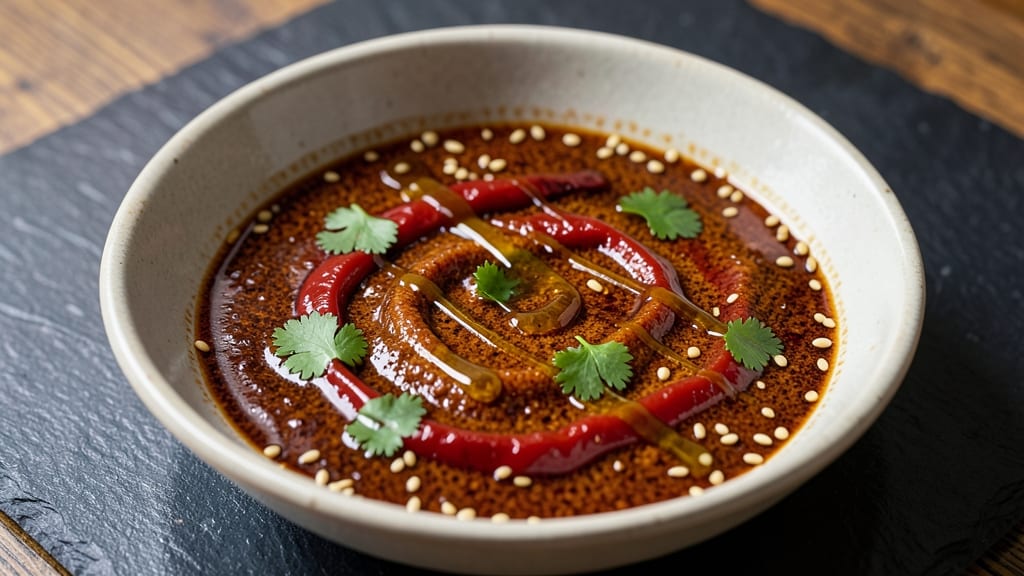
This Asian Cajun sauce recipe transforms bold Cajun heat into a complex, umami-rich glaze that clings perfectly to grilled meats. The marriage of smoked paprika, chili paste, and soy sauce creates a sauce that's equally at home on ribs, stir-fries, or noodles.
I developed this fusion after craving something that balanced the smoky depth of Cajun seasoning with the bright, aromatic qualities of Asian cuisine.
The secret lies in the balance of ingredients: a touch of honey to cut the heat, fresh ginger for warmth, and garlic for sharpness. Unlike traditional Cajun sauces, this version incorporates fish sauce and rice vinegar to create a sticky, glossy finish that caramelizes beautifully when brushed on hot proteins.
The sauce thickens slightly as it cooks, creating a perfect glaze without losing its vibrant color.
What makes this sauce truly versatile is its ability to elevate simple dishes into restaurant-quality meals. Use it as a marinade for chicken or pork before grilling, toss it with noodles for an instant wok-style dinner, or drizzle it over seared tofu for added depth.
The flavors develop even more after 24 hours in the fridge, making it ideal for meal prep.
Store any leftovers in an airtight container for up to 2 weeks, or freeze for 3 months. The sauce's complexity means it works equally well as a quick weeknight condiment or a special occasion glaze. Here's how to make it—your taste buds will thank you.
Ingredients for asian cajun sauce
Nine bold ingredients that marry Cajun heat with Asian umami for a sauce that sticks like glue.
| Ingredient | Amount | Notes |
|---|---|---|
| Smoked Paprika 🌶️ | 2 tbsp | Sweet or hot variety preferred |
| Chili Paste 🌶️ | ½ cup | Red or green, like Maesri or Thai brand |
| Light Soy Sauce 🍶 | ½ cup | Kikkoman preferred for balance |
| Fish Sauce 🐟 | 1 tbsp | Red Boat brand for premium quality |
| Rice Vinegar 🍶 | 2 tbsp | Seasoned or plain, unseasoned works too |
| Honey 🍯 | 1 tbsp | Wildflower or clover preferred |
| Fresh Ginger 🌿 | 2 tbsp | Finely grated, peel included |
| Garlic Cloves 🧄 | 4 cloves | Minced or pressed, fresh only |
| Extra-Virgin Olive Oil 🫒 | 2 tbsp | For richness, fruity variety |
| Sesame Oil 🫒 | 1 tbsp | Toasted, for aroma |
The chili paste and smoked paprika are your flavor anchors—Maesri or Thai brands for chili paste give that authentic kick, while Penzeys or local spice shops have the best smoked paprika. Fish sauce is non-negotiable here; Red Boat is my go-to, but any good-quality brand works. Ginger and garlic? Fresh only—the pre-minced stuff loses its punch fast. For the soy sauce, Kikkoman light is my default, but any light soy will do. Pro tip: Toast your sesame oil in the saucepan for 30 seconds before adding other ingredients—that aroma is everything.
No fish sauce? Extra soy sauce plus a pinch of sugar mimics the umami, though it won't be identical. Running low on chili paste? Sriracha or sambal oelek at half the amount works in a pinch, but the texture will be thinner. Subbing honey for maple syrup? Use the same amount, but expect a slightly deeper color. The rice vinegar can be swapped for apple cider vinegar, but it'll taste more tart. For a vegetarian version, vegan fish sauce (like Red Boat's vegan line) keeps it plant-based without sacrificing flavor.
This sauce gets better with time—24 hours in the fridge lets the flavors meld beautifully. Store in an airtight container with a thin layer of olive oil on top to preserve freshness. Keeps for 2 weeks refrigerated or 3 months frozen. Freeze in ice cube trays for single-use portions—perfect for quick marinades or stir-fry drizzles. The sauce thickens as it cools, so stir before using if it looks too stiff. Trust me, the wait is worth it.
Why You'll Love This Recipe
- Here’s what sold me: a tiny jar of chili paste and a bottle of rice vinegar last me months because this sauce is so versatile. I make big batches, store it in the fridge, and use it to stretch proteins, veggies, or even rice into full meals. Frugal? Yes. Delicious? Absolutely.
- Pantry Magic: Honestly, I keep this sauce on hand because it’s that easy—just toss smoked paprika, chili paste, and a splash of rice vinegar in a bowl, stir, and boom. No fancy techniques, no waiting for anything to simmer down. My lazy nights thank me every time.
- Umami Bomb: That combo of fish sauce and light soy? It’s like a flavor grenade—savory, slightly funky, with just enough heat from the chili paste to make your taste buds sit up. Drizzle it over grilled shrimp or toss it with noodles, and suddenly everything tastes ridiculously good.
- Weeknight Swiss Army: Between us, this sauce is my secret weapon for busy evenings. Use it to glaze chicken thighs, stir into fried rice, or even slather it on tofu before baking. It’s the one thing that turns a simple meal into something special—no matter what’s on the menu.
Step-by-step instructions for Asian Cajun sauce
This bold sauce brings together smoky Cajun heat and bright Asian flavors in minutes—perfect for grilled meats.
Bloom the Smoked Paprika and Chili Paste
Heat the 2 tablespoons extra-virgin olive oil in a medium saucepan over medium-low heat. Add the 2 tablespoons smoked paprika and stir constantly for 30 seconds until fragrant—this releases the paprika's deep, smoky aroma. Then add the ½ cup chili paste and cook for another 1 minute, stirring frequently. You'll see the mixture darken slightly as the oils in the paste begin to soften and blend with the paprika.
Don't rush this step. The paprika needs time to fully bloom, and the chili paste should melt into a smooth, thick paste. If you smell any burning, reduce the heat immediately—the chili paste can scorch quickly. This foundational step builds the sauce's rich, complex flavor base.
Add Aromatics and Cook Until Fragrant
Push the mixture to one side of the pan and add the 2 tablespoons fresh ginger and 4 cloves garlic. Stir for 30 seconds until the ginger softens slightly and the garlic becomes translucent. This ensures the raw garlic flavor mellows into the background, letting the smoky and spicy notes shine.
Scrape the bottom of the pan to release any browned bits—these packed with flavor. Then pour in the ½ cup light soy sauce and 1 tablespoon fish sauce, stirring to combine. Let the mixture simmer gently for 2 minutes until the soy sauce begins to reduce slightly and the aromatics are fully incorporated. You'll notice the sauce thicken and darken as the liquids evaporate.
Balance with Sweet and Acidic Notes
Add the 2 tablespoons rice vinegar and 1 tablespoon honey, stirring constantly. The vinegar brightens the sauce with a tangy kick, while the honey rounds out the heat. Simmer for 1-2 minutes until the sauce thickens to a glossy, coatable consistency. If it's too thick, add 1 tablespoon water at a time until it reaches your desired texture.
Taste and adjust the balance—you want a harmonious blend of smoky, spicy, sweet, and tangy. If it needs more heat, add a pinch of chili flakes. If it's too sharp, a touch more honey will help. This step is all about refining the flavor profile so each component complements the others.
Finish with Sesame Oil and Rest
Remove the pan from heat and stir in the 1 tablespoon sesame oil. This final touch adds a nutty aroma and depth to the sauce. Let it sit for 5 minutes to allow the flavors to meld together fully. The sesame oil should be infused into the sauce, not sitting on top.
For best results, use the sauce immediately on grilled meats, shrimp, or tofu. If storing, transfer to an airtight container and refrigerate for up to 5 days. Before using, gently reheat over low heat, stirring occasionally to prevent scorching. This sauce is perfect for glazing, marinating, or drizzling over finished dishes.
Pro Tips For Making Asian Cajun Sauce
- Simmer Low and Slow: Start on medium-high to wake up the aromas, but once everything’s combined, drop to a bare simmer. I’ve seen chili paste scorch in seconds—it turns bitter fast, and you’ll regret that smoky aftertaste. Keep it moving with a spoon if needed, but don’t boil it dry.
- Bloom the Paprika First: Toast the smoked paprika in a dry pan for 30 seconds before adding liquids. My grandmother swore by this, and it works—it deepens the smoky flavor without overpowering the chili paste’s heat. Just don’t walk away; it burns faster than you think.
- Balance the Fish Sauce: Taste before adding the full amount, then adjust. Too much fish sauce makes this sauce taste like a salty swamp. Start with half, let it mingle, and add more if needed—you can always fix it, but you can’t un-fix the funk.
- Vinegar Last, Stir Fast: Add the rice vinegar right at the end and give it a quick, aggressive stir. It cuts through the richness, but if you mix it in early, the acid will mute the chili paste’s punch. Think of it like a wake-up call for the sauce—save it for the finale.
Pro cooking tips for great asian cajun sauce
Bloom the Spices
Start by heating the 2 tablespoons extra-virgin olive oil in a saucepan over medium-low heat. Add the 2 tablespoons smoked paprika and let it bloom for 30 seconds—this unlocks its deep, smoky aroma.
Then stir in the ½ cup chili paste and cook for 1 minute. The key here is patience: rushing causes burning, and you want that rich, toasted flavor to develop fully. 🌶️
Control the Heat
Watch the saucepan closely when adding chili paste—it can scorch quickly. If you see any dark spots forming, immediately reduce the heat or remove the pan from the burner.
The paste should melt smoothly into the oil, creating a thick, glossy base. This step is where the sauce’s bold foundation takes shape.
Toast the Aromatics
Push the spice mixture to one side of the pan and add the 2 tablespoons grated ginger and 4 minced garlic cloves. Cook for 30 seconds until fragrant but not browned.
This gentle toasting softens the raw garlic flavor, letting the smoky and spicy notes take center stage. Always scrape up any browned bits—they’re packed with flavor.
Balance the Flavors
After adding the soy and fish sauces, taste the mixture before adjusting. The sauce should have a harmonious blend of heat, umami, and a touch of sweetness. If it’s too sharp, add ½ tablespoon honey.
If it needs more depth, a splash of rice vinegar brightens it up. Trust your taste buds—this is where the magic happens. ✨
Thicken Properly
Simmer the sauce until it reaches a glossy, coatable consistency. If it’s too thick, add 1 tablespoon water at a time. The goal is a sauce that clings to grilled meats or noodles without being watery.
Over-thickening is easy to fix—just stir in a little liquid and let it simmer again.
Finish with Sesame Oil
Remove the pan from heat and stir in the 1 tablespoon toasted sesame oil just before serving. This final step adds a nutty aroma that elevates the sauce.
Let it rest for 5 minutes to allow the flavors to meld—don’t skip this! The sesame oil infuses into the sauce, creating a well-rounded finish. 💫
Nutrition facts
Frequently asked questions
Can I make this sauce without fish sauce?
Yes! For a vegetarian version, use 1 extra tablespoon soy sauce plus ½ teaspoon sugar to mimic the umami. The sauce will still be delicious, though slightly less complex. For a plant-based alternative, try vegan fish sauce (like Red Boat's vegan line) for the closest flavor match. The texture remains the same, but the depth of flavor may vary slightly.
How spicy is this sauce, and can I adjust it?
This sauce has a medium-high heat level from the chili paste and smoked paprika, but the honey and rice vinegar balance it nicely. For milder heat, reduce chili paste to ¼ cup or add ½ teaspoon sugar to round out the flavor. If you love spice, add ½ teaspoon cayenne pepper or extra chili flakes. Always taste as you go!
What’s the best way to use this sauce?
This sauce shines on grilled meats (chicken, pork, or shrimp), stir-fries, or noodle dishes. For glazing, brush it on proteins during the last 5 minutes of cooking over medium-high heat to caramelize. Use it as a marinade for 2-4 hours (or overnight) for extra flavor. It also works as a dipping sauce for spring rolls or dumplings!
Why does my sauce look too thick/thin?
If the sauce is too thick, thin it with 1 tablespoon water or rice vinegar at a time while simmering. For a thicker sauce, simmer longer to reduce the liquid. The ideal consistency is glossy and coatable—like honey. If it separates, whisk in ½ teaspoon cornstarch mixed with 1 teaspoon water to stabilize it. Stir constantly to avoid lumps.
Can I freeze this sauce for later?
Freeze in ice cube trays for single-use portions or an airtight container for larger batches. Thaw overnight in the fridge, then reheat gently over low heat while stirring. The sauce may thicken slightly after freezing—add 1 teaspoon water per ¼ cup sauce to restore consistency. Label with the date for up to 3 months of storage.