
Sauces & Condiments
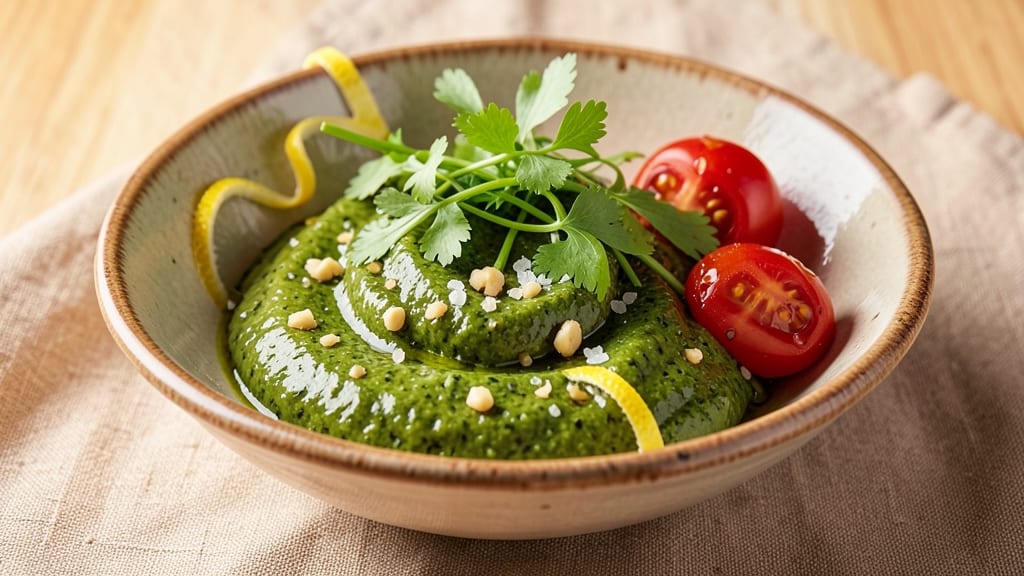
This arugula chimichurri sauce transforms bold flavors into a vibrant, no-fuss condiment that elevates every dish it touches. The secret lies in blending fresh arugula with garlic, olive oil, and vinegar—no chopping required—while letting it rest for maximum punch.
I developed this version after struggling with traditional chimichurri recipes that demanded tedious prep and still fell short on brightness.
What sets this sauce apart is the arugula, which adds a peppery depth that regular parsley simply can't match. The key technique is pulsing everything in a food processor until just combined—no over-blending, which turns chimichurri into pesto.
The sauce's tangy, herby profile comes alive when rested for 30 minutes, allowing flavors to meld perfectly. It's the kind of condiment that turns simple grilled chicken into a restaurant-worthy meal.
Use this versatile sauce on grilled meats, drizzled over pasta, or spread on crusty bread for an instant flavor upgrade. The bright acidity cuts through richness while adding freshness that keeps every bite feeling light.
Store it in an airtight container in the fridge for up to 5 days—though I guarantee it won't last that long. Here's how to make it effortlessly.
Unlike traditional chimichurri, this version maintains its vibrant green color and peppery kick without requiring constant stirring. The arugula's natural oils bind the sauce beautifully, creating a texture that's neither too thick nor too thin.
Whether you're serving up steak night or whipping together a quick weeknight dinner, this sauce delivers professional-quality flavor with minimal effort. Let's get started.
Ingredients for arugula chimichurri sauce
Eight ingredients, five minutes—this vibrant sauce delivers restaurant-quality flavor without the fuss.
| Ingredient | Amount | Notes |
|---|---|---|
| Fresh Arugula Leaves 🌿 | 2 cups | Packed, stems removed |
| Extra-Virgin Olive Oil 🫒 | ½ cup | High-quality, fruity variety |
| Red Wine Vinegar 🍷 | ¼ cup | Bold, dry variety preferred |
| Garlic Cloves 🧄 | 4 cloves | Peeled, roughly chopped |
| Diamond Crystal Kosher Salt 🧂 | ½ tsp | Fine grain preferred |
| Fresh Lemon Juice 🍋 | 2 tbsp | Freshly squeezed |
| Red Chili Flakes 🌶️ | ¼ tsp | Adjust for heat preference |
| Fresh Parsley Leaves 🍃 | ¼ cup | Optional, for extra brightness |
The arugula is non-negotiable here. Look for bright, deep green leaves at your local farmers market or grocery store—avoid anything wilted or yellowing. Whole Foods or Trader Joe's always carry the freshest. If you're using store-bought, check the date—it should be crisp, not limp. The parsley is optional but adds an extra layer of brightness, so grab a small bunch if you're feeling ambitious. For the olive oil, California avocado oil or Spanish olive oil work beautifully—their fruity notes complement the peppery arugula perfectly. Skip the cheap stuff; you'll taste the difference.
No red wine vinegar? Apple cider vinegar or white wine vinegar will work in a pinch, though the flavor will be slightly milder. Running low on garlic? Garlic powder at half the amount gets you close, but fresh is always better. The chili flakes can be swapped for hot sauce or cayenne pepper if you prefer a smoother heat. For extra richness, add a tablespoon of tahini—it blends right in and adds a nutty depth. If you're making this ahead, add the lemon juice just before serving to prevent the sauce from turning bitter.
This sauce keeps beautifully in an airtight container in the fridge for up to 5 days, though I've been known to eat it all within 24 hours. For longer storage, transfer to a glass jar and freeze for up to 3 months. When ready to use, let it sit at room temperature for 10 minutes before drizzling—it warms up beautifully. The texture will thicken slightly after chilling, so a quick stir with a splash of water or olive oil brings it back to perfection. Trust me, it's worth the extra minute.
Why You'll Love This Recipe
- No Pulse Needed: I just toss the arugula, garlic, and vinegar in a bowl, then drizzle in the olive oil—no blender, no stress. The leaves break down just enough to release that peppery brightness without turning it into a sad, watery mess.
- Garlic-Pepper Magic: That first bite? It’s like a bright, herby hug with a kick. The raw garlic and arugula’s bite cut through rich meats or creamy cheeses, but somehow still tastes fresh enough to eat straight from the spoon. (Yes, I’ve done it.)
- Weeknight to Dinner Party: Slather it on grilled chicken for a quick weeknight dinner, or drizzle it over seared scallops when friends drop by. The same jar works for both—no fancy prep, just pure flavor that adapts to whatever’s on the menu.
- Lasts All Week: Honestly, I make a big batch and it keeps for days in the fridge. The vinegar and olive oil preserve it better than most sauces, so I’m not scrambling to use it up before it turns. Budget win, flavor win.
Step-by-step instructions for arugula chimichurri sauce
This vibrant sauce comes together in minutes with no chopping—just simple blending and resting.
Combine All Wet Ingredients in a Blender
Place the 2 cups fresh arugula leaves, 0.5 cup extra-virgin olive oil, 0.25 cup red wine vinegar, 2 tablespoons fresh lemon juice, 0.25 teaspoon red chili flakes, 0.5 teaspoon Diamond Crystal kosher salt, and 0.25 cup fresh parsley leaves (if using) into a high-speed blender. The arugula should be packed and stems removed—this ensures a smooth, vibrant sauce without fibrous texture.
Start with the arugula at the bottom to prevent clogging. Pulse once to break up any large leaves, then secure the lid tightly. Blend on high speed for 15-20 seconds until the mixture is completely smooth. You want a uniform, bright green sauce with no visible chunks. If it looks too thick, add 1 tablespoon water at a time until it reaches a pourable consistency.
Add Garlic and Pulse for Maximum Flavor
Add the 4 peeled garlic cloves to the blender. These should be roughly chopped—this prevents the blender from overheating and ensures even distribution. Pulse the blender 3-4 times in quick bursts, just until the garlic is finely minced but not fully blended. Over-blending can turn the garlic bitter, so stop as soon as it disappears into the mixture.
Taste the sauce at this stage. It should be tangy from the vinegar and lemon, with a hint of garlic sharpness. If it needs more brightness, add another ½ teaspoon lemon juice. For extra heat, sprinkle in an additional ¼ teaspoon red chili flakes. The sauce should balance acidity, fat, and spice perfectly—this is the foundation of its vibrant character.
Let the Sauce Rest for Maximum Flavor Development
Transfer the blended sauce to a clean glass jar or bowl and cover it tightly. Let it rest at room temperature for at least 10 minutes, or refrigerate for 30 minutes if you're short on time. This resting period allows the flavors to meld and the arugula's natural oils to release, deepening its herbal notes and making it more cohesive.
After resting, give the sauce a stir. You'll notice it's slightly thicker and more aromatic. The acidity will mellow slightly, and the garlic will lose its raw bite, becoming more integrated. If the sauce separates (which can happen with high-fat ingredients), simply whisk it vigorously to re-emulsify. This sauce is best used within 24 hours for peak freshness, though it will keep in the refrigerator for up to 5 days.
Adjust Consistency and Use Immediately
Before serving, check the sauce's consistency. If it's too thick, thin it with 1-2 tablespoons water or extra-virgin olive oil until it reaches a drizzling consistency. It should coat the back of a spoon but still flow freely. The ideal texture is silky yet vibrant, clinging to proteins without overwhelming them.
This chimichurri sauce pairs beautifully with grilled meats, roasted vegetables, or even as a bright dressing for salads. Drizzle it generously over seared steaks, grilled shrimp, or warm crusty bread to elevate any dish. The arugula's peppery bite cuts through rich flavors, while the olive oil and vinegar create a perfect balance of richness and acidity.
Pro Tips For Making Arugula Chimichurri Sauce
- STRIP THE STEMS: Use the tougher, thicker stems for the sauce—they’re packed with flavor and won’t turn to mush like the delicate leaves. Save the tender leaves for garnish or salads, but don’t toss those stems; they’re the backbone of this dish.
- PULSE DON’T PUREE: Run the food processor in short bursts—2-3 seconds at a time—until just combined. Over-processing turns arugula chimichurri into a sad, watery paste. You want texture, not soup.
- SALT THE GARLIC: Toss the minced garlic cloves with a pinch of kosher salt before adding them to the processor. This softens them slightly and prevents that bitter, raw edge that ruins the whole sauce.
- REST THE OIL: Let the finished chimichurri sit for at least 10 minutes before using it. The flavors meld better, and the arugula’s natural oils release, making every bite richer. (Yes, even if you’re impatient like me.)
Wine and beer pairings for this arugula chimichurri sauce
White Wine Pairings
This vibrant sauce calls for crisp, high-acid white wines that mirror its peppery brightness. I always reach for a dry Vermentino from Sardinia—its citrus notes and mineral finish cut through the arugula's intensity beautifully.
For something lighter, a Sauvignon Blanc from New Zealand, like Kim Crawford, brings tropical fruit undertones that complement the garlic and vinegar. Avoid anything oaked or buttery, as those flavors will clash with the sauce's freshness. 🍷
Red Wine Options
If you prefer red, go for light-bodied varieties that won't overpower the sauce. A Pinot Noir from Oregon, like Domaine Serene, works wonders—its red fruit and earthy notes harmonize with the arugula's peppery kick.
For something bolder, try a Chianti Classico (100% Sangiovese) from Tuscany, but opt for a younger vintage to avoid over-extraction. The tannins in these wines actually enhance the sauce's garlic and chili flakes.
Beer Pairings
For beer lovers, a Belgian Witbier like Hoegaarden is a perfect match—its coriander and citrus notes echo the lemon and vinegar in the sauce. If you prefer something hoppier, a crisp German Pilsner (like Warsteiner) provides clean, refreshing contrast to the rich arugula flavors.
Avoid heavy stouts or IPAs, as their bitterness can overpower the sauce's delicate balance.
Non-Alcoholic Options
Don't drink alcohol? No problem. Sparkling San Pellegrino or Topo Chico with a splash of Aperol mimics the sauce's acidity and bitterness. For a completely alcohol-free option, try a ginger beer like Feather's—the spicy kick complements the chili flakes beautifully.
Even a simple lemon-infused iced tea with a pinch of salt enhances the sauce's brightness without competing flavors.
Unexpected Pairings
This sauce shines with unexpected drinks too. A gin and tonic with a rosemary garnish amplifies the herbal notes, while a dry cider like Strongbow adds a crisp apple acidity that pairs surprisingly well.
For dessert, try pairing the sauce with sparkling wine (like Prosecco) when drizzled over strawberries—it creates a refreshing contrast that's perfect for summer gatherings.
Nutrition facts
Frequently asked questions
Why does this recipe use arugula instead of parsley?
Arugula brings a peppery, slightly bitter depth that parsley can't match—it adds complexity to the sauce's bright, herby profile. The leaves also release more natural oils when blended, creating a richer texture without extra fat. Plus, arugula's vibrant green color makes the sauce visually stunning!
Can I make this sauce without a food processor?
Use a mortar and pestle for a rustic texture, or finely chop all ingredients by hand. For best results, pulse in a blender or immersion blender to avoid fibrous bits. The key is achieving a smooth consistency—just don't over-blend or it'll turn into pesto!
How do I fix sauce that's too thick or separated?
For thickness, whisk in 1-2 tablespoons olive oil or water until smooth. If it separates, blend again briefly or whisk vigorously to re-emulsify. The sauce should be drizzlable but coat the back of a spoon. Pro tip: Add ingredients in this order—vinegar first, then oil—to prevent separation.
What's the best way to store leftover sauce?
Transfer to an airtight glass jar and refrigerate for up to 5 days. For longer storage, freeze for 3 months. Thaw overnight in the fridge—never microwave. The flavors actually improve after resting! For best texture, stir before using, as chilling can thicken it slightly.
Can I use this sauce on non-meat dishes?
Yes! It's perfect for grilled vegetables, roasted potatoes, or even as a pasta drizzle. The bright acidity cuts through richness, while the peppery arugula adds freshness. Try it on polenta or crusty bread for a quick appetizer too!