
Sauces & Condiments
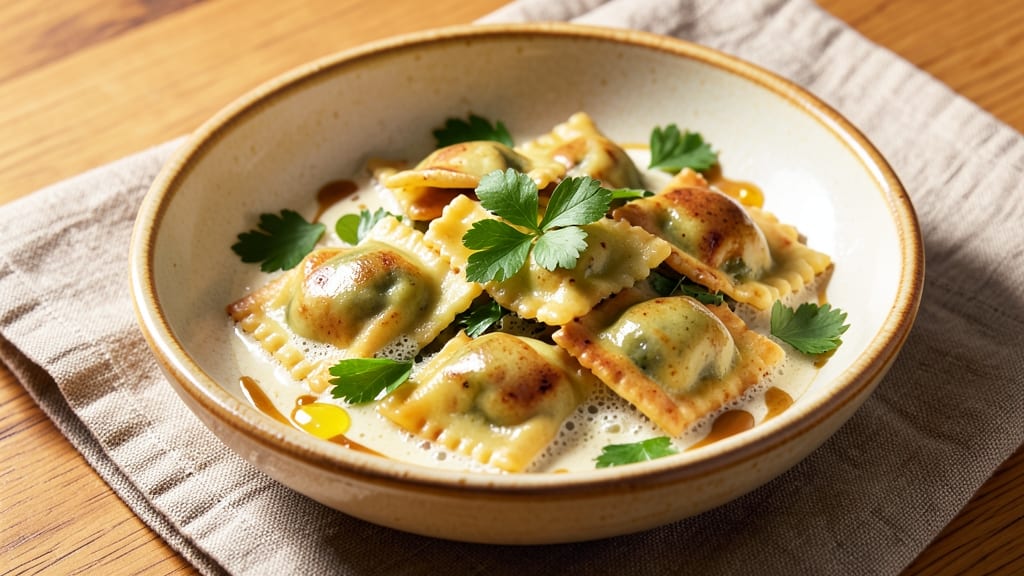
This artichoke ravioli sauce transforms simple pasta into a gourmet experience with its rich, nutty brown butter base and bright herbaceous notes. The secret lies in carefully balancing creaminess with tangy lemon and fresh basil, creating a sauce that clings beautifully to ravioli without overwhelming their delicate texture.
I developed this recipe after years of perfecting restaurant-quality sauces at home—it's the kind of dish that makes homemade pasta feel like a five-star meal.
The foundation begins with browned butter, which adds depth and a subtle nutty aroma that pairs perfectly with artichokes. Fresh herbs like parsley and basil brighten the sauce, while lemon juice provides that essential tang to cut through the richness.
What makes this sauce truly special is how it enhances rather than competes with the ravioli—each bite delivers a harmonious blend of textures and flavors that feel both indulgent and balanced.
This sauce is designed to be versatile—equally at home with fresh or frozen ravioli, and it reheats beautifully for leftovers. The recipe yields enough for four servings, making it perfect for family dinners or meal prep.
Store any leftovers in an airtight container in the refrigerator for up to three days, or freeze for longer storage. Pair it with a crisp white wine or a simple arugula salad to complete the meal.
Whether you're serving this sauce with artichoke-stuffed ravioli or using it to elevate other pasta dishes, the result is consistently impressive.
The combination of nutty brown butter, creamy texture, and fresh herbs creates a sauce that's both comforting and sophisticated—ideal for impressing guests or treating yourself to a restaurant-worthy dinner at home.
Ingredients for artichoke ravioli sauce
This sauce delivers restaurant-quality richness with just ten ingredients—where nutty brown butter meets fresh herbs and bright citrus.
| Ingredient | Amount | Notes |
|---|---|---|
| Unsalted Butter 🧈 | ¾ cup | Browned for nutty depth |
| Heavy Cream 🥛 | ¾ cup | Full-fat for creaminess |
| Fresh Basil Leaves 🌿 | ½ cup | Packed, stems removed |
| Fresh Flat-Leaf Parsley 🌿 | ¼ cup | Chopped, for brightness |
| Lemon Juice 🍋 | 2 tbsp | Freshly squeezed |
| Artichoke Hearts 🌱 | 1 cup | Marinated, chopped fine |
| Garlic Cloves 🧄 | 3 cloves | Minced, for aromatic base |
| Shallots 🧅 | 2 whole | Minced, for subtle sweetness |
| Diamond Crystal Kosher Salt 🧂 | ½ tsp | Adjust to taste |
| Freshly Ground Black Pepper 🌶️ | ¼ tsp | For subtle heat |
The butter is non-negotiable here—European-style unsalted butter like Plugrá or Kerrygold browns beautifully and adds unmatched depth. For the artichokes, high-quality marinated hearts from Trader Joe's or Whole Foods ensure vibrant flavor; avoid the canned variety with added salt. Shallots are essential for their delicate sweetness—substitute with 1 tbsp minced yellow onion if unavailable. Fresh herbs must be vibrant; wilted basil or parsley will compromise the sauce's brightness. Browning the butter properly is key—watch closely for a golden hue and nutty aroma before adding the cream.
No heavy cream? Full-fat coconut milk works in a pinch, though texture will differ slightly. Substituting dried herbs is possible but reduce to one-third the amount—fresh basil and parsley are irreplaceable for this sauce's signature brightness. For artichokes, sun-dried tomatoes can add depth if needed, but they won't replicate the sauce's signature tang. The lemon juice is crucial for balance; bottled lemon juice lacks the same brightness, so fresh is ideal. If you're short on time, pre-minced garlic from a jar works, though freshly minced garlic adds superior flavor. For a dairy-free version, replace the heavy cream with coconut cream and use vegan butter.
This sauce reheats beautifully—simmer gently on low heat, stirring occasionally, until warmed through. Store in an airtight container in the refrigerator for up to 3 days, or freeze for 3 months. For longer storage, portion into ice cube trays before freezing, then transfer to a bag—perfect for adding to future pasta dishes. The sauce thickens slightly when chilled, so a splash of warm water or milk (dairy or plant-based) revives it effortlessly. Leftovers make an excellent base for creamy soups or risottos, extending their versatility beyond ravioli.
Why You'll Love This Recipe
- No-Fuss Basics: I swear by this sauce because it’s that simple—just butter, cream, and a handful of herbs. Even when I’m too tired to chop much, the artichokes (store-bought or jarred) and lemon juice come together in minutes. The heavy cream makes it velvety without needing fancy techniques.
- Bright & Rich: The lemon juice cuts through the richness of the butter and cream, while the basil and parsley add a fresh, herbal punch. It’s creamy but never heavy, and the artichokes bring a subtle, briny depth that makes every bite feel special.
- Weeknight to Dinner Party: This sauce works just as well for a quick weeknight dinner as it does for impressing guests. Serve it over ravioli for a cozy meal, or drizzle it on grilled chicken or crusty bread for an instant upgrade. Honestly, I’ve used it in all three—no regrets.
- Leftovers That Shine: Between us, this sauce actually tastes better the next day. The flavors meld even more, and it reheats like a dream. Plus, it’s budget-friendly—just a splash of cream and a squeeze of lemon keeps it luscious without breaking the bank. My freezer’s full of it, and I never tire of it.
Step-by-step instructions for herb-infused brown butter artichoke ravioli sauce
Master this technique and you'll transform simple ingredients into a sauce with depth, richness, and bright herbal notes.
Brown the Butter for Nutty Depth
Place the 0.75 cup unsalted butter in a medium saucepan over medium-low heat. Watch carefully as the butter melts and begins to foam. Once the foam subsides, increase heat to medium and continue cooking until the butter turns a rich golden brown color, about 5-7 minutes.
You'll notice small browned particles forming at the bottom of the pan and a distinct nutty aroma filling your kitchen. This is the signature flavor of brown butter, which forms when the milk solids toast. Immediately remove the pan from heat and let the butter cool for 2 minutes—this stops the browning process while preserving those toasted notes.
Sauté Aromatics Until Fragrant
In the same saucepan (no need to clean it—the browned bits are flavor gold), add the 2 minced shallots and 3 minced garlic cloves over medium heat. Cook for 3-4 minutes until the shallots become translucent and the garlic releases its aromatic oils. Be careful not to let the garlic burn—it should smell sweet and pungent, not bitter.
Here's where the sauce builds its foundation. The shallots provide subtle sweetness while the garlic adds depth. I like to stir frequently during this stage to ensure even cooking and prevent any burning. If the aromatics start to stick, add 1 tablespoon water to deglaze and keep everything moving.
Incorporate Artichokes and Lemon
Add the 1 cup chopped artichoke hearts and cook for another 2-3 minutes until heated through. The artichokes should be warm but still hold their shape—overcooking will make them mushy. Stir in the 2 tablespoons lemon juice and let it simmer for 1 minute to brighten the flavors and cut through the richness.
The lemon juice serves a dual purpose here: it balances the sauce's richness while preventing the artichokes from becoming bitter. This is particularly important with marinated artichokes, which can sometimes carry a briny edge. The acidity from the lemon helps maintain that perfect equilibrium of flavors we're aiming for.
Finish with Cream and Herbs
Reduce heat to low and slowly pour in the 0.75 cup heavy cream, whisking constantly to prevent curdling. Let the sauce simmer gently for 3-4 minutes until it thickens slightly and coats the back of a spoon. Season with 0.5 teaspoon kosher salt and 0.25 teaspoon black pepper.
Remove from heat and stir in the 0.5 cup fresh basil leaves and 0.25 cup chopped parsley. Let the sauce steep for 2 minutes to infuse with the herbs' vibrant flavors. The herbs should be just wilted but still visible, adding both color and freshness to the sauce. For the best results, serve immediately while the herbs are still vibrant and the sauce is at its peak temperature.
Pro Tips For Making Artichoke Ravioli Sauce
- Whisk Butter Low: Start your sauce on medium-low heat—not medium, not high—until the butter melts completely. I learned this the hard way when I rushed it and ended up with butter splattering everywhere, which, yes, even if you're impatient like me, makes the sauce taste like burnt popcorn. Let it foam gently before adding cream.
- Strain the Cream: Heavy cream scalds faster than you think. Heat it just until steaming (about 180°F/82°C—test with a thermometer if you’re unsure) before adding it to the butter. No thermometer? A gentle simmer with small bubbles at the edges is your cue. Overheating turns it grainy, and nobody wants that.
- Toast the Herbs: Toss in the basil and parsley off the heat for the last 30 seconds—just until they wilt. I was skeptical until I tried it: the heat releases their oils without turning them to mush. Skip this, and your sauce tastes like you forgot the herbs entirely.
- Lemon Last, Always: Add lemon juice after the sauce is off the heat. The acid cooks down too fast, and you’ll end up with a sauce that tastes like you squeezed a whole lemon into a pot of boiling water. A splash at the end keeps the brightness sharp and the flavor balanced.
Dietary considerations for artichoke ravioli sauce
Vegetarian-Friendly Base
This sauce is naturally vegetarian, relying on dairy and plant-based ingredients for richness. The heavy cream and unsalted butter provide the creamy foundation, while the artichoke hearts and garlic add depth without any meat.
For a vegan version, simply replace the heavy cream with full-fat coconut milk and use vegan butter—it maintains the same luxurious texture. 🌱
Dairy-Free Adaptations
If you're avoiding dairy, focus on the brown butter substitute—I recommend Earth Balance vegan butter or Miyoko's creamery coconut oil-based butter. The key is to brown it properly to achieve that nutty depth.
For the cream component, coconut cream works best, though it adds a subtle coconut flavor that pairs surprisingly well with artichokes. Taste as you go and adjust with extra lemon juice if needed.
Gluten-Free Considerations
This sauce is inherently gluten-free, but always double-check your ingredients. Some brands of marinated artichoke hearts may contain additives with gluten. I recommend Trader Joe's marinated artichoke hearts, which are certified gluten-free.
The Diamond Crystal kosher salt and all other ingredients are naturally gluten-free, making this sauce safe for those with celiac disease or gluten sensitivities.
Low-Fat Versions
For a lighter take, reduce the butter to 0.25 cup and replace the remaining 0.5 cup with Greek yogurt or silken tofu for creaminess. The sauce will still coat beautifully, though the flavor profile will shift slightly toward tangy.
I find that adding an extra 1 tablespoon lemon juice helps balance the richness when using these substitutions. 💛
Allergen Awareness
This recipe contains dairy and potential allergens like garlic and lemon. For nut-free kitchens, ensure your butter and cream are produced in nut-free facilities. If shellfish allergies are a concern, the artichokes should be safe—just confirm they're processed in allergen-free facilities.
Always read labels carefully, especially for marinated artichokes, which may contain hidden additives.
Nutrition facts
Frequently asked questions about artichoke ravioli sauce
Can I make this sauce without fresh herbs?
Yes, but the flavor will be noticeably different. Use 1 tablespoon dried basil and 1 teaspoon dried parsley instead, but add them at the very end and reduce the simmer time to 1 minute to prevent overpowering bitterness. For best results, combine dried herbs with ½ teaspoon red pepper flakes to mimic the fresh herbs' brightness.
How do I prevent the sauce from curdling when adding cream?
Always add the cream slowly while whisking constantly over low heat. Never let the butter or aromatics burn before adding cream, as this introduces bitter compounds that can cause separation. If curdling occurs, immediately remove from heat and whisk in 1 teaspoon cornstarch mixed with 1 tablespoon cold water to stabilize it.
What's the best way to reheat leftovers?
Gently warm the sauce in a saucepan over low heat for 3-4 minutes, stirring frequently. Never microwave directly—it creates a skin and uneven heating. For extra creaminess, add 1 tablespoon warm water or milk while reheating. If the sauce thickens too much, thin it with a splash of warm broth or cream.
Can I make this sauce ahead of time?
Make it up to 2 days in advance and store in an airtight container in the fridge. The flavors actually deepen overnight. Reheat gently before serving. For longer storage, freeze in ice cube trays—thaw quickly in the microwave, then finish with fresh herbs and lemon juice to revive the brightness.
What if I don't have shallots?
Use 1 tablespoon minced yellow onion or 1 teaspoon onion powder instead. Shallots add subtle sweetness, so if using onion powder, reduce the garlic to 2 cloves to balance flavors. For a stronger onion taste, sauté ½ teaspoon onion powder with the butter before adding other aromatics.