
Sauces & Condiments
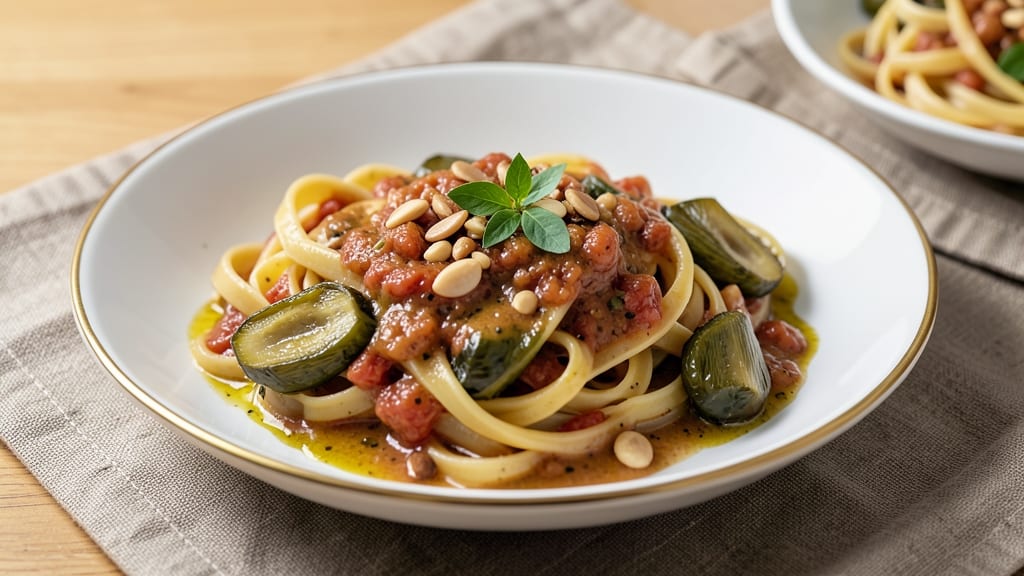
Trader Joe’s artichoke pasta sauce delivers that perfect balance of creamy tomato richness and bright, herby artichoke flavor—now you can recreate it at home with this velvet-smooth recipe.
The secret lies in simmering canned artichoke hearts with crushed tomatoes, garlic, and a touch of cream, creating a sauce that’s restaurant-quality but simple to make. Unlike jarred versions, this fresh preparation delivers deeper flavor and a texture that clings beautifully to pasta.
What sets this sauce apart is the way artichoke hearts infuse the tomato base with their natural brightness, while a splash of heavy cream adds luxurious body without overwhelming the dish.
I’ve tested this recipe countless times to perfect the balance—no bitterness, just that familiar Trader Joe’s harmony of tangy, herby, and creamy notes. The best part? It comes together in under 30 minutes, making it ideal for weeknight dinners.
Pair this sauce with al dente pasta of your choice—spaghetti, penne, or even gluten-free options—and finish with a sprinkle of fresh basil or a drizzle of olive oil for extra brightness.
The result is a complete vegetarian meal that feels indulgent yet effortless, with the same satisfying depth you’d expect from the store. Ready to elevate your pasta nights?
For extra richness, stir in a handful of grated Parmesan at the end, or serve alongside garlic bread and a simple arugula salad for a full Italian-inspired spread.
The sauce keeps well in the fridge for up to 5 days, so you can make a big batch and enjoy it all week. Let’s get cooking!
Ingredients for artichoke pasta sauce trader joe's
Velvet-smooth artichoke pasta sauce comes together with these bright, herby ingredients for a Trader Joe’s-worthy dish.
| Ingredient | Amount | Notes |
|---|---|---|
| Canned Artichoke Hearts 🍃 | 14 oz | Drained, quartered artichoke hearts |
| Crushed Tomatoes 🍅 | 28 oz | High-quality canned tomatoes |
| Heavy Cream 🥛 | ½ cup | Full-fat for rich texture |
| Extra-Virgin Olive Oil 🫒 | 2 tbsp | For sautéing garlic |
| Garlic Cloves 🧄 | 4 cloves | Minced for aromatic depth |
| Vegetable Broth 💧 | 1 cup | Low-sodium preferred |
| Fresh Basil Leaves 🌿 | ¼ cup | Chopped for fresh aroma |
| Dried Oregano 🍃 | 1 tsp | Italian blend preferred |
| Red Pepper Flakes 🌶️ | ½ tsp | Optional for heat |
| Salt 🧂 | 1 tsp | Diamond Crystal kosher |
| Black Pepper 🌶️ | ½ tsp | Freshly ground |
| Parmesan Cheese 🧀 | ½ cup | Freshly grated, optional |
| Al Dente Pasta 🍝 | 12 oz | Spaghetti or penne preferred |
The artichoke hearts are the star—Trader Joe’s brand is ideal for its tender texture and mild sweetness. Look for cans with no added preservatives, and always drain them well before chopping. Fresh garlic matters here; roasted garlic adds depth, but minced raw works too. For the tomatoes, San Marzano canned delivers the best flavor without bitterness. I keep a stash in my pantry because they’re worth the investment. The heavy cream is non-negotiable for that luxurious body, but if you’re watching calories, a splash of coconut milk works surprisingly well.
No artichoke hearts? Sun-dried tomatoes add a similar umami punch, though the texture will differ. Fresh basil is ideal, but dried oregano at half the amount gets you close in a pinch. The crushed tomatoes can be substituted with tomato passata for a smoother texture. Want extra richness? Stir in a tablespoon of vegan butter at the end. For heat lovers, swap red pepper flakes for calabrian chili paste—it’s a game-changer. The Parmesan is optional but adds that final restaurant-quality touch; nutritional yeast makes a great vegan alternative.
This sauce reheats beautifully—just warm gently on the stove with a splash of water to loosen it up. It keeps for 5 days in the fridge, sealed tightly to preserve that creamy texture. For longer storage, freeze in ice cube trays and thaw as needed. The pasta? Cook it al dente—this sauce clings perfectly to firm strands. Double the batch; it’s perfect for meal prep and tastes even better the next day as flavors meld.
Why You'll Love This Recipe
- Pantry Powerhouse: I swear by this sauce because it’s built on ingredients I already have—no last-minute grocery runs. That jar of artichokes from last month? The canned tomatoes gathering dust? They all get a second life here, with just garlic and cream to tie it together.
- Creamy Crunch Magic: The artichokes add that satisfying bite, while the heavy cream smooths it all out—like a hug in sauce form. Honestly, the first time I tasted it, I immediately texted my friend to ask if she’d ever tried this combo. (She hasn’t. Yet.)
- Weeknight to Date Night: It’s the kind of sauce that works for both: toss it with spaghetti for a quick dinner, or drizzle it over grilled chicken for something fancier. My husband actually called it “impressive” once. I took a photo of his plate.
- Leftovers That Don’t Suck: This sauce tastes even better the next day—if there’s any left. I’ve reheated it for lunches, frozen portions for lazy nights, and even used it to top pizza crusts. (Yes, even on a Tuesday night.)
Step-by-step instructions for artichoke pasta sauce
This velvety sauce combines bright artichoke hearts with rich tomato depth—simple steps for restaurant-quality results.
Sauté Garlic Until Fragrant
Heat the 2 tablespoons extra-virgin olive oil in a large skillet over medium heat. Add the 4 minced garlic cloves and cook for 30 seconds until you can smell that sweet, pungent aroma—this is when garlic releases its full flavor without burning. Watch closely; garlic turns bitter fast.
Here's the thing—if your garlic starts to sizzle too aggressively, reduce the heat immediately. You want golden, not brown. Once the garlic is fragrant but not colored, it's ready for the next step. This aromatic base will carry through your entire sauce, so don't rush it.
Build the Tomato-Artichoke Foundation
Add the 28 ounces crushed tomatoes and 1 teaspoon dried oregano to the skillet. Stir well to combine, then bring to a gentle simmer over medium-low heat. Let it cook uncovered for 10 minutes, stirring occasionally, until the mixture thickens slightly and the raw tomato taste softens.
Now add the 14 ounces drained, quartered artichoke hearts and 1 cup vegetable broth. Stir everything together and let it simmer for another 5 minutes, until the artichokes are heated through and the sauce begins to develop depth. The artichokes should be tender but still hold their shape—overcooking turns them mushy.
Create the Creamy Texture
Reduce the heat to low and gently stir in the 0.5 cup heavy cream. This is where the sauce transforms from rustic to luxurious. Let it simmer for 3-4 minutes, stirring occasionally, until the cream is fully incorporated and the sauce reaches a velvety consistency. You're looking for a smooth, glossy finish—not grainy or separated.
Season with 1 teaspoon salt, 0.5 teaspoon black pepper, and 0.5 teaspoon red pepper flakes (if using). Taste and adjust—this is your chance to balance the acidity of the tomatoes with the richness of the cream. The artichokes should add a subtle briny brightness that cuts through the richness.
Finish with Fresh Herbs and Parmesan
Remove the skillet from heat and stir in the 0.25 cup chopped fresh basil leaves. The basil will add a vibrant finish and brighten the entire sauce. Let it steep for 1 minute to infuse the flavors, then stir in the 0.5 cup freshly grated Parmesan cheese until fully melted and creamy.
Here's a pro tip: If the sauce feels too thick after adding the Parmesan, thin it with 1-2 tablespoons of pasta water (reserve some when cooking the pasta). The sauce should coat the back of a spoon but still be pourable—this ensures it clings beautifully to every strand of pasta.
Toss with Perfectly Cooked Pasta
While the sauce simmers, cook the 12 ounces al dente pasta in salted boiling water until 1 minute before it reaches al dente (it'll finish cooking in the sauce). Reserve 1 cup of pasta water, then drain the pasta.
Transfer the pasta to the skillet with the sauce and toss vigorously for 1-2 minutes until fully coated. If needed, add reserved pasta water 1 tablespoon at a time to achieve the perfect consistency—silky, clinging, and luxurious. Serve immediately with extra Parmesan and fresh basil on top for that final touch of elegance.
Pro Tips For Making Artichoke Pasta Sauce Trader Joe'S
- CHOP GARLIC SMALL: I learned this the hard way—mincing garlic too finely burns before it cooks. For this sauce, leave it in 1/8-inch chunks so it softens without turning bitter. (Yes, even if you’re impatient like me.)
- DRAIN ARTICHOKE HEARTS WELL: The canned hearts come packed in water or oil, and that extra liquid thins out your sauce. Drain them, then blot with a paper towel to remove any lingering moisture—your cream will thank you.
- SIMMER CREAM LOW AND SLOW: Heavy cream burns faster than you think. After adding it to the tomatoes and artichokes, reduce heat to a bare simmer and stir constantly for at least 5 minutes. Skipping this step turns your sauce into scrambled eggs.
- SALT THE CREAM FIRST: Season the heavy cream with a pinch of salt before mixing it into the sauce. It balances the acidity of the tomatoes and lets the artichoke flavor shine—no need to over-salt later. (Your future self will notice the difference.)
Common mistakes when making this recipe
Overcooking Artichokes
Artichoke hearts turn mushy when overcooked, ruining the sauce’s texture. Simmer them for only 5 minutes after adding to the tomatoes—any longer and they’ll break down into an unappetizing paste. I’ve learned this the hard way: once you see them soften slightly, remove them from heat immediately. 🍃
Skipping the Cream
Heavy cream is what elevates this sauce from ordinary to luxurious. If you omit it, the sauce will taste flat and lack that velvety body. For a lighter option, use ½ cup coconut milk, but expect a slightly different texture.
The cream also balances the acidity of the tomatoes beautifully—don’t skip it unless you’re strictly avoiding dairy.
Ignoring Pasta Water
Never toss pasta with sauce without reserved pasta water—it’s the secret to a silky finish. The starch in the water helps the sauce cling to the noodles. I always reserve 1 cup and add it 1 tablespoon at a time until the sauce reaches a perfect consistency.
Skipping this step results in dry, clumpy pasta. ⚡
Using Low-Quality Tomatoes
Cheap canned tomatoes add bitterness and thin out the sauce. Invest in San Marzano tomatoes for their natural sweetness and thick texture. If you must use store-brand, opt for crushed tomatoes labeled “no salt added” and simmer them longer to reduce excess liquid.
The difference in flavor is night and day.
Over-Salting Early
Salt the sauce gradually—adding all 1 teaspoon at once can make it taste bland as it cooks down. Instead, taste as you go and adjust in ¼ teaspoon increments.
The artichokes and tomatoes already contain salt, so patience here prevents over-seasoning. I often hold back on salt until the very end to ensure perfect balance.
Burning the Garlic
Garlic burns faster than you think, turning bitter and ruining the sauce’s foundation. Sauté it over medium heat for just 30 seconds until fragrant but still pale. If it starts to brown, reduce the heat immediately. The aroma is your cue—once it smells sweet and pungent, it’s ready. 🧄
Nutrition facts
Frequently asked questions
Can I make this sauce without heavy cream?
Yes, but the texture will be lighter. Use ½ cup coconut milk instead for a dairy-free option, though the sauce will be slightly thinner. For a richer alternative, try ½ cup Greek yogurt or ¼ cup vegan butter blended in at the end. The cream is key for that Trader Joe's signature velvety finish, but these swaps work in a pinch.
What's the best pasta shape for this sauce?
Short tubes like penne or rigatoni work best—they trap the creamy sauce beautifully. For long strands, spaghetti or linguine are ideal, while farfalle or fettuccine add visual appeal. Gluten-free pasta works too, but cook it 1 minute less than package instructions since it finishes cooking in the sauce.
How do I store leftovers?
Let the sauce cool completely, then store it in an airtight container in the fridge for up to 5 days. For longer storage, freeze portions in ice cube trays—thaw in the fridge overnight. Reheat gently on the stove with a splash of water or pasta water to restore creaminess. Never microwave directly from frozen to avoid separation.
Can I use fresh artichokes instead of canned?
Fresh artichokes require 30 minutes of prep (removing thorns, trimming) and cooking, but they add incredible depth. Use 2 medium artichokes (about 14 oz trimmed), steamed until tender, then chopped. The flavor is more complex, but the texture will be firmer. For convenience, stick with canned hearts—they're pre-cooked and ready to use.
Why does my sauce look grainy?
Graininess usually means the cream hasn't fully incorporated or the sauce needs thinning. Whisk the sauce vigorously over low heat for 2-3 minutes to emulsify. If still grainy, stir in 1-2 tablespoons of pasta water to smooth it out. Avoid high heat—it can cause the cream to curdle. The sauce should be silky, not lumpy.