
Sauces & Condiments
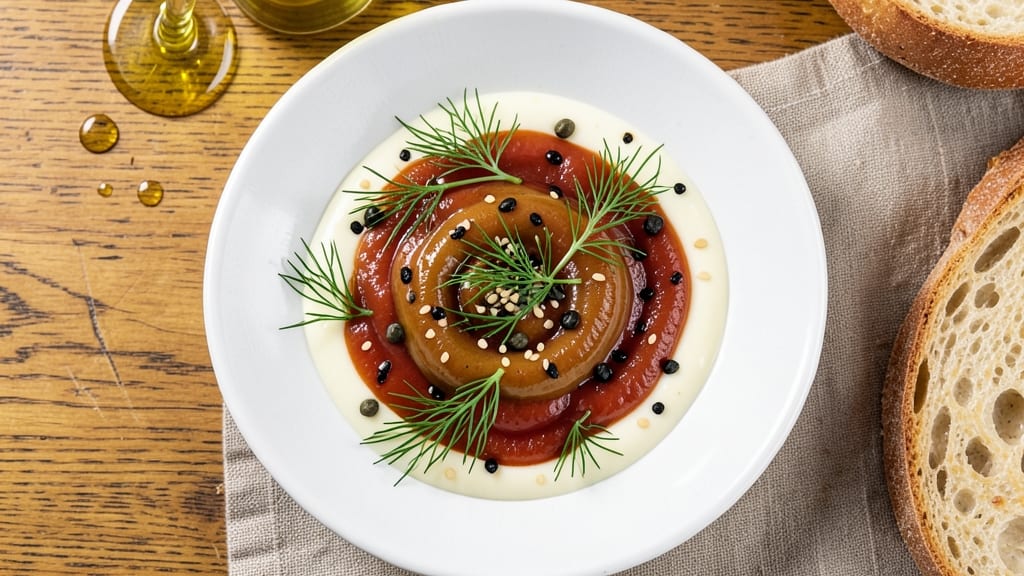
This army navy sauce recipe transforms simple pantry staples into a tangy, briny condiment that elevates everything from sandwiches to seafood. The secret lies in balancing sweet ketchup with sharp vinegar and capers, creating a bold sauce with just the right crunch.
I developed this version after years of testing—it’s the one that finally delivers that perfect harmony of flavors without overpowering the dish.
The magic happens in the combination of ingredients: mayonnaise for creaminess, capers for salty bite, and fresh dill for brightness. Unlike traditional recipes that rely on mustard, this version skips it entirely, letting the capers and vinegar take center stage.
The sauce is versatile enough for classic uses like sandwiches and deviled eggs but bold enough to stand up to grilled meats and seafood.
What makes this recipe stand out is its foolproof balance—no guesswork, just precise measurements that guarantee a tangy, slightly sweet, and briny flavor profile every time. The capers add texture, while the dill keeps it fresh and vibrant. Once you taste the difference, you’ll never go back to store-bought.
Ready in just 10 minutes, this sauce keeps well in the fridge for up to a week, making it perfect for meal prep. Whether you’re dressing up a classic Reuben or drizzling it over grilled fish, this army navy sauce will become your go-to condiment. Let’s make it!
Ingredients for army navy sauce
Nine simple ingredients blend into a tangy, briny condiment perfect for sandwiches and seafood dishes.
| Ingredient | Amount | Notes |
|---|---|---|
| Mayonnaise 🥛 | 1 cup | High-quality, full-fat preferred |
| Ketchup 🍅 | ½ cup | Heinz or similar brand |
| White Vinegar 💧 | ¼ cup | Distilled or apple cider |
| Capers 🫒 | ¼ cup | Packed in brine, rinsed well |
| Fresh Dill 🌿 | ¼ cup | Finely chopped, stems removed |
| Dijon Mustard 🌶️ | 1 tbsp | Mild or medium heat preferred |
| Worcestershire Sauce 🍶 | 1 tbsp | Vegetarian-friendly version |
| Granulated Sugar 🍚 | 1 tbsp | White or light brown |
| Salt 🧂 | ½ tsp | Kosher or sea salt |
| Black Pepper 🌶️ | ¼ tsp | Freshly ground preferred |
The mayonnaise is the base, so Hellmann's or Duke's are my go-tos—they're creamy and reliable. Capers are non-negotiable for that signature briny crunch, so grab them from the canned goods aisle at Whole Foods or Trader Joe's. Look for capers packed in brine, not salt—rinse them well before using. Fresh dill is ideal, but if you're using dried, reduce to one-third the amount. The ketchup should be classic, like Heinz, not the fancy artisanal stuff—this isn't a gourmet sauce, it's a bold condiment. For the vinegar, distilled white is sharper and works better than apple cider here.
No capers? Pickle juice at half the amount gets you close, though the texture won't be the same. Skip the mustard entirely if you're sensitive to its sharpness—just increase the Worcestershire slightly. The sugar balances the acidity, so brown sugar adds a subtle caramel note if you're feeling fancy. Worcestershire sauce can vary in strength, so taste as you go. If it's too tangy, add a pinch more sugar. The sauce thickens as it sits, so if it's too thin right after mixing, let it rest 10 minutes before adjusting. For a smoother texture, pulse the capers in a food processor before adding.
This sauce keeps beautifully in the fridge for up to 1 week, though it tastes best within 3-4 days. Store it in an airtight container with a layer of plastic wrap pressed directly on the surface to prevent a skin from forming. If you make a big batch, freeze half in ice cube trays—perfect for single-use portions. The flavors deepen over time, so leftovers often taste even better. For extra crunch, sprinkle fresh dill on top before serving. Pairs perfectly with Reuben sandwiches, grilled salmon, or deviled eggs—trust me, it's a game-changer.
Why You'll Love This Recipe
- Five-Ingredient Magic: I swear by this—just mayo, ketchup, vinegar, capers, and dill. That’s it. No measuring cups, no fancy tools, no stress. The capers add a briny punch, and the dill brightens it up instantly.
- Tangy-Creamy Balance: The vinegar cuts through the richness of the mayo while the ketchup keeps it sweet. Honestly, that first bite—smooth, slightly sharp, with a little bite from the capers—is ridiculously good. It’s the kind of sauce that makes you want to eat it straight from the spoon.
- Game for Any Meal: Slather it on hot dogs at a picnic, toss it with tuna salad for lunch, or drizzle it over roasted potatoes. I’ve even used it as a dip for veggies when I’m craving something tangy. It’s my go-to for anything that needs a little extra oomph.
- Lasts All Week: Between us, I make a big batch and keep it in the fridge. It doesn’t spoil, doesn’t separate, and honestly? I forget it’s there until I need it. Perfect for when you’re prepping meals ahead or just too tired to cook from scratch.
Step-by-step instructions for army navy sauce
Here's how to blend this briny, herby condiment that brings bold flavor to everything from sandwiches to seafood.
Whisk Together the Base Ingredients
In a medium bowl, combine the 1 cup mayonnaise, 0.5 cup ketchup, and 0.25 cup white vinegar. Use a whisk or fork to blend until smooth—this ensures the vinegar integrates fully without breaking the mayo's emulsion. I like to do this in stages, starting with the mayo and ketchup first, then gradually incorporating the vinegar to prevent any separation.
The vinegar's acidity will cut through the richness of the mayo, creating that signature tangy backbone. If you notice any streaks of vinegar after mixing, add another teaspoon of mayo and whisk again until fully combined. This step sets the foundation for the sauce's balance between creamy and sharp.
Add the Briny and Sweet Components
Next, stir in the 0.25 cup rinsed capers, 1 tbsp Dijon mustard, 1 tbsp Worcestershire sauce, and 1 tbsp granulated sugar. The capers should be drained and patted dry first—this prevents excess moisture from making the sauce too thin. I crush about half the capers lightly with the back of a spoon to release their briny essence, while leaving the rest whole for texture.
The Dijon mustard adds depth, while the Worcestershire sauce brings umami complexity. The sugar might seem odd, but it rounds out the acidity and balances the saltiness of the capers. Stir everything together until the sugar dissolves completely and the capers are evenly distributed throughout the mixture.
Incorporate the Fresh Dill and Seasonings
Fold in the 0.25 cup finely chopped fresh dill, 0.5 tsp salt, and 0.25 tsp black pepper using a rubber spatula. The dill should be added last to preserve its vibrant color and fresh aroma. Give it a gentle stir to avoid bruising the leaves—you want those bright green flecks visible in the finished sauce.
Taste the mixture at this stage and adjust the seasoning if needed. You might need a pinch more salt to balance the acidity or a touch more sugar to mellow the vinegar. The sauce should be tangy, briny, and slightly sweet with a bright herbal finish. If it's too thick, add 1 teaspoon of water at a time until it reaches a smooth, spoonable consistency.
Let It Rest and Develop Flavor
Transfer the sauce to an airtight container and refrigerate for at least 1 hour before serving. This resting period allows all the flavors to meld together beautifully. The capers will soften slightly, the dill will release more of its aroma, and the acidity will mellow just enough to make the sauce more approachable.
I find that Army Navy sauce tastes even better the next day as the flavors continue to develop. When ready to use, give it a quick stir before serving—this helps redistribute any settled capers or dill. The sauce should be thick enough to cling to food but still spreadable, with a vibrant green hue from the fresh dill and tiny caper specks throughout.
Pro Tips For Making Army Navy Sauce
- CHOP THE DILL FINE: Army navy sauce falls apart if the dill is clumpy—no one wants to bite into a caper-sized herb. Use a sharp knife and rock it back and forth over the bowl like you’re chopping parsley, not just hacking. A microplane works too, but don’t go full julienne unless you’re making garnish.
- STIR IN THE VINEGAR LAST: I learned this the hard way—adding white vinegar early curdles the mayo faster than you can say "sauce disaster." Mix everything except the vinegar first, then drizzle it in while stirring constantly. If it looks like it’s fighting you, add a splash of cold water to reset the emulsion.
- DRAIN THE CAPERS WELL: Briny capers packed in liquid? That’s just extra water waiting to dilute your sauce. Rinse them in a fine-mesh strainer, then pat them very dry with a paper towel. Wet capers = watery sauce. Dry capers = flavor that actually sings.
- USE COLD MAYO, NOT ROOM TEMP: Cold mayo emulsifies better and won’t turn greasy or split when you mix in the vinegar. Scoop straight from the fridge, let it sit out for just 5 minutes to soften slightly (yes, even if you’re impatient like me), then get mixing. Room-temp mayo is a shortcut that backfires.
Essential equipment for army navy sauce
Essential Mixing Tools
You don't need fancy equipment—just a medium mixing bowl (I use Pyrex for its non-reactive surface) and a whisk or rubber spatula. The whisk ensures smooth integration of the vinegar, while the spatula helps fold in the fresh dill without crushing it.
A small measuring cup for liquids and a fine-mesh strainer (if you prefer smoother capers) complete the basics. 🥄
Must-Have Ingredient Prep Tools
A microplane or sharp chef's knife is key for finely chopping fresh dill—this preserves its vibrant color and aroma. For capers, grab a small bowl and paper towels to drain and pat them dry thoroughly.
I also keep a small food processor handy for crushing half the capers lightly if I want extra briny flavor without sacrificing texture. A measuring spoon set ensures precise amounts of sugar, salt, and pepper.
Storage Containers
Store your sauce in an airtight glass container (like a mason jar) to maintain freshness. I recommend a quart-sized jar for batch prep, with a plastic wrap barrier pressed directly onto the surface to prevent a skin from forming.
For single servings, small glass jars or silicone ice cube trays work perfectly—just pop them into the freezer for easy portion control. 🧊
Optional Pro Upgrades
For a smoother texture, a mini food processor or immersion blender lets you blend the sauce briefly (about 10 seconds) while keeping some caper texture. A digital scale ensures precise measurements of ingredients like sugar or salt if you're perfecting the balance.
I also keep a small funnel on hand for transferring sauce into containers without spills. These tools aren't essential, but they make the process even easier.
Cleanup Essentials
Keep a small bowl of warm water and dish soap nearby for quick cleanup—Army Navy sauce clings to utensils! A microfiber cloth wipes down counters effortlessly, while a basin catches any drips.
I also store a small bottle of lemon juice to neutralize any lingering vinegar smells on my hands or tools. A basin with soapy water helps rinse capers efficiently before adding them to the sauce. 🧼
Nutrition facts
Frequently asked questions
Why does this recipe use capers instead of mustard?
Capers bring that signature briny crunch that traditional Army Navy sauce is known for, while reducing the need for mustard. The recipe balances the tangy vinegar with capers' saltiness, creating a more complex flavor without overpowering the dish. Plus, capers add delightful texture that mustard alone can't match!
Can I make this sauce without fresh dill?
Yes! If you don't have fresh dill, use 1 tablespoon dried dill instead, but reduce it to one-third the amount. For extra flavor, add 1 teaspoon dried tarragon or ½ teaspoon dried parsley to mimic the herbal brightness. The sauce will still taste great, though fresh dill gives that signature vibrant aroma.
How do I fix Army Navy sauce that's too thick?
If your sauce is too thick, stir in 1 teaspoon of water or vinegar at a time until it reaches a smooth, spreadable consistency. For a smoother texture, you can also blend it briefly in a food processor (about 10 seconds) while keeping some caper texture. Let it rest for 10 minutes before tasting again—the sauce often thins slightly as it sits.
What are the best dishes to serve with this sauce?
This bold sauce shines on Reuben sandwiches, grilled salmon, deviled eggs, and fish and chips. It also elevates steak tartare, potato salad, or even as a dip for pita chips. The briny, tangy flavor cuts through rich foods beautifully, making it a versatile condiment for any meal.
Can I make Army Navy sauce without mayonnaise?
Yes! For a lighter version, replace the mayo with ½ cup plain Greek yogurt or ¼ cup sour cream. If you prefer a vegan option, use ¼ cup vegan mayo or 2 tablespoons cashew cream. The texture will be slightly thinner, but the tangy, briny flavors will still shine. Adjust the vinegar and sugar slightly to balance the new base.