
Sauces & Condiments
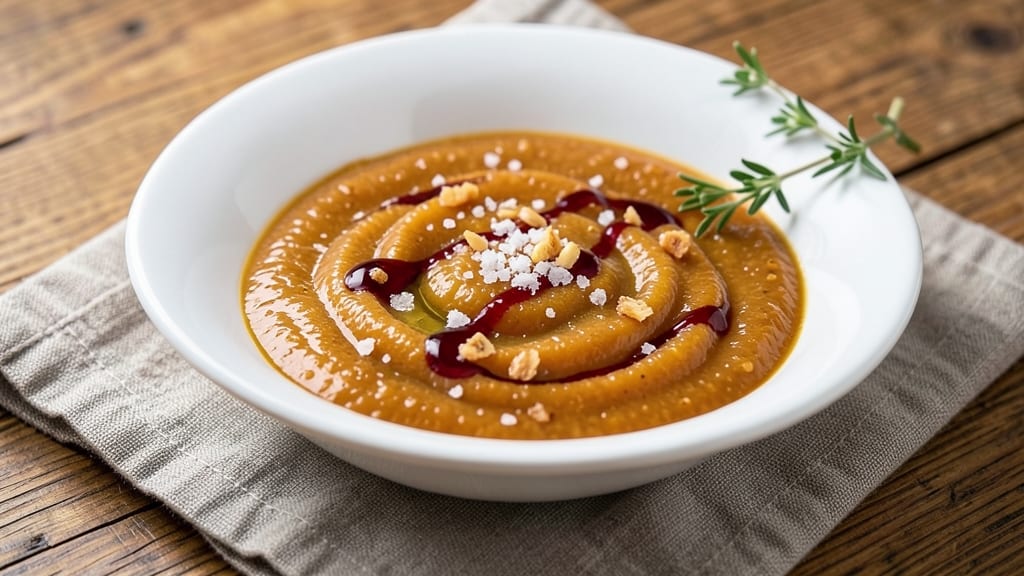
This apricot shallot sauce recipe transforms ordinary grilled meats into a showstopper with its perfect balance of sweet, tangy, and savory flavors. 💛 The secret lies in simmering shallots until golden, then blending them with apricot purée and a touch of vinegar for depth. This sauce elevates everything from pork chops to chicken, adding a sophisticated touch without overpowering the main dish.
The beauty of this recipe is its versatility—it works as a glaze, dipping sauce, or even a dessert companion when paired with cheese or fruit.
With just six simple ingredients and a 20-minute active prep time, you’ll have a restaurant-quality sauce that keeps well in the fridge for up to a week or freezes beautifully for later use.
What makes this sauce stand out is the caramelized shallots, which add a rich, nutty base that complements the fruit’s natural sweetness. The vinegar and sugar work together to create a harmonious balance, ensuring every bite is vibrant and well-rounded.
Whether you’re grilling for a summer dinner or prepping for a holiday feast, this sauce is a game-changer.
Once you taste the way it clings to seared meats or brightens up a cheese board, you’ll want to make it again and again. The best part? It’s easy to double or halve the recipe, so you can always have it on hand for spontaneous meals. Let’s get started!
Ingredients for apricot shallot sauce
Six simple ingredients transform grilled meats into a restaurant-worthy dish.
| Ingredient | Amount | Notes |
|---|---|---|
| Shallots 🧅 | 1 ½ cups | Thinly sliced, caramelized until golden |
| Apricot Purée 🍑 | 1 cup | Unsweetened, smooth texture |
| Red Wine Vinegar 💧 | ¼ cup | Balsamic works too for depth |
| Granulated Sugar 🍚 | ¼ cup | Light brown sugar for caramel notes |
| Extra-Virgin Olive Oil 🫒 | ½ cup | High-quality for richness |
| Salt 🧂 | 1 tsp | Kosher or sea salt preferred |
| Fresh Thyme Leaves 🌿 | 1 tbsp | Or 1 tsp dried thyme |
| Water 💧 | ½ cup | For thinning if needed |
Shallots are the star here—look for firm, dry ones at the grocery store, not the soft, sprouting kind. Whole Foods or Trader Joe's usually have the best selection. Slice them paper-thin for even caramelization. Apricot purée? Mott's or Bonne Maman are my go-tos—they're smooth and unsweetened. If you can't find unsweetened, just reduce the sugar slightly. The vinegar matters too; red wine vinegar gives that bright tang, but balsamic adds a deeper, sweeter note if you prefer it.
No apricot purée? Purée fresh apricots with a splash of water—just toss them in boiling water for 10 minutes, then blend. Short on vinegar? Lemon juice works in a pinch, but it'll be more acidic. The thyme can be swapped for rosemary if you're feeling fancy, though I usually stick with thyme for that classic balance. Sugar substitutes? Maple syrup at half the amount works, but it'll make the sauce darker. And if your sauce is too thick, just add a splash of water—it thins out beautifully.
This sauce keeps for 1 week in the fridge—just store it in a sealed jar. For longer storage, freeze it in ice cube trays and pop out what you need. It reheats perfectly—just warm it gently on the stove or microwave for 30 seconds. I always make extra because it's great on grilled chicken, pork chops, or even cheese boards. Trust me, you'll want to have this on hand for all your summer meals.
Why You'll Love This Recipe
- Five-Ingredient Magic: I swear by this recipe because it’s that simple—just shallots, apricot purée, vinegar, sugar, and olive oil. No peeling mountains of garlic or chopping endless herbs; you’ll be done before the pan even heats up.
- Sweet-Savory Balance: The apricot purée brings this sauce to life with a luscious, jammy depth, while the shallots caramelize into something rich and nutty. That tangy vinegar kick? It’s the perfect contrast—like a hug for your taste buds.
- Dresses Up Everything: This sauce is my secret weapon for grilled chicken, roasted veggies, or even a simple cheese board. It’s fancy enough for dinner parties but unfussy enough for a Tuesday night. (Yes, even on a Tuesday night.)
- Makes Leftovers Shine: Double the batch and store it in the fridge—it keeps for days without losing a drop of flavor. Drizzle it over yogurt, mix it into marinades, or toss it with grains. Waste not, want not.
Step-by-step instructions for apricot shallot sauce
This sauce delivers perfect sweet-tangy balance every time—here's how to make it shine.
🍳 Step 1: Caramelize the Shallots Slowly
Heat the 0.5 cup extra-virgin olive oil in a medium saucepan over medium-low heat. Add the 1.5 cups sliced shallots and cook them gently, stirring occasionally, for 15-20 minutes until they're deep golden brown and softened. You want them to caramelize—not burn—so keep the heat low and resist the urge to rush.
Here's the thing—low heat is key. If you crank it up, the shallots will darken too quickly and turn bitter. You'll know they're ready when they smell intensely sweet and the edges are crispy. This caramelization builds the sauce's rich foundation.
🍳 Step 2: Add Vinegar and Sugar for Balance
Once the shallots are caramelized, increase heat to medium and stir in the 0.25 cup red wine vinegar and 0.25 cup granulated sugar. Let the mixture bubble gently for 3-4 minutes until the sugar dissolves completely. You'll see the sauce start to thicken slightly and develop a glossy sheen.
This is where the magic happens—the vinegar cuts through the sweetness while the sugar enhances the caramel notes. Stir constantly to prevent scorching. If you notice any bits sticking to the bottom, add a splash of 0.5 cup water to deglaze and keep everything smooth.
🍳 Step 3: Incorporate Apricot Purée and Thyme
Reduce heat to low and gradually whisk in the 1 cup apricot purée until fully combined. Add the 1 tbsp fresh thyme leaves and 1 tsp salt, stirring well. Let the sauce simmer gently for 5-7 minutes until it thickens to your desired consistency—it should coat the back of a spoon but still be pourable.
Taste and adjust seasoning if needed. I usually add a pinch more salt or a splash of vinegar to balance the sweetness. The sauce should have a vibrant, fruity aroma with a hint of herbal thyme. If it's too thick, thin with the remaining 0.5 cup water one tablespoon at a time.
⏰ Step 4: Finish and Strain for Smoothness
Remove the sauce from heat and let it cool slightly for 2 minutes. Then strain it through a fine-mesh sieve to remove any thyme stems or shallot bits, pressing gently with a spoon to extract all the flavor. Return the smooth sauce to the pan and keep it warm over low heat until ready to serve.
This final step ensures a silky texture perfect for drizzling over grilled meats. The sauce should be vibrant orange with a glossy finish. If you're not using it immediately, transfer to a clean jar and store in the refrigerator for up to 1 week. Reheat gently before serving to maintain its perfect balance.
Pro Tips For Making Apricot Shallot Sauce
- Sweat Shallots Slow: Low heat is your friend here—shallots burn faster than you’d think. Walk away for 8-10 minutes, stirring only when you remember, until they’re golden and translucent, not crispy. That bitterness? Gone. Flavor? Deepened.
- Use Cold Purée: Dollop that apricot purée into the pan after the shallots have sweated, not before. Cold purée tempers the heat and prevents curdling—no one wants a lumpy sauce. Stir it in quickly and keep the pan moving.
- Balance Vinegar Last: Add the red wine vinegar after everything else is simmering, not at the start. It cuts through the sweetness, but too early and it’ll cook off, leaving your sauce flat. Taste as you go—you’re aiming for bright, not sour.
- Strain for Smoothness: If you’re serving this over fish or chicken, strain out the shallot bits through a fine-mesh sieve. I know, it’s extra work, but those tiny pieces add up. The result? A silky sauce that coats every bite—no chewing required.
Pro cooking tips for perfect results
Caramelization Control
Low and slow is the golden rule for caramelizing shallots—never rush this step. Use a medium-low heat setting and stir frequently with a wooden spoon to prevent burning. The shallots should take 15-20 minutes to turn deep golden brown.
I like to use a heavy-bottomed saucepan like All-Clad to distribute heat evenly. If your shallots start to darken too quickly, reduce the heat immediately—this is the #1 mistake that ruins the sauce's delicate balance. 🌡️
Deglazing Secrets
After caramelizing, the saucepan will have flavorful browned bits stuck to the bottom. This is where deglazing comes in—add 2-3 tablespoons of water or red wine vinegar to scrape up those bits before adding the rest of the ingredients.
I often use a silicon spatula for this because it's flexible enough to get into all the nooks. These bits add depth to your sauce, so never skip this step!
Sauce Consistency
Thickness is everything with this sauce—it should coat the back of a spoon but still be pourable. If it's too thick, thin with water (start with 1 tablespoon at a time). If it's too thin, simmer uncovered for 2-3 minutes to reduce.
Pro tip: I like to test consistency by dipping a chopstick in the sauce—it should leave a smooth, glossy trail without dripping excessively. 💫
Flavor Adjustments
Taste as you go! After adding the apricot purée, I always adjust with a pinch of salt or a splash of vinegar to balance sweetness. If the sauce tastes too acidic, add ½ teaspoon sugar.
Too sweet? A splash of lemon juice cuts through it beautifully. Remember, you can always fix it on the stove—just don't overcorrect in one go.
Straining Like a Pro
Straining removes unwanted texture but keeps all the flavor. Use a fine-mesh sieve and press gently with a rubber spatula to extract every last drop of sauce. I like to line my sieve with a cheesecloth for extra smoothness.
This step ensures your final sauce is silky and perfect for drizzling over grilled meats or cheese boards. 🧀
Reheating Perfection
Never microwave this sauce—it ruins the texture. Instead, reheat gently on the stovetop over low heat for 2-3 minutes, stirring constantly. If it thickens too much, add 1 teaspoon water at a time.
For extra shine, finish with a drizzle of extra-virgin olive oil just before serving. This keeps the sauce vibrant and restaurant-quality every time. 🔥
Nutrition facts
Frequently asked questions
Can I substitute shallots with regular onions?
You can try, but the flavor won't be the same! Shallots are milder and sweeter than onions, which gives this sauce its delicate balance. If you must substitute, use 1 cup finely diced yellow onion and increase the sugar by 1 teaspoon to compensate for the stronger taste. For best results, stick with shallots—they caramelize beautifully and add a unique depth.
How can I make this sauce without apricot purée?
No problem! Use 1 cup fresh apricot purée made from peeled, pitted apricots simmered in 2 tablespoons water for 10 minutes and blended smooth. Alternatively, try ½ cup apricot jam (unsweetened if possible) thinned with 2 tablespoons water. The texture will be slightly thicker, but it'll still taste amazing.
What's the best way to store leftover sauce?
Store in an airtight container in the fridge for up to 1 week. For longer storage, freeze in ice cube trays—just thaw overnight in the fridge before reheating. When reheating, warm gently on low heat for 2-3 minutes, stirring constantly. Avoid microwaving to preserve the sauce's silky texture.
Can I use this sauce for desserts?
This sauce pairs beautifully with fruit-based desserts like vanilla ice cream, cheesecake, or grilled peaches. For a dessert version, reduce the vinegar to 2 tablespoons and add ½ teaspoon cinnamon for warmth. Drizzle over warm baked apples or use as a glaze for caramelized pears. The sweet-tangy balance works wonders in both savory and sweet dishes!
Why did my sauce turn out too thick?
This usually happens if you simmered it too long or didn't add enough water during cooking. To fix it, stir in 1 tablespoon water at a time while reheating on low heat. For future batches, reduce the simmer time by 2-3 minutes or add 2 tablespoons water when combining the apricot purée. The sauce should coat the back of a spoon but still be pourable.