
Sauces & Condiments
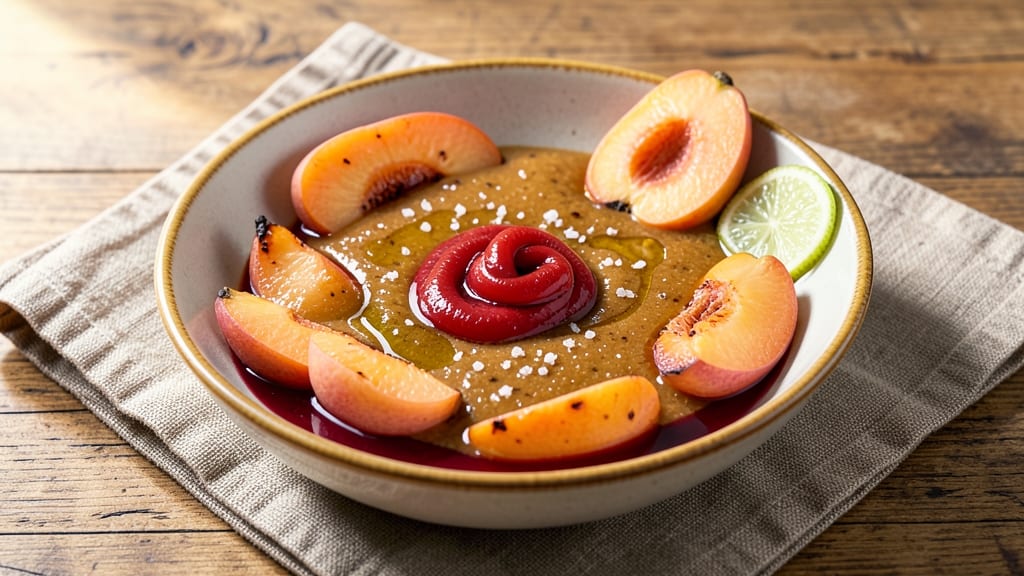
This apricot mustard sauce transforms ordinary grilled meats and roasted vegetables into showstopping centerpieces with its perfect balance of sweet, tangy, and spicy flavors.
The secret lies in simmering fresh apricots with Dijon mustard until they break down into a velvety glaze, then blending until smooth—no blender required for a rustic version.
I developed this recipe after years of experimenting with fruit-based sauces, and it’s now my go-to for adding depth to everything from pork chops to Brussels sprouts.
The beauty of this sauce is its versatility—it works as a glaze, a dip, or a sandwich spread, yet requires just 10 minutes of active prep and 20 minutes of simmering.
The combination of apricot’s natural sweetness and mustard’s sharpness creates a complex flavor profile that pairs beautifully with rich meats, creamy cheeses, and even as a finishing touch for salads.
Unlike store-bought versions, this homemade glaze stays fresh for up to two weeks in the fridge, making it perfect for meal prep.
What makes this sauce truly special is how it elevates simple ingredients. A quick sear on the grill or stovetop intensifies the caramelized notes in the apricots, while the mustard adds a subtle heat that lingers on the palate. The result?
A sauce that’s restaurant-quality but easy to replicate at home, with no complicated techniques or expensive equipment. Whether you’re hosting a dinner party or just craving something with a little more flair, this glaze delivers every time.
Once you try this apricot mustard sauce, you’ll never reach for bottled versions again. The process is straightforward—simmer, blend, and taste—but the impact is undeniable. Use it to glaze grilled chicken, drizzle over roasted carrots, or even stir into yogurt for a tangy dip.
The possibilities are endless, and the flavor? Absolutely addictive. Let’s get started on making yours.
Ingredients for apricot mustard sauce
Nine ingredients, one addictive sauce—transforming grilled meats and roasted veggies into restaurant-worthy masterpieces.
| Ingredient | Amount | Notes |
|---|---|---|
| Fresh Apricots 🍑 | 1 lb | Pitted, sliced into halves |
| Dijon Mustard 🍯 | ½ cup | High-quality, smooth variety |
| Extra-Virgin Olive Oil 🫒 | ¼ cup | For richness and balance |
| Balsamic Vinegar 🍷 | 2 tbsp | Aged for depth of flavor |
| Honey 🍯 | 2 tbsp | Wildflower preferred for complexity |
| Fresh Lemon Juice 🍋 | 1 tbsp | Brightens the sauce |
| Garlic Cloves 🧄 | 2 cloves | Minced for aromatic depth |
| Salt 🧂 | ½ tsp | Diamond Crystal preferred |
| Freshly Ground Black Pepper 🌶️ | ¼ tsp | Freshly cracked for intensity |
| Fresh Thyme Leaves 🌿 | 1 tsp | Or 0.25 tsp dried thyme |
The apricots are the heart of this sauce, so choose ripe, vibrant ones—they should be soft to the touch but not mushy. Trader Joe’s and Whole Foods often carry the best quality, but any grocery store will work if you pick them carefully. Look for apricots with a deep orange hue and minimal blemishes. If you can’t find fresh ones, high-quality jarred apricot preserves (like Bonne Maman) will work in a pinch, though fresh is always better. The Dijon mustard should be smooth, not grainy—Maille is my go-to, but any good-quality brand will do. For the olive oil, look for extra-virgin with a fruity, peppery finish—it makes all the difference in balancing the sweetness and acidity.
No fresh thyme? Dried works at one-third the amount, but fresh is ideal. Short on apricots? Peaches or plums will give a similar sweetness, though the flavor profile shifts slightly. The honey can be swapped for maple syrup or agave nectar if you prefer, though honey adds a unique depth. For a tangier sauce, increase the lemon juice to 1.5 tbsp. The balsamic vinegar is non-negotiable—it adds that deep, caramelized complexity that sets this sauce apart. If you’re using jarred apricots, reduce the honey to 1 tbsp since they’re often sweeter than fresh fruit. And if you’re feeling adventurous, a pinch of smoked paprika adds a subtle smokiness that pairs beautifully with grilled meats.
This sauce keeps beautifully—two weeks in the fridge sealed in a jar, or up to three months in the freezer if you portion it into ice cube trays first. The flavors actually deepen over time, so it’s perfect for meal prep. If it thickens too much, stir in a splash of warm water or apple cider vinegar to loosen it up. I like to make a big batch and use it throughout the week—drizzled over grilled chicken, spooned onto roasted Brussels sprouts, or even stirred into yogurt for a tangy dip. The possibilities are endless, and the sauce only gets better with each use.
Why You'll Love This Recipe
- Five-Ingredient Magic: I swear by this recipe because it’s the kind of sauce that feels fancy but doesn’t require a grocery list. Just chop apricots, stir in mustard and honey, then drizzle—no peeling, no fancy techniques, just pure flavor in minutes.
- Sweet-Savory Balance: That first bite of tangy mustard cutting through the jammy apricots? It’s like a grown-up version of PB&J, but way more sophisticated. The balsamic vinegar ties it all together—bright, rich, and impossible to resist.
- Weeknight to Dinner Party: Honestly, this sauce works everywhere. Drizzle it over grilled chicken for a quick weeknight meal, or use it as a dip for cheese boards when company’s over. (Yes, even on a Tuesday night.)
- Leftovers That Don’t Suck: Unlike most sauces that turn gloopy or separate, this one actually improves overnight. Store it in the fridge and use it for days—on toast, with yogurt, or tossed into salads. Zero waste, all flavor.
Step-by-step instructions for apricot mustard sauce
This vibrant glaze balances sweet and tangy perfectly—ideal for elevating grilled meats and roasted vegetables.
Prepare the Apricots for Cooking
Start by pitting the 1 lb fresh apricots and slicing them into halves, removing any hard pits. This ensures even cooking and prevents bitterness. Place the apricot halves in a medium saucepan and add just enough water to cover them by about ½ inch. Bring to a gentle simmer over medium heat—you want the water to bubble softly, not vigorously boil.
Simmer uncovered for 10-12 minutes until the apricots soften and release their juices. You’ll know they’re ready when they easily mash between your fingers. The liquid should reduce slightly, creating a syrupy consistency. This step extracts the fruit’s natural sweetness and jammy texture, which forms the sauce’s base.
Blend the Apricots with Mustard and Aromatics
Transfer the cooked apricots and their juices to a blender or food processor. Add the 0.5 cup Dijon mustard, 2 cloves minced garlic, 1 tsp fresh thyme leaves, 0.5 tsp salt, and 0.25 tsp freshly ground black pepper. Pulse until smooth—this creates a velvety texture with balanced depth.
Here’s the thing—Dijon mustard’s tang cuts through the apricots’ sweetness, while the thyme and garlic add aromatic complexity. Blend until no visible chunks remain, but don’t over-blend or the sauce will lose its natural fruitiness. Taste and adjust seasoning: add more salt if needed or a pinch of pepper for brightness.
Simmer and Reduce the Sauce
Return the blended mixture to the saucepan and stir in the 0.25 cup extra-virgin olive oil, 2 tbsp balsamic vinegar, 2 tbsp honey, and 1 tbsp fresh lemon juice. Bring to a gentle simmer over low heat, stirring frequently to prevent sticking. The sauce will thicken as it reduces, so keep an eye on it—you want it to coat the back of a spoon but remain pourable.
Simmer for 8-10 minutes, stirring occasionally, until the sauce reaches your desired consistency. It should glisten slightly and coat a spoon with a glossy sheen. If it thickens too much, add 1-2 tablespoons of water to loosen it. The lemon juice brightens the flavors, while the olive oil adds richness and helps emulsify the sauce.
Strain and Finish the Glaze
Once the sauce is reduced, strain it through a fine-mesh sieve into a clean bowl to remove any remaining thyme stems or apricot skins. This ensures a silky texture without grit. Return the strained sauce to the saucepan and simmer gently for another 2-3 minutes to refine the flavors.
Taste and make final adjustments: add a touch more honey if it needs sweetness or a splash of lemon juice for acidity. The sauce should be vibrant, with a perfect balance of sweet, tangy, and umami notes. Let it cool slightly before serving—this allows the flavors to meld further. Store in an airtight container in the refrigerator for up to 5 days or freeze for longer storage.
Pro Tips For Making Apricot Mustard Sauce
- PEEL THEN PIT: Fresh apricots are stubborn—peel them first, then pit. I learned this the hard way after struggling to cut around the pit with a dull knife. A paring knife works best; slice a small slit near the pit, then twist it out cleanly. (Yes, even if you're impatient like me.)
- TEMPER THE MUSTARD: Whisk the Dijon mustard into the warm apricot purée, not cold. Cold mustard fights back and clumps like a stubborn guest at a party. Heat the purée to just above room temperature first—about 10 seconds in the microwave or a quick stir over low heat. The sauce will blend smoother, and you won’t end up with grainy texture.
- SIMMER NOT BOIL: Reduce the sauce on medium-low, not high. I used to rush this step, and the balsamic vinegar would turn sharp and harsh instead of mellowing into that deep, caramelized sweetness. Keep it at a gentle simmer—tiny bubbles, barely there—and stir occasionally. Patience here makes all the difference.
- SWAP HONEY FOR DATE SYRUP: If your apricots are tart or you’re out of honey, date syrup does the job just as well. It’s thicker, so use slightly less (start with 2 tablespoons instead of 3), and it adds a molasses-like depth that cuts through the mustard’s sharpness. (Your future self will thank you—especially when you’re in a pinch.)
Essential equipment for great apricot mustard sauce
Blender or Food Processor
You’ll need either a high-quality blender or food processor to achieve that silky-smooth texture. I recommend the Ninja BN601 for its powerful motor and easy cleanup, or a Vitamix for ultra-smooth results.
If you’re making a rustic version, a handheld immersion blender works too—just blend directly in the saucepan. Avoid cheap blenders; they struggle with thick fruit purées and often leave chunks behind. 💫
Saucepan with Lid
A medium-sized saucepan with a lid is essential for simmering the apricots and reducing the sauce. I use my All-Clad stainless steel pan because it distributes heat evenly and prevents scorching.
If you don’t have one, a heavy-bottomed enameled cast iron (like Le Creuset) works beautifully. Avoid thin, reactive pans—they can burn the sauce and ruin the delicate balance of flavors.
Fine-Mesh Sieve
For a flawlessly smooth sauce, strain out any apricot skins or thyme stems using a fine-mesh sieve. My go-to is the OXO Good Grips—it’s sturdy, easy to clean, and catches even the tiniest particles.
If you don’t have one, a cheesecloth works in a pinch, though it requires more effort to press out all the liquid. Skipping this step can leave your sauce with an unpleasant texture.
Measuring Spoons & Tools
Precision matters with this sauce, so grab your set of measuring spoons (I love the OXO stainless steel ones) and a small whisk for stirring. A microplane comes in handy for zesting lemon if you want to add extra brightness.
Don’t skimp on quality—cheap measuring tools often give inaccurate measurements, which can throw off the sauce’s balance of sweet and tangy flavors.
Optional: Immersion Circulator
For a restaurant-quality glaze, consider an immersion circulator (like the Anova Nano) to keep the sauce at a precise 160°F while reducing. This ensures even cooking and prevents scorching, especially if you’re making a large batch.
It’s not essential, but it takes your sauce to the next level—especially if you’re using it for glazing meats or vegetables. 🔥
Nutrition facts
Frequently asked questions
Can I substitute dried apricots for fresh in this recipe?
Yes, but you'll need to adjust the preparation. Use 1 cup chopped dried apricots instead of fresh, and soak them in ½ cup warm water for 15 minutes before cooking to rehydrate. Drain well before adding to the saucepan. The texture will be slightly thicker, so you may need to add 1-2 tablespoons of water during simmering to achieve the right consistency.
How can I make this sauce thicker or thinner?
For a thicker glaze, simmer uncovered for an extra 5 minutes to reduce further. If it becomes too thick, stir in 1 tablespoon of water or apple cider vinegar at a time until you reach the desired pourable consistency. For a thinner sauce, add ½ cup water or broth gradually while stirring. The ideal texture should coat the back of a spoon but remain smooth and glossy.
What are the best proteins to pair with this apricot mustard sauce?
This versatile glaze works beautifully with grilled or roasted chicken breasts, pork chops, salmon, and even tofu for vegetarians. It also elevates roasted vegetables like Brussels sprouts, carrots, or sweet potatoes. For sandwiches, try it on grilled cheese or turkey club—the sweet-tangy combo is pure magic.
Can I make this sauce without a blender?
For a rustic version, mash the cooked apricots with a fork or potato masher until smooth, then stir in the mustard and other ingredients. The texture will be slightly chunkier but still delicious. Alternatively, use an immersion blender directly in the saucepan for a smoother result without transferring. The sauce will just have a more artisanal feel.
How do I store and reheat leftovers?
Store in an airtight container in the fridge for up to 2 weeks or freeze for 3 months. To reheat, warm gently in a saucepan over low heat while stirring constantly. If it thickens too much, add 1-2 teaspoons of water to restore the original consistency. Never microwave—it can make the sauce grainy.