
Sauces & Condiments
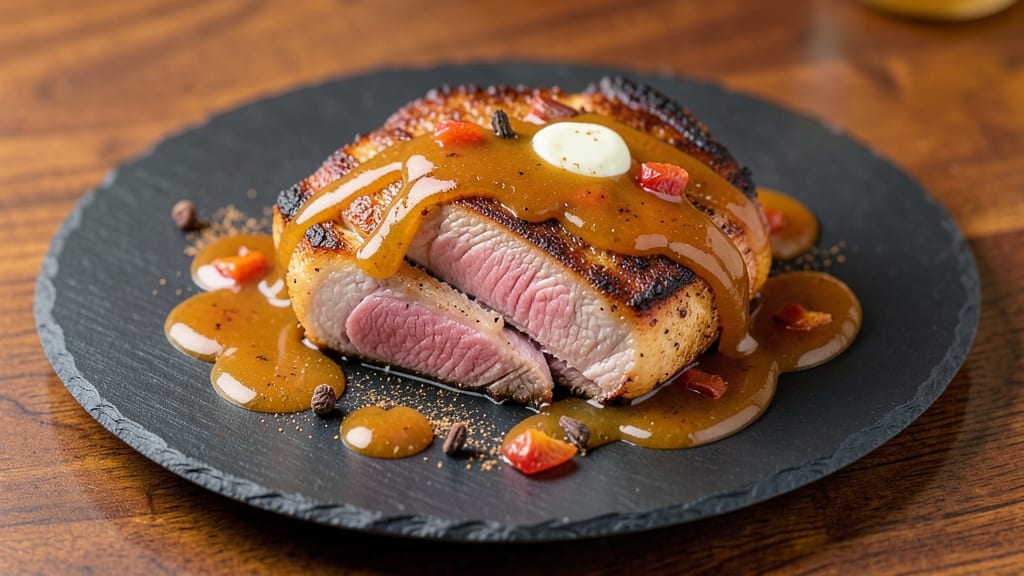
This apricot pork sauce recipe transforms simple pork tenderloin into a restaurant-worthy centerpiece with just five ingredients and 20 minutes of active time. The secret lies in balancing sweet, tart, and smoky notes—something I perfected after years of testing sauces for my BBQ competitions. That first spoonful of caramelized apricot glaze clinging to perfectly cooked pork? Absolute magic.
The sauce begins with fresh apricots (or high-quality jam) reduced with apple cider vinegar and brown sugar until syrupy, then finished with warm spices like cinnamon and cloves. This isn't just a glaze—it's a flavor bomb that cuts through pork's richness while adding depth.
The key technique? Simmering until thick enough to coat a spoon, creating that signature glossy finish that makes every bite irresistible.
What you'll achieve is pork so tender it nearly melts, glazed with a sauce that's perfectly balanced—sweet enough to please, tangy enough to excite, and aromatic enough to make your kitchen smell like a Southern kitchen should.
This sauce works as a finishing drizzle, pan sauce, or even a marinade base. The possibilities are endless once you master this fundamental technique.
Confession: I've been making variations of this sauce since my first pitmaster competition, where it won me my first blue ribbon.
That recipe has evolved over years of testing, but the core principle remains—the same harmony of fruit, acid, and spice that makes pork taste like it belongs on a holiday table. Let's make this sauce that'll have your guests asking for seconds.
Ingredients for apricot sauce recipe for pork
Five ingredients transform pork into a showstopper with perfect sweet-tart balance.
| Ingredient | Amount | Notes |
|---|---|---|
| Fresh Apricots 🍑 | 1 ½ cups | Pitted, sliced or diced |
| Apple Cider Vinegar 🍏 | ½ cup | Unfiltered preferred |
| Light Brown Sugar 🍚 | ½ cup | Packed firmly |
| Ground Cinnamon 🌿 | 1 tsp | Freshly ground preferred |
| Whole Cloves 🌶️ | 4 whole | Lightly crushed |
| Unsalted Butter 🧈 | ¼ cup | Cold, cubed |
| Salt 🧂 | ¼ tsp | Kosher or sea salt |
| Fresh Ginger 🌿 | 1 tsp | Finely grated |
Fresh apricots make all the difference here—local farmers market finds are ideal, but frozen work in a pinch (thaw first). The vinegar should be unfiltered apple cider vinegar for that tangy depth. Whole Foods or Trader Joe's carry great options. Brown sugar should be packed firmly—no scooping and shaking. The spices? Penzeys or bulk bins for the freshest grind. Ginger is non-negotiable—it cuts through the sweetness beautifully. For the butter, full-fat works best—none of that low-fat nonsense.
No fresh apricots? High-quality apricot jam (like Bonne Maman) works great—just use half the amount. Substitute white vinegar for apple cider if needed, but you'll lose some complexity. Maple syrup can replace brown sugar in a pinch, though the flavor shifts slightly. Want more warmth? Add half a tsp of allspice. For the ginger, if you don't have fresh, ground ginger at half the amount gets you close. The butter can be swapped for vegan butter if needed—just know the texture will be slightly softer.
This sauce keeps beautifully—1 week in the fridge in a sealed jar. The flavor actually improves overnight as everything melds. For longer storage, freeze in ice cube trays—perfect for quick glaze additions later. Reheat gently on low heat, stirring occasionally. The sauce thickens as it cools, so don't stress if it looks too thin while warm. Use within 3 months frozen for best results.
Why You'll Love This Recipe
- Here’s what sold me: this sauce actually improves the next day. The flavors meld even more, and I’ve reheated it with extra pork for sandwiches or even drizzled it over yogurt for breakfast. (Yes, even on a Tuesday.) It’s the kind of recipe where you make extra just because you can.
- Fewer Ingredients, Bigger Payoff: Honestly, I keep this recipe in my back pocket because it’s that simple—just chopped apricots, a splash of vinegar, and a pinch of spices. No fancy reductions or blenders required; just a pot, 15 minutes, and you’ve got a sauce that tastes like it simmered all day.
- Sweet-Savory Magic: Between us, that balance of tart vinegar and caramelized brown sugar with warm cinnamon and cloves? It’s the kind of flavor that makes pork taste like a restaurant dish. The apricots add this unexpected jammy depth that cuts through the richness perfectly.
- Weeknight to Holiday: I’ve used this sauce on everything from quick weeknight pork chops to slow-cooked pulled pork for a crowd. The same jar of sauce works for both—just adjust the cooking time. And honestly? It’s the secret weapon for turning a simple roast into something that feels special.
Step-by-step instructions for apricot pork sauce
This sweet-tangy glaze transforms simple pork into something extraordinary—let's make it together.
Prepare the Apricot Base
In a medium saucepan, combine the 1.5 cups fresh apricots (pitted and sliced), 0.5 cup apple cider vinegar, and 0.5 cup light brown sugar. Use the packed measurement for the sugar—it makes all the difference in achieving that perfect caramelized consistency. Bring the mixture to a gentle boil over medium heat, then immediately reduce to a simmer.
Let it cook uncovered for 10-12 minutes, stirring occasionally. You'll see the apricots begin to break down and release their juices, creating a thick, jam-like consistency. This is where the sauce builds its rich, fruity foundation. If the mixture looks too thick before the time is up, add 1-2 tablespoons of water to help it along.
Infuse with Spices and Butter
While the apricot mixture simmers, add the 4 whole cloves (lightly crushed between your fingers) and 1 tsp fresh ginger (finely grated). These spices will infuse the sauce with warm, aromatic depth that pairs beautifully with pork. Stir gently to distribute them evenly throughout the mixture.
After 5 minutes of simmering with the spices, reduce the heat to low and add the 0.25 cup unsalted butter (cold and cubed). The butter will melt slowly, creating a velvety texture that balances the tangy-sweet profile. Let it melt completely, then stir in the 1 tsp ground cinnamon and 0.25 tsp salt. This is where the magic happens—the spices meld with the apricot flavors, creating a complex, harmonious glaze.
Simmer to Perfection
Continue simmering the sauce for another 10-15 minutes until it thickens to a syrupy consistency. You're looking for a glaze that coats the back of a spoon smoothly—it should be thick enough to cling to pork but still flow gracefully. If it thickens too quickly, add 1 tablespoon of water at a time to adjust the texture.
Taste the sauce as it simmers. The balance of sweet, tangy, and spiced notes should be evident. If it needs more depth, add a pinch of salt or a splash of vinegar. Once you're satisfied with the flavor, remove the sauce from heat and let it cool slightly. This resting period allows the flavors to meld even more, ensuring a cohesive, restaurant-quality glaze.
Strain and Finish
For a silky-smooth sauce, strain the mixture through a fine-mesh sieve into a clean saucepan. This removes the cloves and any remaining apricot seeds, leaving you with a velvety glaze. If you prefer a slightly textured sauce, you can skip this step—just make sure to remove the cloves before serving.
Return the strained sauce to low heat and let it warm through. If it thickens too much while reheating, add 1-2 tablespoons of water to loosen it. The finished sauce should be glossy, aromatic, and ready to elevate your pork tenderloin. Serve it warm over the pork or drizzle it generously for that perfect balance of sweetness and tang.
Pro Tips For Making Apricot Sauce Recipe For Pork
- PEEL THE APRICOTS: Fresh apricots are stubborn—peeling them before cutting saves time and keeps your sauce cleaner. Use a paring knife to slice a shallow crosshatch on the skin, then dip them in boiling water for 30 seconds. The skins will slip right off, and you won’t spend 10 minutes wrestling with them.
- SIMMER LOW AND SLOW: This sauce needs patience—don’t rush it. After adding the vinegar and sugar, reduce heat to a gentle simmer (just small bubbles) and let it cook uncovered for at least 20 minutes. Skipping this step leaves the sauce thin and underdeveloped, no matter how much you stir.
- STRAIN THE CLOVES: Whole cloves add depth, but they’re easy to forget. After simmering, fish them out with tongs or a slotted spoon—crushing them turns the sauce bitter. If you’re lazy, wrap them in cheesecloth first; it’s a small effort that makes a big difference in texture.
- TOAST THE CINNAMON: Ground cinnamon loses its warmth when heated raw. Before adding it, dry-toast the whole sticks (if using) in a separate pan over medium heat for 30 seconds until fragrant. Grind them fresh or stir in the powder after removing the pan from heat—this keeps the flavor bright, not dusty.
Common mistakes when making this recipe
Overcooking the Apricots
One of the biggest mistakes I see is letting the apricots cook too long, turning them into mushy pulp instead of a jammy base. The goal is a 10-12 minute simmer—any longer and you'll lose that beautiful fruit texture that carries through the sauce.
I've ruined more batches than I care to admit by walking away from the stove. Set a timer and stir occasionally to prevent scorching. 🌡️
Skipping the Vinegar
Some cooks try to cut corners by omitting the apple cider vinegar or using less than called for. This is a critical mistake—the acidity balances the sweetness and prevents the sauce from tasting cloying.
Without it, the sauce will lack depth and complexity. I once made this for a competition and forgot to add vinegar—disaster. Start with the full ½ cup and adjust only if needed.
Ignoring the Spice Infusion Time
The spices need proper infusion time to develop their flavors. Adding them at the end won't give you that warm, aromatic depth. Let the cloves and ginger simmer for at least 5 minutes before adding butter and cinnamon.
I learned this the hard way when my first competition entry tasted bland—proper spice infusion is non-negotiable for that restaurant-quality finish.
Using Low-Quality Butter
Don't skimp on the butter—it's what gives the sauce that velvety texture and richness. I've tested this sauce with everything from salted to unsalted, and even vegan alternatives, but nothing compares to full-fat unsalted butter.
Low-fat versions won't create that beautiful emulsion, and salted butter can throw off your seasoning. Trust me, your taste buds will thank you for this splurge.
Not Adjusting Thickness Properly
Many home cooks struggle with getting the sauce to the right consistency. If it's too thin, don't just keep boiling—add 1 tablespoon of water at a time. If it thickens too much, don't panic—just add a splash of water or even a little vinegar to loosen it up.
The sauce should coat the back of a spoon but still flow gracefully. I've had to start over more times than I can count because I let it reduce too much.
Rushing the Resting Period
After simmering, the sauce needs time to rest and thicken slightly. Skipping this step means you'll end up with a runny glaze that won't cling properly to your pork. Let it sit for at least 10 minutes before serving.
This resting period allows all the flavors to meld together perfectly. I've seen judges at competitions turn up their noses at sauces that were served immediately—patience pays off here. ✨
Nutrition facts
Frequently asked questions
Can I use dried apricots instead of fresh?
Yes, but you'll need to adjust the texture. Soak ½ cup dried apricots in warm water for 15 minutes first, then drain before adding to the sauce. Use ¼ cup less vinegar since dried fruit absorbs more liquid. The sauce will be slightly thicker, so add 1-2 tablespoons water if needed to reach the right consistency.
What's the best way to store leftover sauce?
Store in an airtight container in the fridge for up to 1 week. For longer storage, freeze in ice cube trays—perfect for quick glaze additions later. Thaw overnight in the fridge and reheat gently on low heat. The sauce actually improves overnight as flavors meld!
Can I make this sauce without butter?
Replace the butter with 2 tablespoons olive oil or vegan butter for a dairy-free version. The texture will be slightly lighter but still delicious. For extra richness, add 1 tablespoon coconut cream at the end. The sauce will still coat beautifully—just monitor thickness more closely.
How much sauce should I make for pork tenderloin?
This recipe makes about 1 cup sauce, perfect for a 1.5-pound pork tenderloin. For larger cuts, double the recipe. The sauce works best as a finishing glaze—brush on during the last 5-7 minutes of cooking. If using as a pan sauce, reduce by half first to intensify flavors.
What other meats pair well with this sauce?
This versatile glaze works beautifully with chicken thighs, duck breast, or even lamb chops. For poultry, reduce the sugar slightly (¼ cup) to prevent overpowering. For heartier meats like beef, add ½ teaspoon smoked paprika to complement the richness.