
Sauces & Condiments
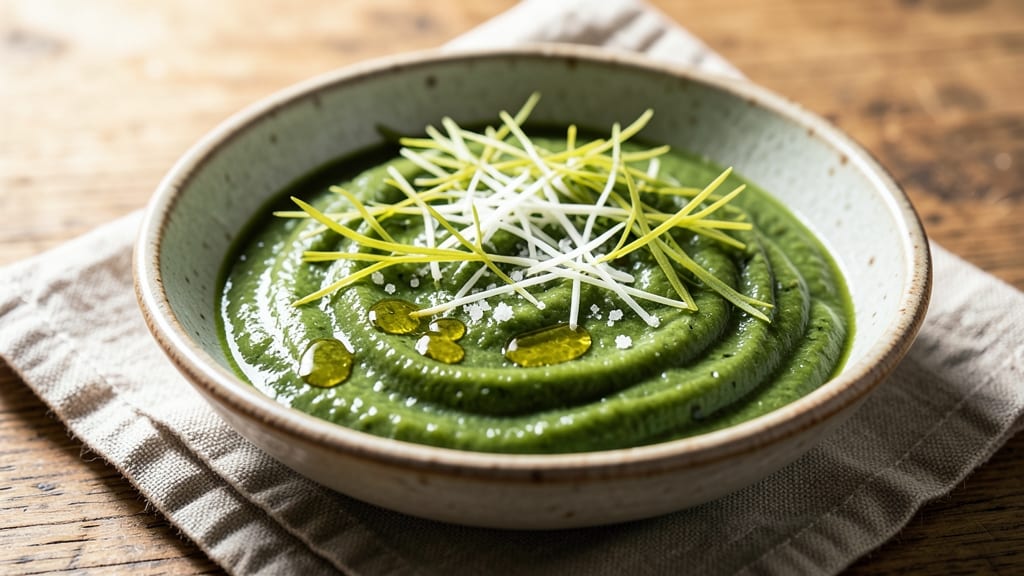
This sorrel sauce recipe transforms simple ingredients into a bright, tangy condiment that elevates roasted meats and seafood with its signature citrusy punch. The secret lies in balancing sorrel’s natural acidity with just enough sweetness and herbs to create a sauce that’s both sophisticated and approachable.
Unlike store-bought versions, this homemade version delivers a depth of flavor that’s impossible to replicate.
With just five core ingredients—fresh sorrel leaves, white wine vinegar, sugar, and optional tarragon or chives—this sauce comes together in under 15 minutes of active prep. The key is wilting the sorrel properly to soften its texture while preserving its vibrant green color and sharp, lemony notes.
No special equipment is needed, making it perfect for home cooks who want restaurant-quality results without the fuss.
What you’ll end up with is a smooth, glossy sauce that’s tart enough to cut through rich dishes like duck or roasted pork, yet balanced enough to complement delicate flavors like grilled fish or asparagus.
The sauce keeps well in the fridge for up to a week, making it ideal for meal prep or gifting. Its versatility extends beyond roasted meats—try it as a marinade, salad dressing, or even a glaze for vegetables.
For those new to sorrel, this recipe is your gateway to its bold flavor profile. The sauce’s bright acidity makes it a perfect foil for fatty proteins, while its herbal undertones add complexity.
Whether you’re serving a holiday feast or a weeknight dinner, this sorrel sauce will bring a professional touch to your table with minimal effort.
Ingredients for sorrel sauce
Five ingredients transform into a restaurant-worthy sauce that brightens roasted meats and seafood effortlessly.
| Ingredient | Amount | Notes |
|---|---|---|
| Fresh Sorrel Leaves 🌿 | 1 cup | Stems removed, loosely packed |
| White Wine Vinegar 🍷 | ½ cup | Dry variety preferred |
| Granulated Sugar 🍚 | 2 tbsp | Adjust to taste for sweetness |
| Fresh Tarragon Leaves 🌿 | ¼ cup | Optional, finely chopped |
| Fresh Chives 🌱 | 2 tbsp | Optional, finely chopped |
| Extra-Virgin Olive Oil 🫒 | ¼ cup | For glossy finish |
| Salt 🧂 | ½ tsp | Kosher or sea salt |
| Fresh Lemon Juice 🍋 | 1 tbsp | Brightens flavor |
Sorrel is the star here—look for vibrant green leaves at specialty markets or well-stocked grocery stores like Whole Foods or Trader Joe's. The fresher, the better; frozen sorrel loses its signature sharpness. Tarragon and chives add depth, but skip them if you prefer a cleaner flavor. For vinegar, dry white wine vinegar (like Bragg) works best—avoid balsamic or apple cider. The sugar isn’t just for sweetness; it helps balance the sorrel’s acidity while keeping the sauce from being too sharp.
No tarragon? Fresh dill or basil at half the amount adds a different herbal note. Skip the lemon juice? Extra white wine vinegar (1 tbsp more) keeps the tang. Olive oil can be swapped for avocado oil, but extra-virgin adds the best finish. For a smoother texture, blend the sauce until silky—though purists prefer a slightly rustic look. If the sauce tastes too tart after chilling, add a pinch more sugar or a splash of water to thin it out.
Store in an airtight jar in the fridge for up to 1 week, where flavors meld beautifully. For longer storage, freeze in ice cube trays—perfect for single-use portions. Reheat gently on the stove or at room temperature. The sauce thickens as it cools, so thin with water or vinegar before serving if needed. Double the batch; this sauce disappears fast at dinner parties.
Why You'll Love This Recipe
- No-Fuss Pantry Staples: I swear by this recipe because it uses things I already have—vinegar, sugar, herbs—and no weird ingredients. The sorrel’s tangy punch cuts through anything, and the tarragon adds that fancy touch without extra shopping.
- Tart, Bright, Addictive: Honestly, the first time I tasted this, I thought, Why didn’t I make this sooner? The sorrel’s lemony bite balances the sweetness, and the chives give it a fresh finish. It’s the kind of sauce that makes you reach for seconds—even if you’re not supposed to.
- Weeknight Dinner Hero: Between us, this sauce saves my dinner parties and lazy weeknights. Drizzle it over grilled fish, toss it with roasted veggies, or serve it with crusty bread. It’s the quiet MVP that doesn’t demand attention but makes everything taste better.
- Makes More Than You Think: Here’s what sold me—this recipe scales effortlessly. Double the batch, store it in the fridge, and use it all week. The vinegar and sugar keep it fresh for days, and it’s cheap enough that you won’t mind if your kids (or you) sneak extra servings.
Step-by-step instructions for sorrel sauce recipe
This bright, tangy sauce comes together in minutes with simple technique.
Blanch and Chop the Sorrel Leaves
Bring a small pot of water to a gentle boil. Add the 1 cup fresh sorrel leaves (stems removed) and blanch for exactly 30 seconds—just enough to soften the leaves without cooking them completely. Immediately drain and transfer to an ice bath to stop the cooking process.
Once cooled, squeeze out any excess water using your hands or a clean kitchen towel. Then, finely chop the sorrel leaves. I like to use a sharp chef's knife for this step—cutting through the stems first makes the leaves easier to handle. The goal is a uniform texture that will blend smoothly into the sauce later.
Combine Vinegar, Sugar, and Salt
In a medium saucepan, combine the 0.5 cup white wine vinegar, 2 tablespoons granulated sugar, and 0.5 teaspoon salt. Bring to a gentle simmer over medium-low heat and cook for 2-3 minutes until the sugar completely dissolves. This creates a flavor base that balances the sorrel's acidity.
Here's the thing—don't rush this step. The sugar needs time to fully incorporate, and simmering too vigorously can create a bitter edge. You'll know it's ready when the mixture looks clear and the sugar is completely dissolved without any graininess.
Add Herbs and Simmer
Add the chopped sorrel leaves, 0.25 cup fresh tarragon leaves, and 2 tablespoons fresh chives to the vinegar mixture. Stir well to combine, then reduce the heat to low and let the sauce simmer gently for 5-7 minutes. The herbs will release their aromatic oils and mellow slightly, creating a more complex flavor profile.
I press the herbs down occasionally with a wooden spoon to help release more flavor. You want the sauce to reduce just slightly—it should coat the back of a spoon but still have a pourable consistency. If it thickens too much, you can add a splash of water later to adjust the texture.
Finish with Oil and Lemon
Remove the sauce from heat and stir in the 0.25 cup extra-virgin olive oil and 1 tablespoon fresh lemon juice. The oil adds richness and helps create a glossy finish, while the lemon juice brightens the entire sauce. Stir vigorously to emulsify the oil into the vinegar mixture—this creates that signature silky texture.
Taste and adjust the seasoning if needed. I usually find the sauce needs a touch more salt or sugar at this point, depending on the freshness of the sorrel. The final sauce should have a perfect balance of tartness, sweetness, and herbal notes. Let it cool slightly before serving to allow the flavors to meld completely.
Strain and Serve
For a smooth sauce, strain through a fine-mesh sieve into a clean bowl, pressing gently on the herbs to extract all the flavor. If you prefer a slightly textured sauce, you can skip this step. The strained version works beautifully with roasted meats, while the unstrained version adds visual interest to plates.
This sauce keeps well in the refrigerator for up to 5 days, making it perfect for meal prep. It pairs wonderfully with roasted chicken, pork, or even grilled fish. The bright acidity cuts through rich meats beautifully, creating a harmonious balance of flavors in every bite.
Pro Tips For Making Sorrel Sauce
- STRAIN TWICE: Sorrel sauce is all about clarity—don’t skimp on straining. After simmering, press the liquid through a fine-mesh sieve, then a cheesecloth-lined strainer. The second pass catches those stubborn herb bits that ruin the texture, and trust me, you’ll taste the difference.
- WILT SORREL FIRST: Toss raw sorrel leaves into boiling water for 30 seconds—just enough to soften them before draining and adding to your sauce. This stops them from turning bitter and makes the sauce silky instead of grassy. (Yes, even if you’re impatient like me.)
- SWEAT THE CHIVES: Add chopped chives and tarragon to the pot 2 minutes before the sauce finishes cooking. A quick sweat releases their oils without burning them, so you get bright, fresh flavor—not a bitter aftertaste. Think of it as a gentle handshake, not a wrestling match.
- BALANCE THE VINEGAR: If your sauce tastes too sharp, don’t just dump in more sugar—add a splash of cold water first. The vinegar’s acidity mellows when diluted, and you’ll need less sugar to balance it. (I learned this after making a batch that tasted like a lemon wedge.)
Creative variations of this sorrel sauce
Herbal Variations
Swap the tarragon for 1 tbsp fresh dill to create a bright, citrusy variation perfect for seafood. The dill’s anise notes complement sorrel’s tartness beautifully, especially with grilled salmon or halibut.
For a Mediterranean twist, add 2 tbsp finely chopped fresh basil—this version pairs wonderfully with roasted lamb or caprese salads. 🌿
Sweet-Tart Balance
Adjust the sugar-to-vinegar ratio for different flavor profiles. For a sweeter sauce (ideal for desserts or fruit pairings), reduce the vinegar to 0.33 cup and increase sugar to 3 tbsp.
For extra tang, add 1 tbsp honey instead of sugar—this works surprisingly well with spicy dishes like jerk chicken. I often make a batch with both adjustments for versatility.
Global Adaptations
Transform this sauce into a French-style sorrel sauce by adding 1 tbsp shallots (finely minced) and a splash of dry vermouth (replace 1 tbsp vinegar). For an Asian-inspired version, swap the white wine vinegar for rice vinegar and add 1 tsp grated ginger—this pairs perfectly with teriyaki-glazed meats.
The key is adapting the vinegar base to match your cuisine’s flavor profile.
Spicy Kick
Add heat with ½ tsp red pepper flakes or 1 tsp hot sauce (like Cholula) for a spicy-sweet contrast. This works exceptionally well with roasted pork or grilled shrimp. For a smoky variation, stir in ½ tsp smoked paprika after blending—it adds depth without overpowering the sorrel’s brightness.
Adjust heat to taste, as the sauce’s acidity can mute spice levels.
Vegetarian Versions
Use this sauce as a vibrant dip for crudités by thinning it with 2 tbsp water and adding 1 tbsp tahini for creaminess. For a salad dressing, whisk the sauce with ¼ cup olive oil and toss with mixed greens, shaved fennel, and toasted walnuts.
The sorrel’s acidity cuts through rich vegetables like avocado or roasted beets beautifully. 💫
Storage Hacks
Freeze the sauce in ice cube trays for single-use portions—thaw quickly in warm water before serving. For longer storage, reduce the vinegar by 1 tbsp before freezing to prevent texture changes.
Reheat gently on low heat with a splash of water to restore consistency. The sauce actually improves after 2-3 days in the fridge as flavors meld.
Nutrition facts
Frequently asked questions
Can I substitute sorrel with another green leafy herb?
While sorrel has a unique tart, lemony flavor, you can use 1 cup spinach or 1 cup Swiss chard in a pinch—but expect a milder taste. For a closer match, try ½ cup lemon balm (which has citrus notes) plus ½ cup spinach. The texture will differ slightly, but the sauce will still work beautifully with roasted meats.
How do I know when the sauce is ready?
The sauce is done when it coats the back of a spoon but still has a pourable consistency. It should smell vibrant and aromatic, with the sorrel’s sharpness balanced by sweetness. If it’s too thin, simmer 1-2 more minutes; if too thick, add 1 tbsp water. Taste test is key—adjust sugar or vinegar as needed for your preferred tartness level.
Can I make this sauce ahead of time?
This sauce actually tastes better after 24 hours, as flavors meld in the fridge. Store in an airtight jar for up to 5 days. For longer storage, freeze in ice cube trays—thaw quickly in warm water before serving. The texture may thicken slightly when chilled, so stir in 1 tsp water.
What are the best proteins to pair with sorrel sauce?
Sorrel sauce shines with rich, fatty proteins that need its bright acidity. Try it with roasted duck, grilled pork chops, or seared salmon. It also works beautifully with roasted chicken thighs, lamb chops, or even as a marinade for shrimp skewers***. The sauce’s tartness cuts through richness while enhancing the meat’s natural flavors.
Why does my sorrel sauce look cloudy?
Cloudiness usually means the oil and vinegar didn’t fully emulsify. Fix it by whisking vigorously or blending briefly. For a smoother result, strain the sauce through a fine-mesh sieve. If the sorrel wasn’t blanched properly, it may release excess starch—rinse the leaves after blanching to prevent this. The taste should still be great, but a glossy finish is ideal.