
Sauces & Condiments
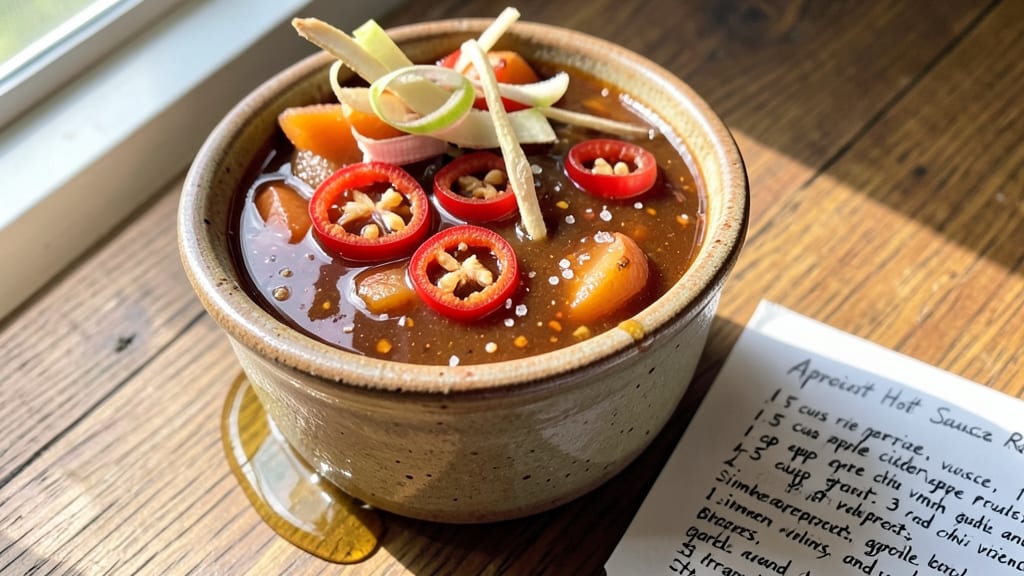
This apricot hot sauce recipe transforms sweet, ripe apricots and fiery chili peppers into a versatile condiment that adds depth to everything from tacos to grilled meats. The balance of fruity sweetness and controlled heat creates a sauce that’s complex yet approachable—no culinary degree required.
What makes this recipe stand out is the slow simmer, which allows flavors to meld into a smooth, glossy consistency that clings beautifully to food.
At its core, this sauce relies on three key components: ripe apricots for natural sweetness, chili peppers for heat (adjustable to your tolerance), and apple cider vinegar for tangy brightness. The process is straightforward—simmer, blend, and strain—but the result is anything but basic.
The apricots caramelize slightly, deepening their flavor, while the vinegar sharpens the sauce, ensuring it cuts through rich dishes without overpowering them.
Once complete, this sauce delivers restaurant-quality heat with a fruity twist, perfect for drizzling over grilled chicken, tossing with roasted vegetables, or mixing into cocktails. The versatility doesn’t stop there—it’s equally at home on tacos, as a marinade, or even as a glaze for seared meats.
The best part? It keeps well in the fridge for up to 3 months, so you can make a big batch and enjoy it all season long.
For those who love customization, the recipe easily adapts to spice preferences—add more chili for extra heat or reduce it for a milder kick. The sweetness from the apricots balances the acidity, making it approachable for families while still exciting for adventurous eaters.
Let’s get started on creating this vibrant, flavor-packed sauce that’ll elevate your meals in minutes.
Ingredients for apricot hot sauce
Nine ingredients, one vibrant sauce that transforms simple meals into restaurant-worthy dishes.
| Ingredient | Amount | Notes |
|---|---|---|
| Ripe Apricots 🍑 | 1 ½ cups | Pitted and chopped, fresh or frozen |
| Fresh Red Chili Peppers 🌶️ | 4 whole | Serrano or jalapeño, stems/seeds removed |
| Apple Cider Vinegar 🍏 | ½ cup | Raw and unfiltered preferred |
| Fresh Garlic Cloves 🧄 | 4 cloves | Minced for depth of flavor |
| Fresh Ginger Root 🌿 | 1 tbsp | Finely grated, aromatic |
| Granulated Sugar 🍚 | 2 tbsp | Light brown preferred for caramelization |
| Salt 🧂 | 1 tsp | Kosher or sea salt |
| Extra-Virgin Olive Oil 🫒 | 2 tbsp | For glossy finish and richness |
| Water 💧 | ½ cup | For simmering and thinning |
The apricots are the heart of this sauce—ripe, juicy ones make all the difference. Local farmers markets often have the best selection, but grocery store apricots work too if they're soft to the touch. For extra depth, I like to use a mix of fresh and frozen apricots (thawed). The chili peppers are where you control the heat: serrano peppers give a medium kick, while jalapeños keep it milder. Remove seeds for less heat, but leave some for complexity. Fresh ginger is non-negotiable here—it adds warmth that dried ginger can't match. Penzeys Spices sells great ginger if your grocery store's is old.
No fresh ginger? Substitute with 1 tsp ground ginger, but it won't have the same punch. Running low on vinegar? White wine vinegar works in a pinch, but the apple cider's fruity notes are ideal. The sugar is for caramelizing the apricots—don't skip it, even if you're watching sweetness. For a smokier sauce, add 1/2 tsp smoked paprika at the end. The olive oil isn't just for flavor; it creates that glossy finish that makes the sauce cling perfectly. If you're making a big batch, I recommend doubling the olive oil to 4 tbsp total—it keeps beautifully for months.
This sauce tastes even better the next day as flavors meld. Store in a clean glass jar in the fridge for up to 3 months, or freeze portions in ice cube trays for single-use servings. The consistency will thicken as it cools—just stir in a splash of water to thin if needed. I always make double batches because it disappears fast. Freeze extras in 1/4 cup portions for easy use in tacos, marinades, or cocktails later.
Why You'll Love This Recipe
- Sweet Heat in Minutes: I swear by this—just toss peppers, apricots, and vinegar into a blender, let it simmer for 15 minutes. No peeling, no dicing, no stress. The ginger and garlic blend in while you stir, and boom, you’re done.
- Flavor That Stops You: That first bite of sweet apricot meeting the vinegar’s tang and chili’s kick? It’s like a flavor hug. The apricots soften into jammy perfection while the vinegar keeps it bright, and the ginger adds a zing that lingers.
- Pantry to Party Fix: I keep a jar in my fridge for everything—grilled chicken, roasted veggies, even scrambled eggs. It’s the secret weapon for turning simple meals into something special, and it’s got that just-right heat for spice lovers who hate overwhelming burn.
- Makes Jars of Magic: One batch stretches for weeks, and it only costs pennies per serving. Freeze extras in ice cube trays for quick shots of flavor later—perfect for when you’re out of sauce or just craving something different. Honestly, it’s the kind of recipe that pays for itself.
Step-by-step instructions for apricot hot sauce
This vibrant blend of sweet apricots and fiery chilies creates a versatile sauce that's perfect for drizzling.
Prep Ingredients for Maximum Flavor
Start by pitting and chopping the 1.5 cups ripe apricots into small, even pieces. I like to use a sharp knife for this—it gives you better control than a food processor. Next, remove stems and seeds from the 4 whole fresh red chili peppers, then slice them into thin rings. The seeds add heat, but removing them first makes them easier to handle.
Finely grate the 1 tablespoon fresh ginger root using a microplane or the small holes of a box grater. For the 4 cloves fresh garlic, I prefer to mince them rather than press—this keeps the texture more consistent in the finished sauce. Set all prepped ingredients aside until ready to use. This preparation ensures even cooking and prevents any large chunks that might make the sauce unevenly textured.
Build the Base with Aromatics and Acid
In a medium saucepan, combine the 0.5 cup apple cider vinegar, 2 tablespoons granulated sugar, and 1 teaspoon salt. Bring this mixture to a gentle simmer over medium heat—you should see small bubbles forming at the edges but not a full boil. Stir occasionally to help dissolve the sugar completely.
Once the mixture is simmering, add the chopped apricots, sliced chili peppers, minced garlic, and grated ginger. Let everything cook together for 5 minutes, stirring occasionally. You'll notice the chilies start to soften and the apricots release their juices. This step develops the sauce's foundational flavors before we add the final elements.
Simmer and Thicken the Sauce
After the initial 5 minutes, pour in the 0.5 cup water and stir well to combine. Reduce the heat to low and let the mixture simmer gently for 15-20 minutes. You're looking for the sauce to thicken slightly—it should coat the back of a spoon but still be pourable. Stir occasionally to prevent sticking, and taste occasionally to monitor the balance of sweetness and heat.
If the sauce seems too thick after 20 minutes, add 1-2 tablespoons of water at a time until you reach your desired consistency. The goal is a glossy, medium-bodied sauce that's vibrant in color and balanced in flavor. This simmering process allows all the flavors to meld together beautifully, creating that perfect harmony of fruity sweetness and fiery heat.
Finish with Oil and Rest for Depth
Once the sauce reaches your desired consistency, remove it from the heat and let it cool slightly for 5 minutes. This cooling period helps the flavors settle and makes it easier to incorporate the final ingredient. While the sauce cools, measure out the 2 tablespoons extra-virgin olive oil—this will give your hot sauce a beautiful sheen and help balance the acidity.
Slowly drizzle the olive oil into the sauce while stirring continuously. The oil should emulsify with the sauce, creating a glossy finish. Let the sauce sit at room temperature for another 10 minutes before tasting. This resting period is crucial—it allows all the flavors to fully develop and ensures you get an accurate reading of the heat level and sweetness balance.
Strain and Store for Maximum Freshness
After resting, taste the sauce and adjust the seasoning if needed. If it's too sweet, add a pinch more salt; if it needs more heat, add a few extra slices of chili pepper. For a smoother texture, strain the sauce through a fine-mesh sieve into a clean jar, pressing gently on the solids to extract all the flavor. If you prefer a slightly textured sauce, simply skip the straining step.
Store the hot sauce in an airtight jar in the refrigerator, where it will keep for up to 2 weeks. The flavors will continue to develop and mellow over time, making it even more complex. This versatile sauce pairs beautifully with grilled meats, roasted vegetables, or even as a zesty condiment for tacos and sandwiches. The balance of sweet and spicy makes it truly special.
Pro Tips For Making Apricot Hot Sauce
- CHAR THE APRICOTS FIRST: Skip the peeling—just blister whole apricots in a dry skillet over medium-high heat until skin splits and flesh softens (about 3-4 minutes per side). I learned this the hard way: raw apricots release bitter juices that never fully blend out, no matter how long you simmer. The char adds depth too—just scrape off skins before blending.
- PEEL GINGER LIKE A PRO: Use a spoon to scoop out the fibrous core before grating, then run the ginger under cold water to wash away the starch. Fresh ginger in hot sauce can turn gluey if not handled right, and this step cuts the slimy texture without sacrificing flavor. (Yes, it’s extra work, but your sauce will thank you.)
- SIMMER LOW AND LONG: Reduce heat to a bare simmer after the initial boil—think tiny bubbles, not a rolling pot. I used to rush this, and the sauce would either taste raw or turn grainy from overcooking the peppers. Thirty minutes at low heat is better than 20 at high; the flavors meld without burning.
- STRAIN THE PEPPERS: After blending, press the mixture through a fine-mesh sieve to remove seeds and skins. The heat from fresh peppers can make the sauce bitter if you leave them in, and this step guarantees a silky texture. (I know, it’s tedious—but trust me, your mouth will notice the difference.)
Pro cooking tips for great apricot hot sauce
Simmer Control Secrets
Keep your heat at a gentle simmer—not a rolling boil—to prevent the apricots from breaking down into mush. I use a medium-low flame and watch for tiny bubbles at the edges of the pan.
If the sauce starts to boil vigorously, reduce the heat immediately. The goal is to develop flavors, not cook off the fruit's moisture too quickly. 🌡️
Peel the Chilies
For a smoother sauce, blanch the chili peppers in boiling water for 30 seconds before slicing. This loosens their skins, making them easier to peel. After blanching, transfer them to an ice bath to stop the cooking process, then peel off the skins before slicing.
This step removes some of the raw heat upfront, creating a more refined spice level in the final sauce.
Balance is Key
Taste your sauce at three critical points: after the initial 5-minute simmer, after the 15-20 minute thickening phase, and after adding the olive oil. Adjust sweetness with 1 tsp more sugar if needed, or heat with extra chili slices.
I find the sweetness often needs a little boost after the acidity from the vinegar settles. Trust your palate—this is where the magic happens! 💫
Oil Emulsification
When adding the extra-virgin olive oil, stir slowly to avoid breaking the sauce's emulsion. I use a whisk for this step to ensure the oil integrates smoothly. If the sauce separates, simply reheat it gently and whisk again until it recombines.
The oil not only adds richness but also helps stabilize the sauce's texture, preventing it from becoming too thin over time.
Straining Decisions
Straining removes texture but intensifies flavor—press the solids gently through a fine-mesh sieve to extract every drop of juice. If you prefer texture, skip straining but expect a slightly chunkier sauce.
For restaurant-quality smoothness, I recommend straining. The choice depends on your preference, but straining gives you that professional, velvety finish that makes the sauce shine. ✨
Heat Adjustments
Want more heat? Add 1-2 extra serrano peppers during the simmering phase. For milder heat, reduce the cooking time to 10 minutes instead of 15-20. Remember, chili peppers release more capsaicin (the compound that makes them spicy) as they cook.
If you're unsure, start with fewer peppers and adjust as you go—you can always add more later but can't take it out! 🌶️
Nutrition facts
Frequently asked questions
Can I use dried apricots instead of fresh?
Yes, but you'll need to adjust the recipe. Soak 1/2 cup dried apricots in warm water for 20 minutes to rehydrate, then drain and chop. Reduce the water in the recipe by 1/4 cup since dried fruit releases less moisture. The flavor will be more concentrated, so start with 1 tablespoon less sugar to avoid over-sweetness.
How do I adjust the heat level?
For milder heat, reduce cooking time to 10 minutes or use jalapeños instead of serranos. For extra spice, add 1-2 more serrano peppers or let the sauce simmer 5 minutes longer. Remember, chili peppers release more capsaicin (heat) as they cook, so you can always add more later but can't remove it!
Can I make this sauce without vinegar?
While vinegar adds tangy brightness, you can substitute with lemon juice (use 1/4 cup plus 1 tbsp water to mimic acidity). For a deeper flavor, try red wine (reduce by 1/4 cup), but the sauce will be less vibrant. The vinegar also helps preserve the sauce longer, so if substituting, expect a 1-week shelf life instead of 2.
What can I do with leftover apricot hot sauce?
This versatile sauce works as a marinade, glaze, or cocktail mixer! Try it on grilled chicken, roasted vegetables, or even in margaritas (1 tbsp per drink). For extra flavor, reduce it by simmering 10 minutes to make a thick glaze. Store leftovers in 1/4 cup portions in ice cube trays for easy single-use servings.
Why did my sauce turn cloudy?
Cloudiness usually means the oil didn't emulsify properly. Reheat the sauce gently while whisking continuously until smooth. If it still separates, blend in 1 tsp cornstarch mixed with 1 tbsp water to stabilize it. For future batches, stir the oil in more slowly or use a hand mixer for 30 seconds to help it bind better.