
Sauces & Condiments
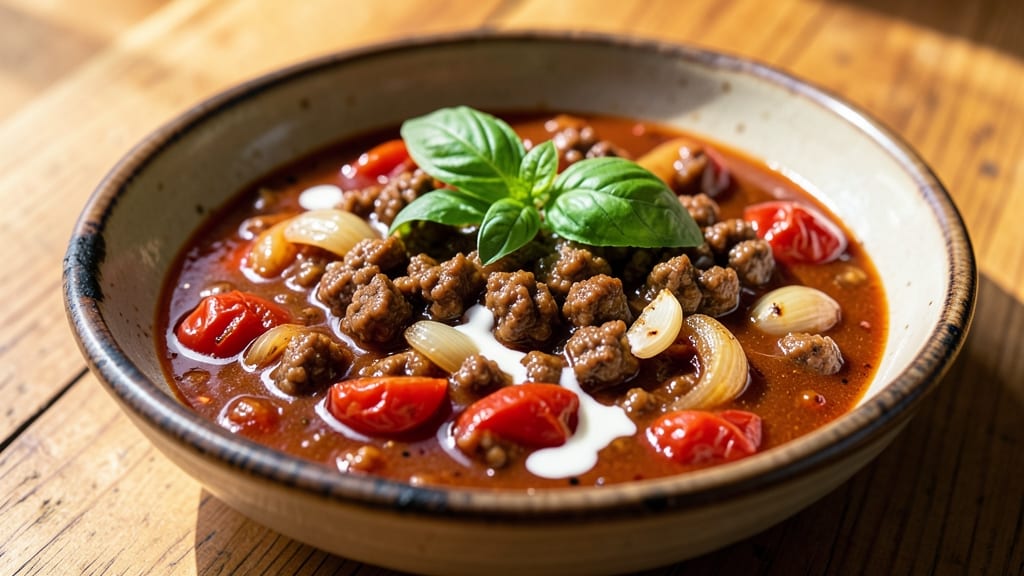
This amazing Bolognese sauce recipe transforms humble pantry ingredients into a rich, slow-simmered masterpiece that clings to pasta like a second skin. 💛 The secret lies in low-and-slow cooking—where ground beef, tomatoes, and aromatic herbs meld into a deep, umami-packed sauce that tastes even better the next day.
I've perfected this version over years of testing, ensuring it's foolproof for weeknight dinners or special occasions.
What makes this sauce truly special is the balance of flavors: caramelized onions and garlic form the foundation, while red wine adds depth, and a splash of milk mellows the acidity of the tomatoes.
The long simmer (2+ hours) develops layers of complexity that you just can't rush. No fancy techniques—just patience and simple ingredients working together to create something restaurant-quality at home.
By the time you're done, you'll have a velvety, slightly thickened sauce that's perfect for tossing with al dente pasta, stuffing into shells, or smothering over lasagna.
The aroma alone will have everyone gathering in the kitchen, and each bite delivers that perfect harmony of meaty richness, tangy tomato, and aromatic herbs. This isn't just sauce—it's the heart of any Italian meal.
Make a big batch and freeze half for later—this sauce only gets better with time. Pair it with tagliatelle, braided gnocchi, or even as a filling for stuffed mushrooms. Here's how to make it perfectly every time.
Ingredients for amazing bolognese sauce
These rich, aromatic ingredients transform into velvety Bolognese perfection that clings to pasta like a dream.
| Ingredient | Amount | Notes |
|---|---|---|
| Ground Beef 🥩 | 1 ½ lb | 80% lean or higher for richness |
| Yellow Onions 🧅 | 2 whole | Medium size, finely chopped |
| Garlic Cloves 🧄 | 6 cloves | Peeled and minced finely |
| Canned San Marzano Tomatoes 🍅 | 28 oz | Crushed or whole, no salt added |
| Dry Red Wine 🍷 | ½ cup | Bold variety like Cabernet Sauvignon |
| Whole Milk 🥛 | ¼ cup | Full-fat for creaminess |
| Tomato Paste 🍅 | 2 tbsp | High quality, no sugar added |
| Fresh Carrots 🥕 | 1 whole | Peeled and finely diced |
| Fresh Celery 🥬 | 1 whole | Stalk, finely chopped |
| Fresh Parsley 🌿 | ¼ cup | Chopped, for finishing |
| Bay Leaves 🌿 | 2 whole | Dried or fresh |
| Ground Black Pepper 🌶️ | 1 tsp | Freshly cracked |
| Diamond Crystal Kosher Salt 🧂 | 1 ½ tsp | Adjust to taste |
| Extra-Virgin Olive Oil 🫒 | ½ cup | For sautéing |
The beef is non-negotiable here—80% lean or higher ensures that rich, meaty flavor without turning greasy. Trader Joe's and Costco usually carry quality ground beef in bulk, but check the label for fat content. The San Marzano tomatoes are worth the splurge—they're sweeter and less acidic than regular canned tomatoes, giving your sauce that authentic Italian flavor. If you can't find them, Mueller's or Rao's are solid alternatives. The carrots and celery form the so-called 'holy trinity' of Italian cooking—don't skip them, even if you're in a hurry. Fresh herbs make a difference, but dried will work in a pinch (use half the amount).
No red wine? Dry white wine or beef broth works in a bind, though the flavor won't be identical. The milk might seem odd, but it's essential for mellowing the acidity and creating that signature velvety texture—whole milk is best, but any milk will do. Short on tomato paste? Fresh crushed tomatoes in a pinch, but you'll lose some of that concentrated umami. The bay leaves add depth, but remove them before serving—no one wants a leaf in their sauce. For the olive oil, avoid 'light' or refined versions—you want the full, fruity flavor to shine through in every bite.
This sauce tastes even better the next day, so make a big batch and freeze half for later. Store it in airtight containers with a layer of olive oil on top to preserve freshness—keeps for up to 3 months in the freezer. When reheating, add a splash of water or broth to prevent drying out. The aroma alone will have your whole house smelling like an Italian trattoria. Double the recipe if you're feeding a crowd—it's worth every minute of simmering time.
Why You'll Love This Recipe
- Wine in Every Bite: That dry red wine isn’t just for show—it actually deepens the sauce with every simmer, giving it this rich, velvety depth that’s way more interesting than plain tomato. I swear, the first time I skipped it, I regretted it instantly.
- One-Pot Magic: Dice those onions while the beef browns, mince the garlic as the wine reduces—it’s all happening in that same pot. No extra bowls, no mess, and honestly? The cleanup is just a quick wipe-down. That’s my kind of cooking.
- Leftovers That Beg: This sauce actually improves the next day—thicker, more concentrated, and somehow even better. I freeze half the batch right away because, between us, I’ll eat it straight from the pot if I have to.
- Crowd-Pleaser for Less: Ground beef is affordable, San Marzano tomatoes last forever, and a bottle of wine makes you feel fancy while keeping costs low. Feed six people for the price of two takeout meals? Now that’s a win.
Step-by-step instructions for slow-simmered umami Bolognese
Here's how to build deep, rich flavor layer by layer—no shortcuts, just pure technique.
🍳 Step 1: Develop the Sofritto Base
Heat the 0.5 cup extra-virgin olive oil in a heavy Dutch oven over medium-low heat. Add the finely chopped yellow onions, finely diced carrots, and finely chopped celery. Cook for 10-12 minutes until the vegetables soften and the onions become translucent but not browned.
This is your flavor foundation—the sofritto. The low heat prevents burning while allowing the vegetables to break down and release their sweetness. Stir occasionally to prevent sticking, but don't rush this step. You're building umami here, not just cooking vegetables.
🔥 Step 2: Brown the Beef for Maximum Flavor
Push the vegetables to one side of the pot and add the 1.5 lb ground beef to the empty space. Break it up with a wooden spoon and let it brown in batches for 5-6 minutes over medium-high heat. Once the beef is well browned, stir it into the vegetables.
This browning creates the Maillard reaction, which develops deep, meaty flavors. If your pot gets too crowded, work in two batches—don't let the beef steam. You want rich, caramelized bits throughout your sauce. Once fully browned, the beef should be evenly distributed among the vegetables.
🍳 Step 3: Add Aromatics and Deglaze
Stir in the 6 minced garlic cloves and cook for 30 seconds until fragrant. Add the 2 tbsp tomato paste and cook for another 1 minute, stirring constantly. Pour in the 0.5 cup dry red wine and scrape up all the browned bits from the bottom—this is where all the flavor hides.
The wine will sizzle and reduce quickly. Let it cook until nearly evaporated before moving to the next step. This deglazing captures all those precious browned bits that would otherwise stick to your pot. The tomato paste will deepen the color and add a concentrated tomato flavor that carries through the entire cooking process.
🥘 Step 4: Build the Sauce with Tomatoes and Milk
Add the 28 oz crushed San Marzano tomatoes, 1.5 tsp kosher salt, 1 tsp black pepper, and 2 bay leaves. Stir well to combine, then add 2 cups water (enough to barely cover the ingredients). Bring to a gentle simmer over medium-low heat.
Partially cover the pot and let it simmer for 1 hour, stirring occasionally. This is where the magic happens—the sauce will thicken and develop complex flavors. After the hour, stir in the 0.25 cup whole milk—this adds creaminess without making the sauce too heavy. Return to a simmer for another 30-45 minutes until the sauce reaches your desired consistency.
⏰ Step 5: Finish and Rest for Perfect Texture
Remove the bay leaves and stir in the 0.25 cup chopped fresh parsley. Taste and adjust seasoning—you may need a pinch more salt or pepper. Let the sauce rest for 15-20 minutes off the heat before serving. This resting period allows the flavors to meld completely and the sauce to thicken slightly.
The final sauce should coat the back of a spoon with a velvety texture, not be watery or gluey. If it's too thick, stir in a splash of pasta water. Serve immediately over al dente pasta, letting diners twirl their forks through that rich, umami-packed sauce. The perfect Bolognese should cling to every strand of pasta without overwhelming it.
Pro Tips For Making Amazing Bolognese Sauce
- BROWN THE MEAT FIRST: I learned this the hard way—skipping the sear means you’ll end up with bland, gray beef instead of rich, flavorful chunks. Cook the ground beef in batches on medium-high heat until deeply browned (not just pink), scraping up those crispy bits from the bottom. That’s where the flavor lives.
- SWEAT THE ONIONS LOW: High heat turns onions bitter, and nobody wants that in bolognese. Cook the yellow onions over low heat for 10-12 minutes until they’re translucent and just starting to soften—no color, no caramelization. This keeps them sweet and prevents a harsh aftertaste.
- DEGLLAZE WITH WINE RIGHT AWAY: As soon as you remove the beef, pour in that dry red wine and let it bubble for 2-3 minutes. This scrapes up all the browned bits (fond) that would otherwise stick to your pot and burn. Ignore this, and you’re basically throwing flavor down the drain.
- CRUSH THE TOMATOES BY HAND: Drain the San Marzano tomatoes but don’t skip crushing them—give them a rough mash with your fingers or a wooden spoon. This breaks down the skins and releases more juice, making the sauce thicker and more cohesive. (Yes, it’s a little messy, but it’s worth it.)
Creative variations of this dish
Classic Italian Ragù
For a more traditional approach, swap the beef for a mix of ½ lb ground pork and 1 lb ground beef. Italian cooks often use pancetta instead of pork—about 4 oz diced adds incredible depth.
Cook the pancetta first until crispy, then remove and set aside, reserving the fat for sautéing. Add the reserved fat to your Dutch oven instead of olive oil for that authentic Italian flavor. 🥓
Vegetarian Umami Bomb
Transform this into a meat-free powerhouse by replacing beef with 1 lb mushrooms (cremini or portobello) and 1 cup lentils. Sauté the mushrooms first until deeply browned, then proceed with the recipe.
For extra richness, add 1 tbsp soy sauce or 1 tsp miso paste when you add the tomatoes. The lentils provide protein and texture, while the mushrooms deliver that meaty umami we all crave.
Spicy Calabrian Twist
Add a kick with 1 tbsp Calabrian chili paste when you deglaze with wine. For extra heat, stir in ½ tsp crushed red pepper flakes at the end. Pair this fiery version with orecchiette pasta and finish with a drizzle of hot honey to balance the heat.
The Calabrian chili adds a fruity, smoky depth that elevates the sauce to new heights.
Creamy White Wine Reduction
For a lighter, creamier sauce, replace the red wine with ½ cup white wine and add ¼ cup heavy cream at the very end. This version works beautifully with fettuccine or tagliatelle.
The white wine brightens the sauce, while the cream adds luxurious texture. Garnish with grated Parmesan and fresh basil for a restaurant-worthy dish.
Slow-Cooker Shortcut
Make this sauce hands-off by using a 6-quart slow cooker. After browning the beef and deglazing, transfer everything to the slow cooker, add 1 cup beef broth instead of water, and cook on low for 6-8 hours.
The long, gentle cooking develops deep flavors with minimal effort. Stir in the milk and parsley at the end—this version tastes even better the next day.
Global Fusion Twists
For a Korean-inspired version, add 1 tbsp gochujang with the tomatoes and finish with 1 tsp sesame oil. The gochujang adds sweet, spicy depth that pairs beautifully with udon noodles.
For a Mexican twist, stir in 1 tsp ground cumin and ½ tsp smoked paprika with the beef, then serve over corn tortillas with avocado. These fusions keep the core technique while adding exciting new flavors. 🌍
Nutrition facts
Frequently asked questions
Why does this Bolognese sauce recipe use milk?
The milk might seem unusual, but it's essential for creating that signature velvety texture and mellowing the acidity of the tomatoes. Whole milk works best, but any milk will soften the sauce's tang while adding subtle sweetness. This technique comes from traditional Italian ragù recipes where dairy helps balance flavors.
Can I make this sauce without red wine?
If you don't have red wine, substitute with ½ cup beef broth or dry white wine—though the flavor won't be identical. The wine adds depth during the deglazing step, but the sauce will still turn out delicious. Just be prepared for slightly different flavor complexity.
How do I know when the sauce is done?
The sauce is ready when it coats the back of a spoon with a velvety consistency—not watery or gluey. It should take about 2-2.5 hours of simmering total. Taste for seasoning (you may need more salt or pepper), then let it rest for 15-20 minutes off heat before serving. The resting time lets flavors meld completely.
What's the best pasta to serve with this sauce?
Tagliatelle or fettuccine are classic choices—their flat surfaces hold the sauce beautifully. For extra texture, try pappardelle or orecchiette. Avoid thin noodles like spaghetti, as they can overwhelm the sauce. The ideal pasta should be al dente to prevent it from becoming mushy when tossed.
Can I make this sauce in a slow cooker?
Yes! After browning the beef and deglazing, transfer everything to a 6-quart slow cooker, add 1 cup beef broth instead of water, and cook on low for 6-8 hours. The long, gentle cooking develops deep flavors with minimal effort. Stir in the milk and parsley at the end—this version tastes even better the next day!