
Sauces & Condiments
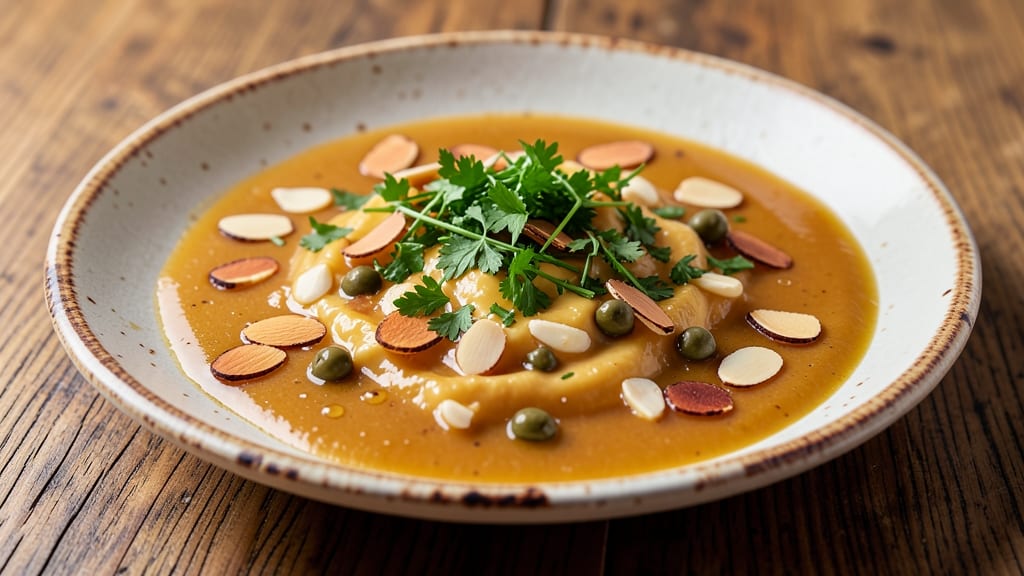
Amandine sauce recipe transforms simple roasted chicken into an elegant masterpiece with its signature buttery, nutty, and citrusy profile. This classic French sauce combines toasted almonds, melted butter, and bright lemon juice to create a rich, aromatic crust that clings perfectly to crispy skin. The secret lies in toasting the almonds until golden and emulsifying them with butter for a velvety texture—no fancy techniques required, just precise timing and attention to detail.
The sauce's versatility makes it a standout for more than just poultry—it elevates poached fish, roasted vegetables, or even grilled lamb with equal brilliance. The capers add a subtle briny kick, while fresh parsley provides a pop of color and freshness.
What sets this sauce apart is its ability to balance richness with acidity, ensuring every bite is harmonious and restaurant-worthy without being overwhelming.
By the time you finish making this sauce, you'll have a glossy, golden-brown topping that adds depth and texture to any dish. The almonds provide a satisfying crunch, while the lemon brightens the richness of the butter, creating a perfect contrast.
This is the kind of sauce that turns a simple roasted chicken into a centerpiece-worthy meal, all with minimal effort and maximum impact.
Store any leftovers in an airtight container in the refrigerator for up to 3 days, or freeze for longer storage. Reheat gently over low heat, stirring occasionally to maintain its creamy consistency.
The key to success is keeping the sauce warm but not boiling—just enough to melt the butter without breaking the emulsion. Ready to elevate your roasted dishes?
Ingredients for amandine sauce
Eight simple ingredients create this elegant French sauce for roasted chicken.
| Ingredient | Amount | Notes |
|---|---|---|
| Unsalted Butter 🧈 | ½ cup | Cold, cubed for toasting almonds |
| Raw Almonds 🥜 | 1 cup | Sliced lengthwise, toasted golden |
| Fresh Lemon Juice 🍋 | ¼ cup | Freshly squeezed, strained |
| Capers 🫒 | 2 tbsp | Chopped, briny flavor |
| Fresh Parsley 🌿 | ¼ cup | Chopped, bright green |
| Salt 🧂 | ½ tsp | Kosher or sea salt |
| Black Pepper 🌶️ | ¼ tsp | Freshly ground preferred |
| Garlic Cloves 🧄 | 2 cloves | Minced, aromatic base |
| Heavy Cream 🥛 | ¼ cup | Full-fat for richness |
The almonds are your star here—raw, not toasted yet. Trader Joe's and Whole Foods sell them in bulk, but any store's sliced almonds work. Toast them in butter until golden (about 5 minutes)—don't walk away! The butter should foam but not brown. Fresh parsley is a must for that pop of color, but if you're using dried, one-third the amount works. Capers add that signature briny kick—look for non-pasteurized if you can find them, they're more flavorful.
No capers? Two tablespoons of chopped green olives in a pinch, though they won't be identical. Short on almonds? Pecans or hazelnuts toast beautifully too, but almonds are traditional. The lemon juice needs to be fresh—bottled won't cut it. If you're making this ahead, zest the lemon first and store it separately to keep the sauce vibrant. The heavy cream is non-negotiable for that silky texture—half-and-half won't give the same richness. And for the love of all things French, don't skip the garlic.
This sauce is best made fresh, but if you're prepping ahead, keep the almond-butter mixture separate until ready to use. It'll keep in the fridge for 3 days if stored properly—just reheat gently with the chicken. The finished sauce reheats beautifully—low and slow is key to avoid breaking the emulsion. Portion it into small containers if you're freezing; it'll last for 3 months. The secret to restaurant-quality results? Toast the almonds just until golden—no longer, or they'll burn and turn bitter.
Why You'll Love This Recipe
- Five-Ingredient Magic: I swear, this sauce is the kind of recipe that makes you feel like a chef without the fuss. Toast those almonds in the same pan you melt the butter—no extra bowls, no extra stress. The capers and lemon juice come together so fast, you’ll have sauce ready while your protein is still sizzling.
- Bright, Nutty Bliss: That first bite of crunchy almonds against the creamy butter? Chef’s kiss. The lemon cuts through the richness, while the capers add this little salty punch that makes it impossible to stop eating. It’s like sunshine in a jar—bright, bold, and impossible to resist.
- Dinner Party Ready: Between us, this sauce is my secret weapon for impressing guests without slaving away. Drizzle it over roasted chicken, toss it with pasta, or serve it with grilled fish—suddenly, you’re the host who actually knows what they’re doing. (Spoiler: It’s foolproof.)
- Leftovers That Don’t Suck: Honestly, I make this sauce more than I should because it’s that good the second day. Store it in the fridge, and the flavors only deepen—perfect for a quick lunch or a lazy dinner. Plus, the almonds keep their crunch, so it never feels sad or soggy. Win.
Step-by-step instructions for Amandine sauce
Here's how to make this bright, nutty sauce that clings perfectly to roasted chicken.
Toast the Almonds Until Golden
Heat a large skillet over medium heat and add the 0.5 cup unsalted butter, cubed. Once the butter begins to foam, add the 1 cup raw almonds sliced lengthwise. Stir gently to coat them in the butter.
Toast the almonds for 5-7 minutes until they turn a rich golden brown color and become fragrant. You'll see them puff slightly and smell that nutty aroma—this is your cue they're ready. Remove them immediately and transfer to a plate to cool. If you let them cook too long, they'll burn and turn bitter. Keep the butter in the skillet for the next steps.
Build the Flavor Base with Garlic and Capers
Reduce the heat to low and add the 2 cloves minced garlic and 2 tablespoons chopped capers to the skillet with the remaining butter. Cook for 1-2 minutes until the garlic becomes fragrant but doesn't brown—you want to preserve its delicate flavor, not let it turn bitter.
Here's where the magic happens: the capers add their briny punch while the garlic infuses the butter. Stir occasionally to prevent the garlic from sticking to the bottom. This step creates the foundation for your sauce, so don't rush it. You'll know it's ready when the garlic is soft but still maintains its shape.
Deglaze with Lemon Juice and Cream
Pour in the 0.25 cup fresh lemon juice and let it simmer for 1 minute until it reduces slightly and the acidity brightens the flavors. Then add the 0.25 cup heavy cream and stir to combine. Let this mixture simmer gently for 2-3 minutes until it begins to thicken slightly.
This is where the sauce comes together. The lemon juice cuts through the richness of the butter and cream, while the cream adds body. You'll see the sauce transform from a thin liquid to a velvety consistency. If it thickens too much, add 1 tablespoon water to loosen it to your desired texture.
Season and Finish with Parsley
Remove the skillet from heat and stir in the 0.5 teaspoon salt, 0.25 teaspoon black pepper, and the cooled toasted almonds. Add the 0.25 cup chopped parsley and toss everything together. The parsley adds a fresh, bright finish that balances all the rich flavors.
Taste and adjust the seasoning if needed—you might want to add a pinch more salt to enhance the briny capers or a squeeze of lemon if you prefer more acidity. This sauce should be vibrant, nutty, and perfectly balanced. Serve immediately over your roasted chicken, spooning the sauce generously over each piece for that classic Amandine presentation.
Pro Tips For Making Amandine Sauce
- Toast Almonds Low and Slow: I learned this the hard way—cranking the heat for toasted almonds in amandine sauce always ends with bitter, burnt bits. Instead, use medium-low heat and stir constantly in a dry pan for 5-7 minutes until they’re golden, not brown. The butter will add enough flavor later; you just need the nuts to smell like Christmas.
- Toast Butter Until Foamy: Skip the melted butter shortcut—this sauce needs the nutty depth that comes from browned butter. Melt your unsalted butter in the same pan over medium heat until it’s bubbling and smells like caramel apples. That’s your cue to toss in the almonds.
- Drain and Pat Capers Dry: Briny capers straight from the jar? Nope. Rinse them quickly, then pat them thoroughly with a paper towel to remove excess liquid. Wet capers dilute the sauce and make it watery—this isn’t a brined vegetable dish, after all.
- Finish with Lemon Zest: I skip this step half the time, but the difference is noticeable: a bright, citrusy lift that cuts through the richness. Add a teaspoon of fresh lemon zest with the juice at the end—it’s the one thing that makes the sauce feel restaurant-worthy. (Yes, even if you’re impatient like me.)
Regional styles of this dish
French Classic
Amandine sauce originated in 19th-century France, specifically tied to the legendary chef Marie-Antoine Carême, who perfected it for roasted chicken dishes. The name comes from the French word amande (almond), highlighting its nutty foundation.
This sauce became iconic in French bistros and was later adopted worldwide for its ability to elevate simple proteins like chicken, fish, or lamb. 🌟
Italian Twist
In Northern Italy, particularly in regions like Piedmont, this sauce takes on a brighter profile by adding white wine (about 2 tablespoons) when deglazing the pan.
The wine replaces some lemon juice, creating a more complex, slightly tangy sauce that pairs beautifully with roasted trout or grilled squid. I've found that Pinot Grigio works best—its crisp acidity cuts through the richness without overpowering the almonds.
Spanish Adaptation
Spanish chefs often incorporate smoked paprika (about ½ teaspoon) and roasted red peppers (chopped) into the sauce, transforming it into a tapa-style accompaniment. The paprika adds warmth, while the peppers introduce a subtle sweetness that balances the lemon.
This version is perfect for grilled sea bass or roasted eggplant. I like to toast the almonds with a pinch of smoked paprika right from the start for deeper flavor infusion.
American BBQ Fusion
Southern U.S. cooks sometimes blend Amandine sauce with honey (about 1 tablespoon) and hot sauce (like Crystal or Tabasco) for a sweet-spicy twist. This fusion works wonderfully on smoked chicken or grilled pork chops, adding a bold, tangy kick.
The honey caramelizes slightly when simmered, creating a glossy finish that clings beautifully to crispy skin. I've seen this version shine at Texas BBQ joints as a modern take on a classic.
Vegetarian Version
For a plant-based alternative, replace the chicken with roasted cauliflower or portobello mushrooms as the base. The sauce remains the same, but the presentation changes—drizzled over the veggies instead of meat. I've also seen this sauce used as a dipping sauce for crudité platters or grilled halloumi cheese.
The key is to keep the sauce's rich, nutty profile while letting the vegetarian component shine. 🌱
Nutrition facts
Frequently asked questions
Can I make amandine sauce ahead of time?
Yes, you can prep it 24 hours ahead! Store the toasted almond-butter mixture separately from the lemon-cream base in airtight containers. When ready to serve, simply reheat both components over low heat while stirring constantly. The sauce will come together beautifully—just add fresh parsley at the end. For best results, keep it warm but never boiling to maintain that silky texture.
What if I don't have capers? No worries! Substitute with 2 tablespoons chopped green olives for brininess or ½ teaspoon anchovy paste for umami depth. For a vegetarian option, try 1 teaspoon soy sauce or ½ teaspoon miso paste instead. The key is balancing the sauce's richness—just
How do I fix broken sauce (oily separation)?
If your sauce separates, don't panic! Remove from heat immediately and whisk in 1 tablespoon cold water or 1 teaspoon cornstarch slurry. For a quick fix, add ½ teaspoon Dijon mustard—it acts as an emulsifier. Return to low heat and stir gently until smooth. The secret is patience: never let it boil, or the emulsion will break again.
Which proteins work best with this sauce?
While it's famous with roasted chicken, this sauce shines on poached fish, grilled lamb chops, or even roasted vegetables like Brussels sprouts. For delicate proteins like sole or trout, use half the almonds to avoid overpowering. The sauce's nutty brightness pairs especially well with medium-rare meats and crispy-skinned fish.
Can I use toasted almonds instead of raw?
Store-bought toasted almonds work perfectly—just skip the butter toasting step. For extra flavor, warm them in the skillet with the butter for 1-2 minutes to infuse their aroma. The key is to use unsalted almonds to control the seasoning. If using pre-toasted, reduce the butter by 1 tablespoon to balance the richness.